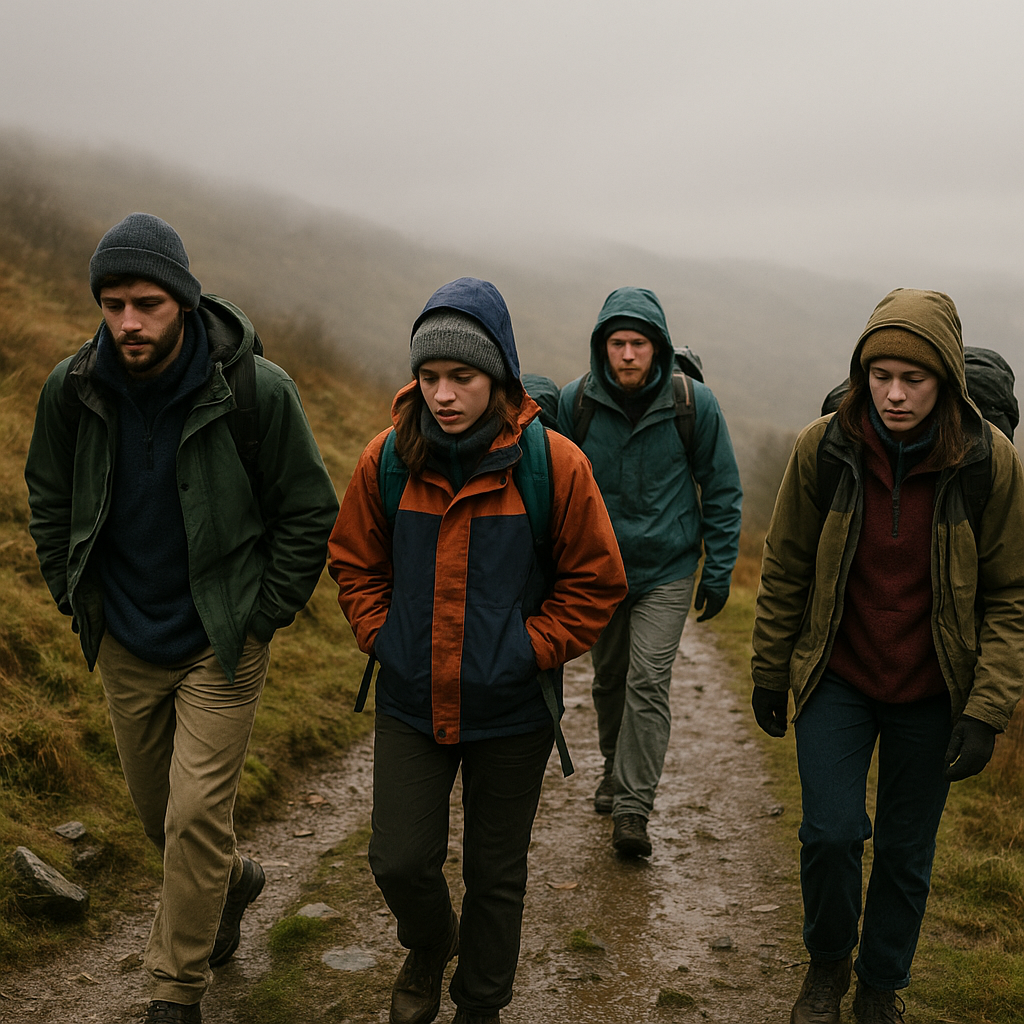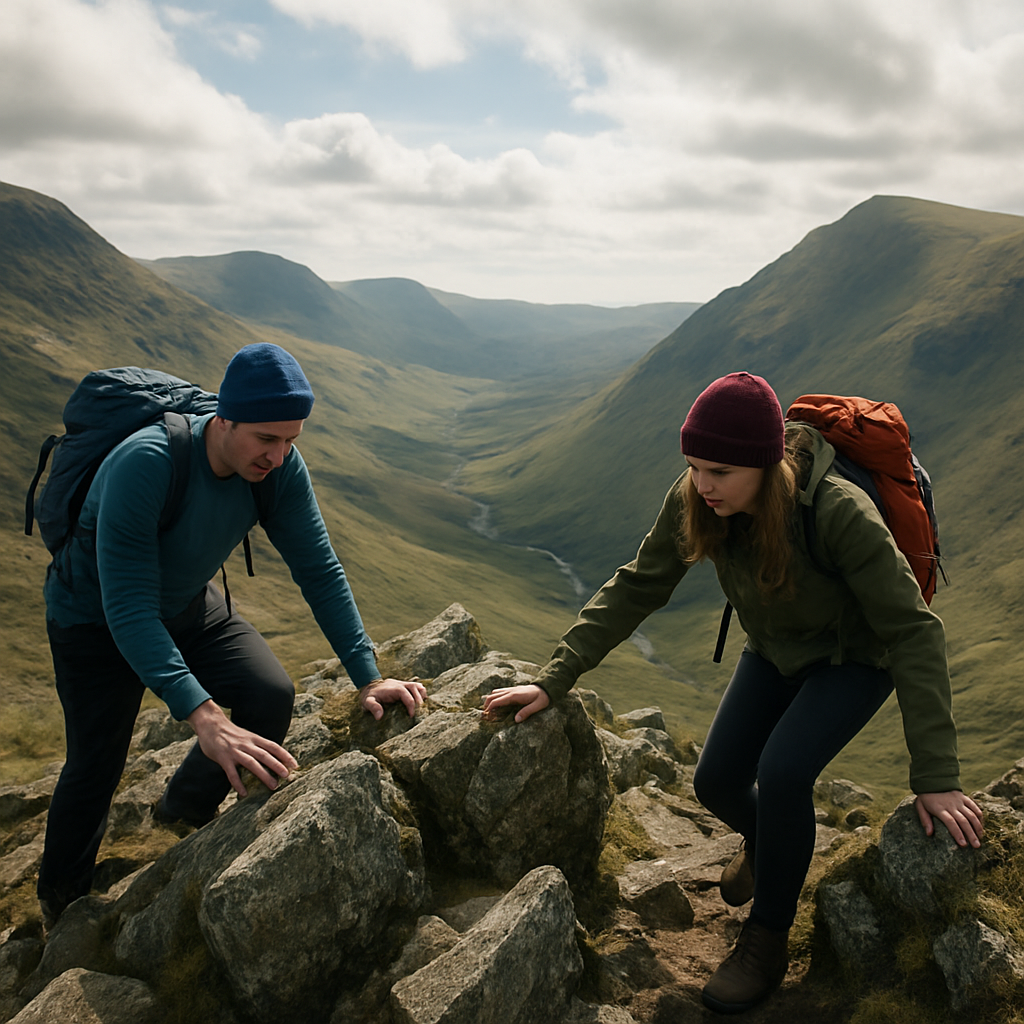
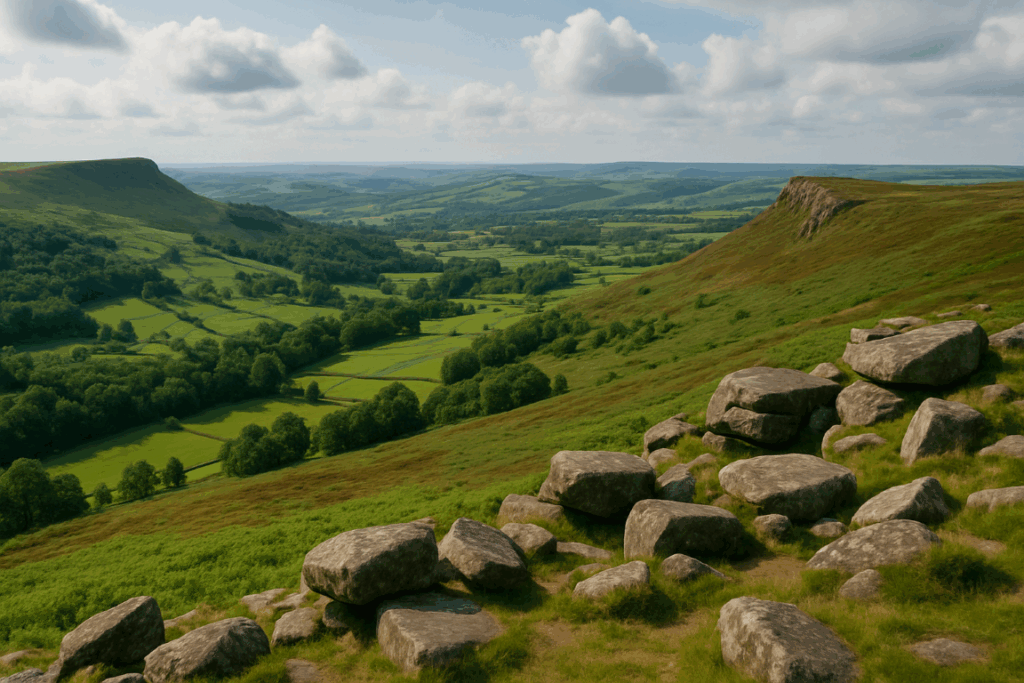
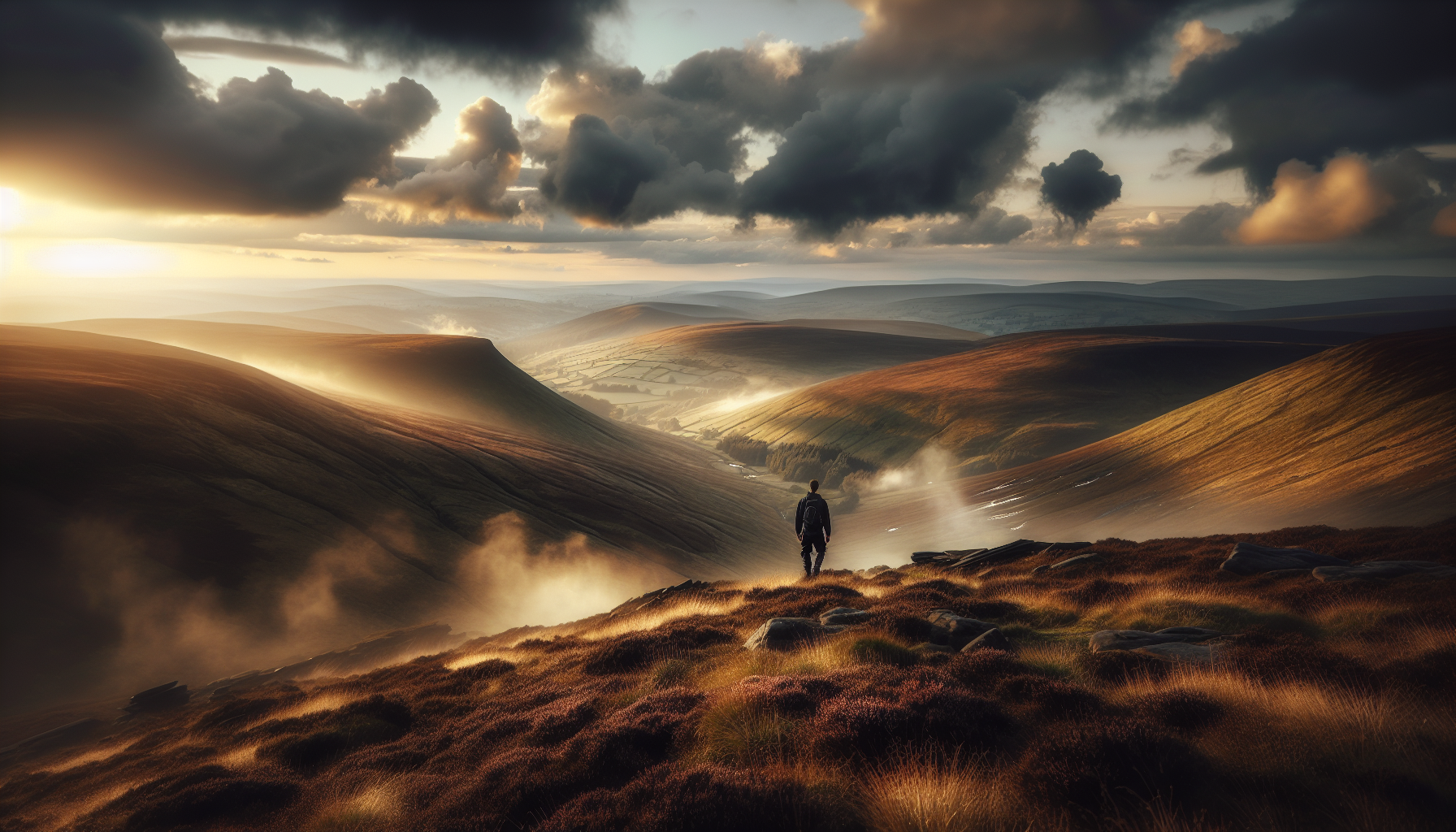
The connection between the outdoors and mental health has never been more talked about – and for good reason. Whether you’re scrambling up a fell in the Lake District, walking a muddy bridleway through autumn woodland, or simply sitting by a river watching the water move, time spent in nature does something to us that’s genuinely hard to replicate anywhere else.
What Does Nature Actually Do to Your Brain?
When you step outside into green or wild spaces, your brain shifts gear almost immediately. Research from environmental psychology has shown that natural settings reduce the activity in the prefrontal cortex – the part of the brain associated with repetitive negative thinking, often called rumination. In plain terms, a walk through the woods gives your busy, anxious mind something of a rest.
Cortisol, the hormone most closely linked to stress, drops noticeably after time spent in natural environments. Heart rate slows. Breathing deepens. Your nervous system, which often runs in a kind of low-level overdrive in modern life, gets the chance to wind down properly. It’s not magic – it’s biology.
The Outdoors and Mental Health: More Than Just a Walk
There’s a temptation to think that the benefits of spending time outdoors are fairly surface-level – a bit of fresh air, a change of scenery. But the evidence points to something much deeper. People who spend regular time in nature report lower rates of anxiety, depression, and burnout. Those who hike, climb, or engage in outdoor activities with a degree of physical challenge tend to experience a stronger sense of purpose and resilience as well.
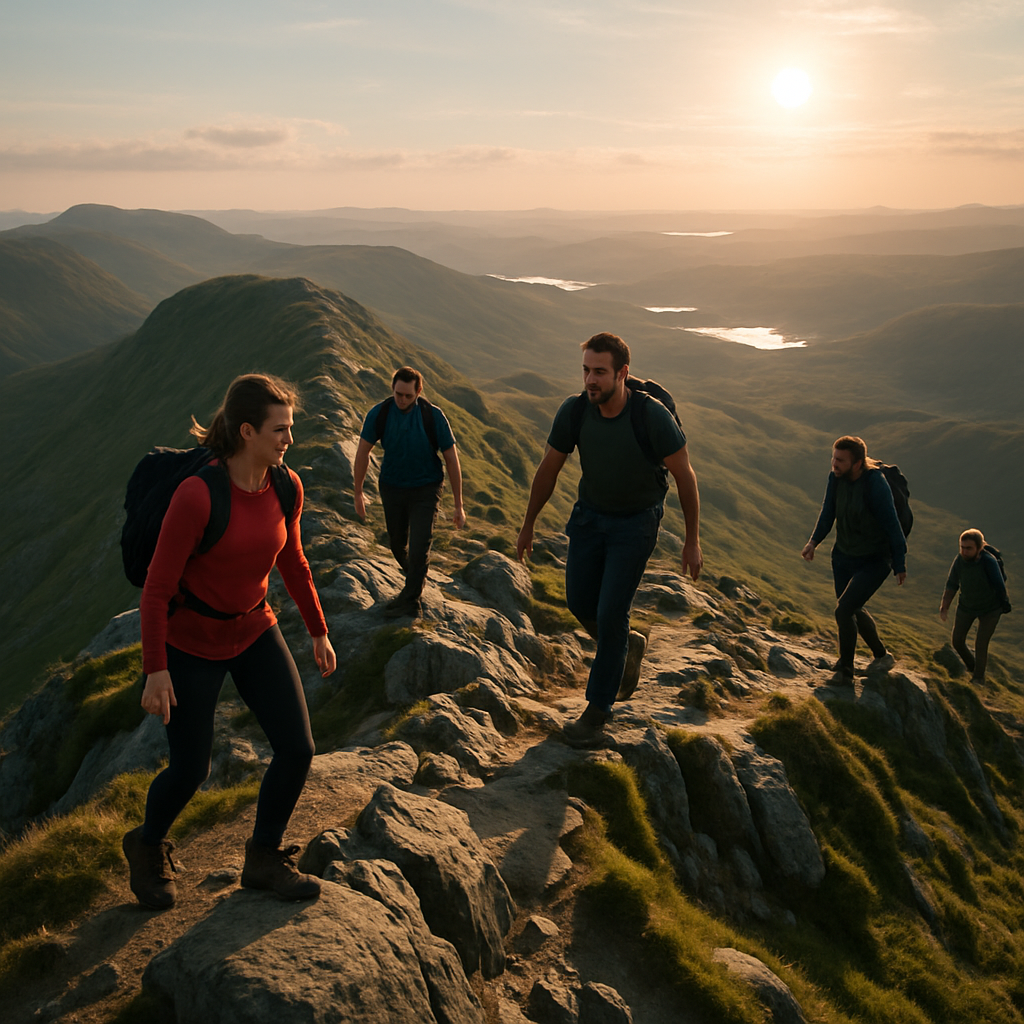
There’s also the effect of awe. Standing at the top of a mountain you’ve just climbed, looking out across a vast landscape, creates what psychologists call an “awe response” – a sense of smallness and wonder that has been directly linked to reduced self-focused thinking and increased feelings of connection to something bigger than yourself. That’s a powerful shift in perspective for anyone who’s been grinding through a hard week.
Social Connection in Wild Spaces
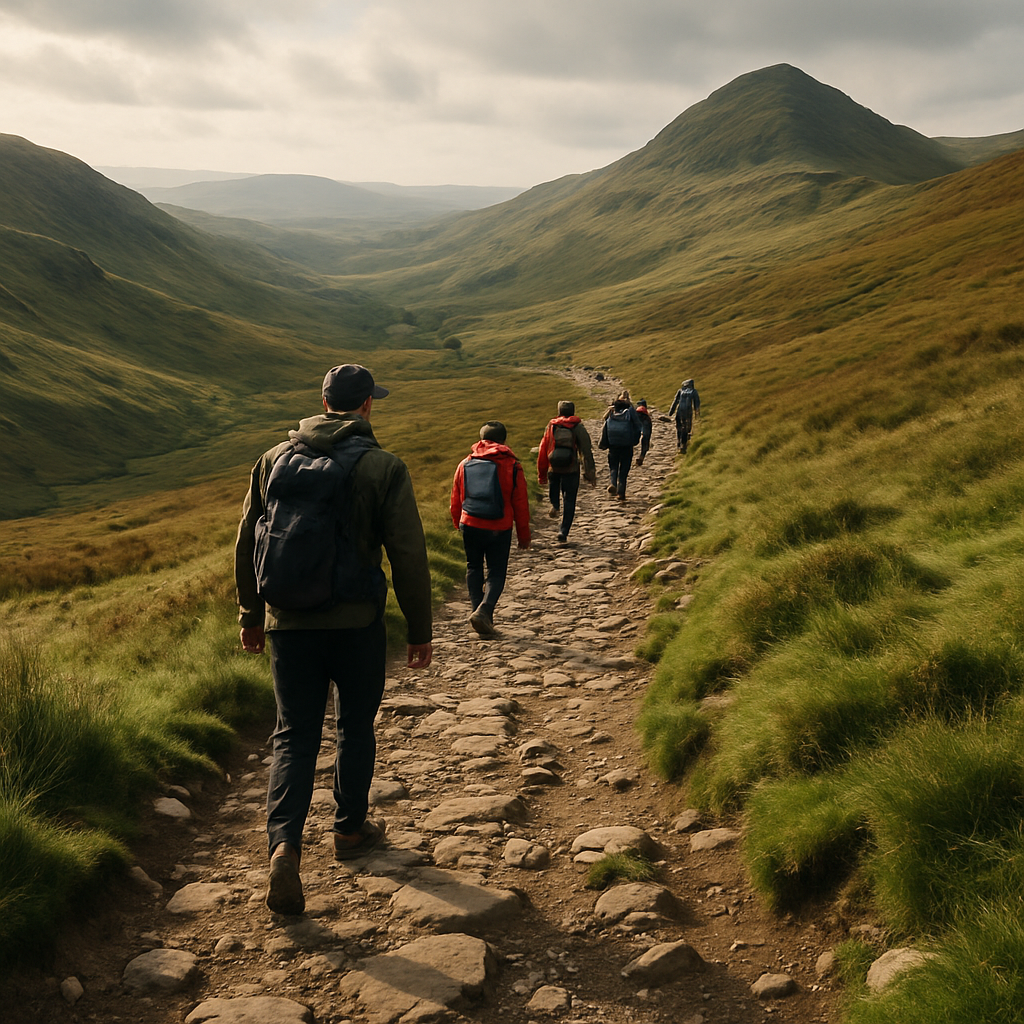
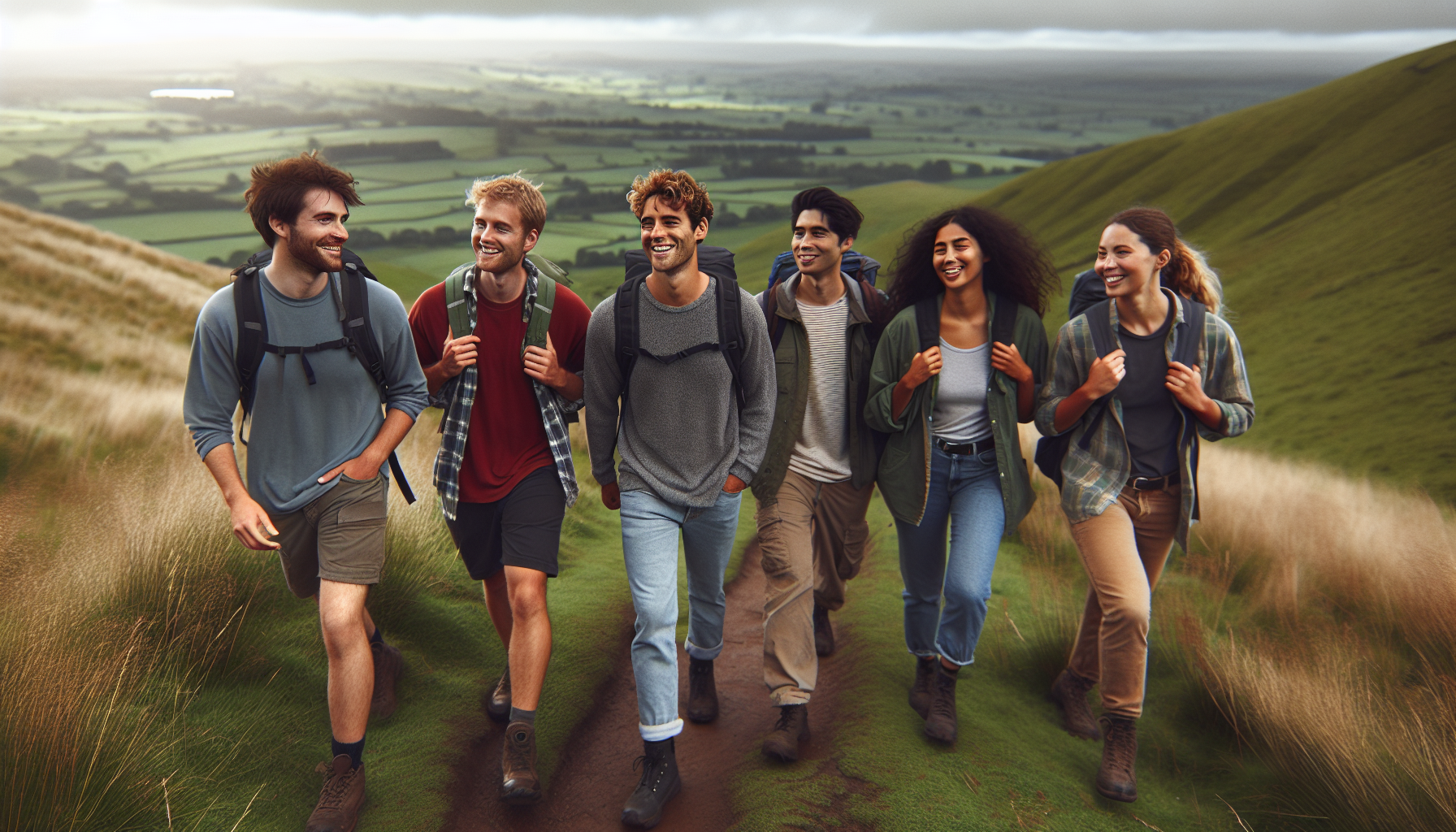
Getting outdoors with others – a hiking group, a wild swimming club, or simply a friend on a Sunday walk – brings the added benefit of social connection. Loneliness is one of the biggest silent contributors to poor mental health in the UK, and shared outdoor experiences create a kind of bond that feels different to socialising indoors. There’s less pressure, more movement, and the shared focus of the environment around you takes the weight off conversation.
Why Mud and Discomfort Are Good for You
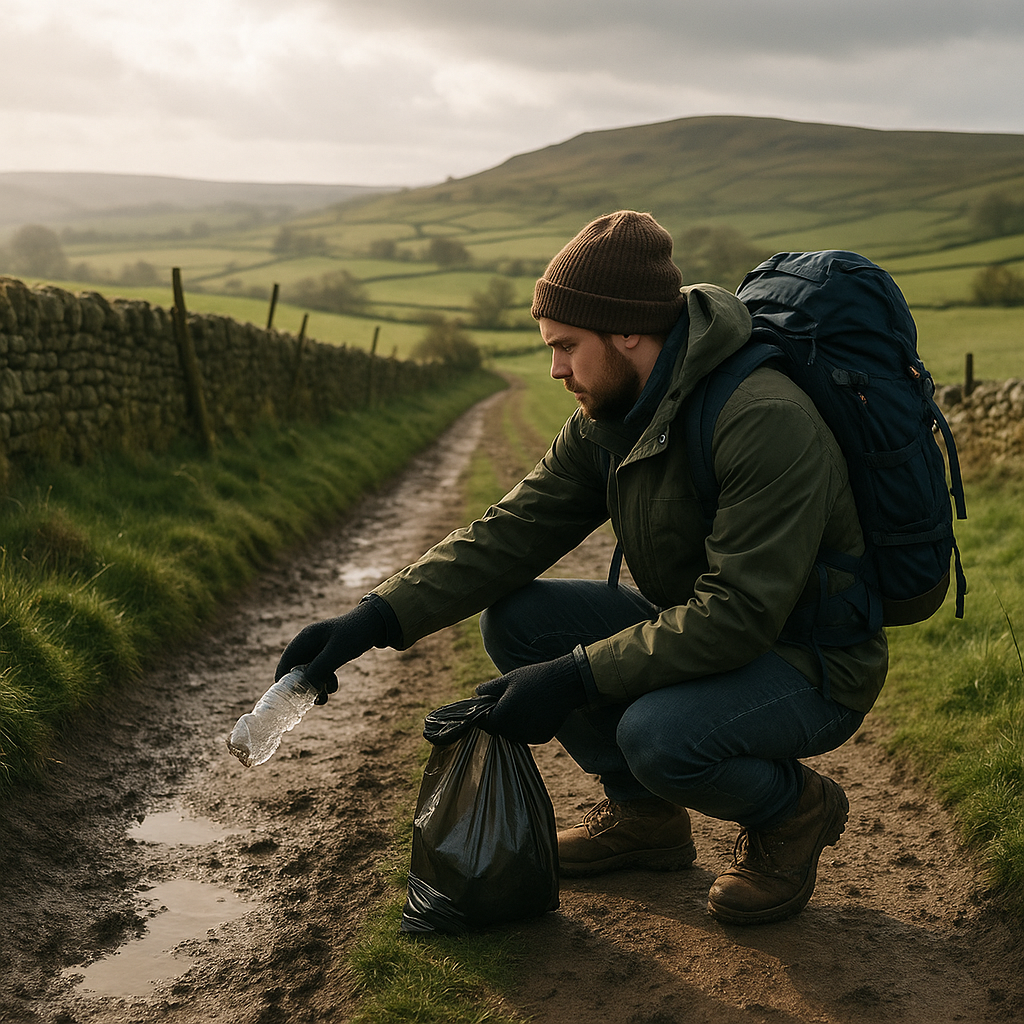
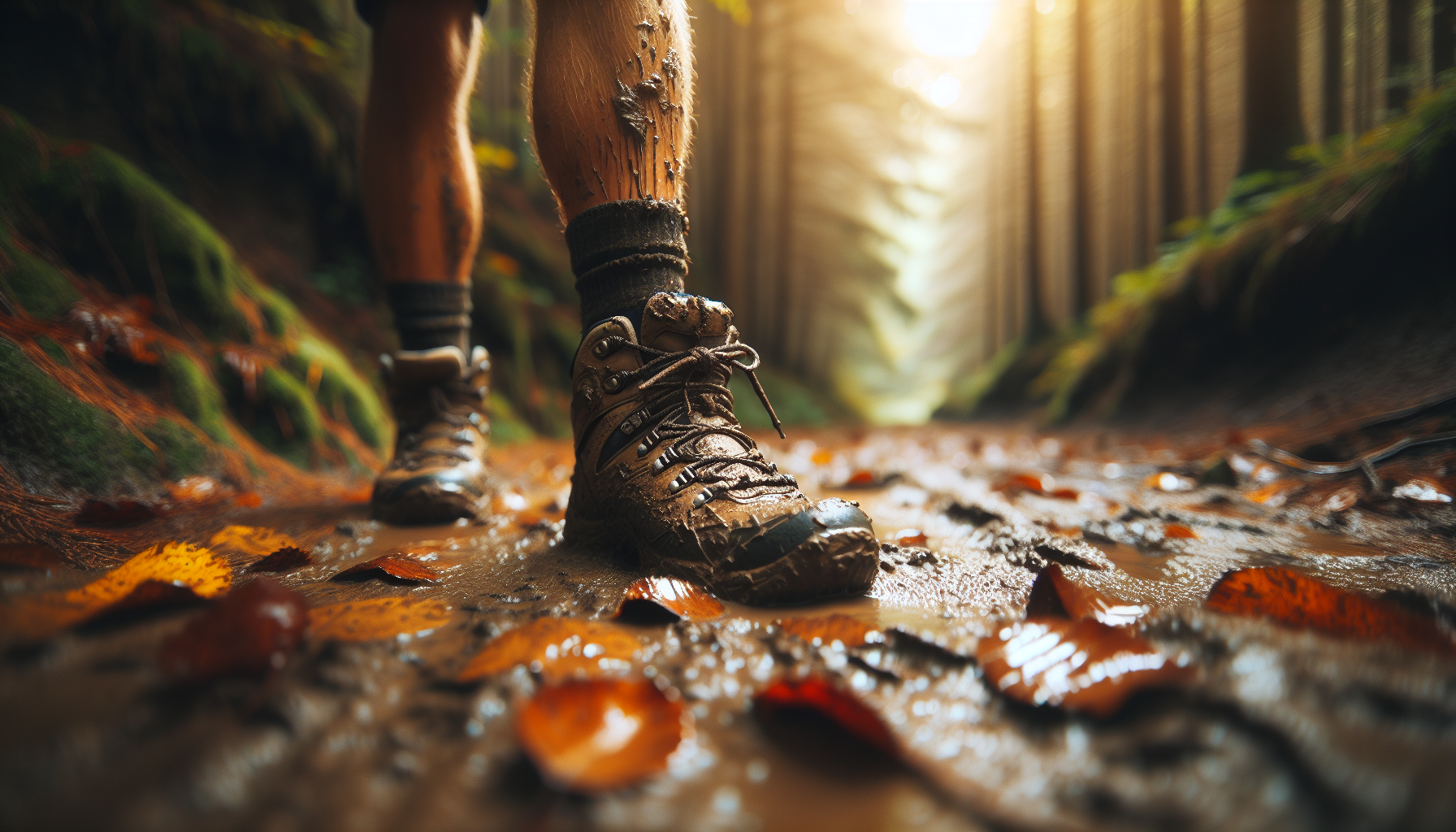
Here at Mudded, we’re obviously partial to getting a bit grubby. But beyond the fun of it, there’s a genuine case for embracing the messier, less comfortable side of being outdoors. Navigating boggy ground, dealing with an unexpected downpour, or pushing through tiredness on a long route all build something called psychological grit – the ability to tolerate discomfort and keep going. That capacity doesn’t stay behind when you take your boots off. It comes home with you.
There’s even research suggesting that exposure to soil bacteria – specifically Mycobacterium vaccae, found in ordinary mud – may trigger the release of serotonin in the brain. So literally getting muddy could be making you happier. It sounds far-fetched, but the science is there.
Getting Outside When You Really Don’t Want To
One of the trickiest things about using the outdoors and mental health as a genuine tool is that when you’re struggling most, the last thing you want to do is lace your boots up. Motivation evaporates. The sofa wins. This is completely normal, and it’s worth having a plan for it.
Keeping the bar low helps enormously. A ten-minute walk around the block counts. A sit in the garden with a cup of tea counts. The aim isn’t an epic adventure every time – it’s just to break the indoor loop and remind your nervous system that the world outside still exists. From there, the bigger walks tend to follow naturally.
Building an Outdoor Habit That Sticks
Consistency matters more than intensity. Three short walks a week will do more for your mental health over time than one massive hike every few months. Try anchoring outdoor time to something you already do – a morning routine, a lunch break, a weekend morning ritual. Make it non-negotiable in the same way sleep or eating is non-negotiable.
If you’re just starting out and want to explore more about the natural world and what’s out there, it can help to do a bit of background reading. Some people even use free SEO tools to find local outdoor blogs and community groups worth following – a useful way to connect with like-minded people in your area.
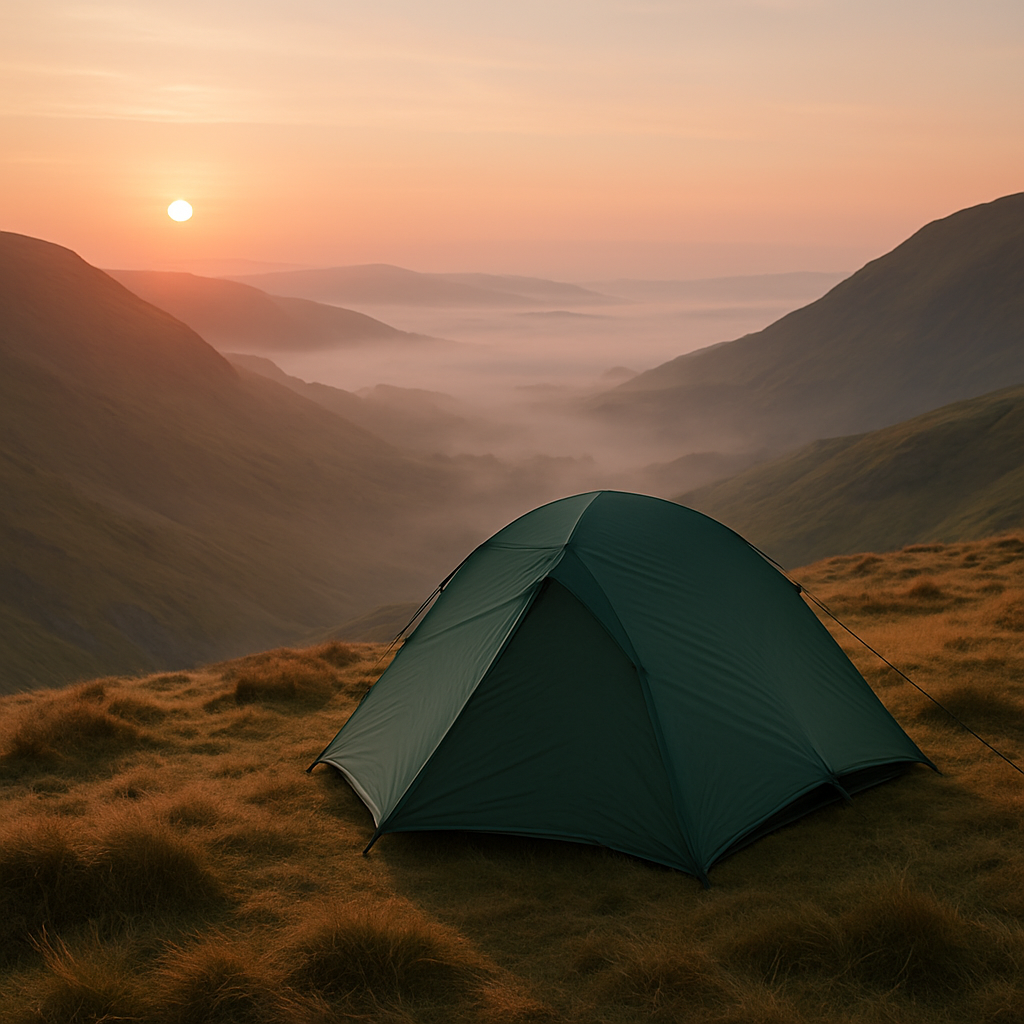
The relationship between the outdoors and mental health isn’t a trend or a wellness buzzword. It’s fundamental to how human beings are wired. We evolved in nature. We thrive in it. The mud, the wind, the rain, the breathtaking view from a ridge – all of it is medicine, and it’s available to everyone.
Outdoors and mental health FAQs
How much time outdoors do you need to improve mental health?
Studies suggest that as little as 20 to 30 minutes in a natural setting, three times a week, can produce measurable reductions in stress hormones and improvements in mood. You don’t need to spend hours outside every day – consistency and regularity matter far more than duration. Even short daily walks make a real difference over weeks and months.
Does the type of outdoor environment matter for mental health benefits?
Natural environments generally outperform urban ones, with green spaces, woodlands, and coastal areas tending to deliver the strongest benefits. However, even a local park or a tree-lined street offers some of the same effects. The key factors seem to be natural elements – plants, water, open sky – and a degree of quiet or reduced noise compared to busy indoor environments.
Can hiking help with anxiety and depression?
Yes, hiking combines several powerful elements that benefit both anxiety and depression – physical exercise, natural surroundings, rhythmic movement, and often social connection. Physical activity boosts endorphins and regulates mood-related neurotransmitters, while the natural setting reduces rumination and stress. For mild to moderate symptoms, regular hiking can be genuinely therapeutic alongside other support.
Is wild swimming or cold water swimming good for mental health?
Wild swimming has grown enormously in popularity partly because of its reported mental health benefits, which include a significant mood lift from the cold water shock response and increased alertness. Many regular wild swimmers describe it as one of the most effective mood regulators they’ve found. As with any cold water activity, it’s important to build exposure gradually and be aware of safety guidelines.
What if I live in a city and don’t have easy access to countryside?
Urban green spaces still provide meaningful mental health benefits – city parks, canal towpaths, riverside walks, and even quiet churchyards all count. The key is seeking out whatever natural elements are accessible to you and using them regularly. Many cities also have community hiking or walking groups that organise trips to nearby countryside at weekends, which is a great way to access wilder spaces without needing your own transport.