
Category: House and Home

  • How Greener Homes Are Changing Our Connection With The Outdoors

    How Greener Homes Are Changing Our Connection With The Outdoors

    If you love big skies, muddy boots and long days on the hill, you have probably wondered how your life indoors can match the way you feel outside. That is where greener homes come in. It is not just about saving a few quid on your bills. It is about building a life that fits better with the landscapes we hike through and the wild places we care about.
    What do we really mean by greener homes?

    For many people, the phrase brings to mind solar panels and clever gadgets, but at heart it is much simpler. A green home uses less energy, wastes less water and materials, and is kinder to the land around it. It is a place that works with the weather rather than fighting it, staying warm in winter and cool in summer without burning through fuel.

    Think of those stone cottages you pass on a wet fellside walk. The thick walls, small windows and snug rooms were all early attempts to live more lightly in a tough climate. Modern ideas build on that, using good insulation, natural materials and smart design so that we can tread more gently while still being comfortable.

    How greener homes protect the wild places we love

    Every time we head for the hills, we see the marks of a changing climate: bogs drying, paths washed out by sudden storms, snow lines creeping higher. Our homes are part of that story. Heating and powering buildings is a big source of emissions, and those emissions change the very landscapes we escape to at weekends.

    By turning our houses into greener homes, we chip away at that pressure. Better insulation means fewer draughts and less fuel burned. Choosing low impact materials means fewer scars from quarrying and logging. Simple habits like line-drying kit, collecting rainwater for the garden and planting trees in our own back yards all add up to cleaner rivers, healthier soils and more resilient habitats.

    Comfort, warmth and the joy of coming back indoors

    Anyone who has trudged home after a long, wet hike knows how good it feels to step into a warm, dry house. The trouble is, many older UK homes leak heat like a torn waterproof. Rooms feel chilly, walls are cold to the touch and the heating seems to be on full blast for half the year.

    Improving the fabric of a building can transform that feeling. Good loft and wall insulation, draught proofing and decent windows turn a shivery house into a cosy basecamp. Some people choose options like external wall insulation as part of a wider upgrade, but even small steps make a difference. The result is a home that feels more like a mountain hut after a day on the ridge: snug, welcoming and ready to dry your socks.

    Bringing the outdoors into everyday life

    Greener homes are not only about what we add to the walls and roof. They are also about how we open up to the outside world. Simple design choices can make nature part of the daily routine, not just something reserved for weekends away.

    Big windows that frame a garden, balcony or shared courtyard invite us to notice the weather. A bench by the back door makes it easy to slip on boots and step out for five minutes of fresh air. Planting herbs in pots, leaving a corner of the lawn to go wild, or adding a small pond can turn even a tiny space into a pocket habitat buzzing with life.

    When our homes are shaped around sunlight, views and fresh air, we naturally spend more time outside. Morning coffees move to the doorstep, laptops migrate to the patio on bright days, and children drift towards trees and mud instead of screens.

    Practical steps for turning your house into a greener basecamp

    You do not need a grand design budget to start the journey. Many of the most effective changes are simple and affordable:

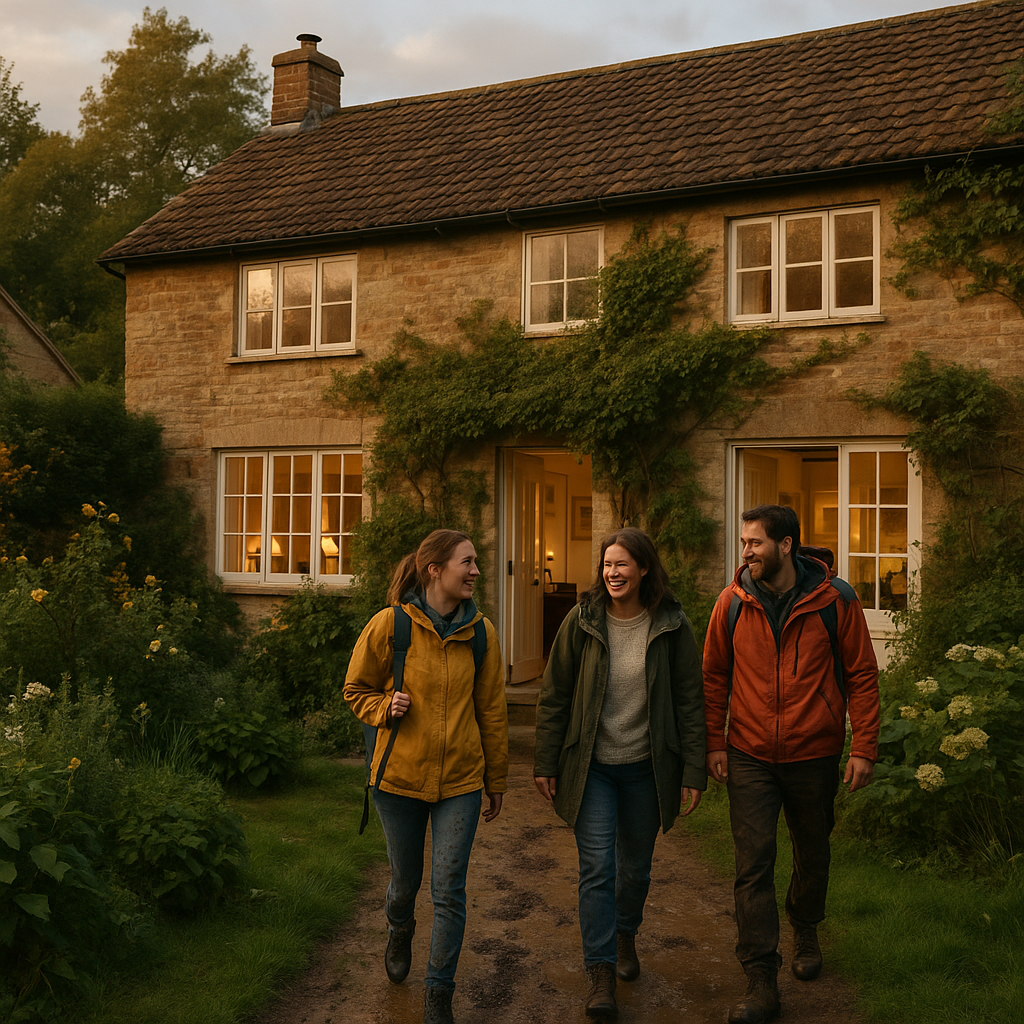
    Hiker relaxing on a patio of one of several greener homes, surrounded by plants and views of rolling hills.
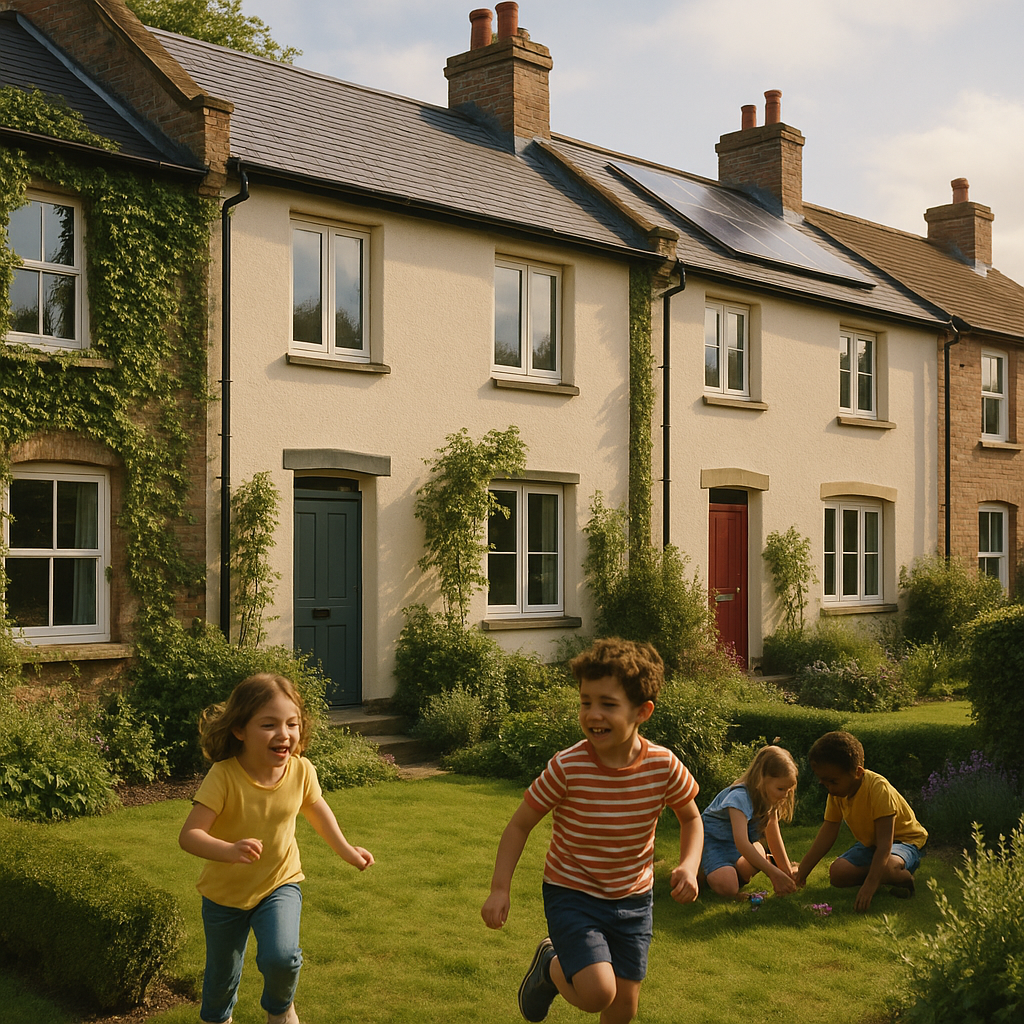
    Street of greener homes with children playing in front gardens filled with plants and trees.

    Greener homes FAQs

    What are the easiest first steps to make an older house more eco friendly?

    Start by tackling heat loss and draughts. Topping up loft insulation, sealing gaps around doors and windows and fitting thick curtains can make a big difference without major building work. Bleeding radiators, fitting simple reflector panels behind them and using thermostatic valves can also help. Outside, you can add water butts, plant native shrubs and leave a small wild corner to support birds and insects.

    How can a rented home be made greener without major changes?

    If you are renting, focus on changes that are reversible and low cost. Use draught excluders, thermal curtains and rugs on cold floors. Choose energy efficient bulbs and switch off appliances properly when not in use. Grow herbs and flowers in pots or window boxes, and ask your landlord before adding simple items like a water butt or a small compost bin. Even without big renovations, these steps can cut bills and reduce your impact.

    How do greener homes affect our wellbeing?

    A home that is warm, dry and filled with natural light is better for both physical and mental health. Reducing damp and cold helps prevent respiratory problems, while good insulation and ventilation create a more stable, comfortable indoor climate. When a house is designed to connect with gardens, balconies or nearby green spaces, people tend to spend more time outdoors, which is linked to lower stress, better sleep and a stronger sense of connection with the natural world.
  • Bringing More Natural Light Into Your Home, Naturally

    Bringing More Natural Light Into Your Home, Naturally

    Spending time outside is one of the simplest ways to feel calmer, happier and more alive. Yet many of us still spend most of our day indoors, cut off from the changing sky, weather and wildlife. Thoughtful natural light home design can soften that divide, pulling daylight, views and a sense of the outdoors deep into our living spaces.

    This is not just about chasing a pretty Instagram shot. It is about wellbeing, energy use and our relationship with nature. With careful choices, you can turn your home into a brighter, more grounded place that changes with the seasons instead of shutting them out.

    Why daylight matters more than ever

    Our bodies are tuned to the sun. Natural light helps regulate sleep, boosts mood and even affects how productive we feel. In darker months, many people feel the weight of short days, and a dim home only makes that worse.

    On top of this, brighter interiors reduce the need for artificial lighting, cutting electricity use and helping to lower your carbon footprint. Daylight is free, endlessly renewable and surprisingly powerful when you design your space around it.

    Key principles of natural light home design

    Whether you live in a city terrace or a countryside cottage, the same ideas apply:

    • Work with orientation – South and west facing spaces tend to be brighter and warmer. Reserve these for rooms where you spend the most time, such as kitchens and living rooms.
    • Layer your glazing – A mix of vertical windows, high-level openings and roof glazing lets light enter from different angles, reducing gloomy corners.
    • Keep sightlines clear – Large items of furniture, tall cupboards and heavy curtains can block precious light. Think low, simple shapes and slim frames.
    • Use reflective surfaces sparingly – Pale walls, limewash, soft sheens and mirrors can bounce daylight further into a room without feeling clinical.

    Framing the outdoors, not just brightening a room

    Good natural light is about more than raw brightness. It is about connection. When you can see the sky, trees moving in the wind or birds crossing your view, you get a constant reminder that you are part of a wider landscape.

    Think about how each window or roof opening frames the outside world. A low, wide pane might capture a hedge alive with insects. A higher opening can give you a slice of changing sky. In an extension or garden room, overhead glazing such as lantern roofs can flood the space with daylight while offering dramatic views of clouds and stars.

    Balancing daylight with comfort

    More glass is not always better. Poorly planned glazing can lead to glare, overheating in summer and heat loss in winter. Natural light home design is about balance.

    • Control glare – Use sheer blinds, external shading or deep window reveals to soften harsh sun while keeping the room bright.
    • Think ventilation – Opening roof lights and high-level windows let hot air escape, which is vital as summers become warmer.
    • Choose efficient glazing – Modern units with good insulation and solar control coatings help keep heat where you want it.

    Bringing nature into every room

    Daylight and views are only part of the story. To really feel closer to the outdoors, pair your glazing choices with natural materials and planting.

    Timber frames, stone floors and clay paints echo the landscape outside. Houseplants, herb planters on sunny sills and small indoor trees blur the line between garden and interior. Even in a compact flat, a single well lit corner filled with greenery can feel like a tiny indoor woodland edge.

    Simple changes that make a big difference

    You do not always need a major build to enjoy the benefits of natural light home design. A few low impact tweaks can transform how a room feels:

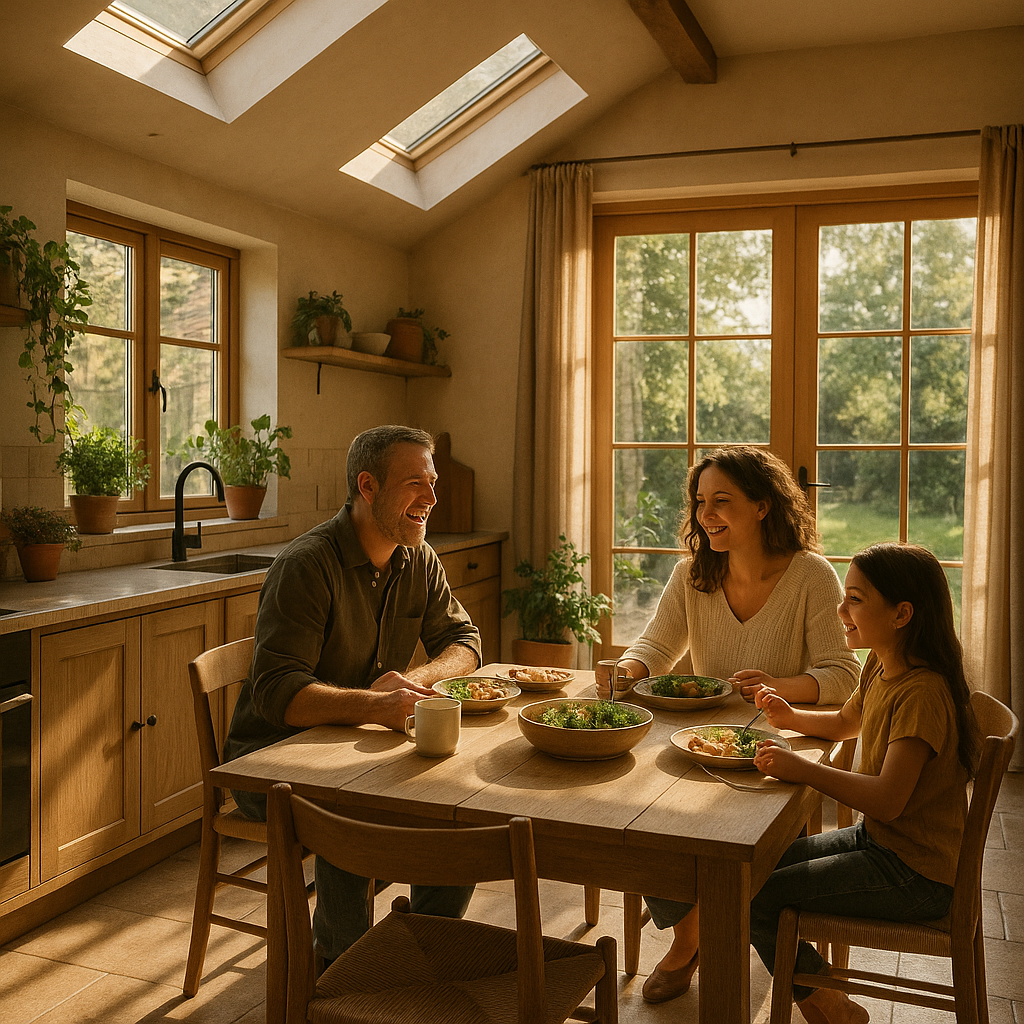
    Kitchen and dining space using natural light home design to blend indoor living with the outdoors
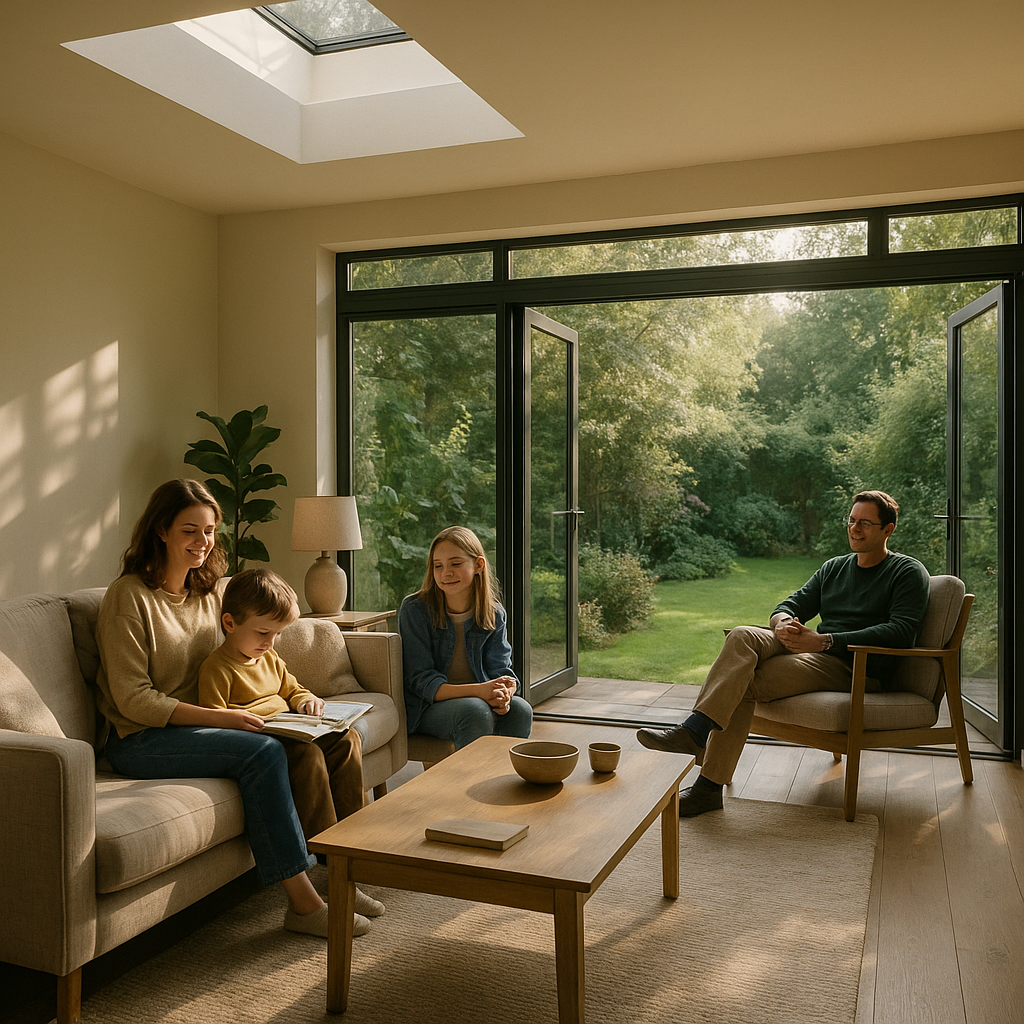
    Reading corner that highlights natural light home design with views of trees and sky

    Natural light home design FAQs

    How can I increase natural light in a dark north facing room?

    Start by clearing window sills and removing bulky furniture that blocks light. Use light coloured, matte wall finishes to spread daylight without glare, and choose slim window dressings that pull fully clear of the glass. A well placed mirror opposite the window can help bounce light deeper into the room, and trimming trees or shrubs outside will often make a surprising difference.

    Does adding more glazing always make a home warmer?

    Not necessarily. While well designed glazing can capture useful solar warmth, too much poorly specified glass can lead to overheating in summer and heat loss in winter. The key is to consider orientation, shading, ventilation and the performance of the glass itself, so you gain brightness and views without creating an uncomfortable space.

    What is natural light home design and why is it important?

    Natural light home design is an approach to planning rooms, windows and materials so that daylight, sky views and a sense of the outdoors are central to how a home feels. It supports better sleep and mood, reduces reliance on artificial lighting and heating, and helps people feel more connected to the natural world even when they are indoors.

  • How Ethical Landlords Build Stronger Tenancies And Better Returns

    How Ethical Landlords Build Stronger Tenancies And Better Returns

    Being a landlord is no longer just about collecting rent at the end of the month. In a tighter rental market, with rising living costs and growing regulation, ethical landlord practices are becoming one of the most reliable ways to protect your investment, reduce stress and keep good tenants for longer.

    Tenants are far more informed than they used to be. They read reviews, compare properties online and talk openly about their experiences. Landlords who treat people fairly, communicate clearly and maintain safe homes are the ones who enjoy stable income, fewer disputes and stronger long term returns.

    What do ethical landlord practices actually look like?

    Ethics in property is not a vague feel good concept. It shows up in day to day decisions and habits. At the core is a simple idea: if you provide a decent, safe home and behave fairly, your tenants are more likely to stay, pay on time and look after the property.

    That starts before a tenancy even begins. Clear, honest adverts that do not hide issues, accurate photos and transparent pricing help attract the right people. During viewings, being upfront about costs, council tax bands and any quirks of the property sets expectations and builds trust from the outset.

    Written agreements that are easy to understand, with no unfair clauses, are another pillar of ethical landlord practices. Taking the time to walk through the contract with new tenants, explaining deposit protection, notice periods and responsibilities on both sides, avoids confusion later.

    Creating homes people actually want to stay in

    Long tenancies are one of the biggest drivers of landlord profit. Every void period costs money, and every changeover brings advertising, referencing and cleaning costs. A focus on liveability is therefore both ethical and commercial.

    Simple upgrades can make a big difference: decent flooring, modern light fittings, secure locks and efficient heating all signal that you care about the standard of the home. Regular safety checks, prompt servicing of boilers and clear instructions for appliances keep the property safe and reduce emergency call outs.

    Energy efficiency is increasingly important too. Good insulation, draught proofing and modern heating controls help tenants with their bills and reduce the risk of arrears. A warm, affordable home is far more likely to be treated with respect, and tenants who feel looked after tend to report issues early, before they become expensive repairs.

    Communication, boundaries and mutual respect

    Ethical landlord practices are also about how you communicate. Setting clear channels for reporting repairs, giving proper notice before visits and responding within reasonable timeframes all build a sense of professionalism.

    It is helpful to agree preferred methods of contact at the start of the tenancy, and to outline what counts as an emergency. This avoids late night calls for minor issues, while reassuring tenants that they will be heard when something serious happens.

    Respecting privacy is crucial. Sticking to legal notice periods for inspections, being flexible about timings and turning up when you say you will shows that you value your tenants’ time and home life. In return, tenants are more likely to cooperate with access for repairs and inspections.

    Handling problems fairly without losing control

    Even in the best run properties, problems arise. Ethical landlords do not ignore rent arrears, antisocial behaviour or damage, but they handle them in a structured, fair way.

    For arrears, early, calm conversations can prevent issues escalating. Understanding whether the problem is temporary, such as a job change, or more serious helps you decide whether to agree a payment plan, signpost to benefits advice or begin formal action. Documenting every step protects you if you need to go to court later.

    When disputes feel complex or overwhelming, external guidance can be invaluable. Specialist services that offer Support for landlords can help you navigate regulations, mediation and, if necessary, possession proceedings while keeping the process as fair and professional as possible.

    Why being a good landlord is good business

    Some landlords still worry that taking an ethical approach means lower profits. In reality, the opposite is usually true. Good tenants stay longer, reducing voids. Well maintained homes suffer less serious damage. Clear processes and records reduce legal risk and insurance headaches.

    Ethical landlord practices FAQs

    How can I encourage tenants to stay longer?

    Focus on providing a safe, comfortable and well maintained home, respond quickly to repair requests and review rent levels fairly in line with the local market. Clear communication, reasonable notice for inspections and a respectful attitude all contribute to tenants feeling settled and valued, which makes them far more likely to renew their tenancy.

    What should I do if a tenant falls behind on rent?

    Act early and stay calm. Contact the tenant to understand what has caused the arrears, then agree a realistic payment plan if the problem is temporary. Keep written records of all conversations and payments, and signpost tenants to debt or benefits advice where appropriate. If arrears continue to grow, follow the correct legal process for serving notice and seeking possession, and consider taking professional advice.

    Do I need to use an agent to manage my rental property?

    You do not have to use an agent, but many landlords find professional management helpful, especially if they live far from the property or have several rentals. An agent can handle advertising, referencing, inspections and maintenance, but you should still choose one that shares your values and is transparent about fees so that your tenants receive a consistent and fair service.

    Read more muddy stories…