
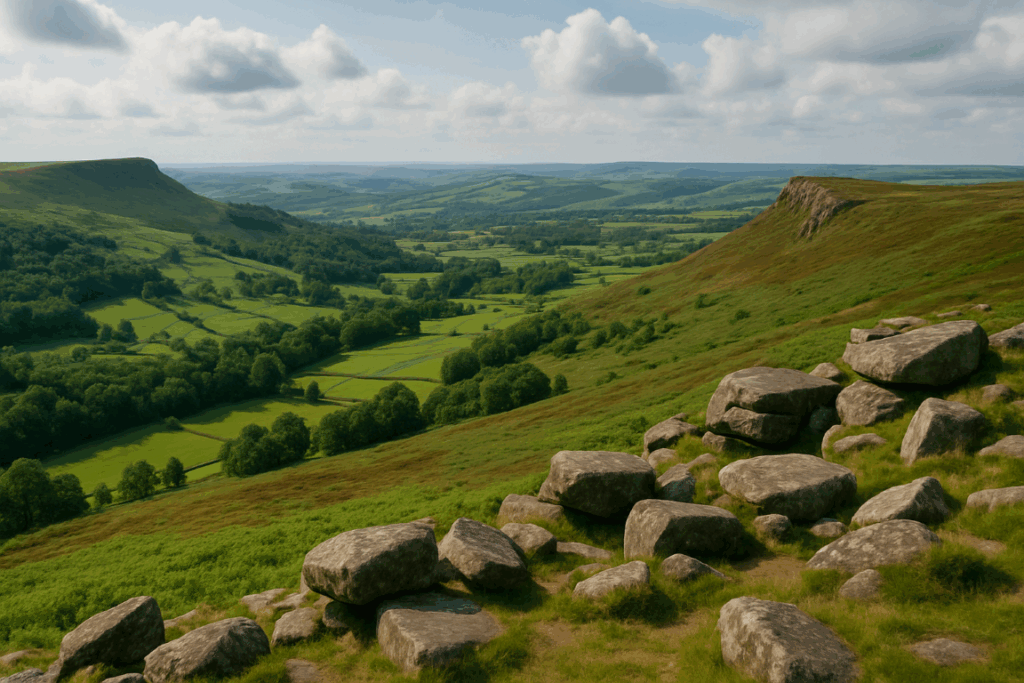
There is something about committing to a multi-day trail that changes how you see both the landscape and yourself. No quick summits, no single-day tick-offs. Just your boots, your pack, and mile after mile of some of the most extraordinary terrain on earth. Europe is packed with long distance walking routes, but a handful genuinely stand apart. These are the ones walkers talk about years later, still trying to find the words.
Whether you are dreaming of your first big European trail or hunting down your next serious challenge, this roundup covers ten routes worth every blister.
GR20, Corsica: Europe’s Toughest Classic
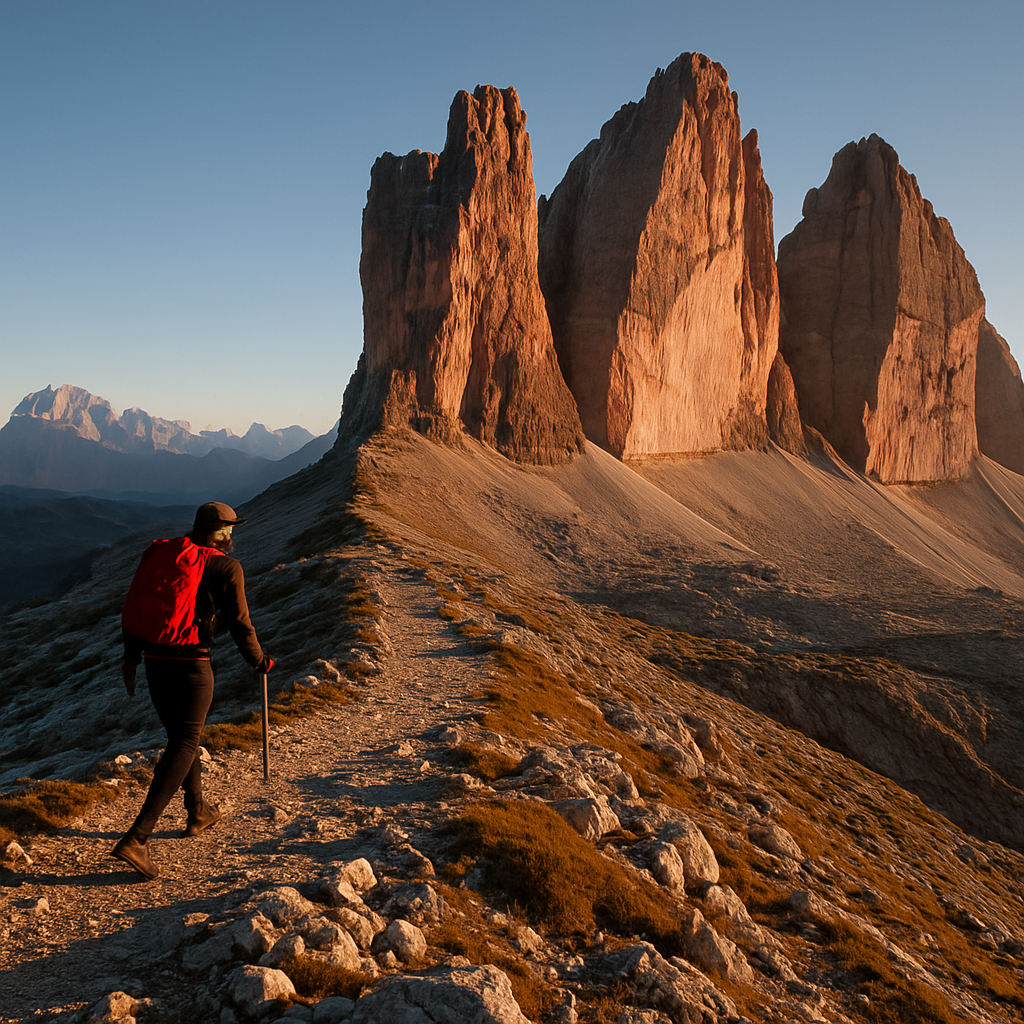
The GR20 is the benchmark. Running 180 kilometres from Calenzana in the north to Conca in the south across the spine of Corsica, it earns its brutal reputation honestly. Granite ridges, exposed scrambles, and relentless ascent and descent make this a serious undertaking. Most walkers allow 15 days. The reward is savage beauty: jagged peaks, electric blue glacial lakes, maquis scrubland in full flower. Best season is June to mid-September. Go earlier and you may encounter snow on the high passes.
Tour du Mont Blanc: The All-Time Crowd Pleaser
Roughly 170 kilometres, circling the Mont Blanc massif through France, Italy, and Switzerland. The Tour du Mont Blanc is not technically gruelling in the same way as the GR20, but it is relentlessly spectacular. Glaciers, stone chalets, wildflower meadows, and views of the highest peak in the Alps at every turn. Most people complete it in 11 days. July and August are peak season; late June and early September offer quieter refuges. Book your huts early, especially at popular spots like Rifugio Bonatti.
Haute Route, Chamonix to Zermatt: For the Seriously Ambitious
The classic Haute Route covers around 180 kilometres between two of the Alps’ most famous mountain towns. It crosses some 15 mountain passes, several above 3,000 metres, and demands genuine Alpine experience. Views of the Matterhorn, the Weisshorn, and a string of other giants make this visually unlike anything else in Europe. Allow 14 to 16 days. Late July through August is the optimum window. Pack layers you actually trust, because conditions shift fast at altitude.
Alta Via 1, Dolomites: Drama in the Rock
Italy’s Dolomites are unlike any other mountain range in Europe, and the Alta Via 1 showcases them at their most theatrical. Around 120 kilometres from Lago di Braies to Belluno, passing sheer rose-coloured rock towers, impossibly green valleys, and mountain refuges serving proper Italian food. Most walkers complete it in 10 days. The route is well-marked and logistically manageable, making it an excellent introduction to Alpine multi-day walking. Best walked from late June to late September.
St Olav Ways, Norway: Pilgrimage Through the Fjords
The St Olav Ways are a network of ancient pilgrimage routes leading to Nidaros Cathedral in Trondheim. The most walked section, the Gudbrandsdalen route from Oslo, covers around 640 kilometres. Norway rewards walkers with extraordinary light, birch forests, and river valleys that feel entirely removed from the rest of the world. This is a gentler trail compared to the Alpine routes, but the distance demands commitment. June to August offers the best conditions and the famous long Nordic evenings.
Lycian Way, Turkey: Coastal Cliffs and Ancient Ruins
Technically outside mainland Europe but regularly included in any serious European walking list, the Lycian Way stretches around 540 kilometres along Turkey’s Mediterranean coast. The combination of clifftop walking, Lycian rock tombs, turquoise coves, and ancient ruins is unlike anything found on the continent proper. Spring (April and May) and autumn (October and November) are the seasons to go. Summer heat makes the exposed coastal sections genuinely punishing.
Rota Vicentina, Portugal: Slow Trails on the Atlantic Edge
Two interlinked trails along Portugal’s Alentejo and Vicentine coast, covering around 450 kilometres in total. The Fishermen’s Trail section, hugging dramatic cliffs above the Atlantic, is the standout. This is walking at a slower, quieter pace: cork oak forests, white villages, and surf beaches where almost nobody goes. Spring and autumn are ideal; summer is warm but the coast catches a constant breeze. The Rota Vicentina is a genuinely underrated gem among long distance walking routes in Europe.
West Highland Way, Scotland: Our Own Big One
It would be odd to write this list without including the route that sends thousands of British walkers out the door each year. The West Highland Way runs 96 miles from Milngavie, just north of Glasgow, to Fort William beneath Ben Nevis. Moorland, loch shores, glen crossings, and the dramatic Devil’s Staircase make it visually varied and deeply satisfying. Most people walk it in 7 to 8 days. April through October works well, though May and June offer the best daylight to midges ratio. For anyone preparing kit for the highlands, planning vehicle access and spare parts (some remote sections involve driving rough tracks beforehand) is worth thinking through; even things like lancer parts have their place in getting you to the trailhead reliably.
GR10, Pyrenees: The Quieter Alternative
While the GR11 on the Spanish side gets plenty of attention, the French GR10 traverses the entire Pyrenean range from Hendaye on the Atlantic coast to Banyuls-sur-Mer on the Mediterranean. Around 866 kilometres in total, usually walked in 45 to 50 days. The terrain is genuinely demanding, with significant daily ascent and descent, but the Pyrenees offer something different from the Alps: fewer crowds, wilder cirques, and a sense of proper remoteness. July and August are the prime months.
E4 Trail, Greece: Through Myth and Mountain
The European long distance path E4 enters Greece from Bulgaria and passes through some of the country’s wildest and most historic terrain, including the Pindus mountains, the Peloponnese, and eventually Crete. The full Greek section covers over 1,400 kilometres. Most walkers tackle sections rather than the whole route. The Taygetos ridge traverse in the Peloponnese and the E4 route across Crete’s White Mountains are particularly celebrated. Spring walking, from March to May, is outstanding, with wildflowers carpeting the hillsides.
How to Choose the Right Route for You
The honest answer is to match the trail to your current fitness and experience, not to the one that sounds most impressive at the pub. The Tour du Mont Blanc is one of Europe’s most beloved long distance walking routes precisely because it is accessible to fit, well-prepared walkers without technical mountaineering skills. The GR20 and the Haute Route demand genuine Alpine experience and a head for exposure. The Rota Vicentina and St Olav Ways suit those who want distance over difficulty.
Before any European multi-day trail, check the UK Foreign Travel Advice for your destination country, especially regarding mountain rescue access and travel insurance requirements. Most experienced walkers invest in specialist mountain walking cover before heading into remote terrain abroad.
Every route on this list has earned its place. Pick one, start planning, and get out there.
Frequently Asked Questions
What is the hardest long distance walking route in Europe?
The GR20 in Corsica is widely regarded as the most physically demanding long distance walking route in Europe, with sustained technical terrain, rocky scrambles, and significant daily elevation gain. Most experienced walkers allow 15 days to complete the full 180-kilometre route.
When is the best time of year to walk the Tour du Mont Blanc?
Late June to mid-September is the standard window, with July and August being the most popular. Late June and early September offer fewer crowds and lower hut prices, though some higher passes may still carry snow in June.
Can you walk long distance European trails as a beginner?
Some routes, such as the West Highland Way in Scotland and the Rota Vicentina in Portugal, are well-suited to fit beginners with good footwear and basic navigation skills. Trails like the GR20 or the Haute Route require prior Alpine experience and should not be attempted without preparation.
How much does it cost to walk a long distance trail in Europe?
Costs vary significantly by country and whether you use mountain huts or camp. The Tour du Mont Blanc can cost between £800 and £1,500 including hut accommodation, meals, and travel from the UK. Wild camping options on some routes can reduce this considerably.
Do I need specialist insurance for long distance walking in Europe?
Yes. Standard travel insurance rarely covers mountain rescue or helicopter evacuation, which can cost thousands of pounds in Alpine regions. Specialist walking and mountaineering policies from providers like BMC or Snowcard are strongly recommended for any remote European trail.