
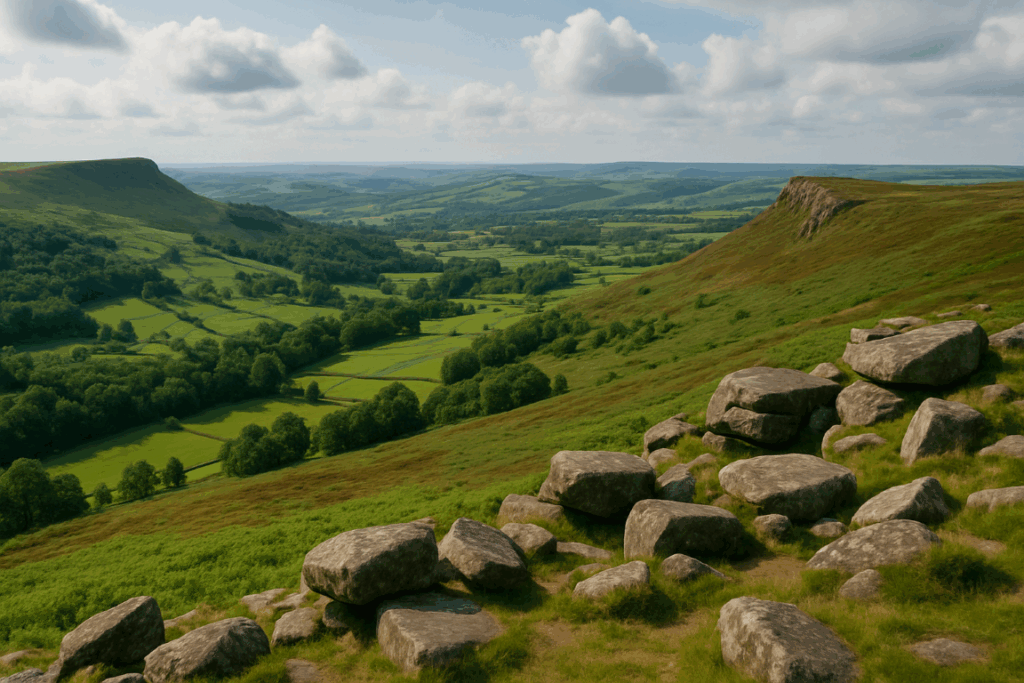
There is something genuinely brilliant about pulling on your boots, heading out into the countryside, and coming home with something you found yourself. Foraging for beginners UK-style is more accessible than most people think. You do not need specialist knowledge, expensive kit, or even a full day out. A short trail walk through a woodland edge or a ramble along a hedgerow can yield blackberries, elderflower, and wild garlic if you know what you are looking for and when to look.
That said, going in blind is not a great idea. There are legal considerations, safety rules, and a few lookalike plants that could ruin your day badly if you get them wrong. This guide covers the essentials so your first foraging trip is safe, legal, and genuinely enjoyable.
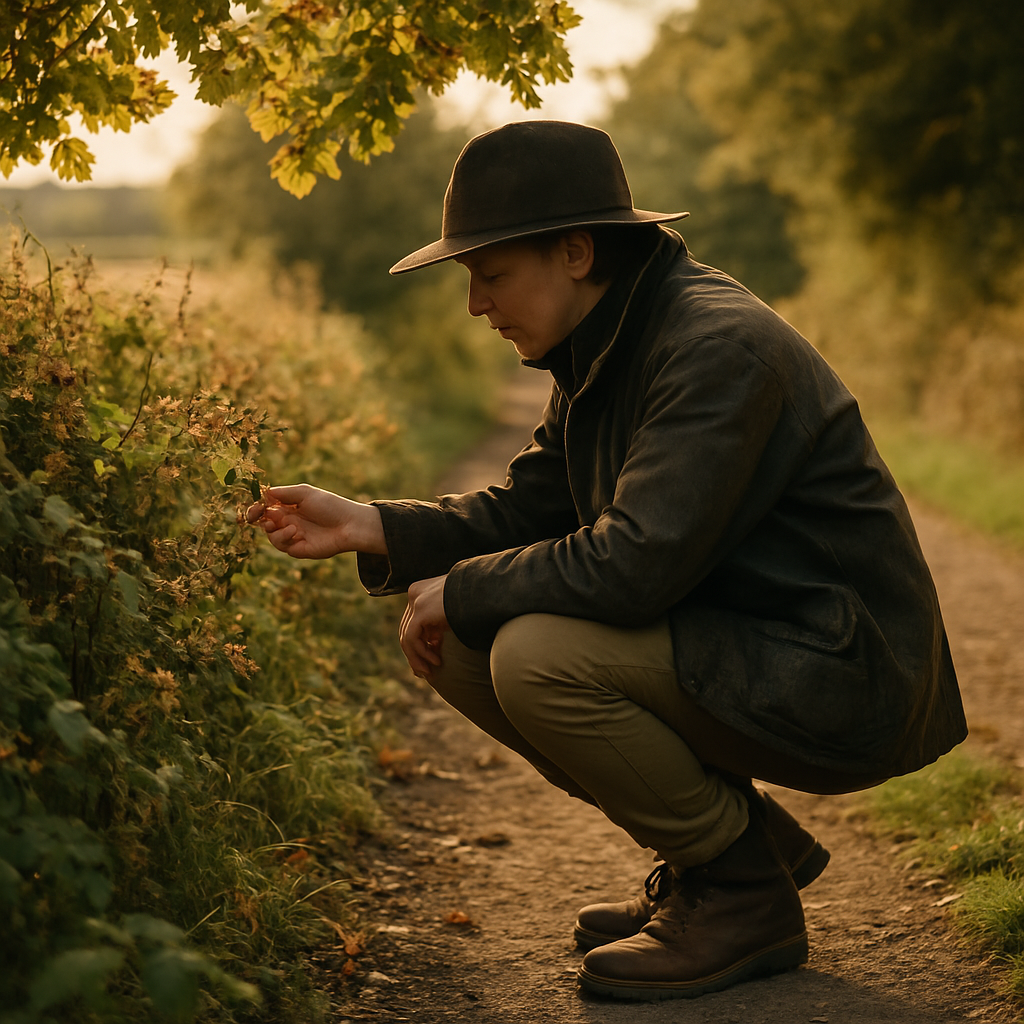
Is Foraging Legal in the UK?
Yes, foraging is legal in the UK, but it comes with some important limits. Under the Theft Act 1968, picking wild plants, fungi, and fruit for personal use (not for sale) is generally permitted on public land. The key phrase there is “for personal use.” The moment you start selling foraged goods without the right permissions, you move into different legal territory entirely.
There are also site-specific rules to be aware of. Many National Nature Reserves, Sites of Special Scientific Interest (SSSIs), and some National Trust properties restrict or ban foraging to protect ecosystems. Always check the rules for the specific location before you go. On common land and most public rights of way, the general principle holds: pick for personal use, leave the roots, take only what you need, and do not disturb the habitat around what you are picking.
One rule applies universally: it is illegal to uproot any wild plant without the landowner’s permission. Uprooting is distinct from picking the above-ground parts. So picking mushrooms by twisting them free at the base, or cutting wild garlic leaves without pulling the bulb, keeps you on the right side of the law.
What to Forage and When: A Seasonal Guide
Foraging is inherently seasonal, and that is part of what makes it feel connected to the natural world. Here is a rough breakdown of what to look for across the year in the UK.
Spring (March to May)
Spring is arguably the most exciting time for foraging for beginners UK-wide. Wild garlic floods woodland floors from late March, particularly in damp, shaded areas across Wales, the Lake District, and along many southern woodland trails. The broad, bright green leaves are unmistakeable when you crush them between your fingers because the garlic smell is immediate and strong. Avoid anything without that smell; lily of the valley grows in similar habitats and is highly toxic. Three-cornered leek is another spring find, common along roadsides and hedgerows, especially in the south-west of England.
Summer (June to August)
Elderflower heads are everywhere from late May into June. They are hard to miss on elder trees along hedgerows, and the creamy-white clusters carry a floral, honeyed scent. Elderflower cordial, champagne, or simply adding the heads to fritters are classics for good reason. Later in summer, look for wood sorrel in shaded areas and rosehips starting to colour up by August. Bilberries, smaller and sharper than their cultivated cousins, can be found across moorland and upland heath, particularly across the Pennines, the Peak District, and Scottish hillsides.
Autumn (September to November)
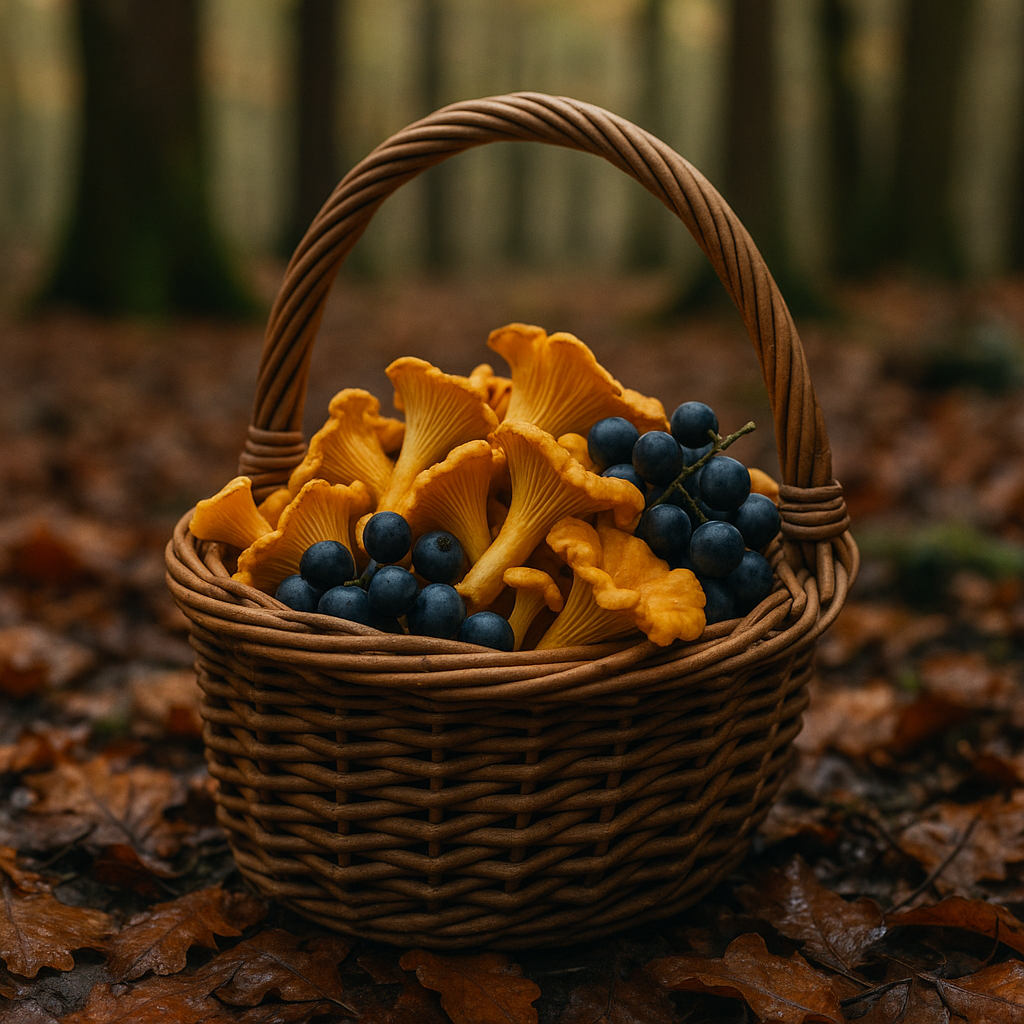
Autumn is peak season. Blackberries need no introduction; they are probably what most people think of first when foraging for beginners UK comes up. They are abundant along field margins, country lanes, and trail edges from late August through October. Sloe berries on blackthorn bushes are ready from September and are bitteringly astringent raw but make fantastic sloe gin after a frost or two in the freezer. Hazelnuts ripen from September onwards and are worth gathering before the squirrels beat you to them.
Fungi really come into their own in autumn. Giant puffballs appear in fields and woodland edges, sometimes the size of a football, and are safe to eat when pure white all the way through inside. Chanterelles are golden, frill-capped fungi found under beech and oak across much of Britain, with a fruity, peppery smell. Hedgehog mushrooms are another reliable find, identifiable by the pale spines underneath the cap rather than gills.
Winter (December to February)
Pickings are slimmer, but not zero. Wood blewit mushrooms can appear into early winter. Hawthorn berries persist on hedgerows well into December. And if you know where to look, chickweed and hairy bittercress continue growing in sheltered spots year-round, useful as peppery salad additions.
The Fungi Question: Proceed Carefully
Fungi deserve their own section because the stakes are higher. The UK is home to several deadly species, most notably the death cap and the destroying angel, both of which look superficially similar to edible varieties to the untrained eye. Never eat a mushroom you have not positively identified using at least two separate features: cap colour, gill colour and attachment, stem characteristics, smell, spore print, and habitat. A single definitive field guide is not enough on its own; cross-reference, and ideally go out with an experienced forager first.
The Foraging Course Company and various county-based wild food groups run guided fungus walks across the UK from September onwards. Spending a morning with someone who genuinely knows their Amanitas from their Agarics is worth more than a bookshelf of guides. The BBC has reported on foraging accidents related to misidentified fungi, and while serious cases remain rare, they are entirely preventable with proper preparation.
Kit and Common Sense
You do not need a great deal to get started. A shallow wicker basket lets air circulate around fragile fungi better than a plastic bag, which can turn everything into a sweaty mulch before you get home. A small folding knife is useful for cleanly harvesting stems. Carry a good field guide specific to the UK; Food for Free by Richard Mabey remains the gold standard, in print since 1972. Wear sturdy boots and keep to marked paths where possible, especially in areas where ground disturbance can damage delicate habitats.
The golden rules worth repeating: only pick what you can identify with complete confidence, take only what you will actually use, never strip a patch bare, replace fungi caps stem-down to help spore dispersal, and wash everything thoroughly before eating. Foraging should leave no trace beyond a lighter load on the hedgerow.
Where to Go for Your First Forage
Almost any rural trail in the UK offers something, but a few types of habitat are particularly productive. Deciduous mixed woodland edges in autumn are outstanding for both fungi and berries. Coastal footpaths across Cornwall, Wales, and Northumberland are rich in sea beet, rock samphire, and sea purslane from summer onwards. Upland moorland in the Peak District or Brecon Beacons is ideal for bilberries in late summer.
Start somewhere familiar. A stretch of trail you walk regularly becomes a completely different experience once you are looking at it through foraging eyes. That hedgerow you pass every Saturday morning in September is probably loaded with sloes and crab apples if you slow down long enough to notice.
Foraging is one of those habits that quietly reshapes how you move through the countryside. Once you start seeing the landscape as edible, it is very hard to stop.
Frequently Asked Questions
Is foraging for beginners legal in the UK on public footpaths?
Yes, picking wild plants and fungi for personal use on public rights of way is generally legal under the Theft Act 1968. However, uprooting any plant without landowner permission is illegal, and some protected sites like National Nature Reserves may have specific restrictions, so always check local rules before you go.
What is the easiest thing to forage as a complete beginner in the UK?
Blackberries are the classic starting point as they are abundant, unmistakeable, and available across almost every region of the UK from late August. Wild garlic in spring woodlands is another brilliant beginner find because the smell alone confirms your identification.
When is the best season for foraging in the UK?
Autumn (September to November) is the richest season overall, particularly for fungi and berries like sloes and hazelnuts. Spring is excellent for wild garlic and elderflower, while summer brings bilberries and elderflower in full bloom. Each season offers something different.
Are there dangerous plants or mushrooms I should watch out for as a beginner?
Yes. The death cap and destroying angel mushrooms are deadly and can be confused with edible species by beginners. In spring, lily of the valley looks similar to wild garlic but is highly toxic; always crush a leaf and check for the garlic smell before picking. Never eat anything you cannot positively identify using multiple features.
Do I need a foraging licence in the UK?
There is no formal licence required for personal-use foraging on most public land in the UK. However, selling foraged produce commercially requires following food safety regulations, and foraging in certain protected areas or on private land without permission can be an offence. Joining a guided walk with a local foraging group is a good legal and educational first step.