
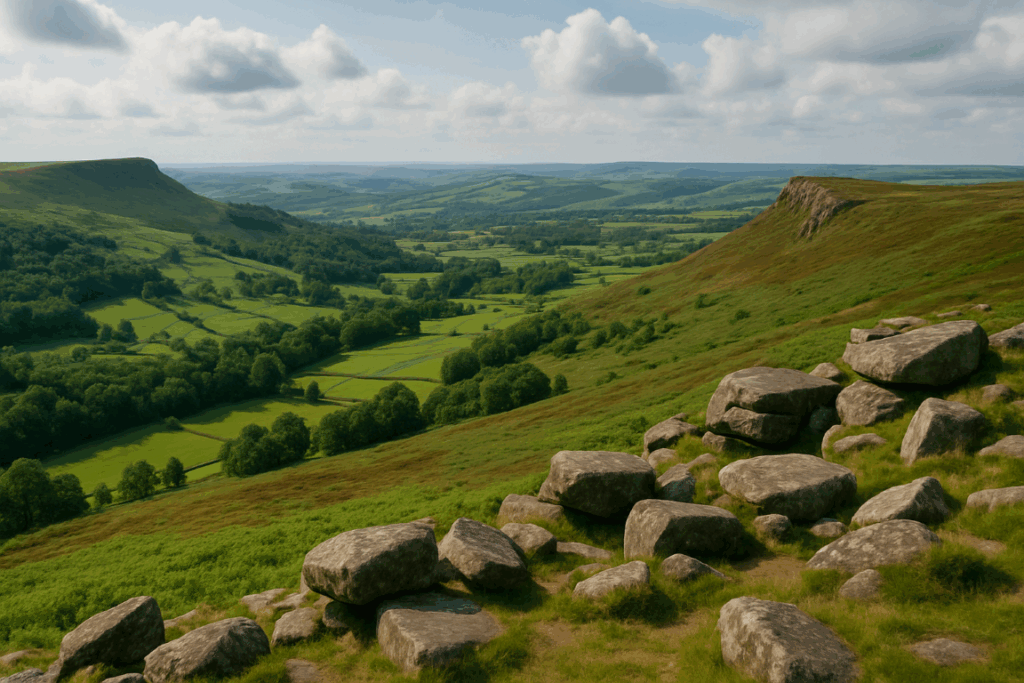
There is something quietly life-changing about standing on a Scottish summit for the first time. The wind, the view, the sense that you have earned every single metre of elevation. Munro bagging has drawn walkers to Scotland’s hills for well over a century, and every year thousands of people add their first tick to the official list. If you have been wondering where to start, this guide covers everything you need before you pull on your boots.
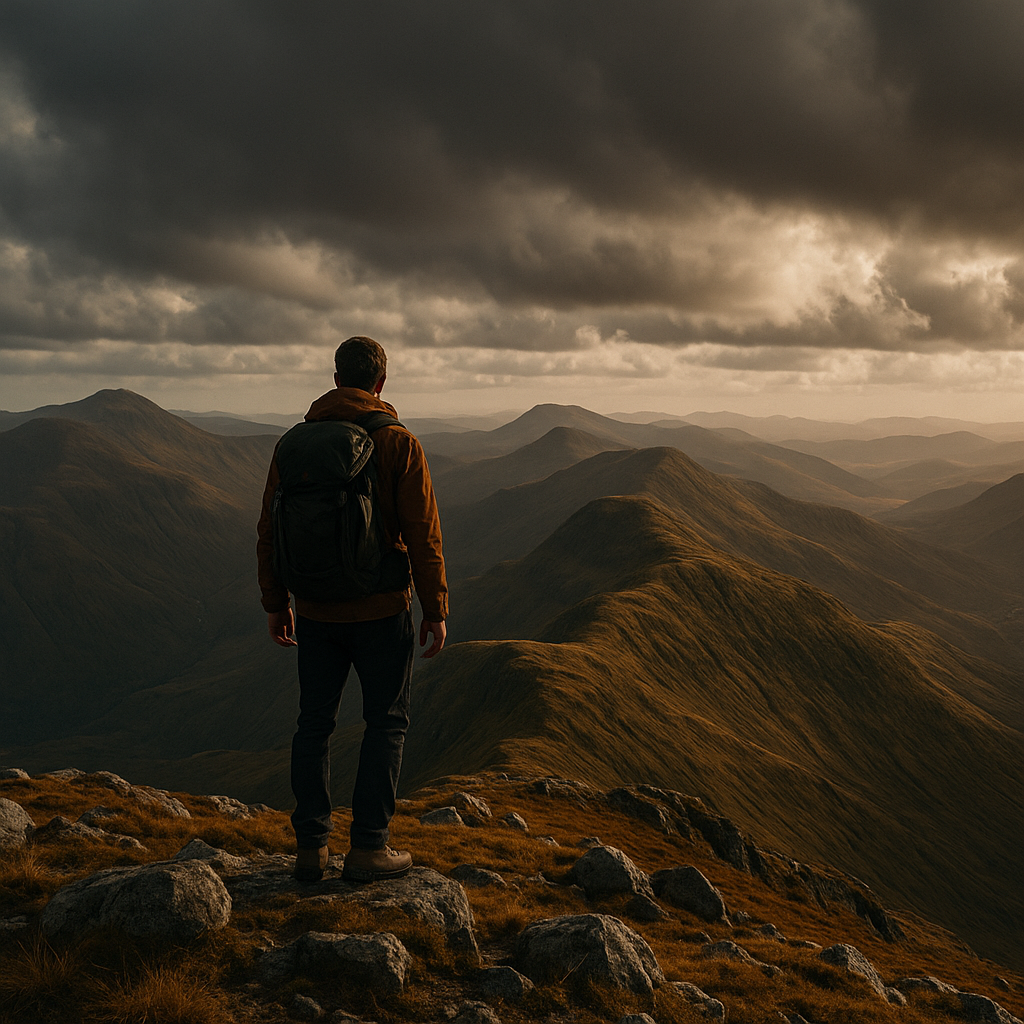
What Actually Qualifies as a Munro?
A Munro is any Scottish mountain with a summit height of 914 metres (3,000 feet) or above. The list was first compiled by Sir Hugh Munro in 1891 and published by the Scottish Mountaineering Club, which still maintains the official record today. The current count sits at 282 Munros, though the number has shifted over the years as surveying technology improved and the committee reviewed certain summits.
It is worth knowing the distinction between a Munro and a Munro Top. A Top is a subsidiary summit over 914 metres that is connected to a higher Munro but does not have enough topographic separation to be classed as a mountain in its own right. Many people complete just the 282 Munros. Some go further and bag the Tops as well. For beginners, focus on the main list first.
Why Munro Bagging Matters: The Culture Behind the Challenge
Munro bagging is not just a personal fitness goal. It is a community. The Scottish Mountaineering Club keeps an official register of Compleaters (those who have summited all 282), and being added to that list carries genuine weight among hillwalkers. Around 7,500 people have completed the full round since records began, and each one remembers their last summit with striking clarity.
Beyond the personal achievement, Munro bagging pulls you into Scotland’s wild landscape repeatedly, across every season. You learn how a hill behaves in January fog versus August sunshine. You learn your own limits. That gradual accumulation of mountain experience is part of what makes the pursuit so rewarding.
The Best Munros for Beginners: Where to Start
Choosing your first Munro well makes a real difference to your confidence. These are four excellent starting points, each offering a manageable route without technical scrambling.
Ben Lomond, Loch Lomondside
At 974 metres, Ben Lomond is the most southerly Munro and one of the most accessible from central Scotland. The tourist path from Rowardennan is well-maintained and clearly signed throughout. Return distance is roughly 11 kilometres with around 870 metres of ascent. Expect a full day out, but nothing that requires specialist kit.
Schiehallion, Perthshire
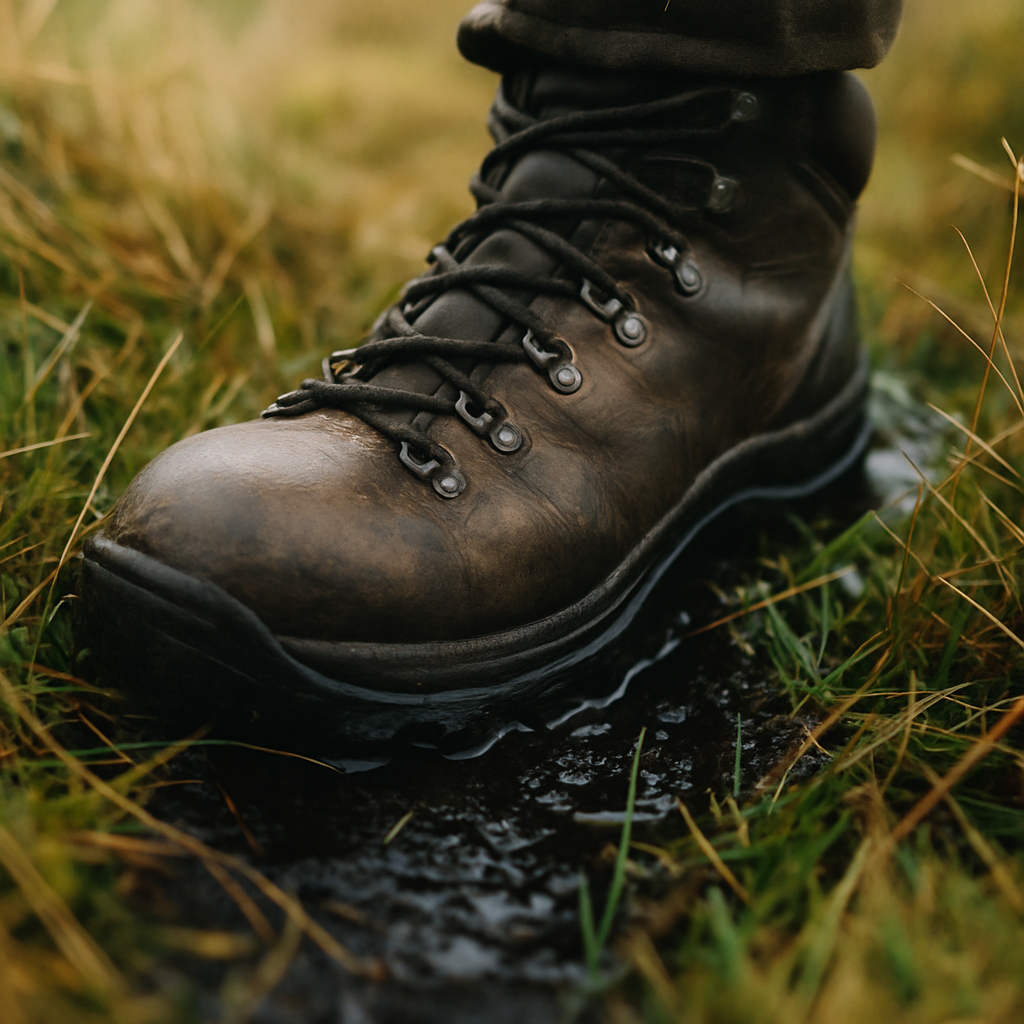
Schiehallion’s distinctive conical shape makes it immediately recognisable, and the eastern ridge route from Braes of Foss car park is straightforward in decent weather. At 1,083 metres, the summit offers panoramic views across Rannoch Moor. The path can be boggy in places, so waterproof boots are non-negotiable.
The Cobbler (Ben Arthur), Arrochar Alps
Technically The Cobbler does not qualify as a Munro, sitting at 884 metres, but it is frequently recommended as a training hill before your first proper summit. It builds confidence, teaches route-reading, and the scramble to the true summit is a brilliant introduction to exposed terrain.
Cairn Gorm, Cairngorms National Park
The funicular railway at CairnGorm Mountain gives less experienced walkers a head start, though purists will prefer to ascend on foot from Coire Cas. At 1,245 metres it is one of Scotland’s highest peaks, but the plateau approach from the ski centre is relatively straightforward in summer conditions.
Planning Your First Munro: Logistics That Matter
Good planning is the difference between a brilliant day out and a very cold, wet, miserable one. Here is what to sort before you go.
Maps and Navigation
Download Ordnance Survey maps for your route via the OS Maps app, and carry a physical 1:25,000 paper backup. Scotland’s mountain weather changes fast. Do not rely solely on a mobile signal that may not exist above 600 metres.
Weather
Check the Mountain Weather Information Service (MWIS) forecast specific to your range, not just the general Met Office outlook for the nearest town. Summit temperatures can sit 10°C or more below valley readings even in summer.
What to Carry
The basics: waterproof jacket and trousers, warm mid-layer, hat and gloves (even in July), food and at least 1.5 litres of water, first aid kit, head torch, whistle, and a fully charged mobile. A good pair of walking poles takes real pressure off the knees on descent, particularly on steep ground.
Getting There
Many Munro starting points are remote. Public transport options exist for some hills, but most walkers drive. If you are planning extended trips across the Highlands, a reliable 4WD vehicle helps enormously on single-track roads and rough car park surfaces. Owners of capable off-roaders often source quality components for Toyota 4x4s to keep their vehicles properly maintained for exactly this kind of terrain.
Recording Your Progress: The Official Munro List
Keeping track of completed Munros is part of the fun. Many walkers use a printed copy of the full list with dates and notes scribbled next to each summit. Others use dedicated apps like Walkhighlands or Munro Society trackers, which let you log each ascent with photos and notes.
When you eventually complete all 282, you can submit your Compleation to the Scottish Mountaineering Club for inclusion in the official register. You will need details of your final summit, the date, and a couple of supporting notes. The SMC publishes updated Compleater lists in their journal and online.
Respecting Scotland’s Mountains and the Environment
Scotland’s Land Reform (Scotland) Act 2003 gives walkers the right to access most land responsibly, under the Scottish Outdoor Access Code. With that freedom comes responsibility. Stick to the path where it exists to reduce erosion. Pack out everything you bring in. If you are wild camping near summits, choose a spot at least 30 metres from any water source and leave no trace of your visit. The mountains belong to everyone who comes after you.
Setting Realistic Expectations for Your Munro Bagging Journey
The 282 Munros span the entirety of the Scottish Highlands and Islands, from Arran in the south to the remote Fisherfield range in the north-west. A committed hillwalker completing one or two weekends of Munro walking per month might finish the full list in seven to ten years. Some do it in a continuous round in a single season. Most people fall somewhere in the middle, fitting it around work, family, and the unpredictable British weather.
The pace does not matter. What matters is that each summit feels earned. Start with accessible hills, build your fitness and navigation skills progressively, and let the list grow at its own rate. Scotland’s mountains are patient. They have been waiting for you long enough already.
Frequently Asked Questions
How many Munros are there in Scotland?
There are currently 282 Munros on the official list maintained by the Scottish Mountaineering Club. The number has changed slightly over the years as survey technology improved and the committee revised certain summits.
What is the easiest Munro for a complete beginner?
Ben Lomond in Loch Lomondside is widely considered the most beginner-friendly Munro, with a well-maintained tourist path and straightforward navigation. Schiehallion in Perthshire is another excellent first choice with a clear ridge route.
Do I need any special equipment to start Munro bagging?
You do not need technical climbing gear for most Munros, but waterproof clothing, sturdy ankle-supporting boots, a map and compass, food, and sufficient water are essential. A head torch and first aid kit should always be in your pack.
How do I record my completed Munros officially?
Many walkers track progress privately using apps like Walkhighlands or a printed list. Once you have climbed all 282, you can submit your Compleation to the Scottish Mountaineering Club for inclusion in their official register.
Is it safe to climb Munros alone as a beginner?
Solo hillwalking carries greater risk, particularly in poor weather or on unfamiliar terrain. If you are new to the hills, it is strongly advisable to go with a more experienced companion or join a hillwalking club until you have built solid navigation and mountain skills.