Tag: muddy countryside walks

  • How To Pack For A Muddy Walk In The British Countryside

    How To Pack For A Muddy Walk In The British Countryside

    There is something wonderfully grounding about a muddy walk in the British countryside. The squelch of the path, the smell of wet leaves, and the mist hanging in the fields all remind us that we belong outside, in all weathers. Getting your packing right means you can relax into the day instead of worrying about cold feet or a soaked rucksack.
    Why a muddy walk in the British countryside feels so good

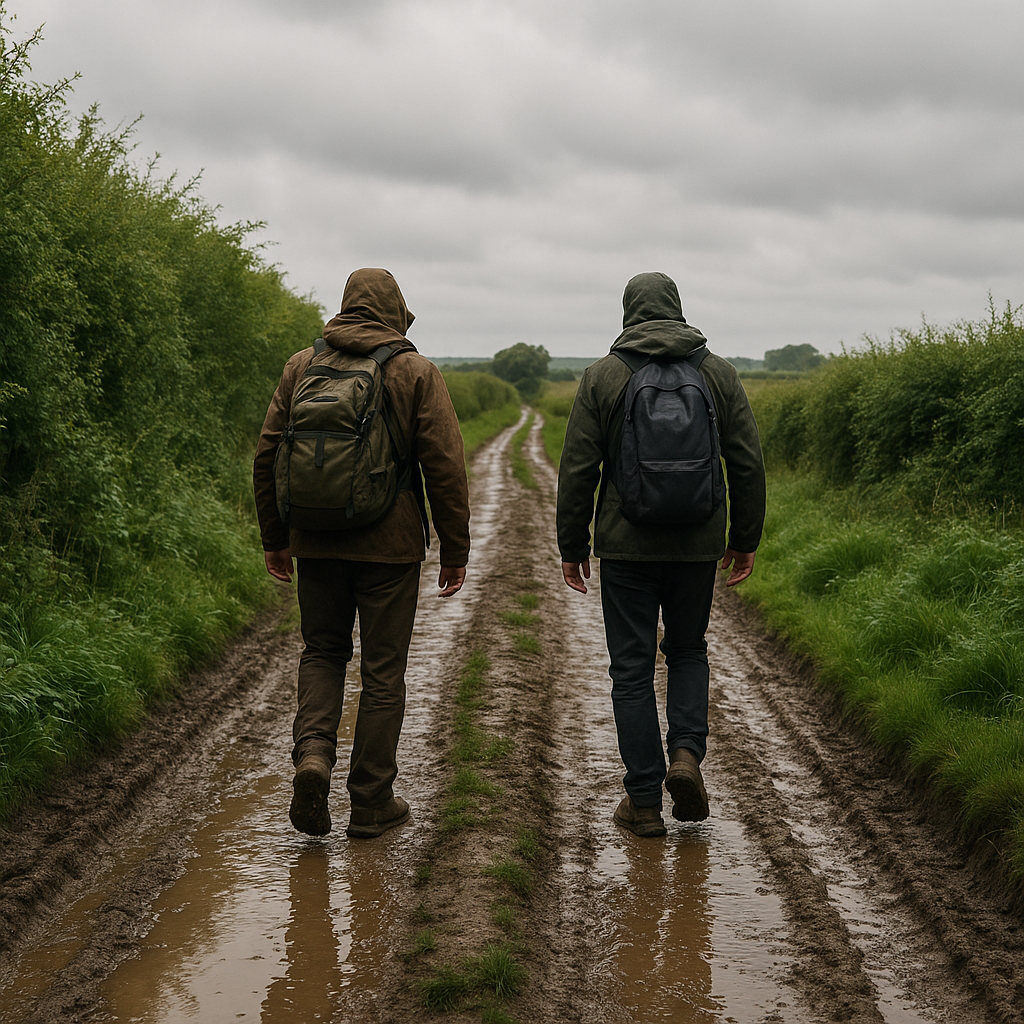
    Mud can feel like a nuisance when you are scraping it off boots, but it is also a sign of living landscapes. Wet ground means healthy soils, busy worms and thriving plant life. When you lean into the mess of a muddy walk in the British countryside, you give yourself permission to slow down, notice birdsong, and feel the textures of the trail under your feet.

    Many of us spend our week indoors, moving from one dry, controlled space to another. A few hours sliding around on a bridleway or splashing through puddles is a simple reset for the mind. Packing well is not about chasing perfection – it is about removing small worries so you can enjoy the weather exactly as it is.

    Clothing layers that keep you comfortable

    Start with a breathable base layer next to your skin. Cotton holds water, so choose a quick drying fabric that will not stay clammy if you sweat or get caught in a shower. Add a warm mid layer like a fleece or wool jumper, then finish with a waterproof shell that has a decent hood and cuffs you can tighten against the wind.

    For your legs, go for walking trousers that dry quickly rather than heavy denim. On truly filthy days, waterproof overtrousers are worth their weight in gold. They keep the worst of the spray off and help trap warmth, especially if you are stopping often to take photos or enjoy the view.

    Hands and head matter more than people think. A thin pair of gloves and a simple beanie make all the difference when the breeze picks up on an exposed lane or hill.

    Footwear and socks for serious mud

    Footwear can make or break any muddy walk in the British countryside. Look for boots with good ankle support and a chunky, grippy sole that can bite into wet grass and churned tracks. Waterproofing helps, but even the best boots will eventually wet out if you are wading through deep puddles, so think in layers.

    Wear proper walking socks that cushion your heel and wick moisture away. Many walkers like to pack a spare pair in a dry bag, ready for the halfway point or the pub at the end. Changing into dry socks is a small luxury that can transform how you feel on the journey home.

    If you prefer wellies for shorter, low level routes, pair them with thick socks and make sure they fit snugly around your calves so they do not rub.

    What to pack in your day pack

    Your rucksack does not need to be huge, but it should be comfortable and have a simple rain cover. Pack the heaviest items closest to your back so the load feels stable on uneven ground.

    • Water in a sturdy bottle
    • Hot drink in a flask for cold days
    • Snacks that will not crumble – nuts, oat bars, cheese, apples
    • A lightweight sit mat or bin bag so you can rest on damp ground
    • Small first aid kit and blister plasters
    • Map and compass for longer or unfamiliar routes
    • Spare socks and a thin extra layer in a dry bag

    It is also worth tucking in a simple tote or stuff sack for muddy kit at the end. That way, wet gloves or a filthy hat do not have to touch anything else.

    Keeping your kit dry and organised

    Plastic food bags or lightweight dry bags are brilliant for organisation. One for spare clothes, one for snacks, one for essentials like keys and wallet. If everything has its place, you will not be rummaging with cold fingers on a windswept track.
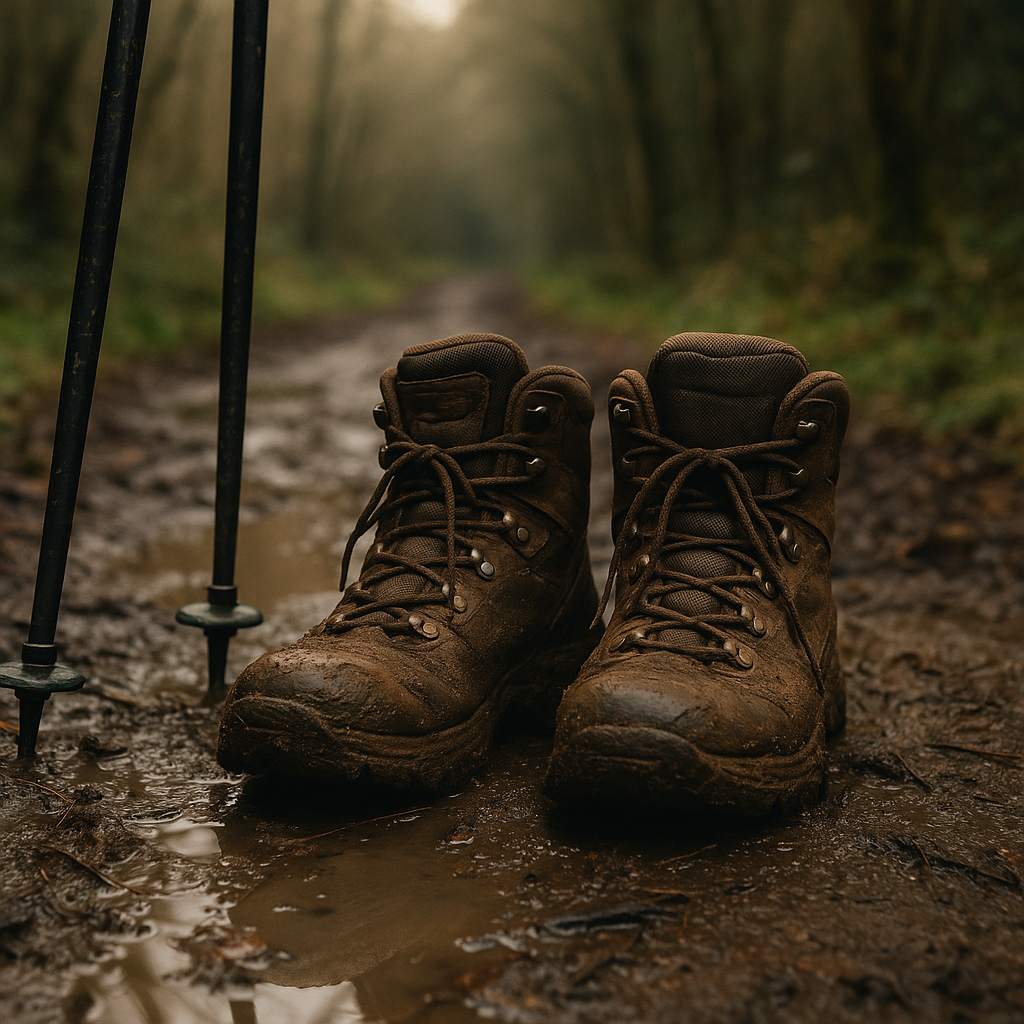
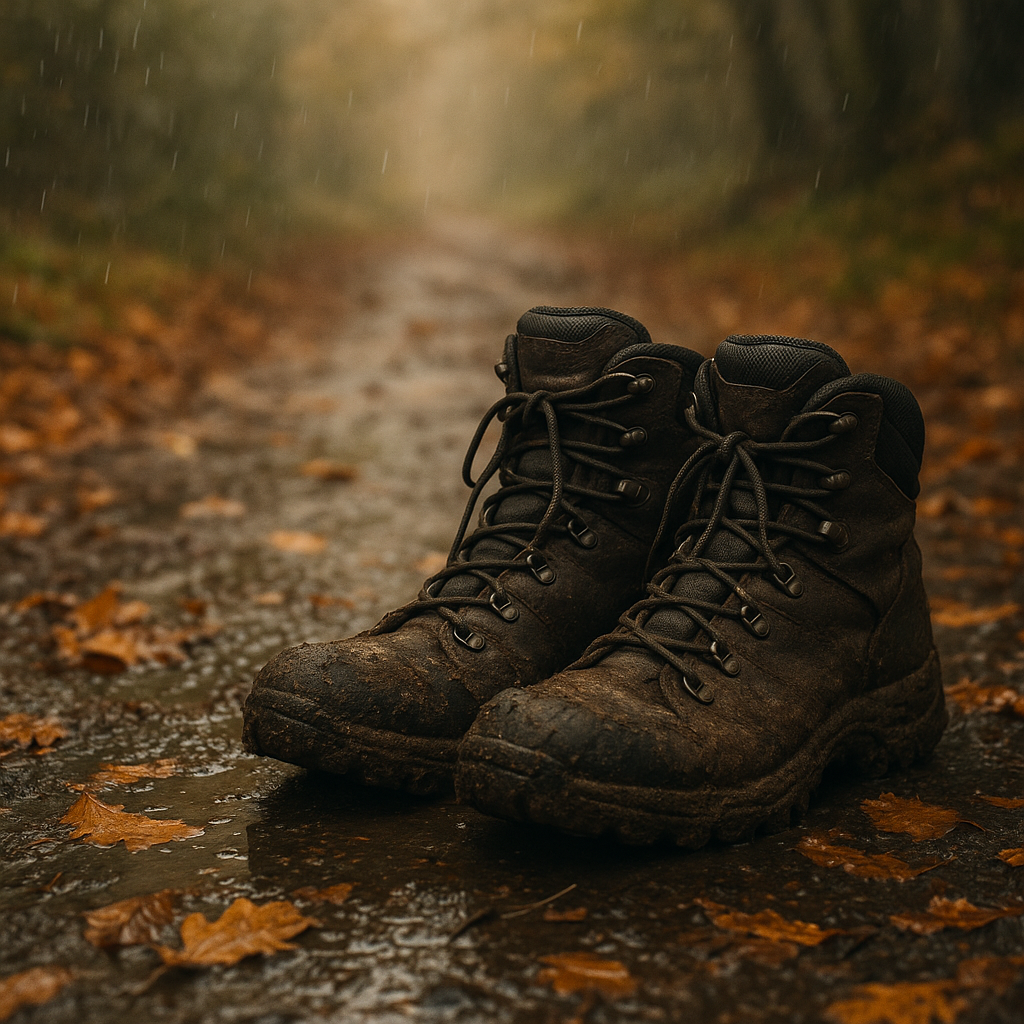
    Muddy hiking boots on a forest path during a muddy walk in the British countryside
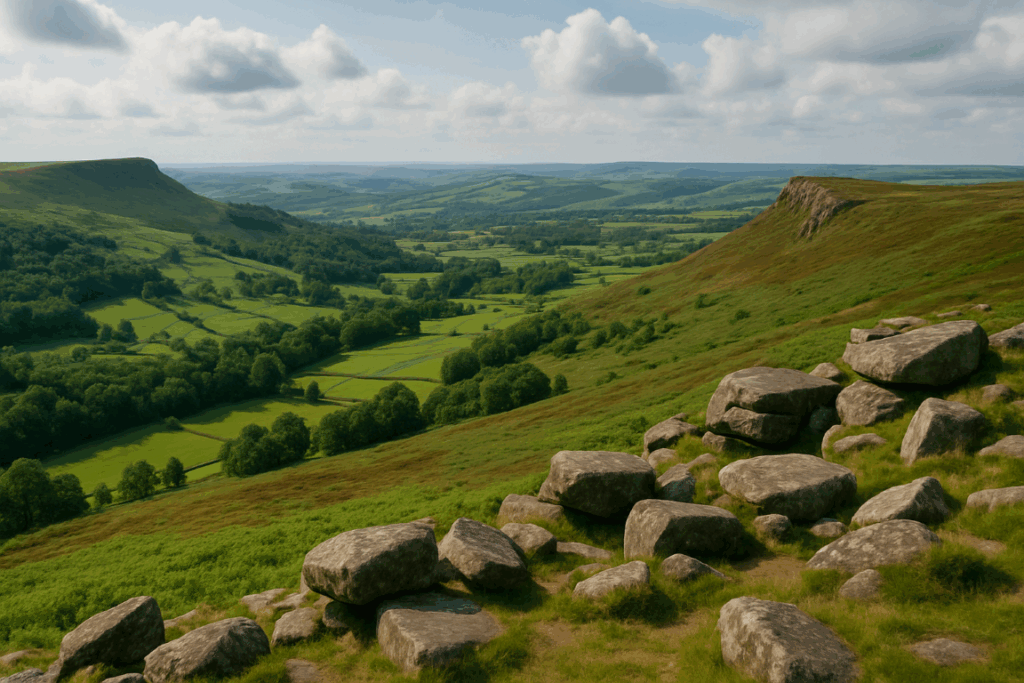
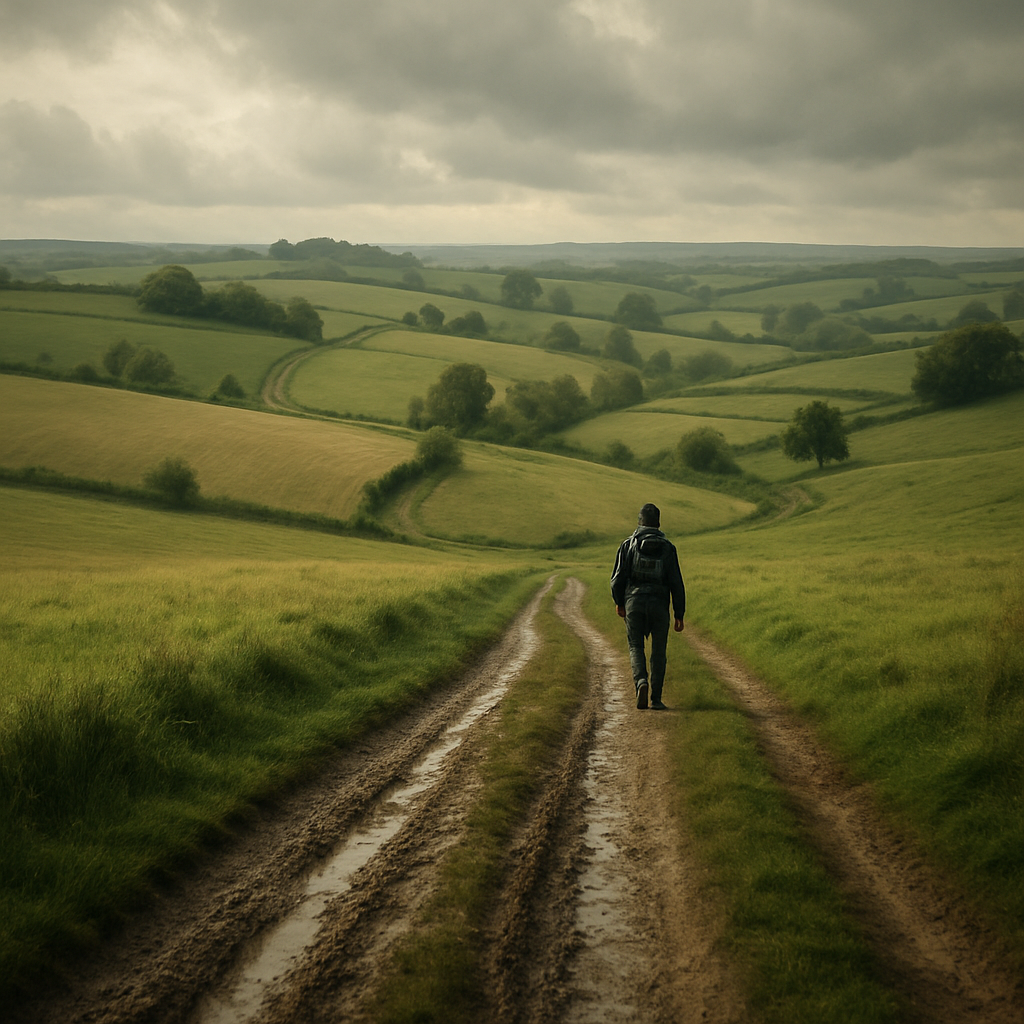
    Rolling fields and muddy paths setting the scene for a muddy walk in the British countryside

    Muddy walk in the British countryside FAQs

    What should I wear on a muddy walk in the British countryside?

    Wear a breathable base layer, a warm mid layer and a waterproof outer shell. Choose quick drying walking trousers and sturdy boots with good grip. Add a hat and light gloves so you can stay warm when the wind picks up or you stop for a break.

    How can I keep my feet dry on a muddy countryside walk?

    Pick waterproof walking boots with solid tread and pair them with proper walking socks that wick moisture away. Avoid cotton socks, which stay damp. Packing a spare pair of socks in a small dry bag means you can change if your feet do get wet.

    What essentials should I pack for a muddy walk in the British countryside?

    Pack water, a hot drink, snacks, a small first aid kit, map and compass, spare socks, and an extra layer in a waterproof bag. A simple sit mat, tissues and a bag for muddy kit at the end of the walk are also useful for staying comfortable and organised.
  • Beginner’s Guide to Hiking in the UK Without Losing Your Nerve

    Beginner’s Guide to Hiking in the UK Without Losing Your Nerve

    If you feel drawn to hills and muddy paths but do not quite know where to start, this beginner’s guide to hiking in the UK is for you. You do not need to be super fit, own expensive gear or move to the mountains. You just need a bit of planning, realistic expectations and a willingness to get your boots dirty.

    Why hiking is for more people than you think

    Many people imagine hiking as epic ridges and huge backpacks. In reality, most days out are gentle rambles, short hill walks and coastal paths. Hiking is simply walking with purpose in natural places. If you can walk around town for an hour, you can start hiking – you just choose routes that match where you are now, not where you think you should be.

    Being outdoors works wonders for stress, sleep and mood. Mud on your boots and wind on your face can do more than any gym session on a treadmill. Think of hiking as time in nature first and exercise second.

    Choosing your first routes

    The most important step in any beginner’s guide to hiking in the UK is picking the right first walks. Start small and build up.

    Look for these features

    • Clear paths: National parks, country parks and popular beauty spots usually have well trodden trails.
    • Short distance: Aim for 3 to 6 km to begin with, or around 1 to 2 hours of easy walking.
    • Low ascent: Gentle hills rather than steep climbs. Canal paths, forest trails and coastal promenades are perfect.
    • Escape options: Loops that pass near roads, villages or car parks so you can cut it short if needed.

    Local nature reserves, riverside paths and waymarked trails are ideal. Famous mountains can wait. A relaxed loop through your nearest woodland still counts as hiking and builds the confidence you will need later.

    Fitness worries: starting where you are

    It is normal to worry about holding people up or not keeping pace. The answer is simple: match the hike to your current fitness, not your future ambitions.

    • Test your base: If a brisk 30 minute town walk leaves you puffed, start with flat countryside paths of a similar length.
    • Use time, not distance: Plan walks by hours on your feet. Begin with 1 hour, then 90 minutes, then 2 hours.
    • Take more breaks than you think: Short pauses to drink, snack and look around make a huge difference.

    Hiking fitness builds surprisingly quickly. After a few weekends, hills that once felt daunting begin to feel manageable.

    Basic kit that actually matters

    It is easy to be overwhelmed by gear adverts, but a simple beginner’s kit list is enough to get you outside.

    Essentials

    • Footwear: Comfortable walking boots or sturdy trainers with good grip. Waterproof boots are helpful in our famously soggy countryside.
    • Layers: A breathable base layer, a warm mid layer and a waterproof jacket. Layers let you adapt to changing weather.
    • Small backpack: Big enough for water, snacks, spare layer, hat, gloves and a basic first aid kit.
    • Water and food: More than you think you will need. Nuts, sandwiches, fruit and flapjacks all travel well.

    Nice to have, not essential

    • Walking poles for balance on hills and muddy descents.
    • Gaiters to keep mud and water out of your boots.
    • A sit mat or bin bag to keep your bum dry during breaks.

    Ignore anything that sounds overly technical or promises to transform your performance. Comfort, warmth and dry feet matter far more than fancy labels.

    Staying safe on the trail

    Safety is about common sense and preparation. Tell someone where you are going and when you expect to be back. Check the weather forecast and avoid exposed hills in storms, high winds or thick fog. Stick to marked paths until you gain more experience, especially in remote areas.

    Carry a simple first aid kit, a small torch, a paper map of the area and a fully charged phone. Learn the basics of reading the map so you can match features like rivers, forests and hills to what you see around you. If you are unsure, turn back. The hill will be there another day.

    Muddy walking boots on a damp woodland path illustrating a beginner’s guide to hiking in the UK
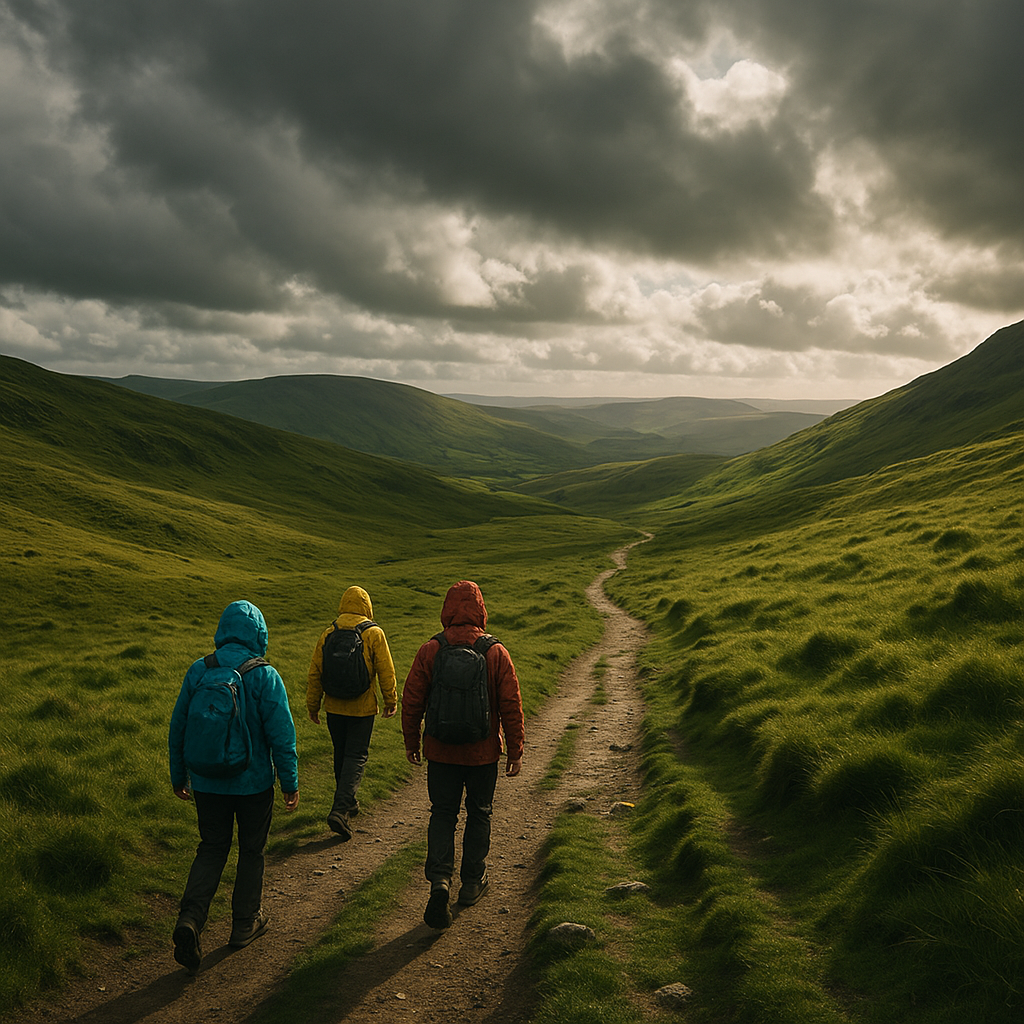
    Small group of new walkers following an easy hill path as part of a beginner’s guide to hiking in the UK

    Beginner’s guide to hiking in the UK FAQs

    How fit do I need to be to start hiking in the UK?

    You do not need to be especially fit to start hiking. If you can manage a steady hour’s walk on pavements, you can begin with short, flat countryside routes and build up gradually. Focus on time on your feet rather than distance, take plenty of breaks and listen to your body. Over a few weeks of regular walks, your stamina will naturally improve.

    What should I wear on my first easy hike?

    Wear comfortable clothes you can move in, ideally in layers so you can add or remove warmth as the weather changes. A breathable top, a fleece or jumper and a waterproof jacket work well. On your feet, choose walking boots or sturdy trainers with good grip. Avoid heavy cotton that stays damp, and pack a spare warm layer, hat and gloves just in case.

    Is it safe to hike alone as a beginner?

    It can be safe to hike alone if you choose simple, well used routes and prepare properly. Start with short walks in local country parks or popular trails, tell someone exactly where you are going, and agree a time to check in afterwards. Carry a map, basic first aid kit, water, food and a fully charged phone. As your confidence and navigation skills grow, you can gradually explore more remote paths.