
There is something almost indescribably good about earning a swim. You pick your route, you climb, you sweat, your boots fill with that familiar damp, and then you round a corner and there it is: cold, clear water sitting in a valley like it has been waiting for you. Wild swimming in the Lake District has become genuinely popular over the last few years, and honestly, it deserves every bit of the attention. Few places in England give you this combination of dramatic fells, quiet tarns, and river pools that feel entirely off the beaten track, even when they are not.
This guide is for hikers who want to fold a swim into their day. Not beach-bag tourists. People who have already got their boots on and want to know which routes give the best payoff in the water.
Why the Lake District Works So Well for Wild Swimming
The Lakeland geography does most of the hard work for you. The fells funnel water down into long valleys and high-altitude tarns, and the rock beneath your feet is largely slate and granite, which means the water stays genuinely clear. Unlike lowland rivers, you are not fighting agricultural runoff on most routes here. That said, the Environment Agency does monitor water quality across Cumbrian rivers and lakes, so it is always worth checking before you go if there has been heavy rainfall or any reported pollution events.
The other thing the Lakes has going for it is scale. You can pair an ambitious summit with a high tarn swim, or you can keep it flat and gentle with a river dip after a valley walk. Both are valid. Both are brilliant.
The Best Wild Swimming Lake District Spots Worth Hiking To
Wastwater
England’s deepest lake, and one of its most dramatic. The screes tumble directly into the water on the southern shore, and there is a particular spot near the head of the lake, beyond the campsite, where you can slip in off a flat shelf of rock with the Wasdale fells sitting right above you. The water is cold even in August. Pair this with the Wasdale Head circuit for a full day out.
Angle Tarn, above Patterdale
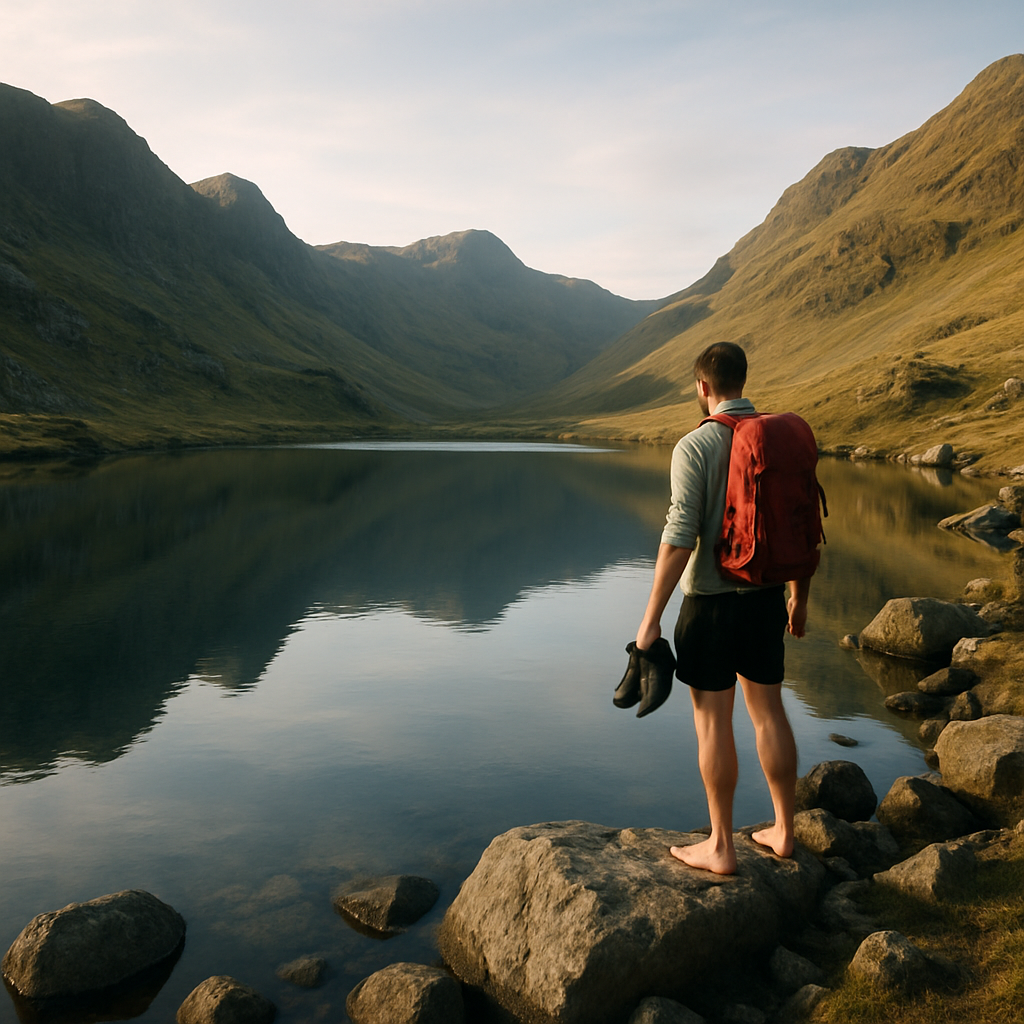
This one has to be earned. You are looking at around 400 metres of climbing from Patterdale up through Boredale Hause and then across to the tarn. But Angle Tarn is one of those places that stops you mid-stride. It sits in a natural bowl, surrounded by rough moorland, and when the weather is still the reflections are extraordinary. The tarn is shallow near the edges and drops away quickly, so wade in slowly. Best visited on a weekday in June or early September when the crowds thin out.
Loughrigg Tarn
The gentlest option on this list, and none the worse for it. Loughrigg Tarn sits just below Loughrigg Fell near Ambleside, and the circular fell walk above it is one of the best short routes in the Lakes. The tarn is open and accessible, with soft grassy banks. It is shallow enough to warm up a little in July and August, which is a genuine rarity in Cumbria. Good for those who are newer to cold water.
Swindale Beck, near Shap
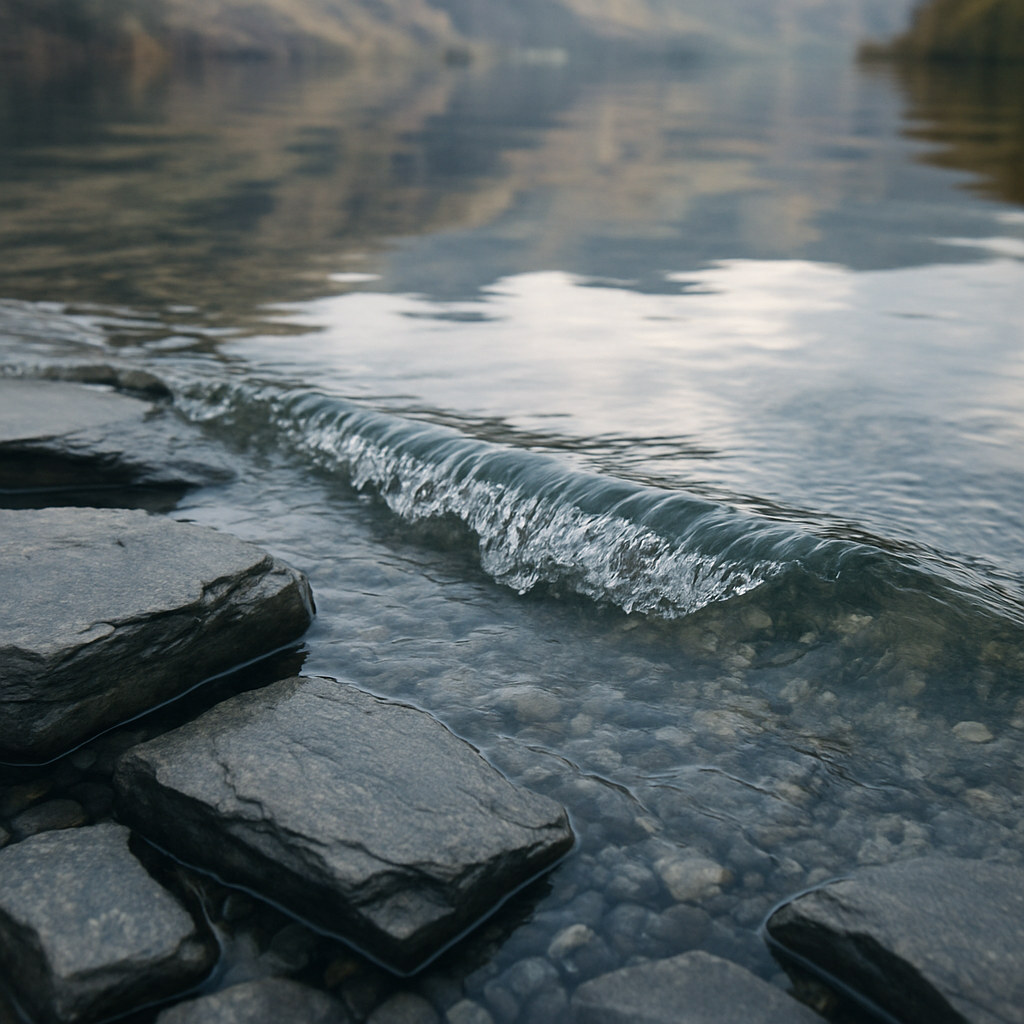
Less talked about than the central Lakes locations, Swindale is a quiet valley that feels genuinely remote. The beck runs through a series of pools and small cascades, and there are several spots where you can slide into waist-deep water and sit with the current moving around you. The RSPB has been doing habitat restoration work in this valley, so it has a lovely wildness to it. Combine with a walk up onto Wet Sleddale and you have a full half-day.
Crummock Water
Crummock is often overlooked in favour of Buttermere next door, which suits those who know it just fine. The northern shore is quiet, and there is a stretch near Scale Force path where the shingle gives way to flat rock and you can get in without fighting through reeds. The backdrop looking south towards Rannerdale Knotts is as good as anything in the Lakes. I have never swum here and felt anything other than completely alive.
Water Safety for Hikers Getting Into Wild Swimming
Wild swimming in the Lake District is overwhelmingly safe if you go in with your head on. A few things worth keeping in your kit bag mentally.
Cold water shock is real. Even on a warm August afternoon, Lakeland water rarely gets above 15 or 16 degrees Celsius. Enter slowly, control your breathing, and do not jump in unless you absolutely know the depth. The intake of breath triggered by cold shock has contributed to drowning incidents in rivers and lakes across the UK, so treat it seriously rather than dismissing it.
Currents in becks and rivers after rain are much stronger than they look. If there has been significant rainfall in the previous 48 hours, tarns are generally safer than moving water. Read the landscape before you commit.
Tell someone where you are going, and swim with a friend where possible. A tow float is cheap and makes you visible to any boats on the larger lakes. Neoprene gloves and socks make a significant difference to how long you can comfortably stay in, especially outside the summer months.
Best Times of Year for Wild Swimming in the Lake District
June through to early September gives you the warmest water and the longest evenings. July and August are peak season, so if you want solitude, aim for weekday mornings or push into spots that require a proper hike to reach. Late May can be brilliant if the winter has been mild, and early September often gives you the best of everything: warm water from the summer, cooler air, and noticeably fewer people.
October and beyond is for cold water enthusiasts only, though there is a growing community of year-round swimmers in the Lakes who would argue that the winter light on Crummock or Buttermere makes the discomfort entirely worthwhile. They are probably right.
Kit Worth Bringing for a Hike and Swim Combo
You do not need to overpack, but a few additions make the whole thing far more enjoyable. A lightweight dry bag for your change of clothes is non-negotiable. A microfibre towel takes up almost no space and dries quickly when tied to the outside of your pack. A pair of neoprene water shoes protects your feet on rocky lake beds and dries fast. And honestly, a flask of something hot for immediately after the swim might be the best decision you make all day.
The Lake District is a landscape that rewards slowness. Wild swimming in the Lake District is really just another version of that: you stop, you get in the water, and you pay attention to where you are. It is hard to think of a better argument for getting out the door.
Frequently Asked Questions
Is wild swimming legal in the Lake District?
Yes, wild swimming is generally legal in the Lake District as there is a long-standing tradition of open access to lakes and tarns in England under the Countryside and Rights of Way Act 2000. However, some privately owned stretches of river may have restrictions, so it is worth checking locally if you are unsure.
What is the water temperature like for wild swimming in the Lake District?
Lakeland water typically ranges from around 4 to 5 degrees Celsius in winter up to roughly 15 to 16 degrees Celsius at peak summer in July and August. Even at its warmest, the water feels distinctly cold compared to most indoor pools, so acclimatising gradually is important.
What are the easiest wild swimming spots in the Lake District for beginners?
Loughrigg Tarn near Ambleside is widely considered one of the most beginner-friendly spots, with shallow, sheltered water and easy access. Buttermere also has calm, accessible entry points along its northern shore and is ideal for those new to open water swimming.
Do I need any special equipment for wild swimming in the Lake District?
A dry bag for clothing, a microfibre towel, and a tow float for visibility on larger lakes are the essentials. Neoprene gloves and socks extend your comfortable time in the water considerably, especially outside peak summer months. A wetsuit is optional but recommended for longer swims or autumn and winter visits.
When is the best time to visit the Lake District for wild swimming?
Late June through to early September offers the warmest water temperatures and the most daylight. For fewer crowds, aim for weekday mornings or choose spots that require a hike to reach. Early September is a particularly good window, with warm water, cooler air, and noticeably quieter paths.