
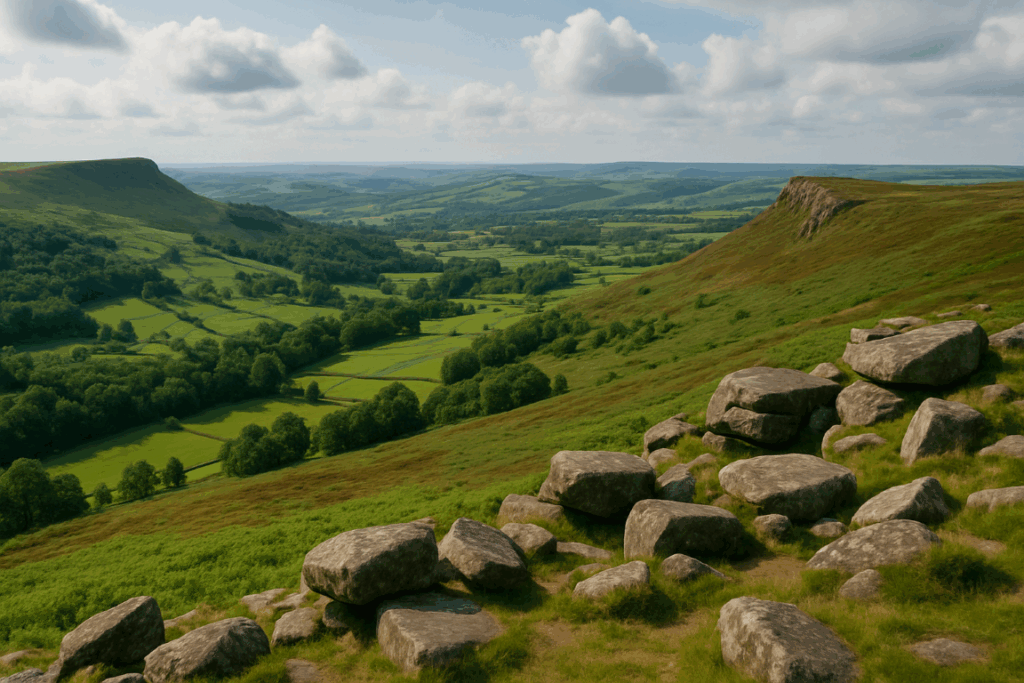
Long days outside are one of the best things in life, but country walk safety is easy to forget when the views are good and the path feels peaceful. Old barns, sheds and forgotten farmyards can look harmless or even charming, yet they sometimes hide risks that are worth knowing about before you wander too close.

Why country walk safety matters around old buildings
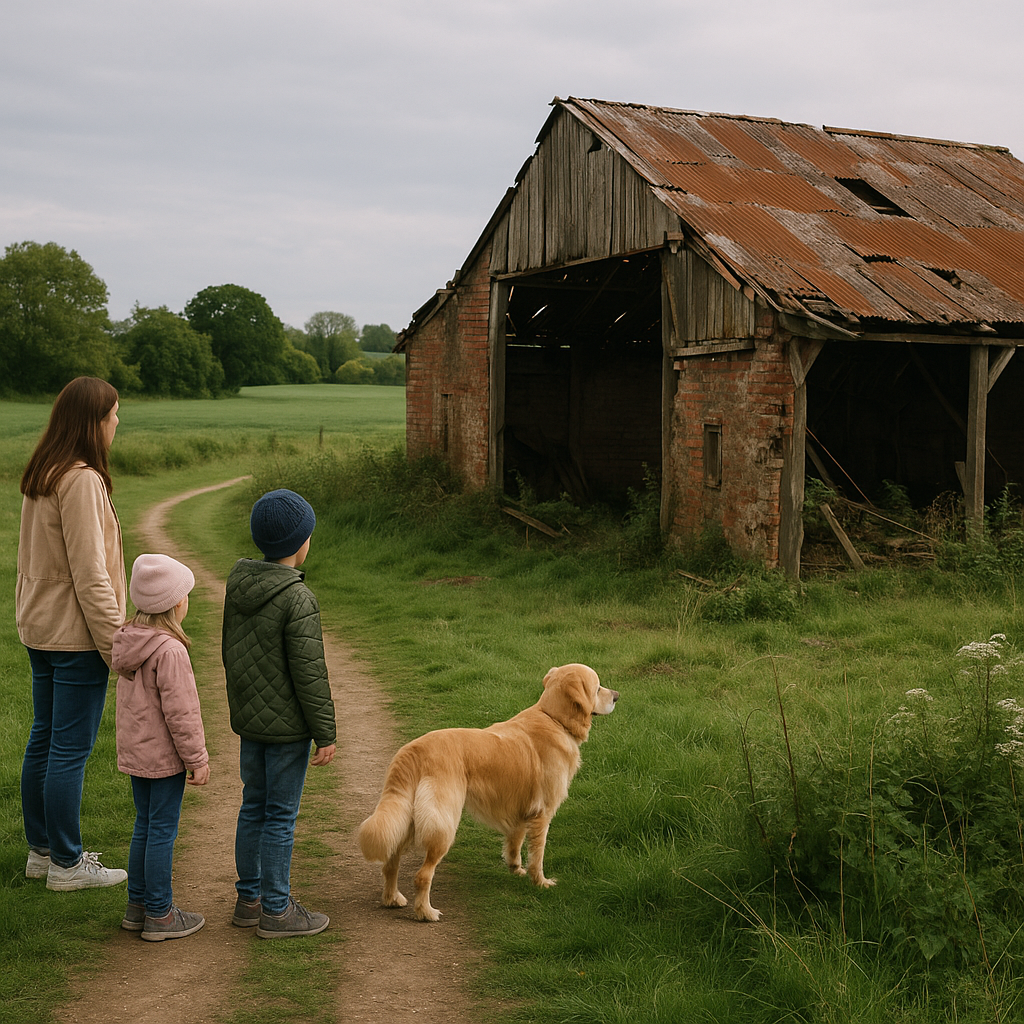
Across the UK, thousands of rural buildings are quietly falling into disrepair. Roofs sag, timber rots and metal rusts. Many of these places sit right beside popular footpaths and bridleways. They are part of the landscape we love, but they are not maintained as visitor attractions. That means loose materials, unstable walls and hidden drops are all possible.
Most of the time, nothing dramatic happens. You pass by, admire the stonework and move on. Problems start when curiosity pulls you inside, or when a shortcut takes you under a leaning wall or crumbling roof. A cautious approach lets you enjoy the scenery without putting yourself or your group at risk.
Spotting the warning signs on a country walk
Good country walk safety starts with learning to read the landscape. As you approach an old structure, pause and look for:
- Missing roof tiles or sheets, especially if others look loose or bowed
- Walls that lean or show wide cracks in the stone or brick
- Rusty metal sheets flapping or lifting in the wind
- Floors that look uneven, soft or partly collapsed
- Overgrown entrances hiding holes, broken glass or sharp metal
If something feels unstable, it probably is. Treat every old building as private unless clearly signed as open to visitors. Even where public rights of way pass close by, that does not mean it is safe to explore inside.
Respecting nature while keeping yourself safe
Old rural buildings are often rich with wildlife. Barn owls, swallows, bats and insects all use these quiet spaces as shelter. Sound country walk safety goes hand in hand with caring for these creatures.
Try these simple habits:
- Stay outside and watch quietly rather than entering and disturbing nests or roosts
- Keep dogs on a lead near farmyards, lambing sheds and poultry areas
- Avoid shining bright torches into dark roof spaces where bats may be resting
- Stick to marked paths to protect wildflowers and ground-nesting birds
The less we intrude, the more likely it is that wildlife will continue to thrive in these forgotten corners of the countryside.
Hidden hazards in ageing farm buildings
Even when a structure looks solid, time and weather can create hazards that are not obvious from a distance. Rotten floorboards, uncovered wells, old slurry pits and sharp machinery parts can all sit just out of sight. In some cases there may also be older construction materials that are best left undisturbed. If you ever have concerns about specific materials in a building you legally manage or work in, specialist guidance such as Asbestos sampling faqs can help, but for walkers the safest choice is usually to admire from the outside and move on.
Practical tips for safer days out
A few small habits can transform country walk safety without taking away the fun of a spontaneous day outdoors.
- Plan your route so you know where you should and should not be walking
- Wear sturdy footwear that grips well on mud, grass and uneven tracks
- Give all old buildings a wide berth in high winds or heavy rain
- Avoid climbing walls, gates or fences, especially those that look old or loose
- Supervise children closely near farmyards, ponds and steep drops
It is also worth carrying a small first aid kit and a charged phone in case someone in your group takes a tumble on a stile or slippery slope.
Balancing adventure and common sense
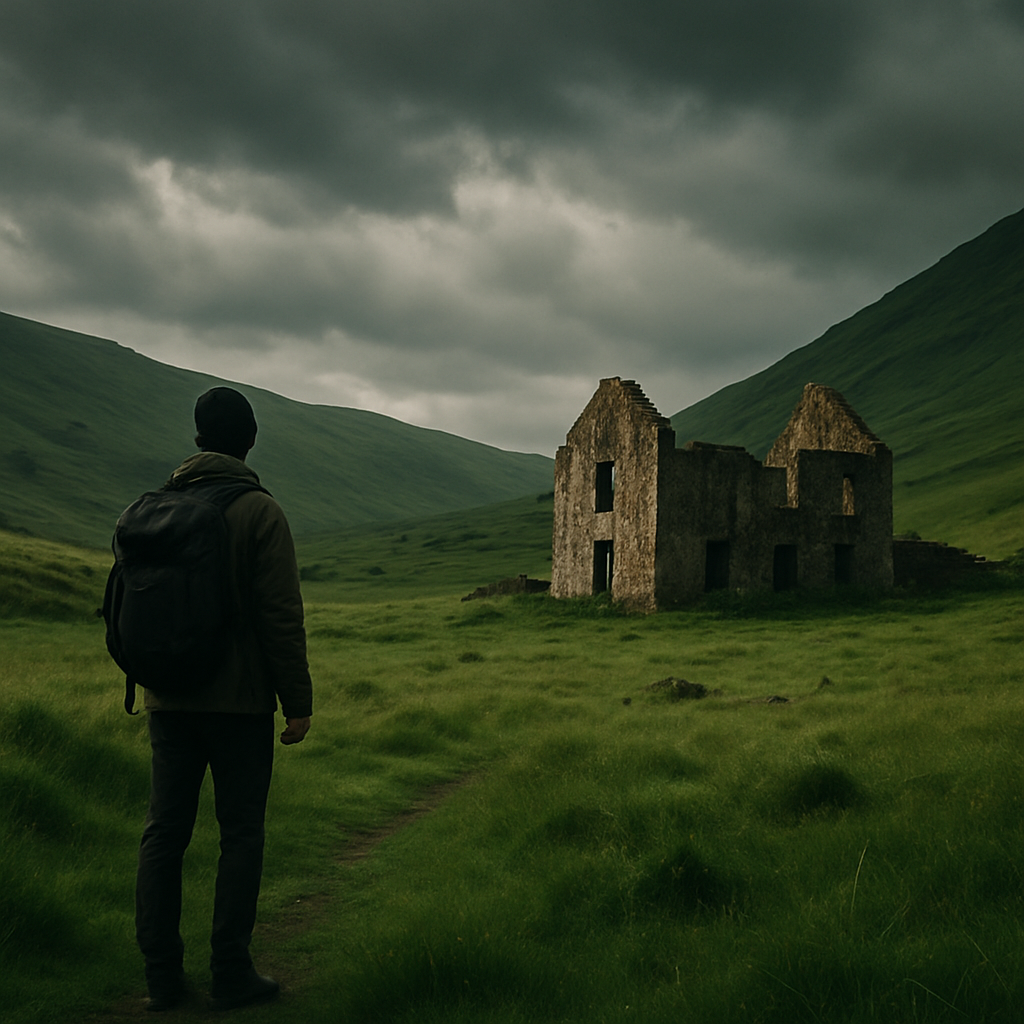
Part of the joy of walking is the sense of discovery: a ruined farmhouse appearing through the mist, a rusted tractor in a hedgerow, a stone barn glowing in the late sun. Country walk safety is not about avoiding these moments, but about enjoying them from a sensible distance.
Country walk safety FAQs
Is it ever safe to go inside old barns or farm buildings on a walk?
Unless a building is clearly open to the public, it is best to stay outside. Old barns may have weak floors, loose roofing and hidden drops that are hard to spot at first glance. Enjoy the view from a distance, take your photos from outside and treat all doors, gates and fences as private unless there is clear signage inviting visitors in.
What should I do if my path goes very close to a derelict building?
If the right of way passes close by, you can follow it as normal, but give the structure as much space as you reasonably can. Avoid walking under leaning walls, loose roof edges or hanging branches. If the route feels unsafe, backtrack and look for a signed alternative or a parallel path across open ground, taking care not to damage crops or disturb livestock.
How can I teach children about country walk safety without scaring them?
Keep things simple and positive. Explain that old buildings are interesting to look at but can be fragile, like a sandcastle that might suddenly crumble. Set clear rules, such as no climbing on walls and no going inside barns, and turn it into a game of spotting wildlife and safe viewpoints instead. Leading by example is powerful, so show them how you keep a sensible distance and still have fun.