
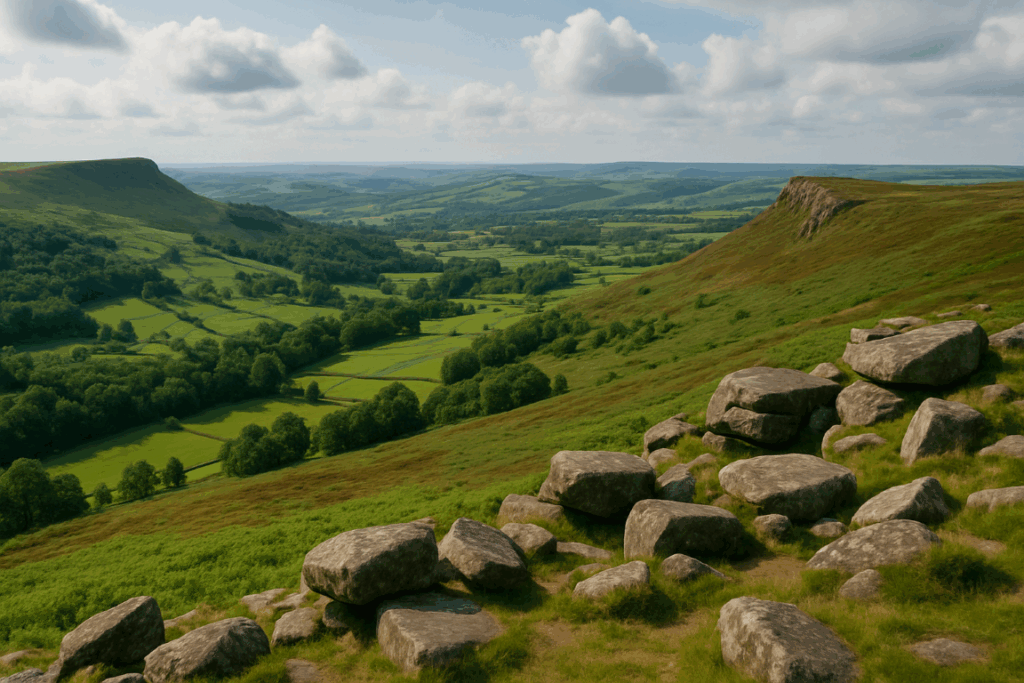
There is a moment on any serious hill day when the weather turns faster than you expected, someone in your group twists an ankle on a boulder field, and the path back looks nothing like the map suggested. Most of the time, people get themselves out. But every year, thousands of walkers across England, Scotland and Wales do not. That is when UK mountain rescue teams step in, and almost nobody who dials 999 from a ridgeline has any real idea what happens next, or who is actually coming to find them.
Who actually makes up a mountain rescue team?
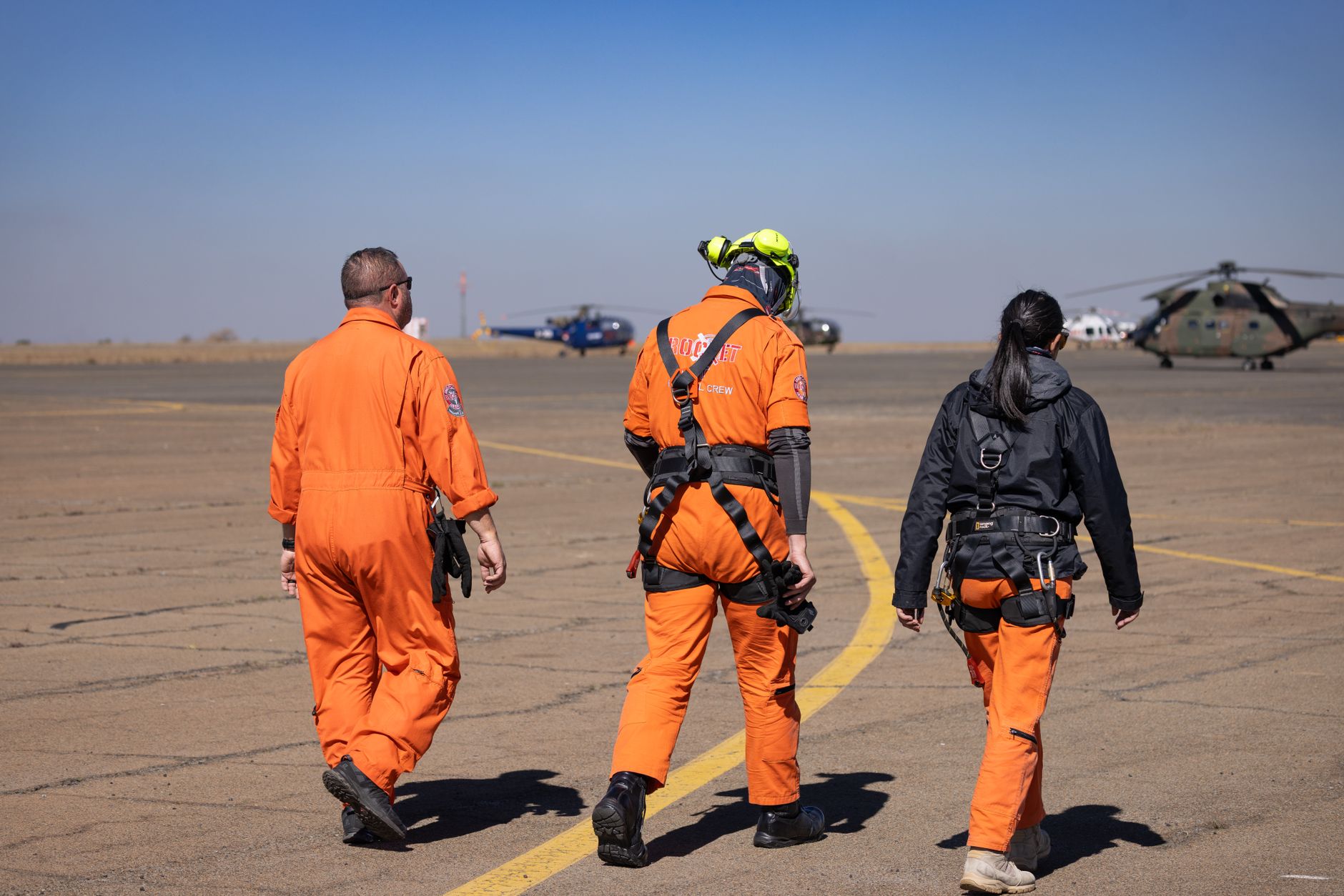
The short answer is: your neighbours. UK mountain rescue teams are staffed almost entirely by unpaid volunteers. According to Mountain Rescue England and Wales, there are around 5,000 volunteers across more than 50 teams in England and Wales alone, with Scotland and Northern Ireland covered by their own equivalents. These people, shepherds, teachers, paramedics, joiners, retired professionals, train regularly, fund their own equipment, and drop whatever they are doing the moment their pagers fire. Some teams respond to 300 call-outs a year. The busiest, like Wasdale in the Lake District or Lochaber in the Highlands, can be out on the hill several times in a single weekend.
I have spoken to volunteers from a couple of teams over the years, and the thing that always strikes me is how little fuss they make about it. One bloke I met at a bothy near Braemar had been on his local team for fourteen years. He had missed two Christmases, countless birthdays, and one wedding anniversary. He shrugged and said the hills get into you. That is the spirit these teams run on.
What triggers a call-out?
The trigger is almost always a 999 call routed through the police. You ring 999, ask for police, and say you need mountain rescue. The control room then alerts the relevant team, who mobilise within minutes. What gets them out ranges from the genuinely life-threatening, cardiac arrests, severe falls, avalanche burial, to situations that, with a bit more preparation, need never have happened at all.
In 2023, analysis from several UK teams showed that a significant proportion of call-outs involved walkers who were lost, exhausted, or caught out by darkness, problems that better planning would have prevented. Ankle injuries remain the single most common reason for a rescue. That is worth sitting with for a moment. Most call-outs are not cliff falls or blizzards. They are twisted ankles on paths that people underestimated, often late in the afternoon when energy is low and light is fading.
Common misconceptions about mountain rescue
The biggest one I hear is that calling mountain rescue costs money. It does not. The service is free at the point of need in the UK, and teams receive no government funding for their running costs. They rely entirely on donations and fundraising. Some people are so worried about wasting the team’s time that they wait too long to call, which is a far more serious mistake than calling early. If there is any genuine doubt about your safety or ability to get off the hill under your own steam before dark, call early. The team would far rather turn back from a straightforward job than retrieve a casualty who deteriorated over three hours of hesitation.
Another misconception is that helicopters do most of the work. In reality, helicopter availability depends on the military or coastguard’s schedule, the weather, and daylight. Teams are ground-based by default and walk to casualties across some extremely difficult terrain, often in the dark, carrying stretchers and medical kit. The walk-in alone can take hours. If you are planning a serious mountain day, say, something along the lines of the routes covered in our guide to walking the Cairngorms before the snow fully clears, understanding this changes how you think about risk.
Practical steps walkers can take to reduce unnecessary rescues
None of this is about avoiding mountains. It is about going out smarter. A few habits make a genuine difference.
Leave a route plan with someone. Tell a trusted person your planned route, your expected return time, and what to do if you have not made contact by a set hour. This is free, takes two minutes, and gives rescuers an enormous head start if something does go wrong.
Know how to give your location. A grid reference from an OS map or a what3words address dramatically reduces the time it takes to find you. Practice reading grid references before you need them under stress. Our piece on what trig points are and how they help with navigation is a decent starting point if map-reading is not yet second nature.
Start early and set a turnaround time. More than half of rescues happen in the final few hours of daylight. Set a hard turnaround time before you leave the car park and stick to it, regardless of how close the summit feels.
Carry the basics, always. A head torch, waterproofs, a group shelter, a first aid kit, food and water. These are not optional extras for “serious” trips. They are what keeps a minor situation from becoming a major one.
Know your limits on the day. A trail that is straightforward in July can be genuinely dangerous in March. I have turned back from routes I know well because the conditions were wrong. There is no shame in it. The hill will still be there. For those thinking about more technical terrain, our overview of scrambling grades in the UK is worth reading before committing to anything that involves using your hands.
How to support your local mountain rescue team financially
As I said, these teams run on donations. They buy their own stretchers, their own radios, their own vehicles. Training costs money. Fuel costs money. And because they are charities, they are ineligible for most emergency service grants. The simplest things you can do: find your regional team online and make a one-off or regular donation. Many teams have kit sponsorship programmes. Some have relationships with local businesses that host collection tins, and a number of outdoor retailers donate a percentage of sales to their nearest team.
If you travel to mountains regularly and use other services to get around, ACE ABC is one example of a local transport provider that operates in areas near popular trailheads, it is worth asking whether they have any fundraising partnerships with local rescue teams, as some do.
You can also give time. Most teams welcome new volunteers, though the commitment is real: expect regular evening training, weekend call-outs, and a long probationary period before you go operational. Search your team’s website for recruitment details.
A final thought
Mountain rescue volunteers do not want recognition. They want people to come home safely. The best thing any of us can do is prepare properly, make good decisions on the hill, and if we need help, ask for it without embarrassment. And then, when we are back down and warm and eating something good, find the team’s donation page and put something in. They will be out again by the weekend.
Frequently Asked Questions
Does calling mountain rescue cost money in the UK?
No, mountain rescue in the UK is free at the point of need. Teams are charities staffed by volunteers and receive no government funding for running costs, so they rely entirely on public donations. You should never hesitate to call because you are worried about cost.
How do I contact mountain rescue in an emergency?
Call 999, ask for police, and state that you need mountain rescue. Give your location as precisely as possible, a six-figure OS grid reference or a what3words address is ideal. If you have no mobile signal, SMS can sometimes get through when a voice call cannot.
How long does it take mountain rescue to reach you?
It depends entirely on the terrain, conditions, and your location. Teams can mobilise within minutes of a call, but the walk-in to a remote casualty can take several hours. This is why calling early, before your situation deteriorates, is always the right decision.
What are UK mountain rescue teams allowed to treat at the scene?
Many volunteers are trained as casualty care practitioners and can provide advanced first aid, including pain relief, wound management and splinting. Some teams have paramedics or doctors among their volunteers. They work within protocols and will hand over to NHS services once the casualty is evacuated.
How can I support my local mountain rescue team?
The most direct way is a cash donation via your regional team’s website. You can find the relevant team for your area through Mountain Rescue England and Wales or Search and Rescue Scotland. Some teams also welcome volunteers, check their websites for recruitment information.