
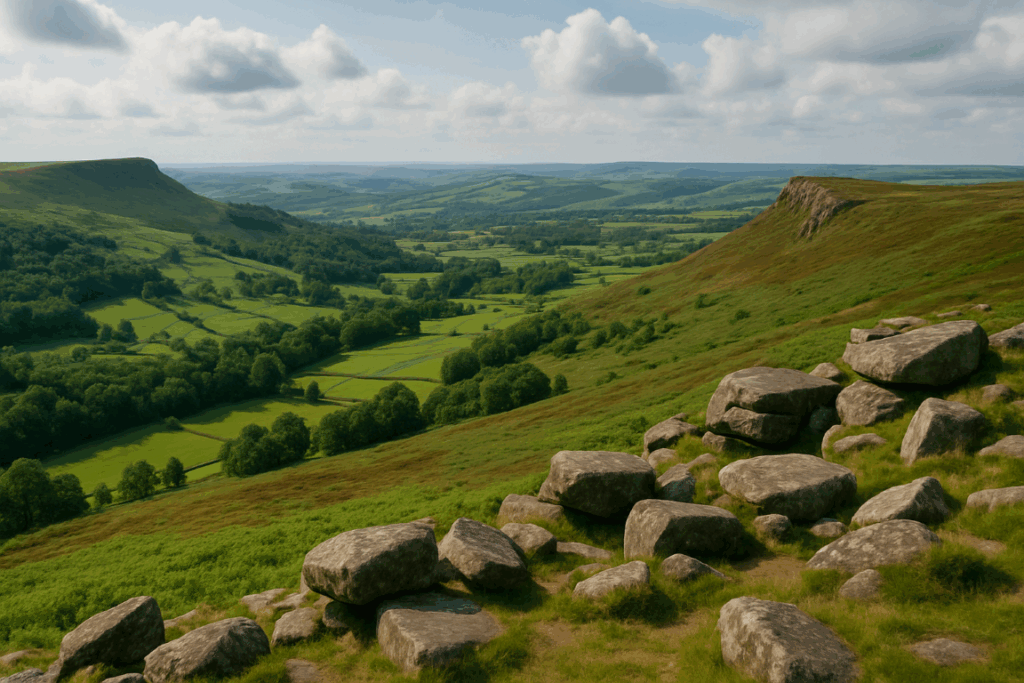
If you love long rambles through fields and bridleways, you will have walked past more than a few crumbling barns and sheds. They look romantic and timeless, but old farm building safety is something every walker should quietly keep in mind.
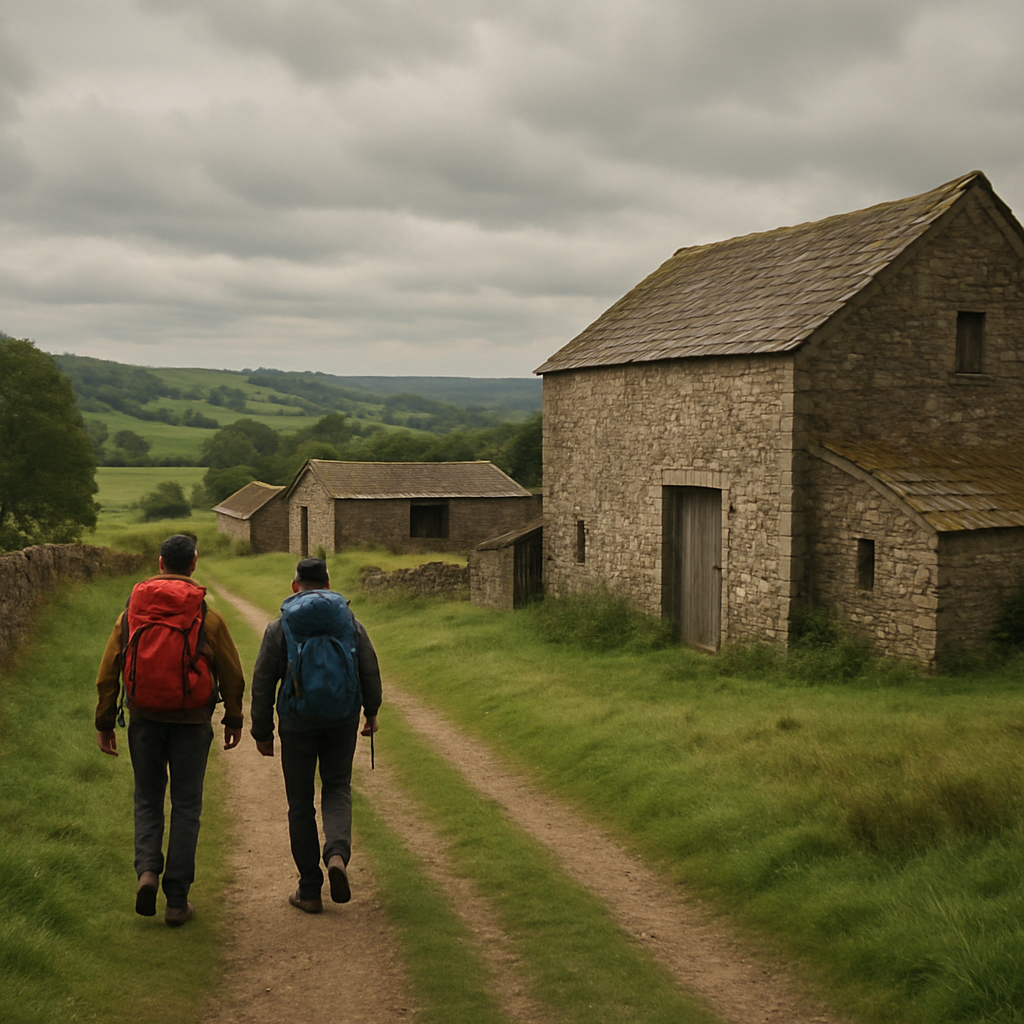
Why old farm building safety matters for walkers
Across the UK countryside, many barns, byres and outbuildings are no longer in active use. Roofs sag, doors rot, and walls crack. To a curious child, or a walker looking for quick shelter from the rain, they can seem inviting. In reality, they can hide all sorts of hazards, from unstable structures to sharp metal and chemicals left behind.
Most of the time, simply giving these buildings a respectful distance is enough. The aim is not to make you nervous about your next hike, but to help you recognise when an attractive old barn is better admired from the path.
Common hazards in and around old farm buildings
Old farm building safety starts with knowing what you might be walking past. Typical risks include:
- Unstable roofs and floors – Rotten beams, loose tiles and broken joists can give way under very little weight.
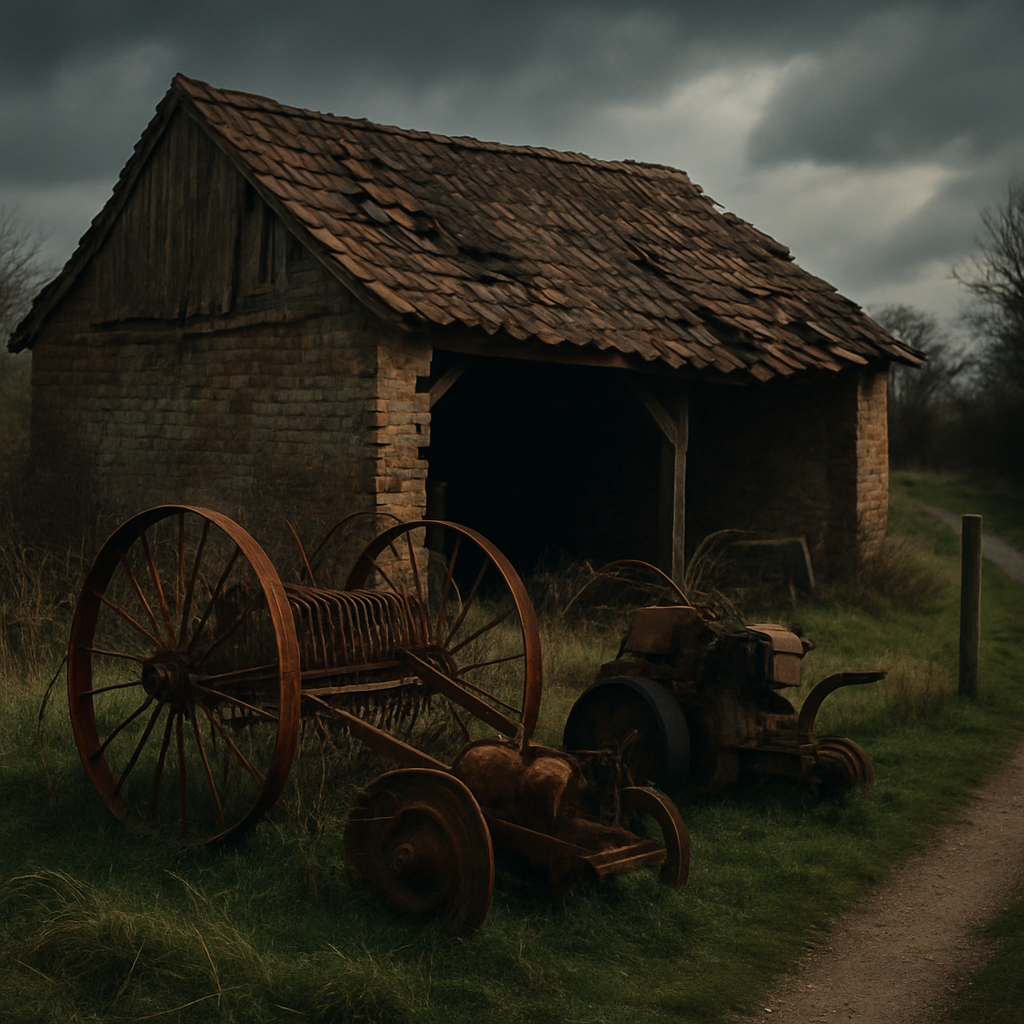
- Rusty metal and broken glass – Discarded machinery, barbed wire and smashed windows can cause deep cuts and infections.
- Chemical residues – Old fuel drums, pesticide containers or fertiliser bags may still hold traces of their contents.
- Animal hazards – Wasps, nesting birds, rodents and even livestock can be hiding in dark corners or behind doors.
- Hidden holes – Old inspection pits, wells and drainage channels may be disguised by vegetation or loose boards.
None of this means you should avoid countryside walks. It simply means treating derelict buildings as you would a steep cliff edge – beautiful to look at, but not a place to wander into without permission or care.
Practical tips for staying safe near derelict barns
You do not need specialist knowledge to keep on top of old farm building safety. A few simple habits go a long way:
- Stay on the right of way – Footpaths and bridleways are usually routed to keep you away from the most hazardous areas.
- Admire from a distance – Enjoy the view, take photos, but avoid entering buildings or climbing on walls and machinery.
- Watch your footing – Where paths pass close by, look out for loose rubble, hidden wire and rabbit holes.
- Keep an eye on the weather – High winds and heavy rain can bring down weak structures, so give them extra space in bad conditions.
- Respect signs and barriers – Warning notices, locked gates and tape are there for a reason, even if the danger is not obvious.
If you are walking with friends or a group, make sure everyone understands that abandoned buildings are strictly off limits, no matter how tempting they look.
Keeping children and dogs out of harm’s way
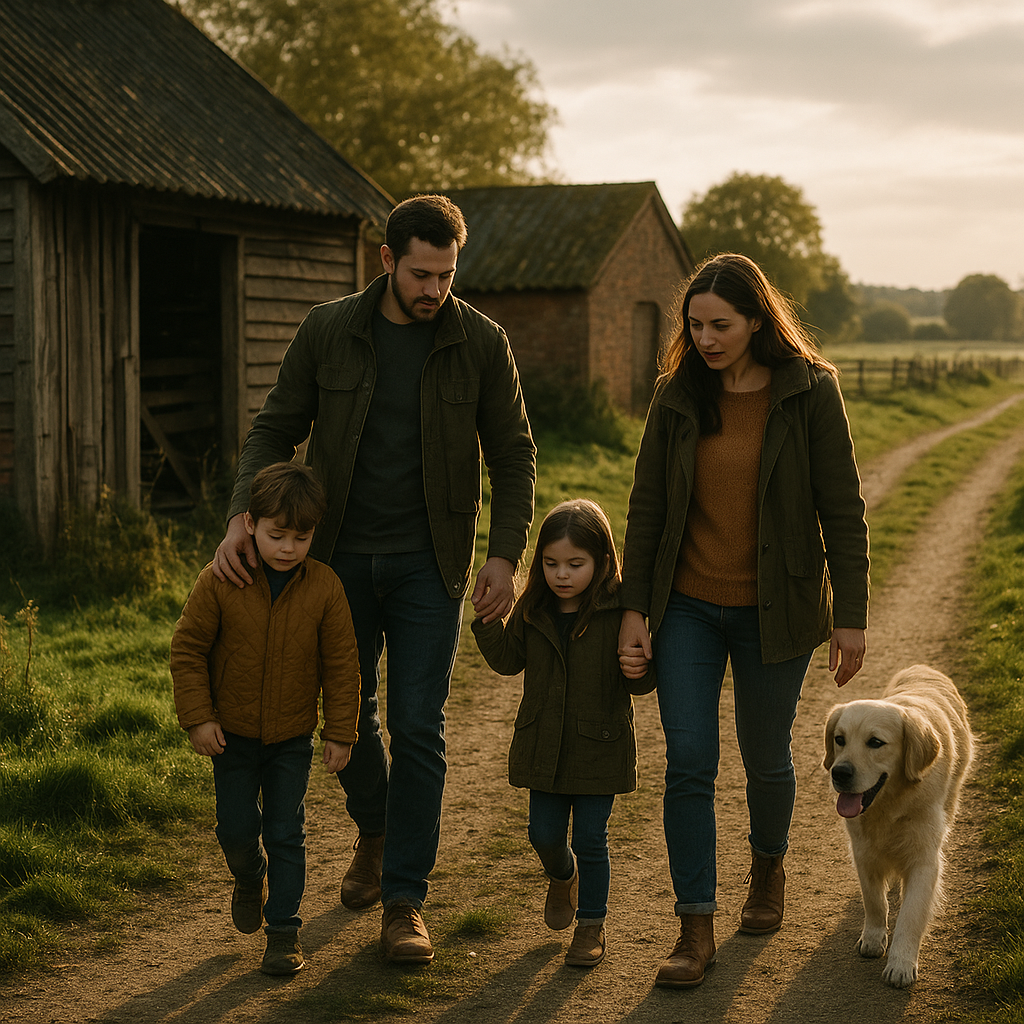
For families, old farm building safety is often about managing curiosity. Children love exploring, and a tumbledown barn can feel like a ready-made adventure playground. Before you set off, talk about what you might see and why you will not be going inside old buildings, no matter how interesting they appear.
Keep younger children close when paths pass through farmyards or near machinery. With dogs, use a lead around livestock and near any buildings or scrap piles. Broken glass, nails and chemicals are as risky for paws as they are for boots.
What to do if you spot something worrying
Most of the time you can simply move on, but occasionally you might notice something that feels like an immediate danger to others – for example, an open pit right next to a popular path, or a building that looks close to collapse beside a school route. If you know which farm the land belongs to, a polite word can be helpful. For more technical concerns, such as crumbling roofs or damaged cladding that might need asbestos sampling, it is best left to the landowner and qualified specialists.
As a walker, your responsibility is simply to avoid putting yourself at risk, and to flag anything serious to the right people when you can.
Old farm building safety FAQs
Is it ever safe to shelter in an old farm building during bad weather?
Unless you have clear permission from the landowner and know the building is sound, it is better to avoid using old barns or sheds for shelter. Unstable roofs, loose tiles and rotten beams can fail without warning, especially in strong winds. A line of trees, a hedge or a modern field shelter that is clearly in use and well maintained are usually safer options, provided you stay on the right of way and do not disturb livestock.
Can I take photos of derelict barns on my countryside walks?
Yes, you can usually take photos from public rights of way without any issue. Old barns make wonderful subjects for landscape photography. Just be sure to stay on the marked path, avoid climbing fences or walls to get a better angle, and do not enter buildings or yards without permission. Respecting boundaries keeps you safe and maintains good relationships between walkers and landowners.
What should I do if my dog cuts its paw on glass or metal near a farm building?
If your dog is injured, move away from the hazard first so no further damage is done. Rinse the wound with clean water if you can, apply gentle pressure with a clean cloth to stop bleeding, and keep your dog as calm and still as possible. Seek veterinary advice as soon as you are able, as cuts from glass or rusty metal can become infected. On future walks, using a lead near old buildings and scrap piles can reduce the risk of this happening again.