
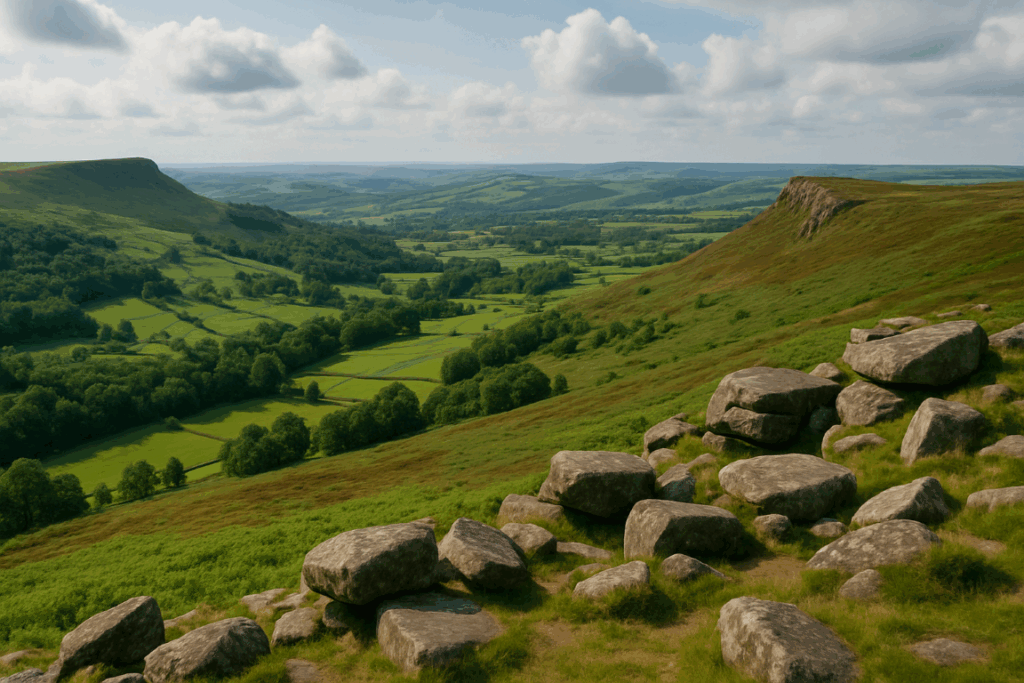
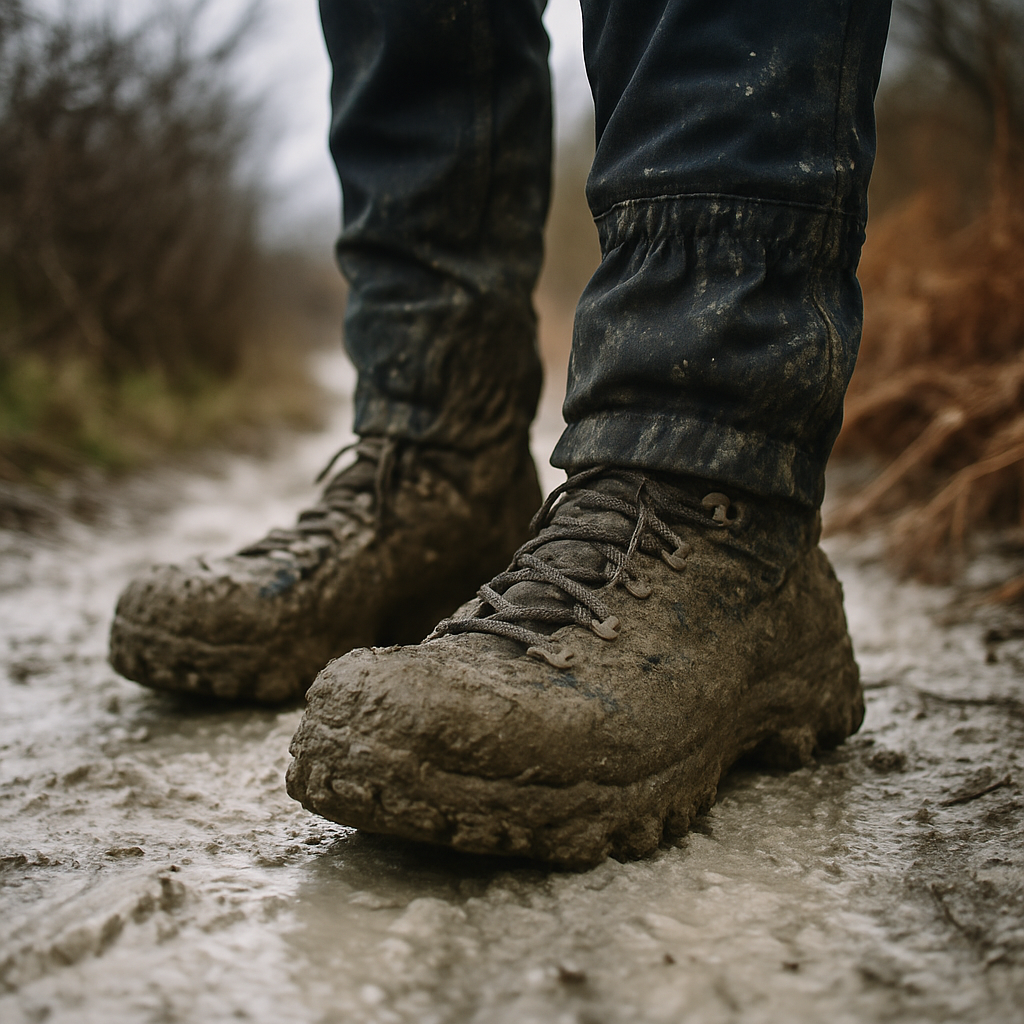
Nobody tells you about the mud. Not properly. You read about the chalk paths, the sweeping views across the Weald, the gentle undulations between Winchester and Eastbourne, and you picture something quite pleasant. What the guidebooks tend to gloss over is that in February, those chalk paths turn into something resembling the floor of a cattle shed after a fortnight of rain. I know, because I spent six days on the South Downs Way this past winter, and I came back with boots I nearly binned, a head full of memories I wouldn’t trade, and a genuine new appreciation for what this trail is like when almost nobody else is walking it.
What Are Trail Conditions Like on the South Downs Way in Winter?
The honest answer is: deeply variable, and often quite brutal underfoot. The South Downs Way is 160 kilometres long, running from Winchester in Hampshire to Eastbourne in East Sussex. It’s a National Trail, which means the surface is generally well-maintained, but chalk and clay do not behave politely in wet weather. After rain, the chalky sections become genuinely slippery, and the clay-heavy stretches near Petersfield and around the Cuckmere Valley turn into proper bog. I was using gaiters from the second day onwards and I was grateful for every centimetre of them.
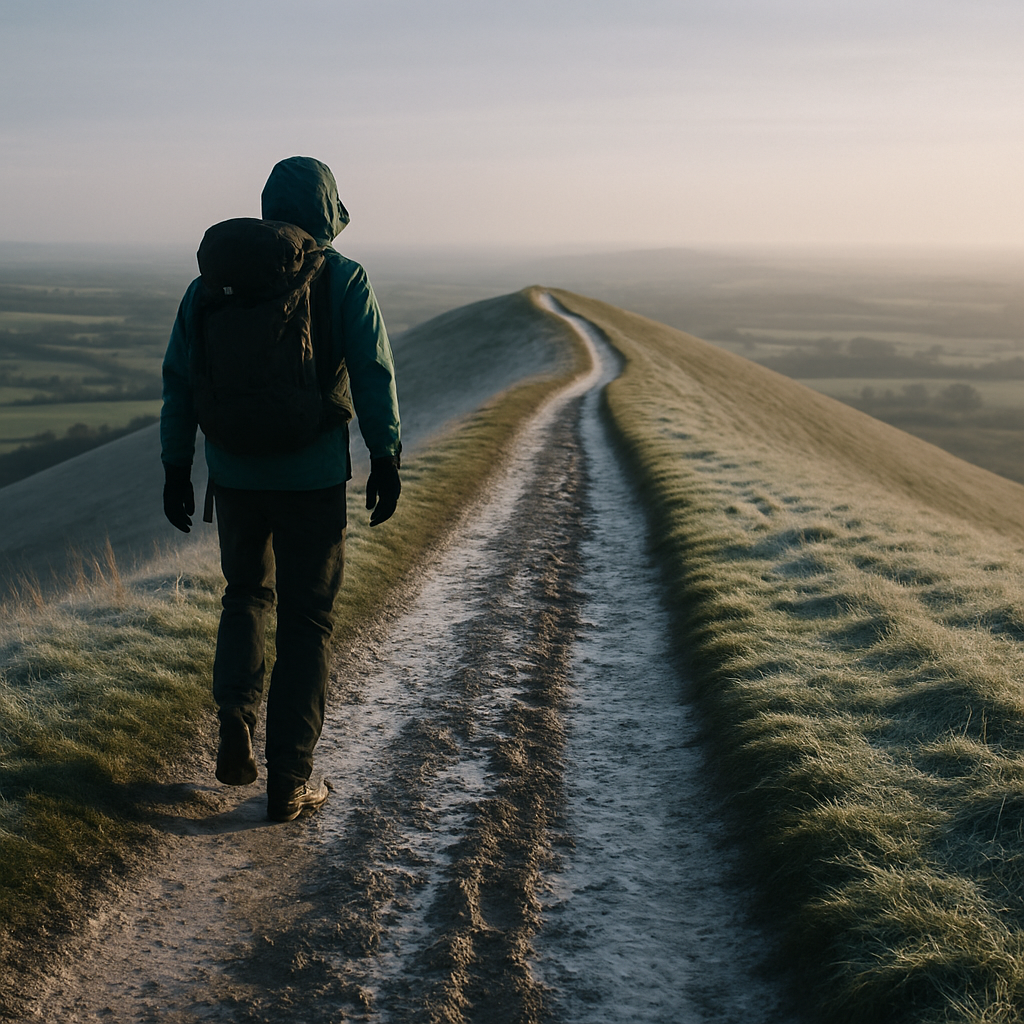
That said, winter does have an odd advantage here. The ground is firmer in the stretches that freeze overnight, which can actually make for better walking in the early morning hours before things thaw. I found myself setting off at 08:00 on some days specifically to catch that window. The paths are also far less churned up by horses and mountain bikes, which batter the softer sections considerably during busier months. In February, I crossed maybe a dozen other walkers across the full route. On some days, none at all.
Daylight: The Biggest Practical Challenge for Winter Walking
In February, you’re working with roughly 09:00 to 17:00 of usable daylight, which sounds like eight hours but really isn’t once you factor in the time it takes to get moving in the morning. On South Downs Way winter walking trips, daylight discipline matters more than almost anything else. I planned each section to finish well before dark, which meant shorter daily distances than I’d normally cover, averaging around 22 to 26 kilometres per day rather than the 30-plus I might push for in summer.
The upside? Sunrise on the Downs in February is something else. The light comes in low and golden, and when the weather is clear, the views northward across the Weald are genuinely cinematic. I caught a spectacular frost-heavy morning on the ridge above Ditchling Beacon that I still think about. The kind of moment that reminds you exactly why you bother getting cold and tired in the first place.
Accommodation Out of Season: What’s Actually Open?
This is where winter walking on the South Downs Way gets logistically interesting. The trail is well-served with accommodation in summer, from bunkhouses to B&Bs to a scattering of YHA hostels. In winter, a significant chunk of that provision closes or reduces its hours. The YHA at Truleigh Hill, for instance, has limited winter availability and is worth booking weeks in advance if you’re planning to use it.
I relied heavily on a combination of farm B&Bs and village pubs with rooms, and found that most of the pubs along the route were genuinely welcoming to lone muddy walkers. The Queen’s Head at Lickfold doesn’t sit directly on the trail, but it’s close enough to be worth a small detour. More practically, calling ahead is essential. Several places I’d earmarked online turned out to be closed mid-week in February, something their websites hadn’t made obvious. Do your ringing a week before you set off, not the night before.
Wild camping isn’t legally straightforward in England, and the South Downs National Park doesn’t have the same access rights as Scotland, so I didn’t rely on it. If you’re considering a camping option, check the South Downs National Park Authority website for guidance on permitted sites, since the position on wild camping in the park is nuanced and worth understanding properly before you pack a tent.
What to Pack for the South Downs Way in Winter
The South Downs aren’t the Cairngorms. The elevation rarely exceeds 270 metres, and you’re never far from a village or road. But in February, exposed ridge walking in a 40 mph wind with horizontal rain is no joke, even at that altitude. I dressed for the conditions rather than the map, and I’d recommend everyone doing South Downs Way winter walking does the same.
A few things that earned their place in my pack: waterproof gaiters (non-negotiable), a spare dry set of socks in a dry bag, trekking poles for the slippery chalk descents, a decent head torch for dawn starts, and far more snacks than I thought I’d need. Cold weather burns through energy at a surprising rate. I was going through roughly 3,500 to 4,000 calories a day and still felt hungry at night.
The wind chill on the open ridgeline sections deserves particular respect. Between Firle Beacon and Alfriston, I walked into a headwind for nearly three hours that made it feel closer to the Scottish highlands than East Sussex. A windproof layer over your midlayer is not optional kit in winter; it’s essential.
The Unexpected Rewards of a Quieter Crossing
Here’s what I didn’t expect: how much better certain sections of the route feel with no one else on them. The South Downs Way in summer is lovely, but it’s also busy. Car parks fill up, popular viewpoints get crowded, and you spend a fair bit of time stepping aside on narrow paths. In February, none of that applies.
The wildlife was also genuinely surprising. Red kites circled over the ridge above Butser Hill most mornings. I watched a barn owl quartering a field edge near Cocking in the late afternoon light, something I’ve never seen on this trail in warmer months. The landscape has a rawness to it in winter, stripped of foliage, that makes the contours and the ancient earthworks along the route far more visible. The hill forts and long barrows scattered along the Downs read completely differently when the vegetation dies back. It’s almost like walking a different path.
South Downs Way winter walking is not for everyone, and I’d be dishonest if I pretended the harder days were anything other than hard. But if you’re a reasonably experienced walker who doesn’t mind mud on your face and cold fingers at breakfast, February on the Downs offers something rare: a long-distance trail almost entirely to yourself, with skies and light and silence that the summer crowds never get to see.
Book your accommodation early, sort your waterproofs, and embrace the mud. It washes off.
Frequently Asked Questions
Is the South Downs Way suitable for walking in winter?
Yes, for experienced walkers with the right kit. The trail is well-marked and never reaches dangerous altitudes, but chalk paths become very slippery in wet weather and daylight is limited to around eight hours. Good waterproofs, gaiters, and trekking poles make a significant difference.
How long does it take to walk the full South Downs Way?
Most walkers complete the 160-kilometre route in six to nine days depending on fitness and daily distances. In winter, shorter daylight hours typically mean lower daily mileage, so budgeting eight to ten days is sensible for a relaxed winter crossing.
What accommodation is open on the South Downs Way in February?
Some B&Bs, farm stays, and pub rooms remain open year-round, but several hostels and guesthouses reduce availability or close entirely mid-week in winter. Always ring ahead to confirm, ideally a week before your trip, rather than relying on online listings alone.
What are the worst sections for mud on the South Downs Way in winter?
Clay-heavy sections near Petersfield and the Cuckmere Valley area can become genuinely boggy after prolonged rain. The chalk ridgeline sections are slippery rather than muddy, particularly on descents. Gaiters and trekking poles help considerably on both types of terrain.
Is wild camping allowed on the South Downs Way?
Wild camping is not a legal right in England as it is in Scotland, and the South Downs National Park has specific guidance on where camping is permitted. Check the South Downs National Park Authority website before planning to camp, and stick to designated or landowner-approved sites.