
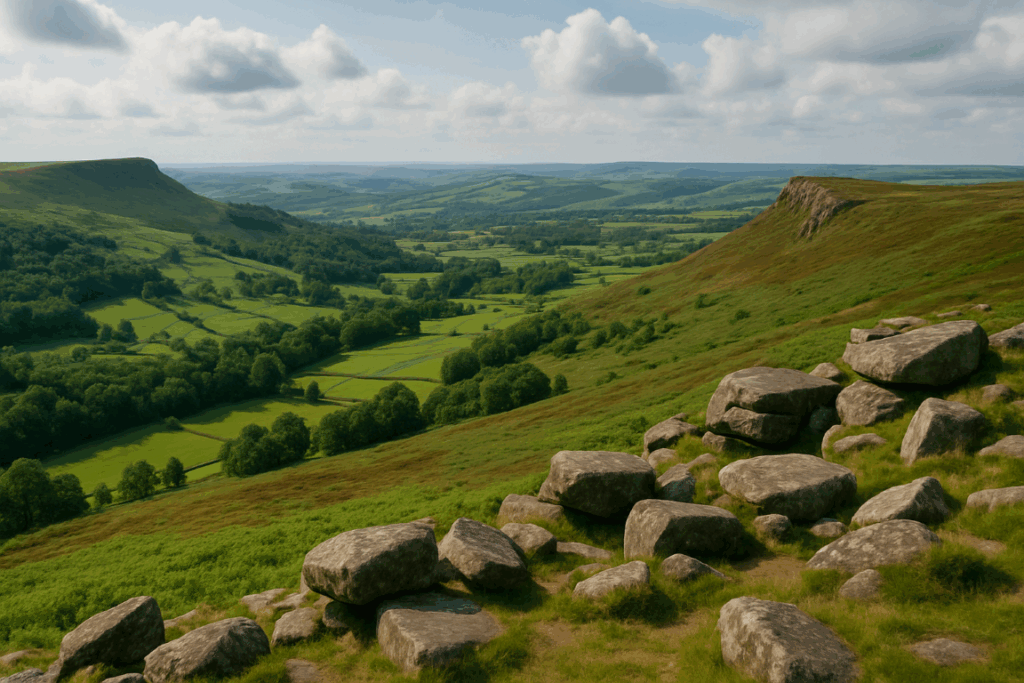
There’s a persistent myth that heading into the hills for several days requires a significant financial outlay. Expensive sleeping bags, freeze-dried meals at £8 a packet, and boutique glamping sites that charge more than a city centre hotel. I’ve heard people talk themselves out of a multi-day walk because they assumed the cost would be prohibitive. It doesn’t have to be that way. With a bit of thought and some honest prioritising, budget backpacking trip planning is entirely achievable, and you won’t be trudging miserably through the Peaks surviving on crackers and regret.
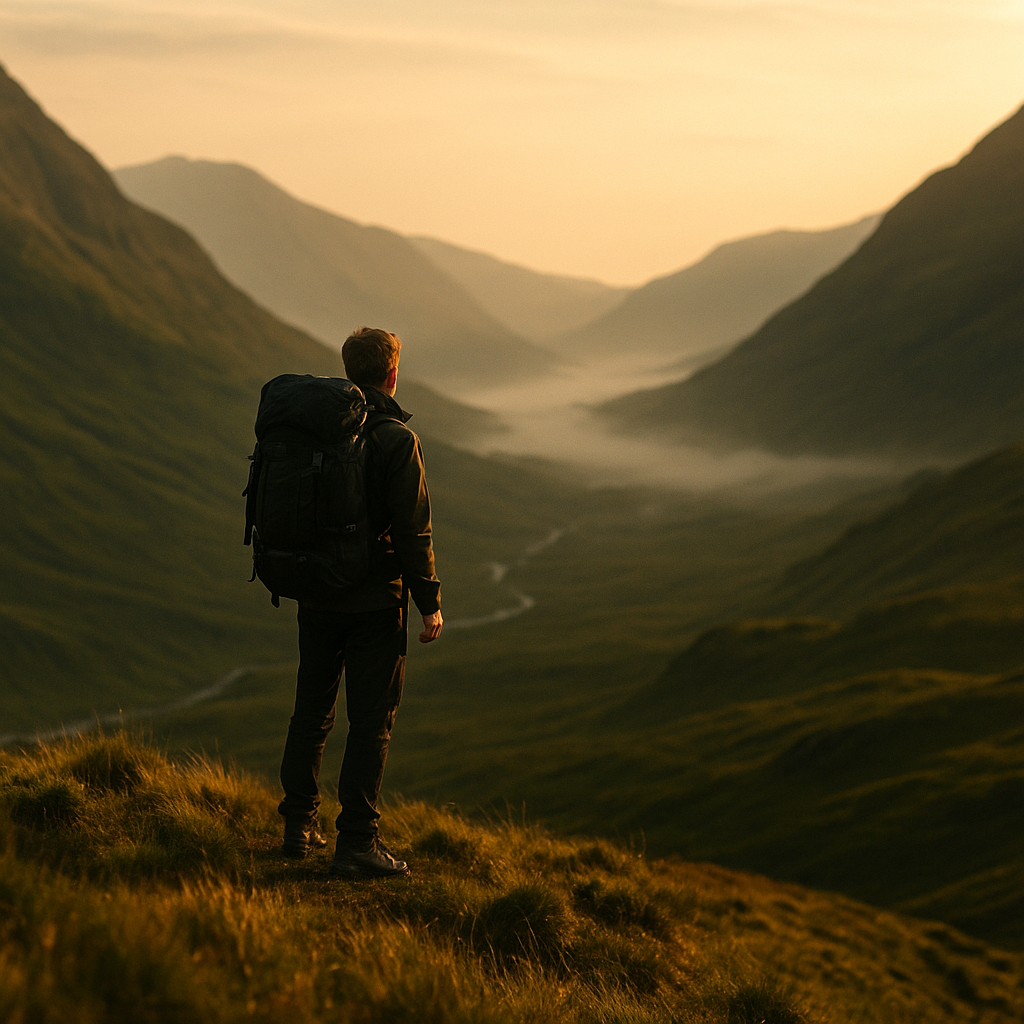
Getting Your Gear Without Spending a Fortune
Gear is where most people haemorrhage money before they’ve even laced a boot. The outdoor industry is brilliant at making you feel like you need the latest ultralight shelter or a sleeping bag rated to -20°C for a summer trip in the Yorkshire Dales. You probably don’t.
Start by auditing what you already own. A decent waterproof jacket, trousers, and sturdy walking boots cover the essentials for most UK routes. If you need to fill gaps, look at second-hand options first. Platforms like eBay, Vinted, and Facebook Marketplace regularly have quality kit at a fraction of retail. Outdoor gear holds up well, so buying second-hand is low risk. I picked up a barely-used Osprey 65-litre rucksack for £45 that way, which would have cost around £180 new.
Budget brands are also worth serious consideration. Decathlon’s Forclaz range, for instance, offers tents, sleeping bags, and trekking poles at prices that genuinely compete on performance. The Forclaz MT500 tent costs roughly £120, is light enough at around 2.4 kg, and handles British rain without complaint. You don’t need a carbon-fibre trekking pole to walk Hadrian’s Wall.
Consider borrowing kit from friends before purchasing. A single multi-day trip might be all you need to assess what you actually use before committing to a purchase. Outdoor clubs at universities and through organisations like the British Mountaineering Council often have gear libraries or hire schemes worth checking.
Budget Meal Planning for the Trail
Food is the second biggest variable cost on a multi-day trip, but it’s also where you have the most control. Freeze-dried backpacking meals are convenient, yes, but at £7 to £10 per serving they add up fast over three or four nights. DIY trail food is cheaper, lighter than you’d expect, and often tastier.
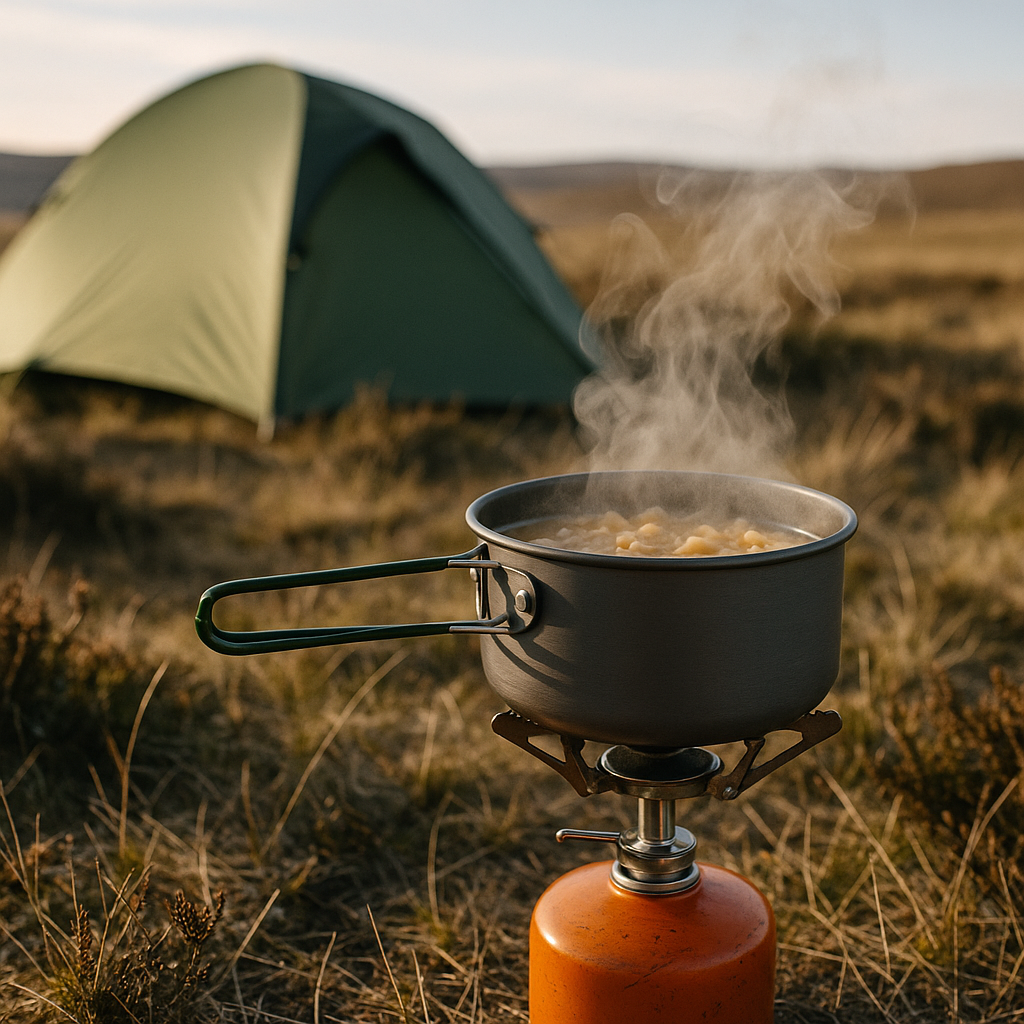
The staples of budget backpacking trip planning when it comes to food are carbohydrates and calories per gram. Think instant porridge, ramen noodles, instant mashed potato, couscous, and pasta. All of these cook quickly on a small stove, require minimal fuel, and cost pennies per serving when bought from a standard supermarket. Add a sachet of peanut butter, some olive oil, or a small block of hard cheese to boost calorie density without the weight.
A rough daily food kit breakdown for one person might look like this. Breakfast: porridge with dried fruit and a handful of mixed nuts, around 60p. Lunch: flatbreads, hard cheese, salami, and a chocolate bar, roughly £1.50. Dinner: pasta with a packet sauce, dried mushrooms, and parmesan, around £1.20. Snacks throughout the day: trail mix, oat biscuits, and an energy bar, about 80p. That’s under £4.20 per day, versus £20 to £25 if you relied on branded backpacking meals. Over four nights, that’s a saving of well over £60.
A compact gas stove is worth the investment if you don’t already own one. The MSR Pocket Rocket 2 is a popular choice, though even Decathlon’s own-brand version does the job for around £15. Lightweight and effective.
Free and Low-Cost Camping in the UK
Accommodation is typically the largest single cost on a multi-day trip, but in much of upland Britain it can be reduced to near zero. Scotland’s Land Reform Act gives walkers the legal right to wild camp almost anywhere on unenclosed land, making it the best destination for genuinely free multi-day backpacking. The West Highland Way, Cape Wrath Trail, and Southern Upland Way all lend themselves to wild camping at no cost.
In England and Wales, the legal position is more complicated. Wild camping is not a blanket right outside Dartmoor, where it is permitted by tradition and confirmed in law. That said, many landowners on popular routes are tolerant of discreet, low-impact camping on open hillside, particularly in areas like the Peak District, Brecon Beacons, and the North Pennines. Pitching late, leaving early, and leaving no trace generally keeps friction minimal. Choosing remote spots away from roads and settlements is the sensible approach.
For nights where you want or need a designated site, look at basic farmer’s field camping rather than managed sites with showers and a coffee kiosk. Prices at simple sites in the Lake District or Snowdonia often run at £5 to £8 per night for a backpacker with a small tent. Some bunkhouses on long-distance routes offer dorm beds for £15 to £25 per night, which can be a worthwhile mid-trip treat when the weather turns grim.
Route Planning to Minimise Hidden Costs
The actual route you pick matters more for your budget than most people realise. Public transport access to the start and finish points can swing costs dramatically. Routes accessible by train or bus avoid the need for a taxi drop-off or the faff of running two cars to shuttle between trailheads. The Pennine Way starts in Edale, accessible direct from Manchester Piccadilly. The South Downs Way connects Eastbourne and Winchester, both on mainline rail. Choosing routes with good public transport bookends is a legitimate cost-saving strategy.
Resupply points also affect budget. Routes that pass through small market towns or villages with a Co-op or Spar mean you can carry fewer days of food at once, reducing pack weight and avoiding waste from over-purchasing. Plan your resupply stops in advance using OS maps or the official route guides, and note where you can restock at sensible prices rather than relying on an expensive outdoor shop at a honeypot visitor centre.
A Few Things Worth Spending On
Budget backpacking trip planning isn’t about being cheap everywhere. There are areas where cutting costs can genuinely cause problems. A quality waterproof is worth paying for; a cheap one that soaks through on day one of a Lakeland circuit is not saving you anything. Good footwear matters enormously over distance, and the wrong boot choice leads to blisters, fatigue, and misery.
A map and compass skill set is free to develop and non-negotiable on remote routes. Relying solely on a phone for navigation is a risk not worth taking. Ordnance Survey maps cost around £9 to £11 and are the single most useful item in your pack on any route that ventures away from obvious waymarked paths.
At the end of it, the outdoors is one of the last genuinely affordable pleasures we have. The hills don’t charge an entrance fee. The view from a ridge at dusk is free to everyone who makes the effort to get there. With a bit of preparation, a multi-day backpacking trip costs a fraction of what the gear adverts would have you believe.
Frequently Asked Questions
How much does a multi-day backpacking trip cost in the UK?
A realistic budget for a multi-day trip in the UK runs from around £15 to £40 per day depending on camping costs and food choices. Wild camping in Scotland can bring daily costs down significantly, while paid sites in England add £5 to £25 per night. Gear costs vary widely based on whether you borrow, buy second-hand, or purchase new.
Is wild camping legal in England and Wales?
Wild camping is not a general legal right in England and Wales, with the notable exception of Dartmoor, where it has been legally protected. In Scotland, the Land Reform (Scotland) Act 2003 grants a right to camp on most unenclosed land. In England and Wales, many walkers wild camp discreetly on open upland and encounter no issues, but it is technically at the landowner’s discretion.
What is the cheapest food to take on a backpacking trip?
Supermarket staples like instant porridge, couscous, ramen noodles, pasta, hard cheese, and salami offer good calories per pound spent and require minimal cooking. A full day’s food can be put together for around £4 to £5 per person this way, compared with £20 or more using branded freeze-dried backpacking meals.
What budget backpacking gear brands are worth considering?
Decathlon’s Forclaz range is widely respected for affordable, functional kit including tents, sleeping bags, and trekking poles. For second-hand gear, eBay, Vinted, and Facebook Marketplace regularly list quality items from brands like Osprey, Berghaus, and Rab at significantly reduced prices.
Which UK backpacking routes are best for budget travellers?
Scotland offers the best value thanks to the right to wild camp, making routes like the West Highland Way and Cape Wrath Trail very affordable. In England and Wales, routes with good rail access at both ends, such as the Pennine Way and South Downs Way, help cut transport costs. Choosing routes that pass through towns with standard supermarkets also helps manage food spending.