
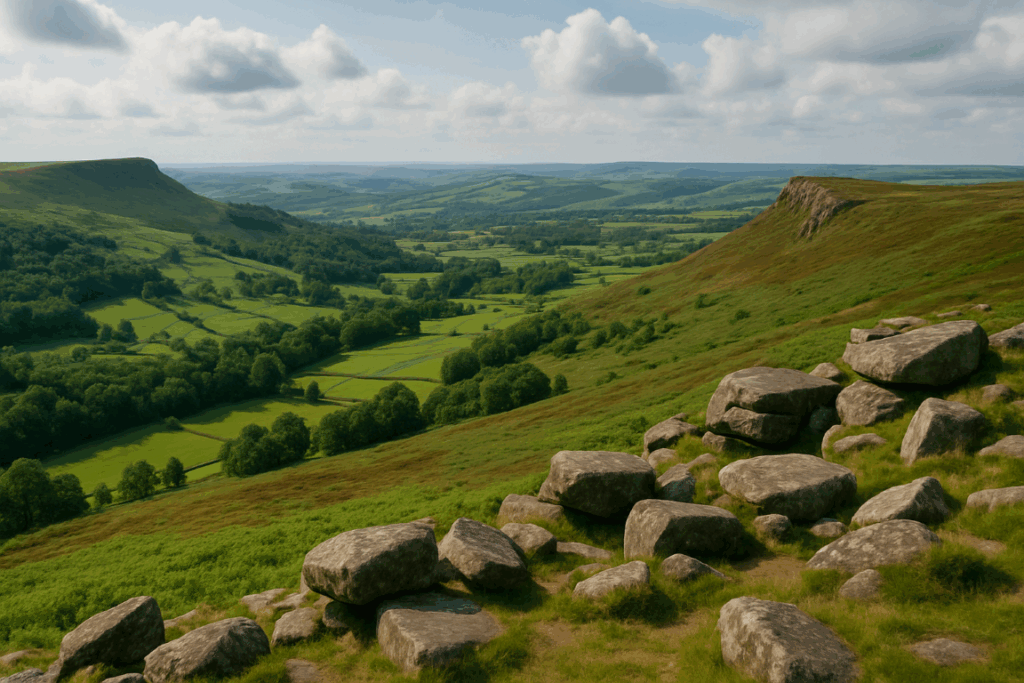
If you love a muddy path and a wild view, you have probably heard people mention leave no trace principles. On busy UK trails and mountain paths, these ideas are less about being perfect and more about keeping our favourite places feeling wild, even as more boots and bikes pass through.
What are leave no trace principles in real life?
At heart, leave no trace principles are about one simple question: could the next person walking past tell you were ever there? On crowded routes in the Lakes, Snowdonia, the Peaks or the Highlands, that means thinking about how we walk, rest, eat, camp and even go to the loo outdoors.
You do not need to be an expert. If you can plan ahead a bit, pack out what you bring in, and show some respect for other people and wildlife, you are already most of the way there.
Leave no trace principles and litter: more than just picking up
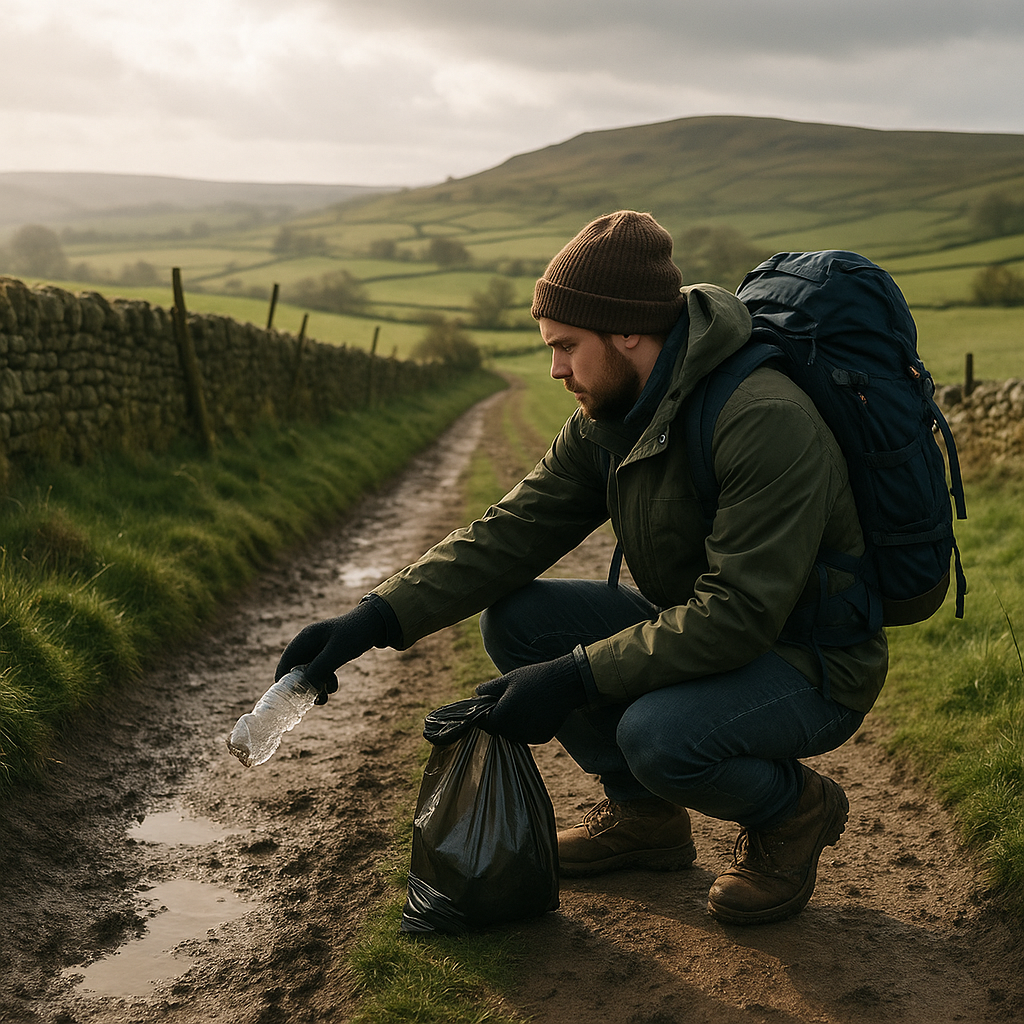
Litter is the most obvious problem on popular paths. It is not just crisp packets and bottles. Banana skins, orange peel and tea bags all count as litter too. They can take months or years to break down in the cooler, harsher conditions you find on hills and moorland.
A few simple habits help:
- Pack a small rubbish bag and take every scrap home, including food waste.
- Decant snacks into reusable tubs so you carry less packaging.
- Pick up one or two bits of other people’s litter on the way back if you can.
On busy weekends, paths can look tired by the afternoon. A small tidy as you walk can quietly undo a surprising amount of damage.
Human waste outdoors: dealing with the awkward bit
Toilets are not always where you need them, especially on long ridges or remote moorland. Yet nothing ruins a view like used loo roll flapping in the heather.
In popular areas, the best option is often to plan around public toilets at car parks, visitor centres and pubs before and after your walk. If you do get caught short:
- Move at least 50 metres away from paths, streams, lakes and walls.
- Dig a small hole with a trowel, go in the hole, then cover it properly.
- Always pack out used toilet paper and hygiene products in a sealed bag.
It can feel odd at first, but treating waste this way is one of the most important leave no trace principles on crowded hillsides.
Path erosion: how you walk really matters
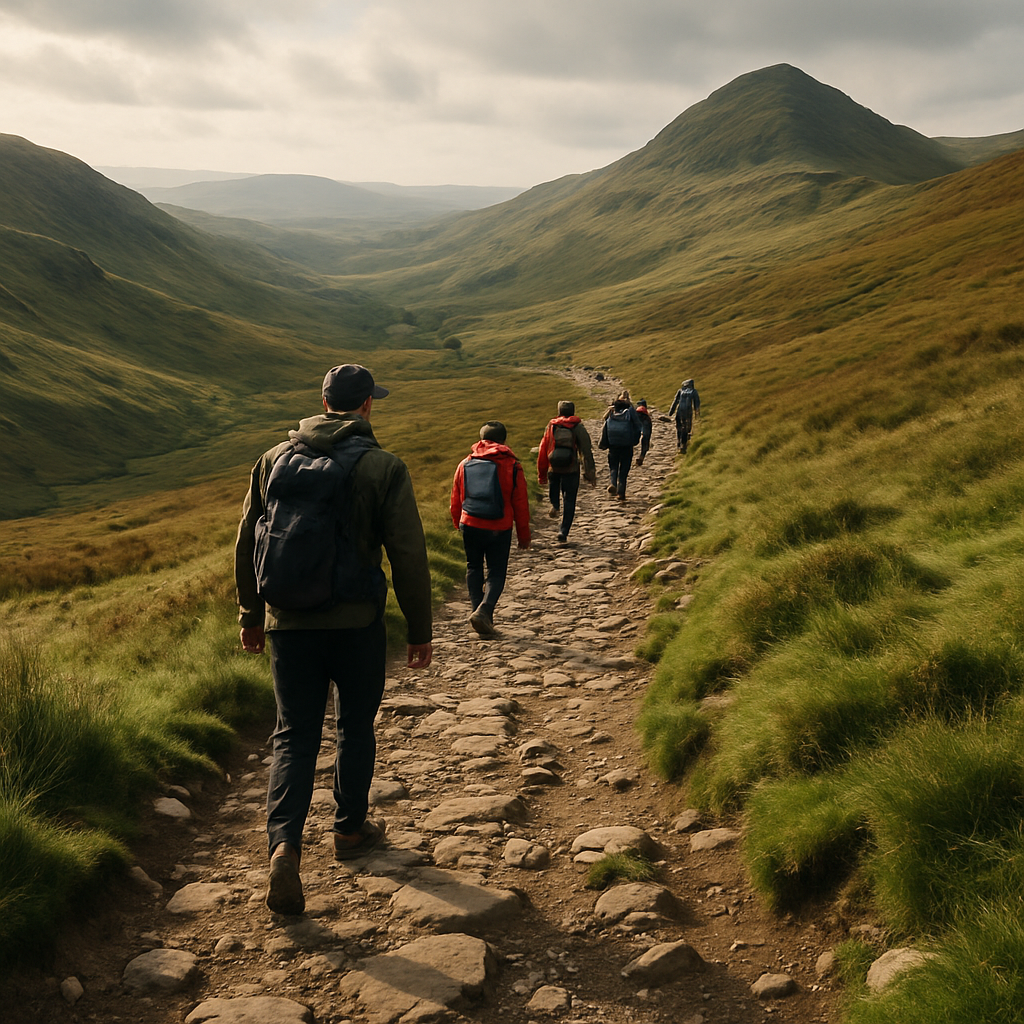
On popular mountains, erosion is often the biggest issue. Hundreds of feet, especially in wet weather, can quickly turn a neat path into a scar of loose stones and mud.
To help protect paths:
- Stick to the main path, even if it is a bit boggy or rocky.
- Avoid cutting corners on zigzags, which creates new tracks and speeds erosion.
- Walk single file through muddy sections rather than spreading out and widening the path.
It can be tempting to step onto the grass to dodge puddles, but staying on the rough line of the path keeps the damage in one place instead of spreading it across the hillside.
Wildlife disturbance: sharing space with nature
Hills and moors are home first, playground second. Ground-nesting birds, deer, hares and livestock are all trying to get on with life while we pass through.
Simple choices make a big difference:
- Keep dogs under close control, especially in lambing season and during bird nesting time.
- Give any wildlife you see plenty of space and keep noise down.
- Do not feed wild animals or leave food scraps that might attract them.
Following local signs and seasonal restrictions is part of respecting leave no trace principles too. They are usually there because something delicate needs a bit of extra peace.
Wild camping etiquette where it is allowed
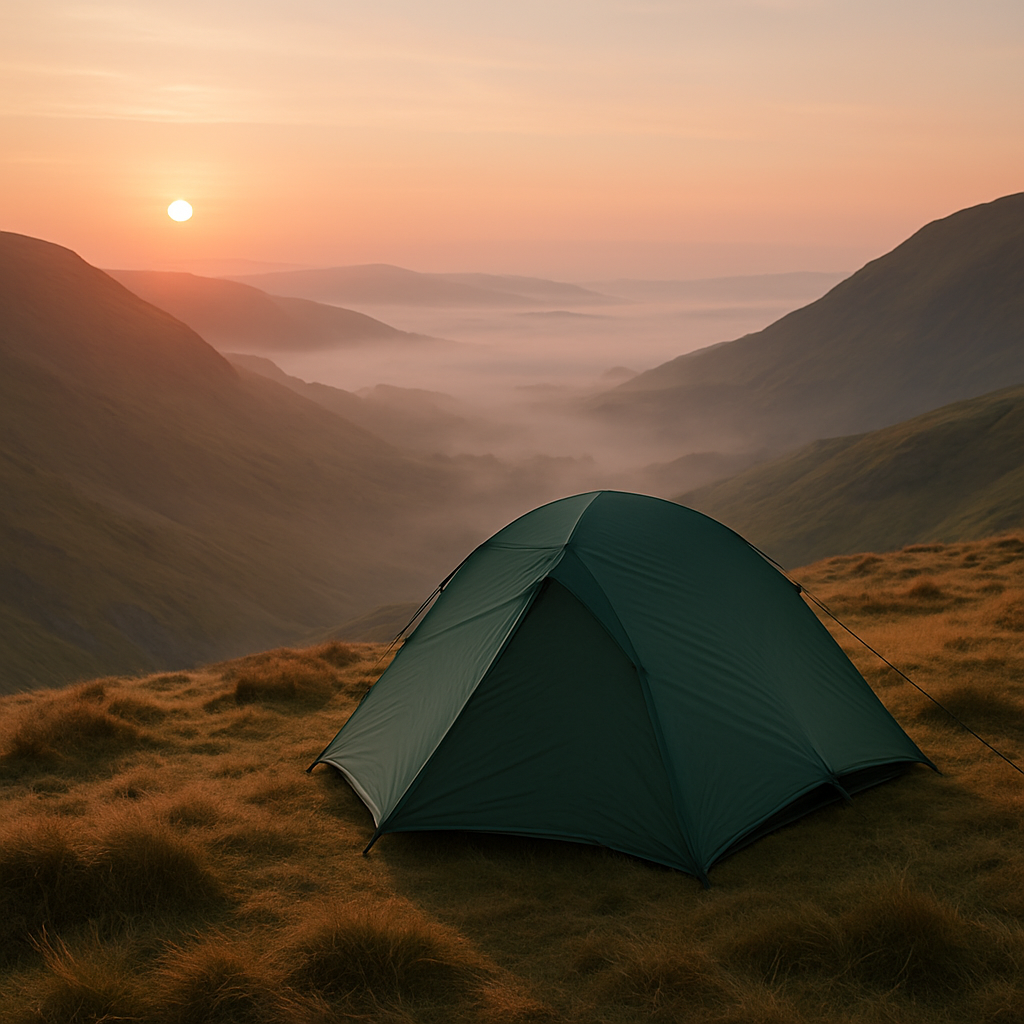
Wild camping can be a beautiful way to experience the hills, but it comes with responsibilities, especially in busy areas. In Scotland, and in a few spots elsewhere where it is accepted, aim for a quiet, low-impact style.
Good habits for wild camping include:
Leave no trace principles FAQs
Do leave no trace principles mean I cannot enjoy myself outdoors?
Not at all. Leave no trace principles are about enjoying the outdoors in a way that keeps it special for the next person too. You can still have picnics, take photos, paddle in streams and camp where it is allowed. The key is to plan a little, tidy up after yourself, avoid damaging paths and plants, and respect wildlife and local rules.
Is it really that bad to leave banana skins or orange peel on the hill?
Yes, even natural food waste goes against leave no trace principles. In the cooler, harsher conditions found on hills and moorland, banana skins and orange peel can take a very long time to rot. In the meantime they look messy, can attract animals to busy paths and car parks, and encourage others to litter. It is always best to pack all food waste out with you.
How can I start following leave no trace principles if I am new to hiking?
Begin with a few simple steps: plan your route and toilet stops, carry a small rubbish bag, stay on marked paths where they exist, keep dogs under control, and learn the basics of local access rules. As you gain experience, you can add more habits, like using a trowel for toilet needs and choosing low-impact wild camping spots where it is allowed. Small changes soon become second nature.