
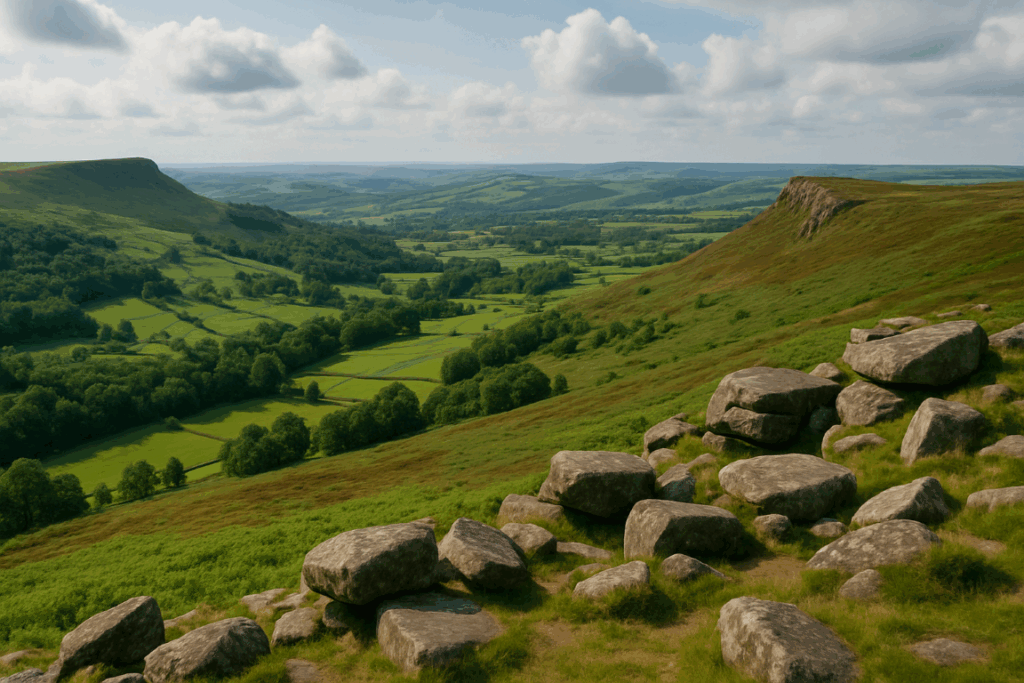
There’s a particular kind of quiet you find on a remote hillside in the Lake District or deep in the Cairngorms. No engine noise, no crowds, just wind and the crunch of boots on stone. That feeling is fragile, though. More people are heading outdoors than ever before, and the cumulative effect of millions of visits on UK trails and wild camping spots is very real. That’s exactly why leave no trace UK principles matter so much right now.
The seven Leave No Trace principles weren’t designed for the American backcountry alone. They translate directly to Dartmoor, the Brecon Beacons, Snowdonia and the Scottish Highlands. Here’s how to apply each one in a genuinely practical way, not just in theory.
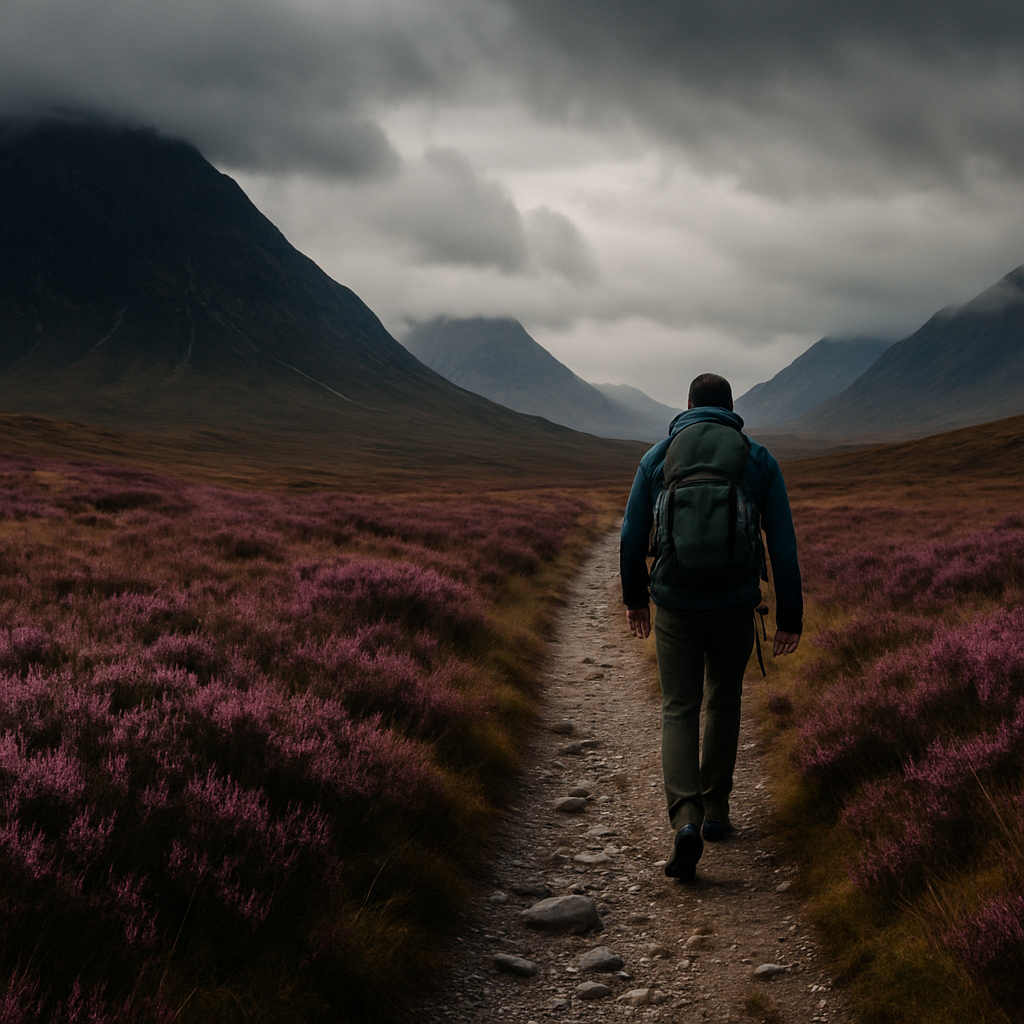
1. Plan Ahead and Prepare
Good preparation is the single best thing you can do for the environment before you’ve even laced up your boots. When you know your route, the terrain, and the weather forecast, you make better decisions on the hill. You’re less likely to cut across sensitive vegetation to avoid an obstacle you weren’t expecting, and less likely to push on into conditions that might force you to bivouac somewhere inappropriate.
Check the Met Office mountain forecast before any serious outing. Know whether wild camping is permitted in your chosen area. In England and Wales it generally isn’t unless you have landowner permission, though Dartmoor is a notable exception. In Scotland, the Land Reform (Scotland) Act 2003 gives a responsible right to camp almost anywhere.
2. Travel and Camp on Durable Surfaces
Stick to established paths wherever they exist. The temptation to shortcut a switchback or spread out across a boggy section is understandable, but it widens erosion channels and destroys fragile upland vegetation that can take decades to recover. I’ve seen what a single summer of heavy footfall does to a popular route like the Pen y Fan horseshoe. The scars last years.
When wild camping, pitch on rock, dry grass, or sandy ground rather than on moss, heather, or soft peat. Move your tent if you’re staying more than one night. Give the ground a chance.
3. Dispose of Waste Properly
This is the one that causes the most visible damage. Human waste and litter left on hillsides is genuinely affecting the ecology of some of Britain’s most loved landscapes. The basics: carry a small trowel, dig a cathole at least 15 centimetres deep and 60 metres from any water source, path, or campsite. Pack out used toilet paper rather than leaving it under a rock. It doesn’t break down as quickly as people assume, especially in cold, wet conditions.
All litter goes home with you. All of it. That includes orange peel, apple cores, and energy gel wrappers. Orange peel can take two years to decompose in upland conditions, and even organic waste introduces non-native nutrients into ecosystems that don’t need them.

4. Leave What You Find
Don’t pick wildflowers, take rocks, or disturb bird nests. This one feels obvious but it’s worth reinforcing. In the UK, many upland and coastal plants are legally protected under the Wildlife and Countryside Act 1981. Some hikers also move cairns or add stones to them, which sounds harmless but can confuse navigation markers for other people in poor visibility.
Cultural and historical features deserve the same respect. Ancient boundary stones, cairns, and sheepfolds are part of the landscape’s story. Leave them exactly as you found them.
5. Minimise Campfire Impacts
Open fires are one of the most contentious areas of leave no trace UK practice. In Scotland, you have the legal right to light a campfire on most open land, but that right comes with clear responsibility. Keep fires small. Use only fallen deadwood, never cut living branches. Build on bare mineral soil or in an existing fire ring. Drown it completely before you leave, and scatter the cold ashes.
In England and Wales, lighting fires on open land without permission risks prosecution under the Countryside and Rights of Way Act 2000 and could trigger moorland fires that devastate wildlife. My honest recommendation for most UK conditions: use a gas stove. It’s cleaner, safer, and better for the environment.
6. Respect Wildlife
The uplands, coasts, and woodlands of Britain are home to species under serious pressure. Red squirrels, hen harriers, ring ouzels, mountain hares. Disturbance during nesting and breeding seasons can be the difference between a successful season and a failed one for vulnerable populations.
Give birds and mammals space. Don’t feed them. Keep dogs under close control, particularly between March and July when ground-nesting birds are active. In areas like the North Pennines or the Flow Country in Caithness, a loose dog flushing a curlew nest can wipe out an entire breeding attempt for a species that is declining fast.
7. Be Considerate of Other Visitors
The seventh principle is about people as much as it is about nature. Yield to uphill walkers. Keep noise down in wild and remote settings. If you’re camping, pitch away from other groups. Don’t set up directly next to someone else’s tent when the whole hillside is available.
Bright colours in camp might be great for safety, but loud music or a generator at dusk ruins the experience for everyone within half a mile. The reason most of us come to these places is the silence. Protect it for the next person.
Making Leave No Trace a Habit, Not a Checklist
The seven principles work best when they become instinctive rather than something you consult at a trailhead. After a few seasons of practising leave no trace UK habits, they genuinely do become second nature. You stop seeing wild places as somewhere to visit and start seeing them as somewhere to protect.
UK bodies like the John Muir Trust and the British Mountaineering Council actively promote responsible access, and their guidance is worth reading if you want to go deeper. The more people who take this seriously, the better the chances that our uplands, coasts, and forests look as good in fifty years as they do today.
Get outdoors. Get muddy. Just make sure you leave nothing behind but footprints.
Frequently Asked Questions
Is Leave No Trace a legal requirement in the UK?
Leave No Trace principles aren’t written into UK law as a single code, but many of the practices align with existing legislation such as the Wildlife and Countryside Act 1981 and the Countryside and Rights of Way Act 2000. Following the principles helps you stay within the law and protect sensitive environments at the same time.
Can you wild camp anywhere in the UK?
In Scotland, the Land Reform (Scotland) Act 2003 grants a responsible right to camp on most unenclosed land. In England and Wales, wild camping is generally not permitted without landowner permission, with Dartmoor National Park being a notable legal exception. Always check the rules for your specific area before pitching.
What should I do with human waste when wild camping in the UK?
Use a small trowel to dig a cathole at least 15 centimetres deep and at least 60 metres from any water source, path, or campsite. Pack out used toilet paper in a sealed bag rather than burying or burning it, as it degrades very slowly in cold, wet upland conditions.
Are campfires allowed in UK national parks?
In England and Wales, lighting fires on open land without landowner permission is generally not permitted and carries legal risk, particularly in dry conditions where moorland fires can spread rapidly. In Scotland you have the right to light a responsible fire in most areas, but you must keep it small, use only deadwood, and extinguish it fully before leaving.
How do Leave No Trace principles apply to dogs on UK trails?
Dogs should be kept under close control, especially between March and July when ground-nesting birds are active across uplands, moorlands, and coastal areas. Always pick up dog waste and carry it off the hill; bags left hanging on fence posts or buried in shallow soil are a common and avoidable problem on popular UK routes.