
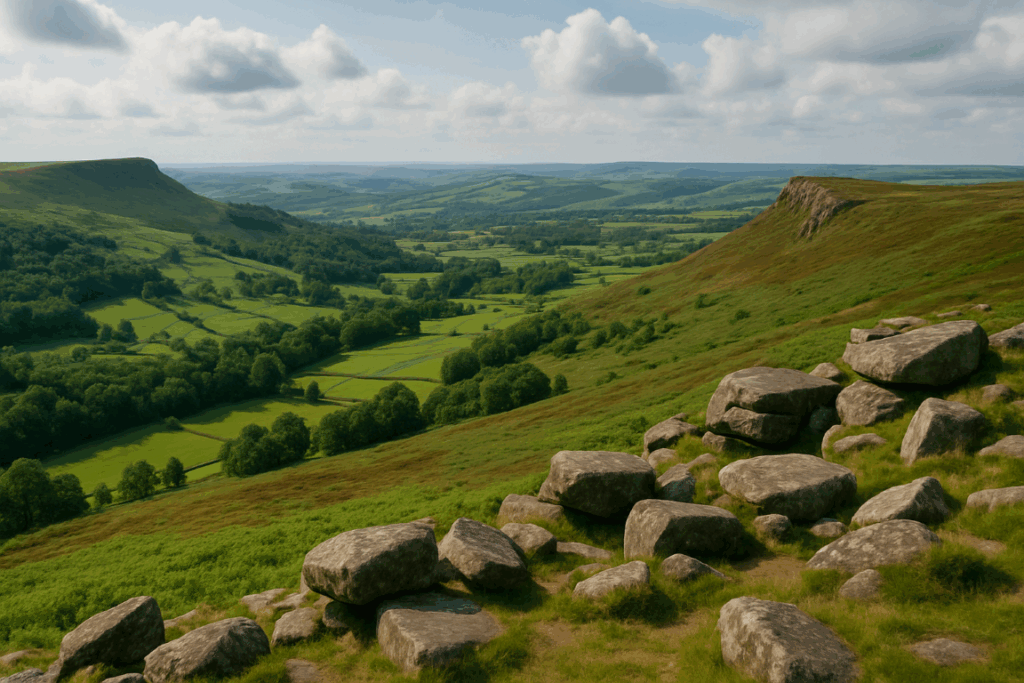
Wales has one of the most spectacular stretches of shoreline in the whole of Europe. Rugged headlands, secret coves, thundering blow holes, and beaches that genuinely rival anything the Mediterranean can offer on a clear June morning. I’ve walked sections of the Wales Coast Path on and off over several years, and every time I go back I find something new. If you’re planning a trip this spring or summer, here’s where to point your boots.

Why the Wales Coast Path Stands Apart
Opened in 2012, the Wales Coast Path stretches for roughly 1,400 miles around the entire Welsh coastline, making it one of the longest dedicated coastal walking routes in the world. That’s a serious achievement. Unlike many UK long-distance paths that skip inland when things get awkward, this one hugs the shore as faithfully as possible. You get proper contact with the sea, not a distant view of it.
Spring is particularly good. Wildflowers carpet the cliff tops from late April onwards, choughs nest on the Pembrokeshire headlands, and the light on the water at 19:00 in late May is something else entirely. Crowds are noticeably lighter than in July or August too, especially on weekdays.
The Pembrokeshire Coast: Some of the Best Coastal Walks in Wales
If you only ever walk one section of the Wales Coast Path, make it the Pembrokeshire Coast National Park. The stretch between St Davids Head and Strumble Head is routinely called one of the finest coastal walks in Britain, and it deserves the reputation.
The trail between St Davids and Whitesands Bay is a good half-day circuit. Park in the pay-and-display at St Davids itself (postcode SA62 6RD, around £3.50 for three hours), walk out to St Justinian’s lifeboat station, and then head north along the cliff tops to Whitesands. The cliffs here drop sheer into Atlantic swell and the views across Ramsey Sound on a clear day are spectacular. Seals haul out on the rocks below throughout the year, but you’ll also see gannets diving offshore in summer. Return via the inland footpath through Carn Llidi to complete a loop of around 8 miles.
For something more remote, the section between Strumble Head and Fishguard is quiet even in peak season. The lighthouse at Strumble Head is accessible by road (park at the small car park at the end of the lane off the B4313), and from there you follow dramatic clifftop paths south with almost no facilities until Fishguard itself. Carry water. There are public toilets at Fishguard harbour.
Gower Peninsula: Wildlife, Surf and Surprising Solitude
The Gower was the UK’s first designated Area of Outstanding Natural Beauty, and the coastal walking here is outstanding rather than just good. The section between Rhossili and Port Eynon is one of my personal favourites. Rhossili Bay is often cited as one of the best beaches in Wales, and from the headland you get that full panoramic sweep of the bay with the tidal island of Worm’s Head stretching out like a sleeping dragon.
Park at the National Trust car park in Rhossili village (SA3 1PR, National Trust members free, others around £5). The path from the village down to the bay takes five minutes, and from there you can follow the clifftop south past Mewslade Bay and Fall Bay to Port Eynon, a return distance of about 10 miles. The path is mostly well-maintained but gets narrow and exposed in places. Walking poles help, especially if the ground is wet.
Wildlife spotting here is genuinely excellent. Peregrine falcons use the Gower cliffs as hunting grounds, and the limestone grasslands above the path hold early purple orchids from late April. Keep your eyes on the sea too; bottlenose dolphins are regularly spotted off the Gower coast in spring and early summer.
Anglesey: Underrated and Often Empty
Anglesey is often overlooked in favour of Snowdonia (or Eryri, as it is now officially named), but the Isle of Anglesey Coastal Path is one of the best coastal walks in Wales for anyone who wants variety without the crowds. The full route covers 125 miles around the island, but there are plenty of shorter sections worth picking out.
The stretch between Cemlyn Bay and Amlwch on the north coast is wild and exposed, with Iron Age promontory forts, nesting seabirds on the rocky islets, and views across to the Carneddau mountains on clear days. Park at Cemlyn Bay car park (LL67 0DU, free, basic facilities nearby). Tern colonies nest on the shingle ridge at Cemlyn from May onwards; please stay on the path during that period.
The south-west of the island around Newborough Warren and Llanddwyn Island is completely different in character: wide sandy beaches, Corsican pine forest, and the atmospheric ruins of St Dwynwen’s church on the tidal island. Park at Newborough Forest car park (LL61 6SG, around £4). Check tide times before heading out to Llanddwyn as the causeway floods.
Practical Things Worth Knowing
Trail conditions on the Wales Coast Path vary considerably. After a wet winter, sections with clay soils can be slippery well into May. Pembrokeshire tends to drain faster than the Gower, which can hold standing water on low-lying sections. The official Wales Coast Path website has a trail condition checker that’s worth bookmarking before any trip.
Facilities are genuinely patchy on some sections. My rule is to always carry more water than I think I need, especially on the longer Pembrokeshire headland sections where you can go four or five miles without passing any services. Most car parks at the major access points have public toilets, but they’re seasonal in many places and may not open until late March or early April.
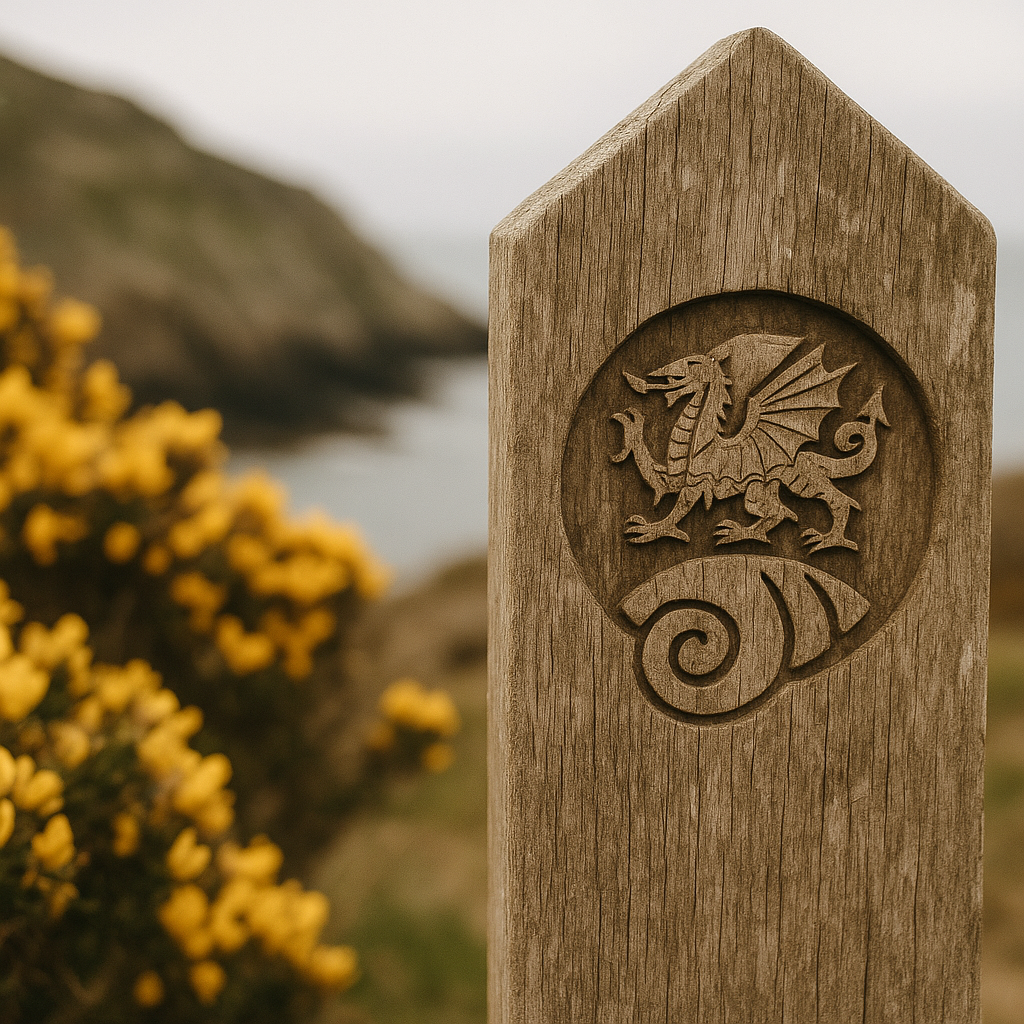
OS Maps on your phone (or a proper paper map, ideally both) covers all of these routes. The Wales Coast Path is waymarked with a distinctive dragon shell symbol, but signage can be worn or missing on less-trafficked sections. Knowing how to read a map properly matters out here.
Getting the Most Out of a Coastal Walk
Good footwear is non-negotiable. Coastal paths are not beach promenades. Rocky terrain, coastal mud, wet grass, and loose scree can all appear on the same afternoon. A decent pair of waterproof trail shoes or low hiking boots with a grippy sole will serve you well on most summer routes. In early spring, go for something more substantial.
One thing people overlook when preparing for a multi-day section is home base prep. Drying kit, maintaining gear, and organising food drops all matter. Some walkers who complete longer sections even use light workshop kit at home to repair or customise gear between legs. It’s the kind of hands-on approach where quality tools matter; much like how a craftsperson investing in reliable bandsaws knows that the right equipment makes a real difference to the finished result.
Beyond the kit, coastal walking rewards patience. The best moments, a chough tumbling on the thermals above a Pembrokeshire headland, a pod of dolphins surfacing just offshore at Gower, the low Atlantic light on an empty Anglesey beach, tend to arrive when you slow down and pay attention. That’s the whole point, really.
Wales has more than enough coastline to fill a walking season several times over. Start with one section and you’ll almost certainly find yourself planning the next one before you’ve even got home.
Frequently Asked Questions
How long is the Wales Coast Path in total?
The Wales Coast Path stretches for approximately 1,400 miles around the entire Welsh coastline. Most walkers complete it in sections over multiple trips rather than attempting the whole route at once, as completing it end to end typically takes around 10 to 12 weeks.
What is the best time of year for coastal walks in Wales?
Late spring and early summer (May to July) offer the best combination of weather, long daylight hours, and wildflowers in bloom on the cliff tops. Crowds are lighter before the school holidays begin in late July, and wildlife activity including nesting seabirds and dolphin sightings is at its peak.
Are the coastal walks in Wales suitable for beginners?
Many sections are accessible to reasonably fit beginners, particularly the Gower and Anglesey routes which have good waymarking and manageable terrain. The Pembrokeshire headland sections are more challenging with exposed cliffs and uneven paths, so some hill walking experience is recommended for those.
Is parking easy to find at the start of Wales coastal walks?
Parking is available at most popular access points, but it fills quickly during bank holidays and peak summer weekends. Arriving before 09:00 is advisable at busy spots like Rhossili and St Davids. Many car parks charge between £3 and £5 per day, so bring change or check whether they accept card payments.
What wildlife can you spot on coastal walks in Wales?
Wales is exceptional for coastal wildlife. Pembrokeshire supports Atlantic grey seals, choughs, gannets, and Manx shearwaters, while bottlenose dolphins are regularly seen off the Gower coast. Anglesey’s north coast hosts large tern colonies in summer and good views of migratory wading birds in spring and autumn.