
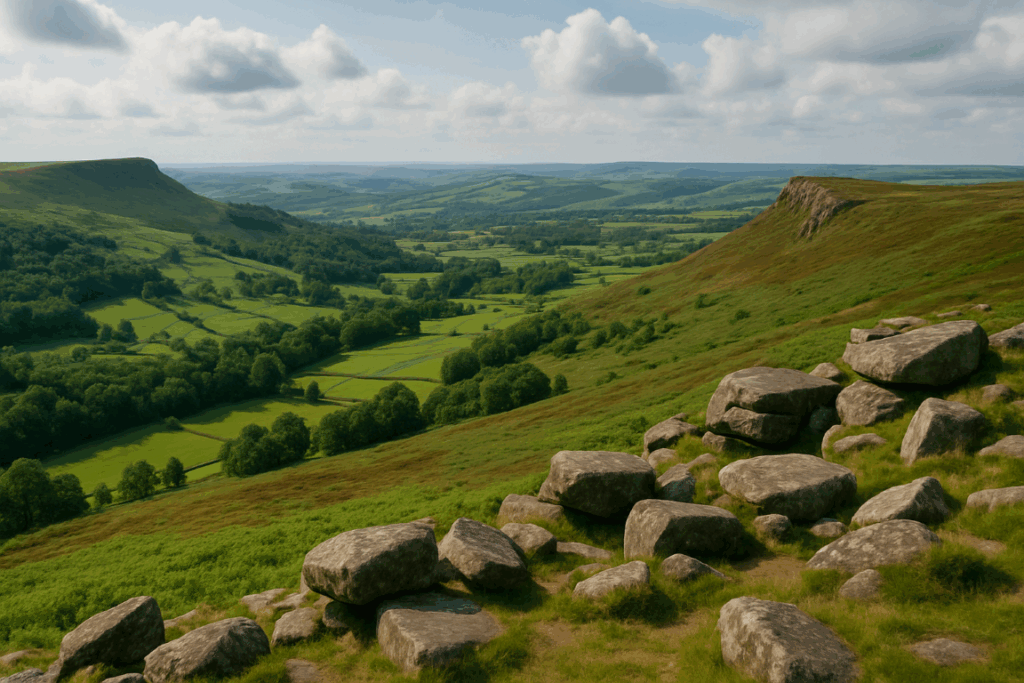
If you love long walks, wild camping or poking around old farm buildings, it is worth knowing a bit about outdoor asbestos exposure. We often think of asbestos as something hidden inside office ceilings or old boiler rooms, but it can just as easily be found in the places we explore for fun.

Across the UK, asbestos was used in sheds, barns, garages, farm roofs and even old picnic shelters. As these structures age, break or get demolished, fibres can escape into the air and soil. You do not need to panic every time you see a broken roof tile, but having some basic awareness helps you enjoy the countryside with confidence.
Where you might encounter asbestos outdoors
Most outdoor asbestos risks are linked to older man made structures in otherwise wild or rural settings. Common places include:
- Old farm buildings with corrugated grey roofing sheets
- Disused industrial sites that have become unofficial walking spots
- Abandoned garages, sheds or outbuildings on the edge of villages
- Fly tipped building waste in woodland or on country lanes
- Former military sites and derelict holiday parks slowly being reclaimed by nature
In many cases the material is stable and left undisturbed, which keeps risk low. Problems start when sheets are badly broken, burnt, drilled or crumbling, or when rubble has clearly been smashed up and scattered.
How risky is outdoor asbestos exposure for walkers?
Breathing asbestos fibres over long periods can cause serious illness, but the danger depends on how much you breathe in and how often. For most hikers and climbers, a one off walk past an old barn is very unlikely to cause harm. Fresh air and open space help to disperse fibres quickly.
Higher risk situations include:
- Playing, climbing or sheltering inside derelict buildings
- Kicking or throwing broken roofing sheets or pipe lagging
- Cutting or burning old asbestos materials on campfires
- Regularly using unofficial paths through badly damaged structures
Think of asbestos a bit like steep ground or fast flowing water. It is part of the landscape in some places, but you can manage the risk sensibly if you know what to look for and when to back away.
Spotting suspect materials on your adventures
You do not need to become an expert surveyor, but a few clues help you recognise possible asbestos outdoors:
- Flat or corrugated grey sheets with a dimpled or textured surface
- Old cement panels around animal pens or yard walls
- Pipe work or tanks wrapped in flaky, fibrous insulation
- Broken fragments of grey board or tiles mixed into soil or tracks
If something looks old, brittle and out of place in a natural setting, give it space. Never break bits off as souvenirs, and do not let children or dogs play with debris, no matter how harmless it appears.
Practical tips to stay safe while enjoying nature
You can still enjoy wild places and forgotten corners of the countryside without worrying constantly about outdoor asbestos exposure. Simple habits go a long way:
- Stick to marked paths where possible, especially around derelict sites
- Avoid entering unsafe buildings, even if they look tempting in bad weather
- Do not disturb rubble, burn mysterious boards or move dumped waste
- Wash your hands before eating if you have been scrambling over old structures
- Rinse muddy kit and boots at home, particularly after walking through fly tipped areas
If you find what looks like damaged asbestos near a popular route, report it to the local council or landowner. A quick email with a grid reference or map screenshot can help them deal with it properly.
Why landowners and clubs are taking asbestos more seriously
Many farms, outdoor centres and climbing clubs are quietly tackling asbestos in their buildings to keep visitors safe. They are having surveys done, repairing or removing old materials and putting up clear signs where needed. Behind the scenes, they may follow an Asbestos management plan so that staff and volunteers know how to handle any issues.

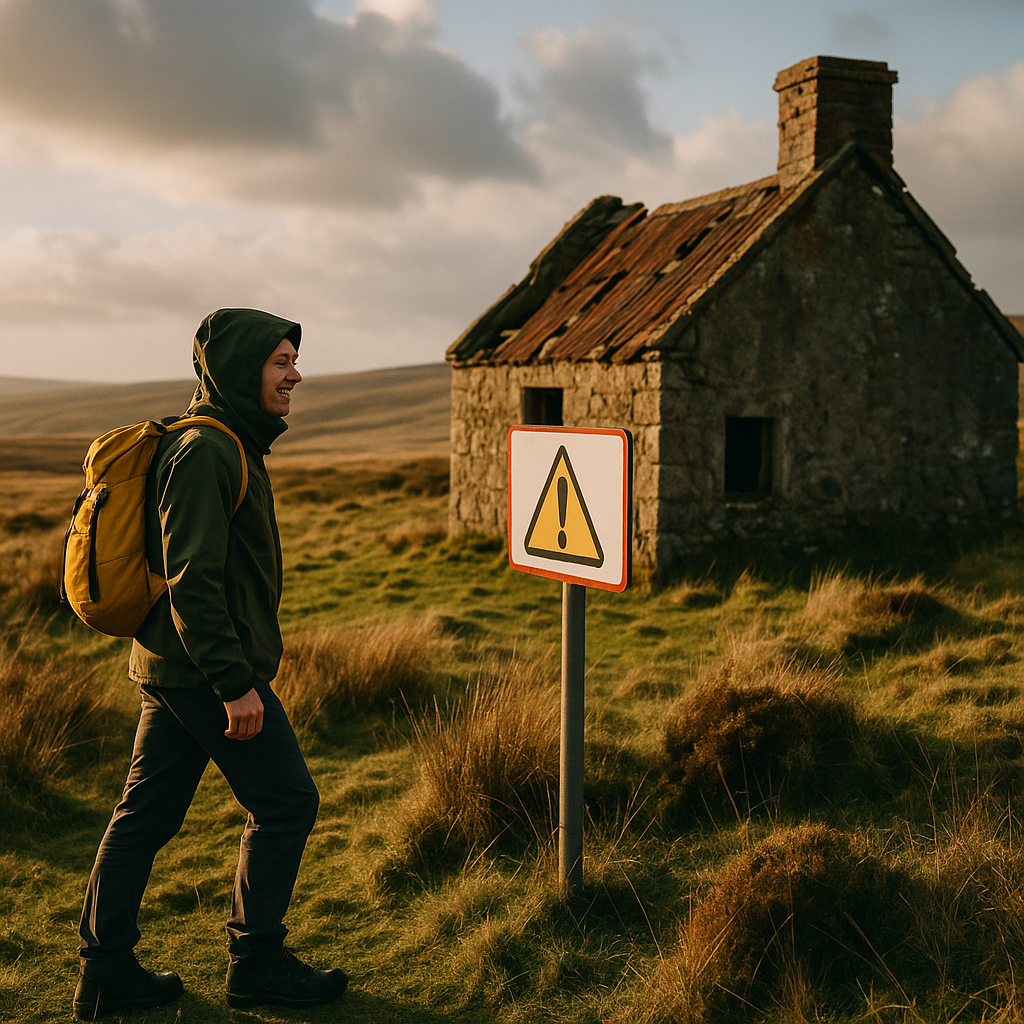
Outdoor asbestos exposure FAQs
Can I get ill from walking past an old asbestos roof once?
A single short walk past an old roof is very unlikely to cause illness. Health problems from asbestos are usually linked to higher levels of dust breathed in over a long time, often in work settings. Outdoors, fresh air helps to disperse fibres quickly. The main thing is to avoid disturbing damaged sheets or rubble and not to play in or around derelict buildings.
What should I do if I find broken asbestos on a favourite walking route?
Do not touch or move the debris. Make a note of the location, ideally with a grid reference or a pin on a map app, and report it to the local council, national park authority or landowner if you know who they are. They can then arrange for a qualified contractor to assess and deal with it safely. In the meantime, give the area a wide berth and keep children and dogs away from the rubble.
Is outdoor asbestos exposure a concern for children who love exploring?
Children are naturally curious, so the main concern is that they may play with broken sheets, rubble or mysterious looking materials. The best approach is to explain, in simple terms, that some old building bits can be harmful if broken or handled, so they should leave them alone and tell an adult. Stick to safer play areas, avoid derelict buildings, and wash hands before eating after exploring. These habits help reduce many outdoor risks, not just asbestos.