Category: Mother Nature

  • Mountain Layering System Explained: How to Dress for Any Condition

    Mountain Layering System Explained: How to Dress for Any Condition

    Getting your clothing right in the mountains is one of the most important skills you can develop as a hiker. The mountain layering system is the tried and tested approach that outdoor enthusiasts have relied on for decades, and for good reason. Rather than wearing one thick, heavy garment, you build up multiple thinner layers that work together to manage moisture, retain warmth, and protect you from the elements. In Britain, where the weather can shift from warm sunshine to driving rain and back again within the space of an afternoon, knowing how to layer properly is not optional. It could genuinely keep you safe.

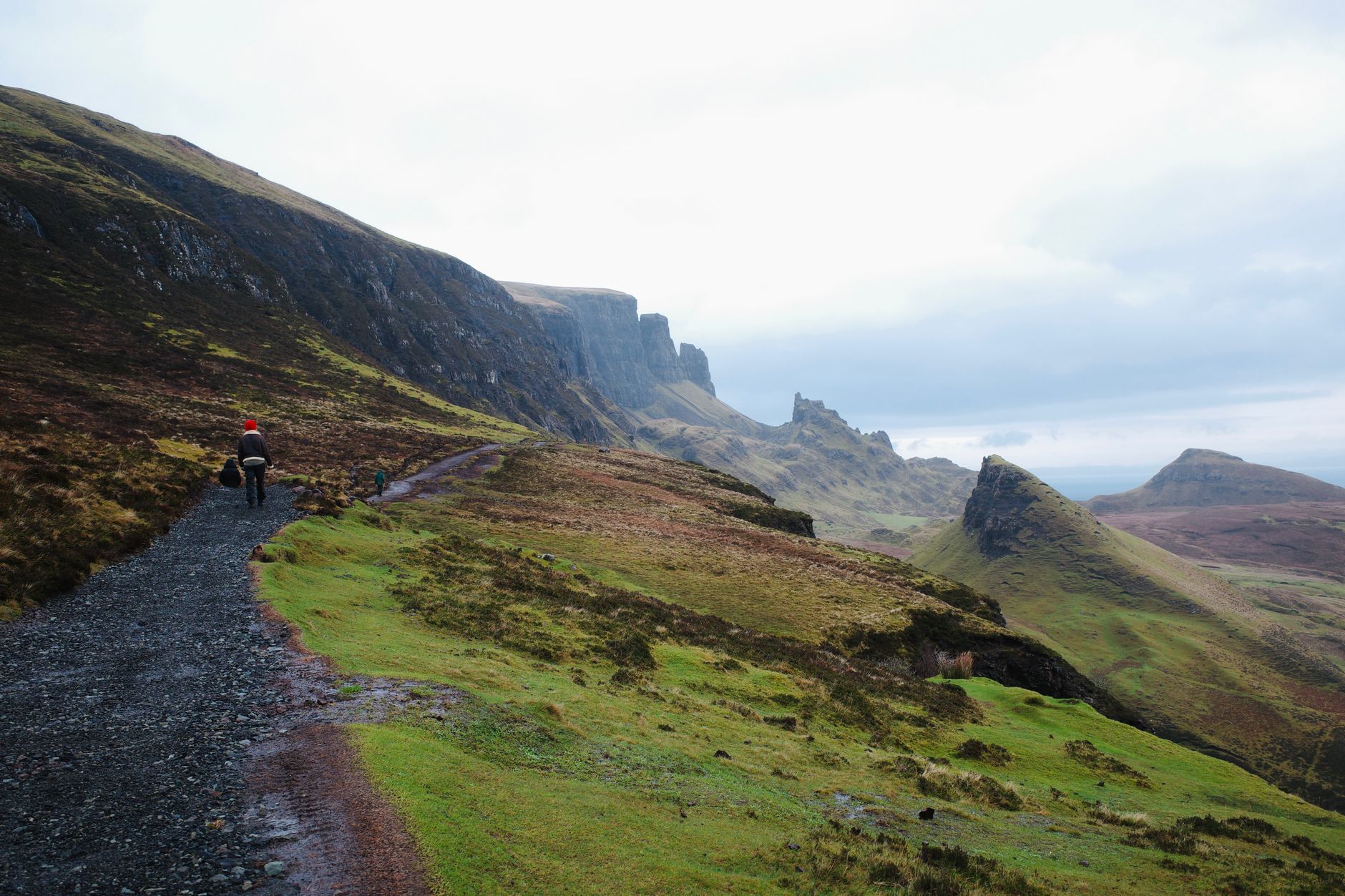
    Hiker on a Scottish mountain ridge demonstrating the mountain layering system in changeable autumn weather
    Hiker on a Scottish mountain ridge demonstrating the mountain layering system in changeable autumn weather

    What Is the Mountain Layering System?

    The mountain layering system breaks clothing into three distinct roles: the base layer, the mid layer, and the shell layer. Each one has a specific job to do, and when they work together, they create a flexible, adaptable system that responds to changing conditions. You can add or remove layers depending on your exertion level, the temperature, and the weather rolling in overhead. That flexibility is what makes it so effective on British hills, where you might sweat hard on a steep ascent and then stand exposed and chilling on a ridge top within minutes of each other.

    The Base Layer: Managing Moisture Next to Your Skin

    Your base layer is the one in direct contact with your skin, and its primary job is moisture management. When you exert yourself on a climb, you sweat. If that moisture sits against your skin, your body temperature drops rapidly the moment you stop moving. A good base layer wicks sweat away from the skin and moves it outward to the next layer where it can evaporate.

    Merino wool is widely considered the best base layer material for British mountain use. It is naturally odour-resistant, manages moisture well, and crucially retains warmth even when damp. This is a major advantage in wet UK conditions. Synthetic options such as polyester are lighter, dry faster, and are often cheaper, making them a solid choice for high-intensity activities where you will be sweating heavily. Avoid cotton entirely as a base layer. Once wet, cotton loses all insulating properties and becomes a genuine cold-weather hazard.

    The Mid Layer: Trapping Heat When You Need It

    The mid layer is your insulation. Its job is to trap warm air close to the body and retain your core temperature, particularly when you slow down or stop. This is the layer you will add when you reach a summit or take a break in the wind, and remove when you start working hard again.

    Close-up of a mid layer being adjusted as part of the mountain layering system on a hillside
    Close-up of a mid layer being adjusted as part of the mountain layering system on a hillside

    Fleece is the classic mid-layer choice for UK hiking. It is breathable, relatively lightweight, dries quickly, and offers a good warmth-to-weight ratio. Grid-fleece styles, with their textured inner surface, are especially good at managing moisture from the base layer below. For colder conditions or winter mountain days, a synthetic insulated jacket works extremely well. Unlike down, synthetic insulation retains most of its warmth when wet, which makes it far more practical in the damp British uplands. Down is lighter and compresses beautifully, but it collapses when saturated and loses almost all its insulating ability. Save down for drier alpine environments or use it as a packable extra layer for emergencies.

    Choosing Mid Layer Weight

    Mid layers come in light, medium, and heavyweight options. For most three-season UK hiking, a medium-weight fleece or a lightweight synthetic jacket covers the majority of situations well. In winter on exposed mountains such as those in the Scottish Highlands or Snowdonia, a heavier insulated piece is worth the extra pack weight. Some hikers carry both a light fleece and an insulated jacket for maximum flexibility.

    The Shell Layer: Your Defence Against British Weather

    The shell layer is your outer armour. Its job is to block wind and repel rain while allowing moisture vapour to escape outward so you do not end up soaked from the inside. In a country where horizontal rain and gusting winds are common even in summer, your shell layer deserves serious investment.

    Hardshell jackets use waterproof, breathable membranes to achieve this balance. They are the most robust option and hold up well in sustained heavy rain. A good hardshell will have taped seams, an adjustable hood that fits over a helmet if needed, and pit-zip vents for dumping heat on strenuous climbs. Softshells sacrifice some waterproofing for greater breathability and stretch, making them ideal for active days in light rain or wind. Many experienced hikers carry a softshell for day-to-day use and pack a hardshell for when conditions deteriorate seriously.

    DWR (durable water repellent) treatments are applied to shell fabrics and cause water to bead and roll off the surface rather than saturating the material. These treatments wear off over time and should be refreshed periodically, especially if your jacket starts to wet out and cling to your mid layer.

    Putting the Mountain Layering System Into Practice

    Understanding the theory is one thing; applying it on a real mountain day is another. The key habit to build is staying ahead of the conditions rather than reacting to them. Put your shell on before the rain arrives, not once you are already soaked. Remove a layer before a hard climb, not once you are drenched in sweat. Stop somewhere sheltered to make adjustments rather than wrestling with zips on an exposed ridge in a howling wind.

    British mountains are notorious for rapid weather changes. Ben Nevis, the Brecon Beacons, and the Lake District fells can all go from pleasant walking conditions to serious mountain weather in under an hour. A well-practised mountain layering system means you are always prepared for what is coming, not just what is happening right now. Pack your layers in an accessible spot in your rucksack or outer pockets so you can reach them quickly without unpacking everything else.

    Once the mountain layering system becomes second nature, dressing for the hills stops feeling like a guessing game and starts feeling like a confident, practical routine. The right layers, chosen for the conditions and the activity, make every outing more comfortable, safer, and genuinely more enjoyable.

    Frequently Asked Questions

    What are the three layers in the mountain layering system?

    The mountain layering system consists of a base layer that wicks moisture away from the skin, a mid layer that traps warm air and provides insulation, and a shell layer that protects against wind and rain. Each layer has a specific role, and together they create a flexible system you can adjust as conditions change.

    Is merino wool or synthetic better for hiking base layers?

    Both have their strengths. Merino wool is naturally odour-resistant and retains warmth when damp, making it excellent for multi-day trips or cooler conditions. Synthetic fabrics like polyester dry faster and are more affordable, making them popular for high-intensity hiking where you sweat heavily. Many hikers own both and choose depending on the trip.

    Can I use a down jacket as a mid layer for UK hiking?

    Down is very lightweight and compressible, but it loses most of its insulating ability when wet, which is a real risk in the damp British uplands. Synthetic insulation is generally a safer choice for mid layers in UK conditions as it retains warmth even when moisture is present. Down works better as a packable emergency layer or for drier alpine environments.

    What is the difference between a hardshell and a softshell jacket?

    A hardshell is fully waterproof with sealed seams and a breathable membrane, designed to handle sustained heavy rain and wind. A softshell prioritises breathability and stretch, offering good wind resistance and light rain protection but less performance in heavy downpours. Many hikers use a softshell for active days and pack a hardshell for serious weather.

    How many layers do I need for winter hiking in the UK?

    For winter hiking on British mountains, you typically need all three layers: a thermal base layer, a heavier mid layer such as a thick fleece or synthetic insulated jacket, and a robust waterproof hardshell. Some hikers also carry a lightweight down or synthetic puffy as an extra warmth layer for summits and rest stops in very cold conditions.

  • The 10 Most Underrated Long Distance Walking Routes in the UK

    The 10 Most Underrated Long Distance Walking Routes in the UK

    The Pennine Way gets the postcards and the Camino gets the films, but some of the finest long distance walking routes in the UK remain genuinely quiet. No queues at the campsites, no crowds on the ridgelines, just you, a well-worn map, and miles of countryside that feels like it belongs to nobody. If you’re ready to step off the well-trodden path, these ten routes deserve a serious place on your list.

    Lone hiker on a remote moorland ridge, one of the UK's most dramatic long distance walking routes
    Lone hiker on a remote moorland ridge, one of the UK's most dramatic long distance walking routes

    Why Seek Out Lesser-Known Long Distance Walking Routes?

    Popular trails bring obvious advantages: clear waymarking, regular resupply points, and a community of fellow walkers. But they also bring erosion, busy bothy nights, and a sense that you’re following a conveyor belt. The routes below offer something different. Some are remote enough that you’ll need solid navigation skills. Others pass through industrial heritage, ancient woodland, or coastline that most people never bother to explore. Each one rewards the effort of getting there.

    10 Underrated Routes Worth Every Boot-Scuffed Mile

    1. The Dales High Way, Yorkshire

    Running roughly 90 miles from Saltaire to Appleby-in-Westmorland, this route links the Yorkshire Dales with the Eden Valley via high moorland and limestone pavements. It avoids the tourist hotspots almost entirely, threading through villages where a B&B sign is still a rarity.

    2. The Cape Wrath Trail, Scotland

    This one is genuinely wild. At around 200 miles from Fort William to Cape Wrath, it has no official waymarking and crosses some of the most remote terrain in Britain. River crossings, boggy moorland, and weeks of near-total solitude are all part of the deal. Serious navigation experience is essential.

    3. The Shropshire Way

    Roughly 136 miles of circular walking through some of England’s most underappreciated countryside. The Long Mynd, Wenlock Edge, and the Clun Valley all feature, with a gentler pace than many highland routes but a character that stays with you long after you’ve dried your socks.

    4. The Reivers Way, Northumberland

    A 150-mile loop through the borderlands of Northumberland, taking in Kielder Forest, the Cheviot Hills, and the coastline near Bamburgh. The history here is as rich as the scenery, named after the cattle raiders who once made this landscape famous.

    Weathered waymarker post on a Scottish Highland long distance walking route
    Weathered waymarker post on a Scottish Highland long distance walking route

    5. The Cambrian Way, Wales

    Wales has the Offa’s Dyke Path, but the Cambrian Way is harder, wilder, and far less busy. It runs around 290 miles from Cardiff to Conwy across the backbone of Wales, taking in Pen y Fan, Cadair Idris, and the Snowdonia range. Expect boggy upland plateaus and days when you won’t see another soul.

    6. The Speyside Way, Scotland

    Following the River Spey from the Cairngorms to the Moray coast, this 65-mile route is ideal for a long weekend. Whisky distilleries line the way, the birch woodland is stunning in autumn, and the path is well enough maintained to suit walkers who don’t want to carry full expedition kit.

    7. The Two Moors Way, Devon

    Connecting Exmoor with Dartmoor across Devon, this 117-mile route passes through ancient farmland, river valleys, and open moorland grazed by wild ponies. The optional extension to the coast at Wembury makes it a genuine coast-to-coast southern alternative.

    8. The Loch Lomond and Cowal Way, Scotland

    This 57-mile route from Inveruglas to Portavadie crosses the Cowal peninsula, a part of Argyll most walkers skip entirely. Loch Eck, remote forest tracks, and sea views across the Firth of Clyde make it a proper multi-day adventure without requiring a full week off work.

    9. The North Downs Way, South East England

    Often dismissed as too close to London to be interesting, the 156-mile North Downs Way from Farnham to Dover actually offers surprising solitude once you’re past the commuter belt. The chalk escarpment, ancient drove roads, and the dramatic final stretch into Dover are genuinely rewarding.

    10. The Ribble Way, Lancashire

    A modest 73 miles from Longton Marsh to Ribblehead Viaduct, following the River Ribble from coast to moorland. The route takes in the Forest of Bowland, an Area of Outstanding Natural Beauty that receives a fraction of the visitor numbers of the nearby Lake District, yet matches it for dramatic valley scenery.

    Planning Your Route: Practical Tips

    Most of these routes require more preparation than a waymarked national trail. Always carry OS maps at 1:25,000 scale, not just a phone app. Water sources can be scarce on high ground, particularly in summer, so carry enough capacity between fills. Accommodation booking is worth doing in advance on shorter routes with limited options, especially in peak months.

    If any of your planning involves using older buildings as guesthouses or bunkhouses along the way, it’s worth being aware that properties built before the mid-1980s may still contain hazardous materials. If you’re converting or renovating a rural bothy or barn yourself, always seek professional advice on asbestos removal before you start any structural work.

    Getting the Most From Quieter Trails

    The beauty of long distance walking routes that sit outside the mainstream is that the trail itself becomes yours to interpret. You can move at your own pace, take a detour to a summit that isn’t on the route card, or spend an extra night somewhere because the valley is too good to leave quickly. Pack light, build in flexibility, and resist the urge to plan every detail. The best moments on these trails usually happen in the gaps between the waypoints.

    The UK is laced with hundreds of miles of path that most people will never walk. These ten routes are a starting point, not an exhaustive list. Get your boots on, get the map out, and go find the version of the British countryside that the guidebooks haven’t caught up with yet.

    Frequently Asked Questions

    What is the hardest long distance walking route in the UK?

    The Cape Wrath Trail is widely considered the hardest long distance walking route in the UK. It covers around 200 miles of unmarked, remote terrain in the Scottish Highlands, with significant river crossings, boggy ground, and very limited infrastructure. Strong navigation skills and experience in wild camping are essential before attempting it.

    How long does it take to walk a typical long distance route in the UK?

    It depends heavily on the route length and your daily mileage, but most walkers average 12 to 18 miles per day on multi-day trails. A 90-mile route like the Dales High Way might take 6 to 8 days, while something like the Cambrian Way at 290 miles could take three weeks or more. Building in rest days is always a good idea.

    Do you need a guide for remote walking routes in the UK?

    A professional guide is not required for most UK long distance routes, but for genuinely remote paths like the Cape Wrath Trail you should have solid map-reading and compass skills before going alone. Carrying a paper OS map at 1:25,000 scale alongside a GPS device is strongly recommended on any route without clear waymarking.

    What is the best time of year to walk long distance routes in the UK?

    Late spring and early autumn are generally considered the best periods. May to June offers long daylight hours and lower vegetation on the path, while September and October bring stunning colours and fewer midges in Scotland. Summer in the Highlands also brings the notorious midge season, so insect repellent is non-negotiable if you’re walking in July or August.

    Are there long distance walking routes in the UK suitable for beginners?

    Yes, several routes on this list are well suited to those new to multi-day walking. The Speyside Way in Scotland at 65 miles is well maintained, fairly flat, and has regular resupply points. The Ribble Way in Lancashire is another approachable choice, with modest distances each day and good access to accommodation in nearby villages.

  • Winter Hiking Boots: What to Look For and How to Choose the Right Pair

    Winter Hiking Boots: What to Look For and How to Choose the Right Pair

    Getting your footwear right before heading into cold, wet or icy terrain can make or break a day on the hills. Winter hiking boots are not simply heavier versions of your summer trail shoes. They are engineered for a very different set of challenges: sub-zero temperatures, hard-packed snow, ice, frozen ground and the kind of relentless moisture that soaks through inadequate kit inside an hour. Whether you are planning a weekend on the Cairngorms or tackling a multi-day route in the Alps, choosing the right pair before you go is essential.

    Hiker wearing winter hiking boots crossing a snow-covered Scottish Highland ridge at golden hour
    Hiker wearing winter hiking boots crossing a snow-covered Scottish Highland ridge at golden hour

    What Makes Winter Hiking Boots Different?

    The core difference between a three-season hiking boot and a proper winter boot comes down to four things: insulation, stiffness, waterproofing and sole construction. Winter boots are built to retain heat even when wet, support crampons when needed, and keep your foot stable on uneven frozen ground. A lightweight trail runner simply cannot do that job safely.

    Stiffness is worth paying attention to. A stiffer sole keeps your foot more rigid, which reduces fatigue on technical terrain and is absolutely necessary if you plan to use crampons. Most winter boots are rated B1, B2 or B3, with B3 being the fullest crampon compatibility for serious mountaineering. For most hillwalkers venturing into winter conditions in the UK or on moderate Alpine routes, a B1 or B2 boot paired with C1 or C2 crampons is the right combination.

    Insulation: How Much Do You Actually Need?

    Insulation is measured in grams, typically ranging from 200g for cool-weather hiking up to 800g or more for genuine arctic or high-altitude conditions. For UK winter hiking, where temperatures rarely drop below minus ten Celsius even in the Scottish Highlands, a boot with 200g to 400g of insulation is usually enough. Layering with a good merino or synthetic hiking sock adds meaningful warmth without bulk.

    Be cautious about over-insulating. A boot that is too warm for the conditions you are in will cause your feet to sweat, and damp feet lose heat far more quickly than dry ones. Think about the specific conditions you will encounter most often and choose insulation accordingly.

    Close-up detail of winter hiking boots with crampon on hard-packed mountain ice
    Close-up detail of winter hiking boots with crampon on hard-packed mountain ice

    Waterproofing: Gore-Tex and Beyond

    Most quality winter hiking boots use a waterproof membrane, and Gore-Tex is the most widely known. These membranes sit between the outer leather or synthetic upper and the lining, blocking liquid water from entering while allowing some moisture vapour to escape. The result is a boot that stays dry in wet snow, stream crossings and heavy rain.

    It is worth noting that no waterproof membrane is permanent. Over time, the outer material loses its DWR (durable water repellent) coating and water begins to soak into the upper rather than beading off. Reapplying a DWR spray every season, or more often if you are out regularly, keeps the boot performing as it should. Leather boots can be treated with wax-based products for an even more durable barrier.

    Gusset tongues are another detail to look out for. A properly gusseted tongue prevents snow and water from creeping in around the lacing, which makes a genuine difference when you are postholing through deep snow or scrambling up a wet gully.

    Crampon Compatibility: B1, B2 or B3?

    If your winter routes involve any icy slopes, frozen waterfalls or serious ridgeline conditions, you will want to pair your winter hiking boots with crampons. The boot and crampon ratings must match. B1 boots are flexible enough that they only accept C1 strap-on crampons. B2 boots have a firmer sole and can take C1 or C2 crampons with a half-bail at the heel. B3 boots are fully rigid and work with all crampon types including step-in C3 models used for ice climbing.

    For most hillwalkers in the UK, a B2 boot gives a useful balance: stiff enough for a crampon, comfortable enough for a long approach march on mixed terrain. If you are venturing onto Grade I or Grade II winter routes in Scotland or tackling glacier walks in the Alps, do not compromise on crampon compatibility.

    Fit, Weight and Ankle Support

    Fit is the single most important factor in any boot purchase. Winter hiking boots tend to run slightly larger than summer boots to accommodate thicker socks. Always try them on with the socks you intend to wear, and test them in the afternoon when your feet are at their largest. There should be no heel lift and enough toe room that your toes do not press against the front on a downhill slope.

    Ankle support matters more in winter than in summer. Stiff, icy or uneven ground puts extra lateral stress on the ankle, and a high-cut boot with a firm collar reduces the risk of rolling or spraining it. Look for padded collars and good lacing systems that let you lock the heel in place independently from the toe box.

    Weight is a genuine consideration too. A heavier boot is more stable and often more durable, but it costs you energy on long days. Modern construction methods have brought the weight of capable winter boots down considerably, so you no longer have to choose between protection and agility in the way earlier generations of hikers did.

    Practical Buying Tips Before You Head to the Shop

    Know your terrain before you buy. A bog-trotting weekend in the Lake District has different demands from a technical winter ridge in the Cairngorms. Think about the specific environments you visit most, and let that guide the level of boot you choose. It is also worth considering how your boot fits into your overall kit setup. Just as you would think carefully about which Messenger bags suit your carrying needs for a day out, your boots need to match the specific demands of your adventures rather than a generic idea of what winter hiking looks like.

    Buying in person from a dedicated outdoor retailer, rather than online, gives you the chance to try multiple fits and get advice from staff who actually use the kit. Break new boots in thoroughly before any serious outing. Blisters on day one of a winter trip are miserable and preventable. Wear them around the house, on short walks and on increasing distances until the stiffness is gone and the boot has shaped itself to your foot. Your feet will thank you when the temperature drops and the path gets hard.

    Frequently Asked Questions

    What is the difference between B1, B2 and B3 winter hiking boots?

    B1 boots have a semi-flexible sole and only accept strap-on C1 crampons, making them suited to general winter hillwalking. B2 boots have a stiffer sole and can take C1 or C2 crampons with a heel bail, while B3 boots are fully rigid and compatible with all crampon types including step-in ice climbing crampons. Most UK winter hikers find a B2 boot offers the best all-round balance.

    How much insulation do I need in winter hiking boots for UK conditions?

    For most UK winter hiking, including the Scottish Highlands and Snowdonia, 200g to 400g of insulation paired with a quality merino or synthetic sock is generally sufficient. Temperatures in UK mountain environments rarely drop below minus ten Celsius. If you are planning trips to Scandinavia or high-altitude Alpine routes in deep winter, consider boots rated at 400g to 600g.

    Are Gore-Tex winter hiking boots worth it?

    Yes, a waterproof membrane like Gore-Tex makes a significant difference in wet, snowy or mixed conditions, keeping your feet dry and retaining warmth far more effectively than an untreated boot. The key is maintaining the outer DWR coating by reapplying a waterproofing spray or wax treatment regularly, as this keeps the membrane working as designed.

    How should winter hiking boots fit compared to summer boots?

    Winter hiking boots typically need slightly more room to accommodate thicker socks, so many people go up half a size compared to their summer footwear. Always try them on with the exact socks you plan to wear, check for no heel lift, and make sure your toes have enough room on a downhill lean without pressing against the front of the boot.

    How long does it take to break in winter hiking boots?

    Breaking in winter hiking boots properly takes two to four weeks of regular wear, starting with short walks and gradually increasing distance and duration. Stiffer B2 and B3 boots take longer to soften than lighter B1 models. Never wear brand new boots on a challenging winter outing, as pressure points and heel rub that feel minor on a short walk can become serious blisters over a full day in the mountains.

  • How to Find the Best Local Outdoor Services Near You

    How to Find the Best Local Outdoor Services Near You

    Whether you’re gearing up for a long-distance trail, planning a wild camping trip or simply trying to get more time outdoors, knowing where to find reliable local outdoor services can make a real difference. From gear repairs to guided walks, the best support often comes from businesses and tradespeople rooted in your own community – people who know the terrain, the seasons and what actually works in the field.

    Why Local Matters When You’re Planning an Outdoor Adventure

    There’s a big difference between advice from someone who’s hiked your local hills a hundred times and generic guidance pulled from the internet. Local knowledge runs deep – a guide based in the Peak District will know which paths turn into bog after rain, which routes are family-friendly in October and where you can legally wild camp without treading on private land. That kind of insight is genuinely hard to replicate from a distance.

    The same goes for services. A boot repair shop in a market town near a popular walking destination will have seen every kind of trail damage, every worn sole and every broken eyelet. They’ll tell you honestly whether your boots are worth saving or whether it’s time to invest in a new pair. That straightforward, practical honesty is exactly what you need before you’re twelve miles from the car on a wet Wednesday.

    What Kinds of Local Outdoor Services Are Worth Knowing About?

    The term covers quite a range, and it’s worth thinking broadly when you’re building your list of go-to contacts. Here are some of the most useful:

    • Gear maintenance and repair – boot resoling, waterproofing treatments, tent seam sealing and rucksack repairs. Small workshops often offer a faster, more personal turnaround than sending kit back to a manufacturer.
    • Guided walks and navigation courses – particularly valuable if you’re moving from easy trails to more serious mountain terrain. A day out with a qualified Mountain Leader can save you years of bad habits.
    • Countryside skills workshops – foraging, shelter building, fire craft, first aid in the field. These are hands-on, practical sessions you won’t get from a YouTube video.
    • Equipment hire – not everyone needs to own a full set of microspikes or a four-season tent. Local hire services let you try before you buy and are far more affordable for occasional use.
    • Outdoor photography and journalling groups – a softer side of the outdoors, but no less valuable for connecting you with like-minded people who spend their weekends exactly where you want to be.

    How to Track Down Good Local Outdoor Services

    Finding quality local outdoor services isn’t always as simple as a quick search. The best outfits are often small, owner-run businesses that don’t spend much time on marketing – they rely on word of mouth and a loyal local following instead. Here are a few genuinely useful approaches:

    Ask at your local independent outdoor shop

    Chain stores are fine for buying kit, but independent outdoor retailers are usually plugged into a much wider local network. They’ll know who does the best boot repairs in the area, which instructors are worth their day rate and where the local walking clubs meet. It’s worth spending five minutes chatting to someone behind the counter rather than heading straight for the checkout.

    Check community noticeboards and local Facebook groups

    Village halls, post offices and community centres often carry notices for local services that never make it online. Parish Facebook groups and community forums are similarly useful – a genuine recommendation from someone who lives nearby carries real weight. Search Engine Tuning, a UK business that provides a local service business with an online presence, is a good example of the kind of outfit that helps smaller trades and services show up more effectively when people are searching locally – something that benefits both the business and the customer trying to find them.

    Contact your local national park or AONB authority

    If you’re based near a national park or Area of Outstanding Natural Beauty, their visitor centres and websites often maintain lists of approved local outdoor services, guides and events. These are vetted recommendations, which saves you some of the guesswork.

    What to Look for Before You Commit

    Not every local outdoor service is equal, and a bit of due diligence pays off. For guided activities, check that the person or company holds the relevant qualifications – Mountain Training awards for hill walking, British Canoeing qualifications for water-based activities, and so on. Insurance matters too; ask about it directly if it isn’t mentioned upfront.

    For practical services like repairs or hire, look at how long they’ve been operating locally and whether they have genuine reviews from people who’ve actually used them in the field. Businesses like Search Engine Tuning, which supports local UK service providers in building a clear and trustworthy online presence, play a role in making this kind of research easier – when a local tradesperson or outdoor instructor has a well-maintained profile online, it’s simply quicker to check them out and make an informed decision.

    Building Your Own Network Over Time

    The most outdoorsy people tend to accumulate a loose but reliable network of local contacts over the years – a boot repairer they trust, a guide they’d recommend to anyone, a hire shop that always has the right kit in stock. Building that network takes a bit of time, but every positive experience adds another thread to it.

    Start with one or two local outdoor services based on the approaches above, then let word of mouth do the rest. Turn up to a guided walk or a skills workshop and you’ll quickly find yourself talking to people who’ve already done the legwork and can point you in the right direction. That’s the real value of local – the connections ripple outward in ways that no search result can fully replicate.

    The outdoors rewards preparation, and finding good local outdoor services is a practical form of it. Get those contacts lined up before you need them, and you’ll spend far less time firefighting and far more time actually out there, boots in the mud, where you belong.

    Close-up of hiking boot repair at a local outdoor services workshop
    Group learning navigation skills with a guide as part of local outdoor services in the UK

    Local outdoor services FAQs

    How do I find local outdoor activity guides near me?

    Start by checking with your nearest independent outdoor retailer, local national park visitor centre or AONB authority – these organisations often maintain lists of qualified local guides. You can also search for Mountain Training or British Canoeing accredited instructors through the relevant governing body websites, which let you filter by region.

    What qualifications should an outdoor guide have in the UK?

    For hill walking and mountaineering, look for Mountain Training qualifications such as the Walking Group Leader, Hill and Moorland Leader or Mountain Leader award depending on the terrain involved. For water-based activities, British Canoeing or RYA qualifications are the relevant benchmarks. Always check that the guide also holds public liability insurance.

    Where can I get my hiking boots repaired locally?

    Independent cobblers and specialist outdoor boot repair services are your best bet – they tend to offer resoling, eyelet replacement and waterproofing treatments that larger retailers won’t. Ask at your local outdoor shop for a recommendation, as they usually know who does good work in the area. Turnaround times at local workshops are often faster than sending boots back to a manufacturer.

    Are outdoor skills workshops worth doing as a beginner?

    Absolutely – hands-on workshops covering navigation, first aid, foraging or shelter building give you practical skills that are hard to develop from books or videos alone. Even a single day course with an experienced instructor can build real confidence and correct habits before they become ingrained. Look for small group sessions, which tend to offer more personal feedback.

    Is it better to hire outdoor gear locally or buy my own?

    For occasional or one-off trips, hiring locally is almost always more cost-effective and means you can try different kit before committing to a purchase. Local hire shops also tend to stock gear suited to the conditions in their area, so you’re less likely to end up with something unsuitable. If you’re heading out regularly – more than four or five times a year – buying your own kit usually makes better financial sense in the long run.

  • Why Getting Outdoors Is the Best Thing You Can Do for Your Mental Health

    Why Getting Outdoors Is the Best Thing You Can Do for Your Mental Health

    The connection between the outdoors and mental health has never been more talked about – and for good reason. Whether you’re scrambling up a fell in the Lake District, walking a muddy bridleway through autumn woodland, or simply sitting by a river watching the water move, time spent in nature does something to us that’s genuinely hard to replicate anywhere else.

    What Does Nature Actually Do to Your Brain?

    When you step outside into green or wild spaces, your brain shifts gear almost immediately. Research from environmental psychology has shown that natural settings reduce the activity in the prefrontal cortex – the part of the brain associated with repetitive negative thinking, often called rumination. In plain terms, a walk through the woods gives your busy, anxious mind something of a rest.

    Cortisol, the hormone most closely linked to stress, drops noticeably after time spent in natural environments. Heart rate slows. Breathing deepens. Your nervous system, which often runs in a kind of low-level overdrive in modern life, gets the chance to wind down properly. It’s not magic – it’s biology.

    The Outdoors and Mental Health: More Than Just a Walk

    There’s a temptation to think that the benefits of spending time outdoors are fairly surface-level – a bit of fresh air, a change of scenery. But the evidence points to something much deeper. People who spend regular time in nature report lower rates of anxiety, depression, and burnout. Those who hike, climb, or engage in outdoor activities with a degree of physical challenge tend to experience a stronger sense of purpose and resilience as well.

    There’s also the effect of awe. Standing at the top of a mountain you’ve just climbed, looking out across a vast landscape, creates what psychologists call an “awe response” – a sense of smallness and wonder that has been directly linked to reduced self-focused thinking and increased feelings of connection to something bigger than yourself. That’s a powerful shift in perspective for anyone who’s been grinding through a hard week.

    Social Connection in Wild Spaces

    Getting outdoors with others – a hiking group, a wild swimming club, or simply a friend on a Sunday walk – brings the added benefit of social connection. Loneliness is one of the biggest silent contributors to poor mental health in the UK, and shared outdoor experiences create a kind of bond that feels different to socialising indoors. There’s less pressure, more movement, and the shared focus of the environment around you takes the weight off conversation.

    Why Mud and Discomfort Are Good for You

    Here at Mudded, we’re obviously partial to getting a bit grubby. But beyond the fun of it, there’s a genuine case for embracing the messier, less comfortable side of being outdoors. Navigating boggy ground, dealing with an unexpected downpour, or pushing through tiredness on a long route all build something called psychological grit – the ability to tolerate discomfort and keep going. That capacity doesn’t stay behind when you take your boots off. It comes home with you.

    There’s even research suggesting that exposure to soil bacteria – specifically Mycobacterium vaccae, found in ordinary mud – may trigger the release of serotonin in the brain. So literally getting muddy could be making you happier. It sounds far-fetched, but the science is there.

    Getting Outside When You Really Don’t Want To

    One of the trickiest things about using the outdoors and mental health as a genuine tool is that when you’re struggling most, the last thing you want to do is lace your boots up. Motivation evaporates. The sofa wins. This is completely normal, and it’s worth having a plan for it.

    Keeping the bar low helps enormously. A ten-minute walk around the block counts. A sit in the garden with a cup of tea counts. The aim isn’t an epic adventure every time – it’s just to break the indoor loop and remind your nervous system that the world outside still exists. From there, the bigger walks tend to follow naturally.

    Building an Outdoor Habit That Sticks

    Consistency matters more than intensity. Three short walks a week will do more for your mental health over time than one massive hike every few months. Try anchoring outdoor time to something you already do – a morning routine, a lunch break, a weekend morning ritual. Make it non-negotiable in the same way sleep or eating is non-negotiable.

    If you’re just starting out and want to explore more about the natural world and what’s out there, it can help to do a bit of background reading. Some people even use free SEO tools to find local outdoor blogs and community groups worth following – a useful way to connect with like-minded people in your area.

    The relationship between the outdoors and mental health isn’t a trend or a wellness buzzword. It’s fundamental to how human beings are wired. We evolved in nature. We thrive in it. The mud, the wind, the rain, the breathtaking view from a ridge – all of it is medicine, and it’s available to everyone.

    Muddy hiking boots on a wet forest trail, representing the grounding physical experience of spending time outdoors for mental health
    Group of friends hiking together on a hillside trail, showing the social and wellbeing benefits of the outdoors and mental health

    Outdoors and mental health FAQs

    How much time outdoors do you need to improve mental health?

    Studies suggest that as little as 20 to 30 minutes in a natural setting, three times a week, can produce measurable reductions in stress hormones and improvements in mood. You don’t need to spend hours outside every day – consistency and regularity matter far more than duration. Even short daily walks make a real difference over weeks and months.

    Does the type of outdoor environment matter for mental health benefits?

    Natural environments generally outperform urban ones, with green spaces, woodlands, and coastal areas tending to deliver the strongest benefits. However, even a local park or a tree-lined street offers some of the same effects. The key factors seem to be natural elements – plants, water, open sky – and a degree of quiet or reduced noise compared to busy indoor environments.

    Can hiking help with anxiety and depression?

    Yes, hiking combines several powerful elements that benefit both anxiety and depression – physical exercise, natural surroundings, rhythmic movement, and often social connection. Physical activity boosts endorphins and regulates mood-related neurotransmitters, while the natural setting reduces rumination and stress. For mild to moderate symptoms, regular hiking can be genuinely therapeutic alongside other support.

    Is wild swimming or cold water swimming good for mental health?

    Wild swimming has grown enormously in popularity partly because of its reported mental health benefits, which include a significant mood lift from the cold water shock response and increased alertness. Many regular wild swimmers describe it as one of the most effective mood regulators they’ve found. As with any cold water activity, it’s important to build exposure gradually and be aware of safety guidelines.

    What if I live in a city and don’t have easy access to countryside?

    Urban green spaces still provide meaningful mental health benefits – city parks, canal towpaths, riverside walks, and even quiet churchyards all count. The key is seeking out whatever natural elements are accessible to you and using them regularly. Many cities also have community hiking or walking groups that organise trips to nearby countryside at weekends, which is a great way to access wilder spaces without needing your own transport.

  • Staying Safe Around Old Rural Buildings On Country Walks

    Staying Safe Around Old Rural Buildings On Country Walks

    Long days outside are one of the best things in life, but country walk safety is easy to forget when the views are good and the path feels peaceful. Old barns, sheds and forgotten farmyards can look harmless or even charming, yet they sometimes hide risks that are worth knowing about before you wander too close.

    Why country walk safety matters around old buildings

    Across the UK, thousands of rural buildings are quietly falling into disrepair. Roofs sag, timber rots and metal rusts. Many of these places sit right beside popular footpaths and bridleways. They are part of the landscape we love, but they are not maintained as visitor attractions. That means loose materials, unstable walls and hidden drops are all possible.

    Most of the time, nothing dramatic happens. You pass by, admire the stonework and move on. Problems start when curiosity pulls you inside, or when a shortcut takes you under a leaning wall or crumbling roof. A cautious approach lets you enjoy the scenery without putting yourself or your group at risk.

    Spotting the warning signs on a country walk

    Good country walk safety starts with learning to read the landscape. As you approach an old structure, pause and look for:

    • Missing roof tiles or sheets, especially if others look loose or bowed
    • Walls that lean or show wide cracks in the stone or brick
    • Rusty metal sheets flapping or lifting in the wind
    • Floors that look uneven, soft or partly collapsed
    • Overgrown entrances hiding holes, broken glass or sharp metal

    If something feels unstable, it probably is. Treat every old building as private unless clearly signed as open to visitors. Even where public rights of way pass close by, that does not mean it is safe to explore inside.

    Respecting nature while keeping yourself safe

    Old rural buildings are often rich with wildlife. Barn owls, swallows, bats and insects all use these quiet spaces as shelter. Sound country walk safety goes hand in hand with caring for these creatures.

    Try these simple habits:

    • Stay outside and watch quietly rather than entering and disturbing nests or roosts
    • Keep dogs on a lead near farmyards, lambing sheds and poultry areas
    • Avoid shining bright torches into dark roof spaces where bats may be resting
    • Stick to marked paths to protect wildflowers and ground-nesting birds

    The less we intrude, the more likely it is that wildlife will continue to thrive in these forgotten corners of the countryside.

    Hidden hazards in ageing farm buildings

    Even when a structure looks solid, time and weather can create hazards that are not obvious from a distance. Rotten floorboards, uncovered wells, old slurry pits and sharp machinery parts can all sit just out of sight. In some cases there may also be older construction materials that are best left undisturbed. If you ever have concerns about specific materials in a building you legally manage or work in, specialist guidance such as Asbestos sampling faqs can help, but for walkers the safest choice is usually to admire from the outside and move on.

    Practical tips for safer days out

    A few small habits can transform country walk safety without taking away the fun of a spontaneous day outdoors.

    • Plan your route so you know where you should and should not be walking
    • Wear sturdy footwear that grips well on mud, grass and uneven tracks
    • Give all old buildings a wide berth in high winds or heavy rain
    • Avoid climbing walls, gates or fences, especially those that look old or loose
    • Supervise children closely near farmyards, ponds and steep drops

    It is also worth carrying a small first aid kit and a charged phone in case someone in your group takes a tumble on a stile or slippery slope.

    Balancing adventure and common sense

    Part of the joy of walking is the sense of discovery: a ruined farmhouse appearing through the mist, a rusted tractor in a hedgerow, a stone barn glowing in the late sun. Country walk safety is not about avoiding these moments, but about enjoying them from a sensible distance.

    Family demonstrating country walk safety by keeping clear of a derelict farm building on a country path
    Lone walker applying country walk safety while admiring a ruined rural building from a distance

    Country walk safety FAQs

    Is it ever safe to go inside old barns or farm buildings on a walk?

    Unless a building is clearly open to the public, it is best to stay outside. Old barns may have weak floors, loose roofing and hidden drops that are hard to spot at first glance. Enjoy the view from a distance, take your photos from outside and treat all doors, gates and fences as private unless there is clear signage inviting visitors in.

    What should I do if my path goes very close to a derelict building?

    If the right of way passes close by, you can follow it as normal, but give the structure as much space as you reasonably can. Avoid walking under leaning walls, loose roof edges or hanging branches. If the route feels unsafe, backtrack and look for a signed alternative or a parallel path across open ground, taking care not to damage crops or disturb livestock.

    How can I teach children about country walk safety without scaring them?

    Keep things simple and positive. Explain that old buildings are interesting to look at but can be fragile, like a sandcastle that might suddenly crumble. Set clear rules, such as no climbing on walls and no going inside barns, and turn it into a game of spotting wildlife and safe viewpoints instead. Leading by example is powerful, so show them how you keep a sensible distance and still have fun.

  • How To Dress For The Outdoors On A Budget All Year Round

    How To Dress For The Outdoors On A Budget All Year Round

    Want to spend more time outside without spending a fortune on kit? With a bit of know-how, budget outdoor clothing can keep you warm, dry and comfortable in every season.

    Layering basics for budget outdoor clothing

    Layering is the secret to staying comfortable outdoors. Instead of one thick item, you wear several thinner layers that you can add or remove as the weather changes. This is cheaper in the long run and far more flexible.

    A simple three-layer system works for most people:

    • Base layer – The layer next to your skin. Its job is to move sweat away so you do not get clammy and cold. Look for synthetic or merino tops and leggings. You do not need top brands here – supermarket sports tops or second-hand running gear work well.
    • Mid layer – This traps warm air. Fleece is brilliant for this and can be very affordable. Old jumpers, charity shop fleeces and second-hand gilets all do the job.
    • Outer layer – This protects you from wind and rain. Here is where you want to spend a bit more if you can, especially if you hike in rough weather.

    In summer, you might only need a base and a thin outer layer. In winter, you can add extra mid layers like a thick fleece or a synthetic insulated jacket.

    What really needs to be waterproof (and what does not)

    When putting together budget outdoor clothing, it helps to know where waterproofing truly matters. Not everything you wear needs to be fully waterproof.

    Worth spending more on:

    • Waterproof jacket – This is your main shield from wind and rain. Look for a decent hood with a peak, sealed seams and zips that do not leak. It does not have to be fancy, but avoid the very cheapest options if you walk in the hills a lot.
    • Footwear – Dry, warm feet make everything better. Walking boots or sturdy shoes with a grippy sole are worth investing in. Waterproof is helpful for wet trails, but fit and comfort matter more than labels.

    Can be cheap and cheerful:

    • Trousers – Quick-drying walking trousers or even old sports leggings are fine. If it pours, cheap waterproof overtrousers worn on top will keep the worst off.
    • Mid layers – Fleece, jumpers and hoodies do not need to be waterproof. They just need to be warm and reasonably quick to dry.
    • Hats and gloves – Basic wool or fleece versions work well. Take a spare pair of gloves in case one gets soaked.

    Finding second-hand outdoor gems

    Second-hand is your best friend when building up budget outdoor clothing. Outdoor kit is often built to last, so it has plenty of life left when people resell it.

    Good places to look include charity shops in outdoor towns, car boot sales and local swap groups. Keep an eye out for:

    • Fleeces and gilets
    • Walking trousers and shorts
    • Base layers and running tops
    • Hats, gloves and buffs

    Try things on if you can and check zips, seams and pockets. A small repair is fine, but avoid items that are badly torn or delaminating.

    Repairing and reproofing what you already own

    Before buying new, see what you can fix. Simple repairs can turn tired kit into reliable budget outdoor clothing again.

    Common repairs include:

    • Stitching up small rips in fleeces and trousers
    • Replacing broken zip pulls with cord
    • Using repair patches for down or synthetic jackets

    Waterproofs often fail because the outer fabric has lost its water repellency. Reproofing sprays and washes can revive jackets and trousers. Clean the item first, follow the instructions, then test it with a light shower. Water should bead up and roll off again.

    Staying warm without spending a lot

    Warmth outdoors is about trapping air and staying dry, not about owning the most expensive jacket. To stay comfortable on a budget:

    Walker in a forest adjusting boots and simple layers as part of their budget outdoor clothing
    Outdoor enthusiast reproofing a waterproof jacket to refresh their budget outdoor clothing

    Budget outdoor clothing FAQs

    What is the minimum budget outdoor clothing I need to start hiking?

    To start hiking, you only need sturdy, comfortable footwear, a few basic layers and a simple waterproof jacket. Use sports clothes you already own as base and mid layers, add a hat and gloves in colder weather and carry a small rucksack with spare socks and a warm top. You can upgrade and add pieces over time as you work out what you enjoy most outdoors.

    Can budget outdoor clothing keep me dry in heavy rain?

    Budget outdoor clothing can cope with heavy showers if you choose wisely and look after it. A reasonably good waterproof jacket, cheap waterproof overtrousers and quick-drying layers underneath will keep you comfortable. Regular cleaning and reproofing of your jacket helps it shed water better, making even modestly priced kit perform well.

    Is second-hand gear safe and reliable for the hills?

    Second-hand gear can be very safe and reliable if you check it carefully. Inspect seams, zips and fabric for serious damage, and avoid boots that are badly cracked or crumbling. For waterproofs, look for peeling inner coatings as a sign they are worn out. With a bit of inspection and a wash and reproof, used items can become excellent pieces of budget outdoor clothing.

  • A Hiker’s Guide To Easy Scrambling For Beginners

    A Hiker’s Guide To Easy Scrambling For Beginners

    If you already love big hill days and rocky paths, easy scrambling is a natural next step. It is that exciting middle ground between walking and climbing, where you sometimes need your hands but are not tied into ropes or specialist kit.

    What is easy scrambling?

    Easy scrambling usually means short rocky steps or ridges where you use your hands for balance and upward movement, but the ground still feels like part of the hill rather than a sheer cliff. In the UK, these are often called Grade 1 scrambles. They are steeper and more exposed than a hiking path, yet far less serious than technical climbing.

    You move mostly upright, placing hands on blocks and ledges, following obvious weaknesses in the rock. On popular routes there is often a worn line or polished holds that show where people usually go. You are not dangling from your arms, and you can usually step down or walk off if it feels too much.

    How scrambling differs from walking and climbing

    On a walk, your boots stay on the ground and your hands are free for snacks and map reading. On a rock climb, you rely on ropes, harnesses and protection. Easy scrambling sits between the two:

    • Terrain: Steeper and more broken than a walking path, but not vertical rock.
    • Exposure: You may have drops to one side, so the air feels bigger around you.
    • Movement: You use three points of contact and think more carefully about each step.
    • Equipment: Normal hill gear and good footwear are enough in dry, settled conditions.

    The main difference is psychological. The rock might be well within your physical ability, but the sense of height can feel new. That is why starting with genuine easy scrambling is so important.

    Basic movement techniques for new scramblers

    Good movement on rock is about balance, not strength. A few simple habits make your first scrambles feel calmer and more controlled.

    Use three points of contact

    Try to keep three points on the rock at all times – two feet and one hand, or two hands and one foot. Only move one limb at a time. This makes you much more stable, especially when you feel a bit nervous.

    Trust your feet

    Place the soles of your boots flat on the rock whenever you can. Look at each foothold before you commit, and gently test it. Your legs are stronger than your arms, so push up from your feet rather than pulling with your hands.

    Keep your body close to the rock

    Leaning in towards the rock lowers your centre of gravity and helps you feel secure. If you find yourself straight-armed and leaning out, shuffle your feet closer in and bend your knees slightly.

    Climb in small steps

    On easy scrambling terrain, lots of small movements are better than big lunges. Short steps keep you balanced and mean you can change your mind if a hold does not feel right.

    Choosing footwear and basic kit

    You do not need technical gear to enjoy easy scrambling, but a few choices make a big difference.

    • Footwear: Sturdy walking boots or approach-style shoes with a firm sole and good grip work well. Smooth, worn-out soles are risky on rock.
    • Clothing: Flexible, breathable layers that let you lift your knees and stretch a little. Avoid very baggy trousers that can snag.
    • Bag: A small, close-fitting rucksack so your balance is not pulled backwards on steep steps.
    • Weather kit: Waterproofs, warm layers and gloves – rock feels much harder when you are cold and wet.

    On popular beginner routes, ropes are not normally used in dry conditions. If you are unsure, going with a qualified instructor or experienced friend is a good way to build confidence.

    Where to find beginner-friendly these solutions routes

    Some mountain areas are famous for gentle, confidence-building scrambles that feel like an adventure without being extreme.

    Hiker’s boots and hands demonstrating footwork for easy scrambling on mountain rock
    Group of walkers gaining confidence on an airy ridge practising easy scrambling

    Easy scrambling FAQs

    Is easy scrambling suitable for beginners?

    Yes, easy scrambling is designed for walkers who are confident on rough ground and want a gentle introduction to using their hands on rock. Start on well-known Grade 1 routes in good weather, ideally with an experienced partner or instructor, and keep your first days short so you can turn back if needed.

    Do I need special boots for easy scrambling?

    You do not need specialist climbing shoes for easy scrambling, but you should wear sturdy walking boots or approach shoes with a firm sole and reliable grip. Avoid very soft, worn or smooth soles, as they can slip more easily on rock, especially if it becomes damp or dusty.

    How can I get over my fear of heights when scrambling?

    To manage a fear of heights on easy scrambling routes, choose lines with limited exposure at first and build up gradually. Focus on three points of contact, move in small steps, and keep your eyes on the rock in front of you rather than the drop. Breathing slowly, talking through moves with a partner and practising on short rocky steps near the path can all help your confidence grow.

  • Why Walking to the High Street Is Good for You and the Planet

    Why Walking to the High Street Is Good for You and the Planet

    Many of us think of the high street as somewhere we rush through between errands, but the real magic begins on the way there. The benefits of walking to the high street go far beyond saving a bit of petrol money. For outdoors lovers, it is a simple way to weave more fresh air, movement and nature into everyday life.

    The benefits of walking to the high street for your body

    Regular walking is one of the easiest ways to stay active without needing special kit or a big chunk of time. A brisk walk to your local shops raises your heart rate, warms your muscles and gently strengthens your legs and core. Over time, this kind of low impact movement can improve cardiovascular health, help maintain a healthy weight and keep joints moving freely.

    Unlike a gym session, walking to the high street slots around your normal routine. Ten minutes there and ten minutes back already gives you a decent chunk of daily movement. Add in a slightly longer loop through a park or along a riverside path and you have turned a quick errand into a mini training walk for your next hill day.

    Walking on varied pavements, cobbles and cut through paths also helps your balance and coordination. Your feet and ankles get used to responding to different surfaces, which pays off when you are picking your way over muddy trails or rocky ground at the weekend.

    How a high street walk boosts your mood

    The benefits of walking to the high street are not just physical. Time outside, even in a busy town, can work wonders for your headspace. Natural light helps regulate your body clock, lifting energy levels and improving sleep. A change of scene breaks up long stretches indoors and gives your brain a chance to reset.

    On foot, you notice things you would miss in a car or bus: birds nesting in shopfront eaves, climbers spilling over garden walls, the first frost on parked cars, or blossom drifting along the pavement. These small, seasonal details are gentle reminders that you are part of a wider, living landscape, not just a to do list.

    There is also the quiet social benefit. Nodding to the same dog walkers, chatting to the person at the bakery counter or pausing to watch a busker all help you feel rooted in your local area. That sense of belonging can be as nourishing as a long hike in the hills.

    The environmental benefits of walking to the high street

    Choosing your feet over four wheels is one of the simplest ways to tread more lightly on the planet. Short car journeys are often the most polluting, as engines run cold and traffic is stop start. Swapping even a couple of those trips each week for a walk reduces emissions, cuts congestion and helps keep local air cleaner.

    Cleaner air makes high streets more pleasant places to linger. Trees lining pavements, pocket parks and planted verges all work better when they are not constantly battling exhaust fumes. The more people walk, the stronger the case for greener, people friendly streets with benches, planters and safe crossings.

    Supporting your local shops on foot also encourages more compact, walkable town centres. Instead of sprawling retail parks surrounded by tarmac, we get vibrant streets where daily needs are within easy reach. That is good news for wildlife too, as it reduces the pressure to build over fields and woodland on the edge of town.

    Turning everyday errands into outdoor adventures

    You do not need a mountain on your doorstep to feel like an outdoors person. With a little thought, you can turn your regular high street trip into a small adventure. Try taking a different route each time, following side streets you have never explored or linking up green spaces on the way.

    If there is a canal, river or park near your town, build a loop that takes it in. Notice how the light changes through the year, which trees hold their leaves longest and where puddles always appear after rain. These are the same observation skills that make days on the hill safer and more rewarding.

    Person experiencing the benefits of walking to the high street through a green neighbourhood
    Busy UK high street scene showing the benefits of walking to the high street for people and the environment

    Benefits of walking to the high street FAQs

    How far is reasonable when walking to the high street?

    What feels reasonable will vary from person to person, but many people find that a 10 to 20 minute walk each way is comfortable for regular trips. If you are new to walking more, start with shorter distances and build up gradually. You can also use a bus or lift one way and walk the other, so the benefits of walking to the high street fit easily around your energy levels and daily routine.

    What should I wear for a high street walk in bad weather?

    Comfortable footwear with decent grip and a waterproof layer are the main essentials. In wet or cold weather, a light waterproof jacket, a warm layer and a hat or gloves can make a big difference, especially if you are carrying shopping. Think about what you would wear for a short countryside stroll and apply the same common sense to enjoy the benefits of walking to the high street in all seasons.

    How can I make walking to the high street feel more like outdoor time and less like a chore?

    Try planning a slightly more scenic route that takes in trees, parks or waterways, even if it adds a few minutes. Leave a little extra time so you are not rushing, and give yourself permission to notice the small details of the world around you, from birdsong to changing leaves. Meeting a friend, listening to the sounds of your town or simply focusing on your breathing can all help you feel the benefits of walking to the high street as a pocket of genuine outdoor time.

    town centre app

  • Leave No Trace on Busy UK Trails: A Real-World Guide

    Leave No Trace on Busy UK Trails: A Real-World Guide

    If you love a muddy path and a wild view, you have probably heard people mention leave no trace principles. On busy UK trails and mountain paths, these ideas are less about being perfect and more about keeping our favourite places feeling wild, even as more boots and bikes pass through.

    What are leave no trace principles in real life?

    At heart, leave no trace principles are about one simple question: could the next person walking past tell you were ever there? On crowded routes in the Lakes, Snowdonia, the Peaks or the Highlands, that means thinking about how we walk, rest, eat, camp and even go to the loo outdoors.

    You do not need to be an expert. If you can plan ahead a bit, pack out what you bring in, and show some respect for other people and wildlife, you are already most of the way there.

    Leave no trace principles and litter: more than just picking up

    Litter is the most obvious problem on popular paths. It is not just crisp packets and bottles. Banana skins, orange peel and tea bags all count as litter too. They can take months or years to break down in the cooler, harsher conditions you find on hills and moorland.

    A few simple habits help:

    • Pack a small rubbish bag and take every scrap home, including food waste.
    • Decant snacks into reusable tubs so you carry less packaging.
    • Pick up one or two bits of other people’s litter on the way back if you can.

    On busy weekends, paths can look tired by the afternoon. A small tidy as you walk can quietly undo a surprising amount of damage.

    Human waste outdoors: dealing with the awkward bit

    Toilets are not always where you need them, especially on long ridges or remote moorland. Yet nothing ruins a view like used loo roll flapping in the heather.

    In popular areas, the best option is often to plan around public toilets at car parks, visitor centres and pubs before and after your walk. If you do get caught short:

    • Move at least 50 metres away from paths, streams, lakes and walls.
    • Dig a small hole with a trowel, go in the hole, then cover it properly.
    • Always pack out used toilet paper and hygiene products in a sealed bag.

    It can feel odd at first, but treating waste this way is one of the most important leave no trace principles on crowded hillsides.

    Path erosion: how you walk really matters

    On popular mountains, erosion is often the biggest issue. Hundreds of feet, especially in wet weather, can quickly turn a neat path into a scar of loose stones and mud.

    To help protect paths:

    • Stick to the main path, even if it is a bit boggy or rocky.
    • Avoid cutting corners on zigzags, which creates new tracks and speeds erosion.
    • Walk single file through muddy sections rather than spreading out and widening the path.

    It can be tempting to step onto the grass to dodge puddles, but staying on the rough line of the path keeps the damage in one place instead of spreading it across the hillside.

    Wildlife disturbance: sharing space with nature

    Hills and moors are home first, playground second. Ground-nesting birds, deer, hares and livestock are all trying to get on with life while we pass through.

    Simple choices make a big difference:

    • Keep dogs under close control, especially in lambing season and during bird nesting time.
    • Give any wildlife you see plenty of space and keep noise down.
    • Do not feed wild animals or leave food scraps that might attract them.

    Following local signs and seasonal restrictions is part of respecting leave no trace principles too. They are usually there because something delicate needs a bit of extra peace.

    Wild camping etiquette where it is allowed

    Wild camping can be a beautiful way to experience the hills, but it comes with responsibilities, especially in busy areas. In Scotland, and in a few spots elsewhere where it is accepted, aim for a quiet, low-impact style.

    Good habits for wild camping include:

    Walker tidying rubbish on a UK trail to follow leave no trace principles
    Wild camper using a small tent in the hills while respecting leave no trace principles

    Leave no trace principles FAQs

    Do leave no trace principles mean I cannot enjoy myself outdoors?

    Not at all. Leave no trace principles are about enjoying the outdoors in a way that keeps it special for the next person too. You can still have picnics, take photos, paddle in streams and camp where it is allowed. The key is to plan a little, tidy up after yourself, avoid damaging paths and plants, and respect wildlife and local rules.

    Is it really that bad to leave banana skins or orange peel on the hill?

    Yes, even natural food waste goes against leave no trace principles. In the cooler, harsher conditions found on hills and moorland, banana skins and orange peel can take a very long time to rot. In the meantime they look messy, can attract animals to busy paths and car parks, and encourage others to litter. It is always best to pack all food waste out with you.

    How can I start following leave no trace principles if I am new to hiking?

    Begin with a few simple steps: plan your route and toilet stops, carry a small rubbish bag, stay on marked paths where they exist, keep dogs under control, and learn the basics of local access rules. As you gain experience, you can add more habits, like using a trowel for toilet needs and choosing low-impact wild camping spots where it is allowed. Small changes soon become second nature.