Category: Mother Nature

  • How Greener Homes Are Changing Our Connection With The Outdoors

    How Greener Homes Are Changing Our Connection With The Outdoors

    If you love big skies, muddy boots and long days on the hill, you have probably wondered how your life indoors can match the way you feel outside. That is where greener homes come in. It is not just about saving a few quid on your bills. It is about building a life that fits better with the landscapes we hike through and the wild places we care about.
    What do we really mean by greener homes?

    For many people, the phrase brings to mind solar panels and clever gadgets, but at heart it is much simpler. A green home uses less energy, wastes less water and materials, and is kinder to the land around it. It is a place that works with the weather rather than fighting it, staying warm in winter and cool in summer without burning through fuel.

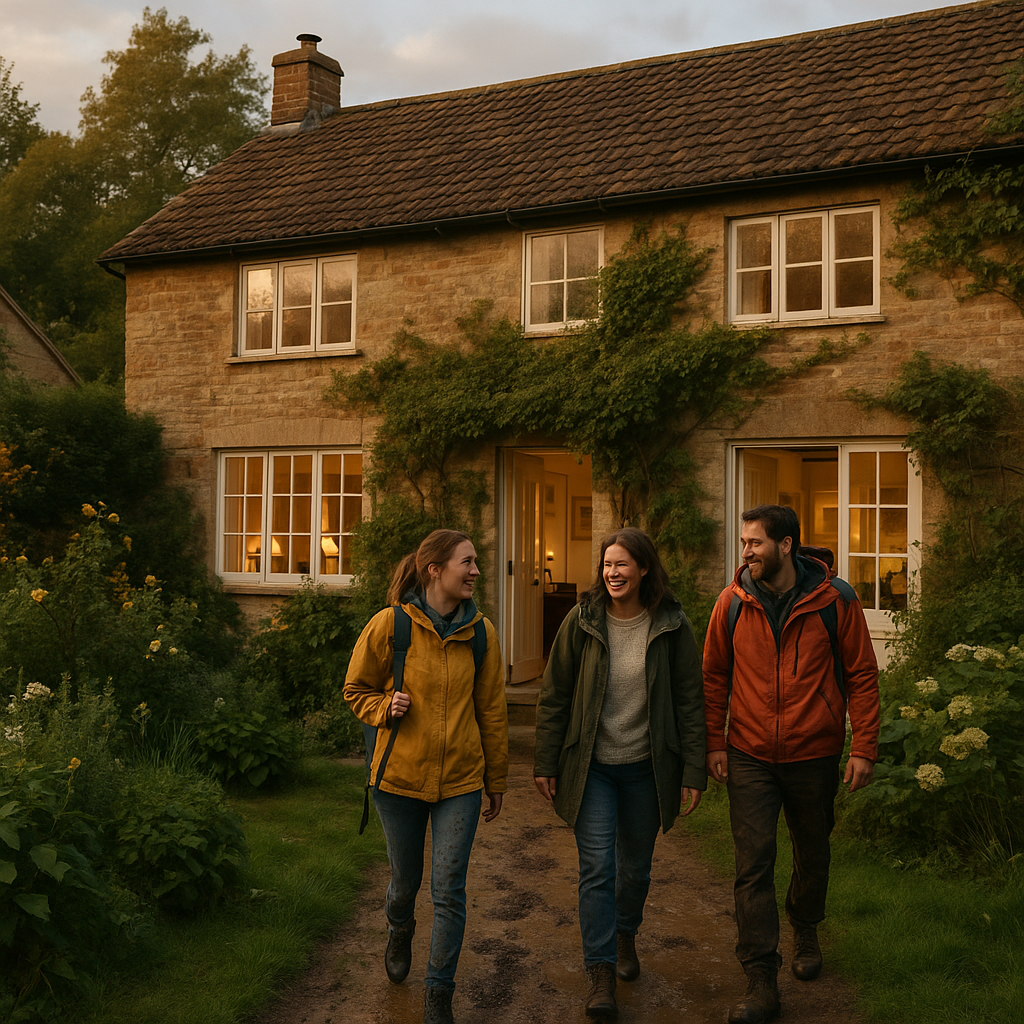
    Think of those stone cottages you pass on a wet fellside walk. The thick walls, small windows and snug rooms were all early attempts to live more lightly in a tough climate. Modern ideas build on that, using good insulation, natural materials and smart design so that we can tread more gently while still being comfortable.

    How greener homes protect the wild places we love

    Every time we head for the hills, we see the marks of a changing climate: bogs drying, paths washed out by sudden storms, snow lines creeping higher. Our homes are part of that story. Heating and powering buildings is a big source of emissions, and those emissions change the very landscapes we escape to at weekends.

    By turning our houses into greener homes, we chip away at that pressure. Better insulation means fewer draughts and less fuel burned. Choosing low impact materials means fewer scars from quarrying and logging. Simple habits like line-drying kit, collecting rainwater for the garden and planting trees in our own back yards all add up to cleaner rivers, healthier soils and more resilient habitats.

    Comfort, warmth and the joy of coming back indoors

    Anyone who has trudged home after a long, wet hike knows how good it feels to step into a warm, dry house. The trouble is, many older UK homes leak heat like a torn waterproof. Rooms feel chilly, walls are cold to the touch and the heating seems to be on full blast for half the year.

    Improving the fabric of a building can transform that feeling. Good loft and wall insulation, draught proofing and decent windows turn a shivery house into a cosy basecamp. Some people choose options like external wall insulation as part of a wider upgrade, but even small steps make a difference. The result is a home that feels more like a mountain hut after a day on the ridge: snug, welcoming and ready to dry your socks.

    Bringing the outdoors into everyday life

    Greener homes are not only about what we add to the walls and roof. They are also about how we open up to the outside world. Simple design choices can make nature part of the daily routine, not just something reserved for weekends away.

    Big windows that frame a garden, balcony or shared courtyard invite us to notice the weather. A bench by the back door makes it easy to slip on boots and step out for five minutes of fresh air. Planting herbs in pots, leaving a corner of the lawn to go wild, or adding a small pond can turn even a tiny space into a pocket habitat buzzing with life.

    When our homes are shaped around sunlight, views and fresh air, we naturally spend more time outside. Morning coffees move to the doorstep, laptops migrate to the patio on bright days, and children drift towards trees and mud instead of screens.

    Practical steps for turning your house into a greener basecamp

    You do not need a grand design budget to start the journey. Many of the most effective changes are simple and affordable:
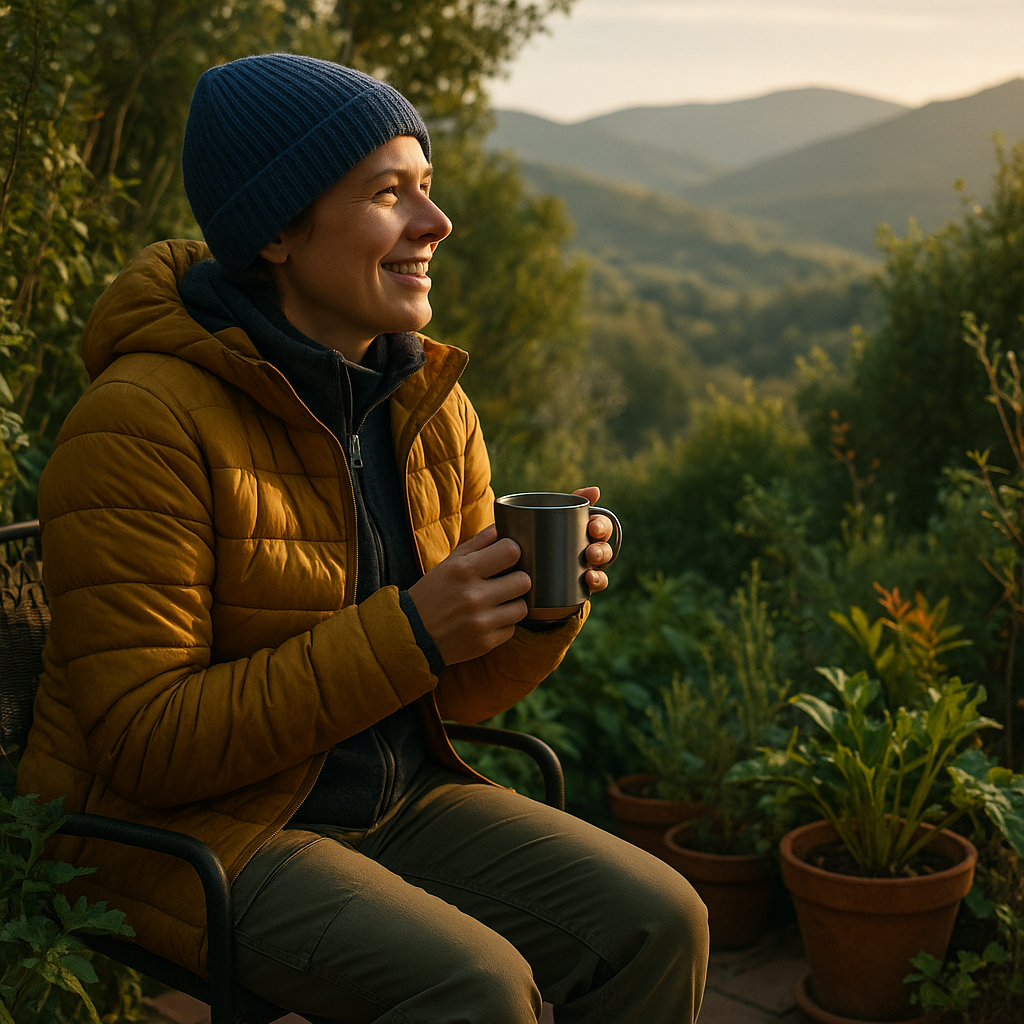
    Hiker relaxing on a patio of one of several greener homes, surrounded by plants and views of rolling hills.
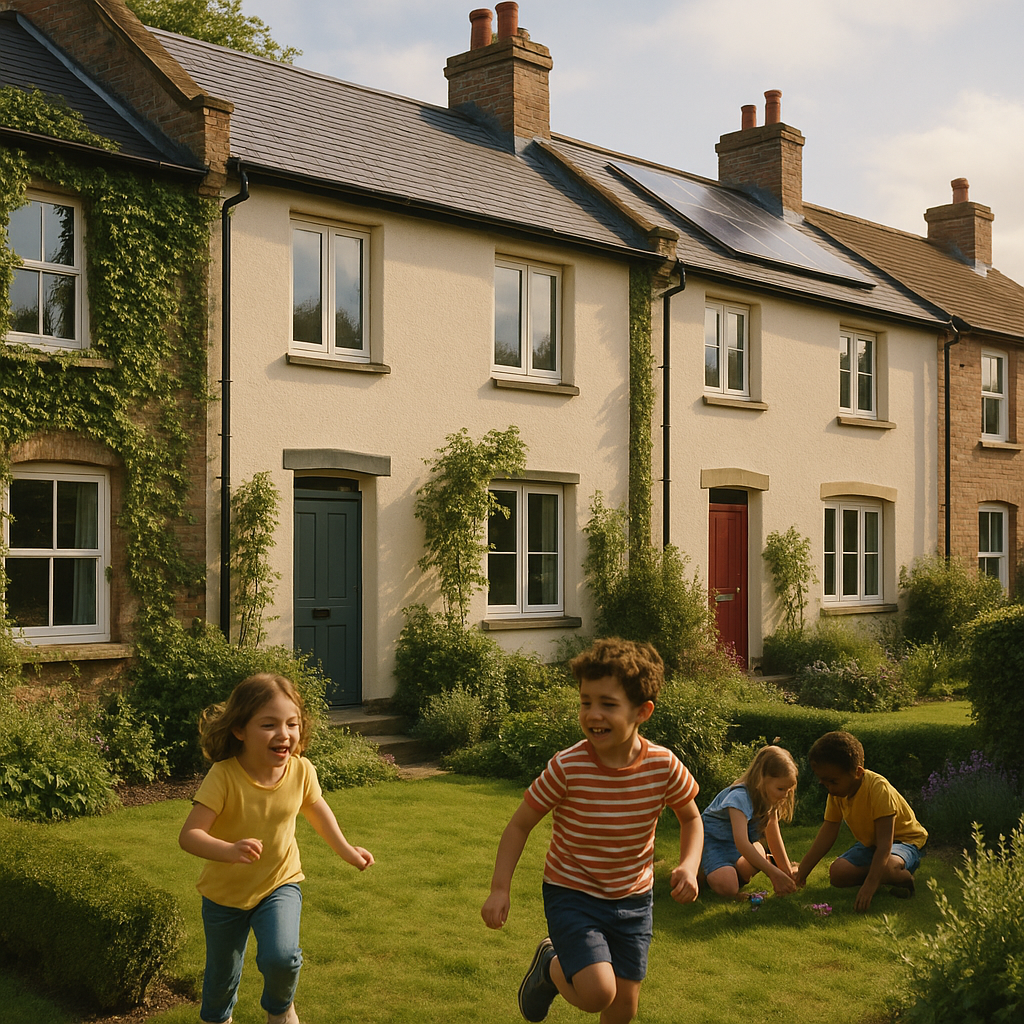
    Street of greener homes with children playing in front gardens filled with plants and trees.

    Greener homes FAQs

    What are the easiest first steps to make an older house more eco friendly?

    Start by tackling heat loss and draughts. Topping up loft insulation, sealing gaps around doors and windows and fitting thick curtains can make a big difference without major building work. Bleeding radiators, fitting simple reflector panels behind them and using thermostatic valves can also help. Outside, you can add water butts, plant native shrubs and leave a small wild corner to support birds and insects.

    How can a rented home be made greener without major changes?

    If you are renting, focus on changes that are reversible and low cost. Use draught excluders, thermal curtains and rugs on cold floors. Choose energy efficient bulbs and switch off appliances properly when not in use. Grow herbs and flowers in pots or window boxes, and ask your landlord before adding simple items like a water butt or a small compost bin. Even without big renovations, these steps can cut bills and reduce your impact.

    How do greener homes affect our wellbeing?

    A home that is warm, dry and filled with natural light is better for both physical and mental health. Reducing damp and cold helps prevent respiratory problems, while good insulation and ventilation create a more stable, comfortable indoor climate. When a house is designed to connect with gardens, balconies or nearby green spaces, people tend to spend more time outdoors, which is linked to lower stress, better sleep and a stronger sense of connection with the natural world.
  • Hidden Hazards Outdoors: Understanding Asbestos in Nature

    Hidden Hazards Outdoors: Understanding Asbestos in Nature

    If you love long walks, wild camping or poking around old farm buildings, it is worth knowing a bit about outdoor asbestos exposure. We often think of asbestos as something hidden inside office ceilings or old boiler rooms, but it can just as easily be found in the places we explore for fun.

    Across the UK, asbestos was used in sheds, barns, garages, farm roofs and even old picnic shelters. As these structures age, break or get demolished, fibres can escape into the air and soil. You do not need to panic every time you see a broken roof tile, but having some basic awareness helps you enjoy the countryside with confidence.

    Where you might encounter asbestos outdoors

    Most outdoor asbestos risks are linked to older man made structures in otherwise wild or rural settings. Common places include:

    • Old farm buildings with corrugated grey roofing sheets
    • Disused industrial sites that have become unofficial walking spots
    • Abandoned garages, sheds or outbuildings on the edge of villages
    • Fly tipped building waste in woodland or on country lanes
    • Former military sites and derelict holiday parks slowly being reclaimed by nature

    In many cases the material is stable and left undisturbed, which keeps risk low. Problems start when sheets are badly broken, burnt, drilled or crumbling, or when rubble has clearly been smashed up and scattered.

    How risky is outdoor asbestos exposure for walkers?

    Breathing asbestos fibres over long periods can cause serious illness, but the danger depends on how much you breathe in and how often. For most hikers and climbers, a one off walk past an old barn is very unlikely to cause harm. Fresh air and open space help to disperse fibres quickly.

    Higher risk situations include:

    • Playing, climbing or sheltering inside derelict buildings
    • Kicking or throwing broken roofing sheets or pipe lagging
    • Cutting or burning old asbestos materials on campfires
    • Regularly using unofficial paths through badly damaged structures

    Think of asbestos a bit like steep ground or fast flowing water. It is part of the landscape in some places, but you can manage the risk sensibly if you know what to look for and when to back away.

    Spotting suspect materials on your adventures

    You do not need to become an expert surveyor, but a few clues help you recognise possible asbestos outdoors:

    • Flat or corrugated grey sheets with a dimpled or textured surface
    • Old cement panels around animal pens or yard walls
    • Pipe work or tanks wrapped in flaky, fibrous insulation
    • Broken fragments of grey board or tiles mixed into soil or tracks

    If something looks old, brittle and out of place in a natural setting, give it space. Never break bits off as souvenirs, and do not let children or dogs play with debris, no matter how harmless it appears.

    Practical tips to stay safe while enjoying nature

    You can still enjoy wild places and forgotten corners of the countryside without worrying constantly about outdoor asbestos exposure. Simple habits go a long way:

    • Stick to marked paths where possible, especially around derelict sites
    • Avoid entering unsafe buildings, even if they look tempting in bad weather
    • Do not disturb rubble, burn mysterious boards or move dumped waste
    • Wash your hands before eating if you have been scrambling over old structures
    • Rinse muddy kit and boots at home, particularly after walking through fly tipped areas

    If you find what looks like damaged asbestos near a popular route, report it to the local council or landowner. A quick email with a grid reference or map screenshot can help them deal with it properly.

    Why landowners and clubs are taking asbestos more seriously

    Many farms, outdoor centres and climbing clubs are quietly tackling asbestos in their buildings to keep visitors safe. They are having surveys done, repairing or removing old materials and putting up clear signs where needed. Behind the scenes, they may follow an Asbestos management plan so that staff and volunteers know how to handle any issues.

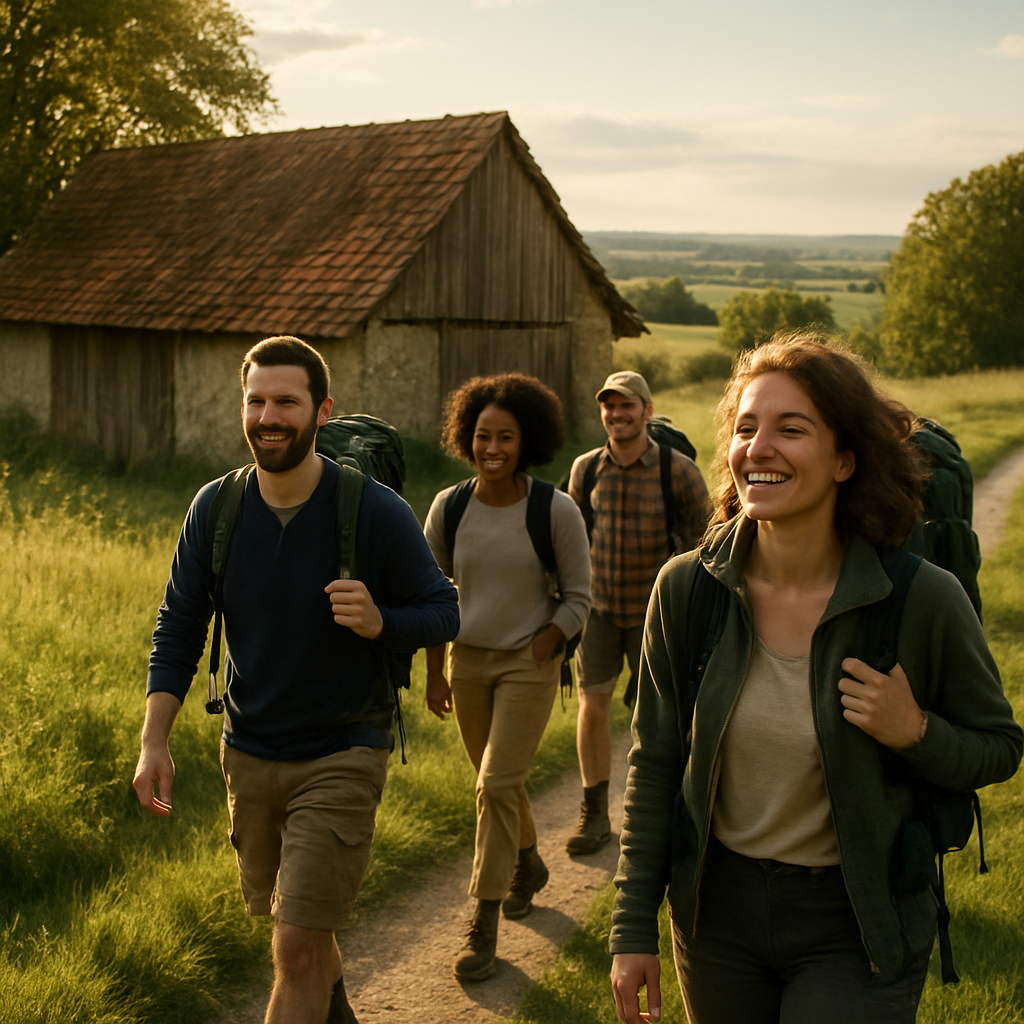
    Family on a woodland walk learning about outdoor asbestos exposure around old sheds and structures.
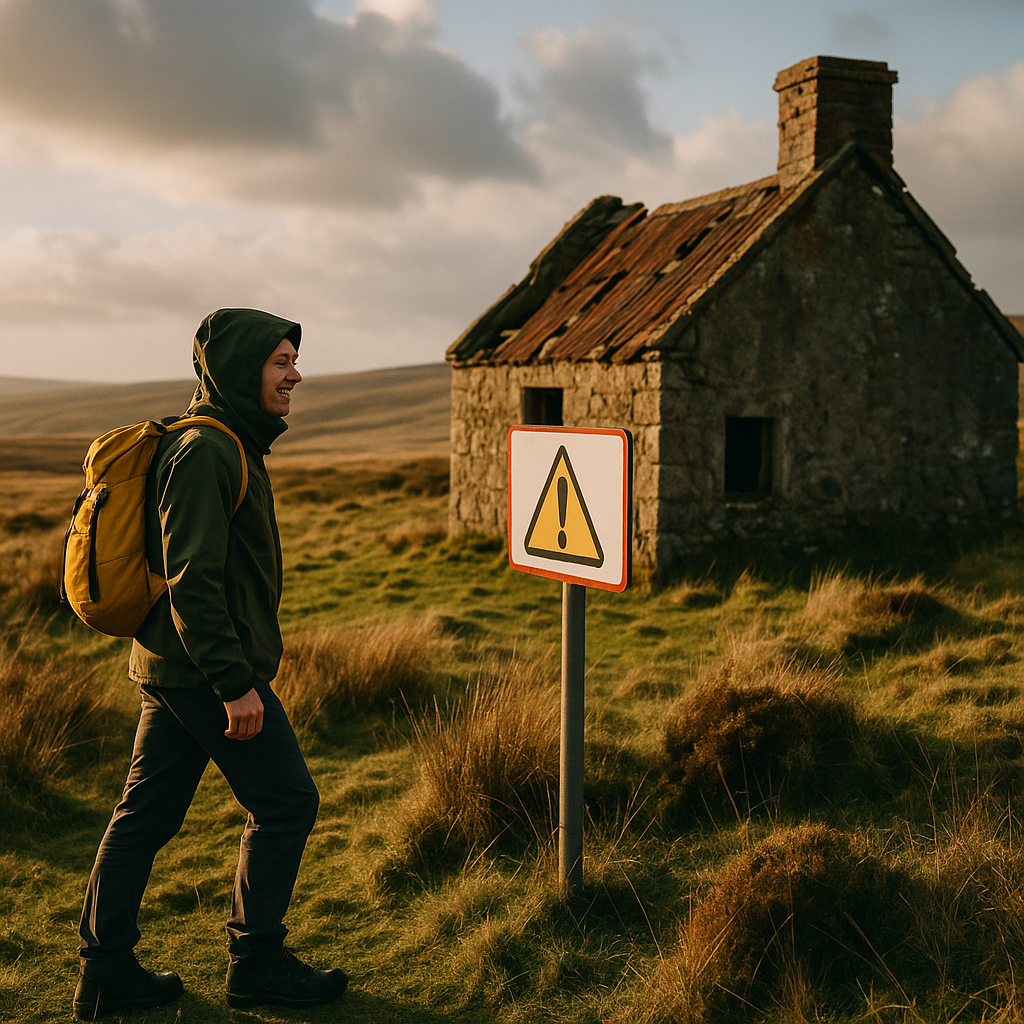
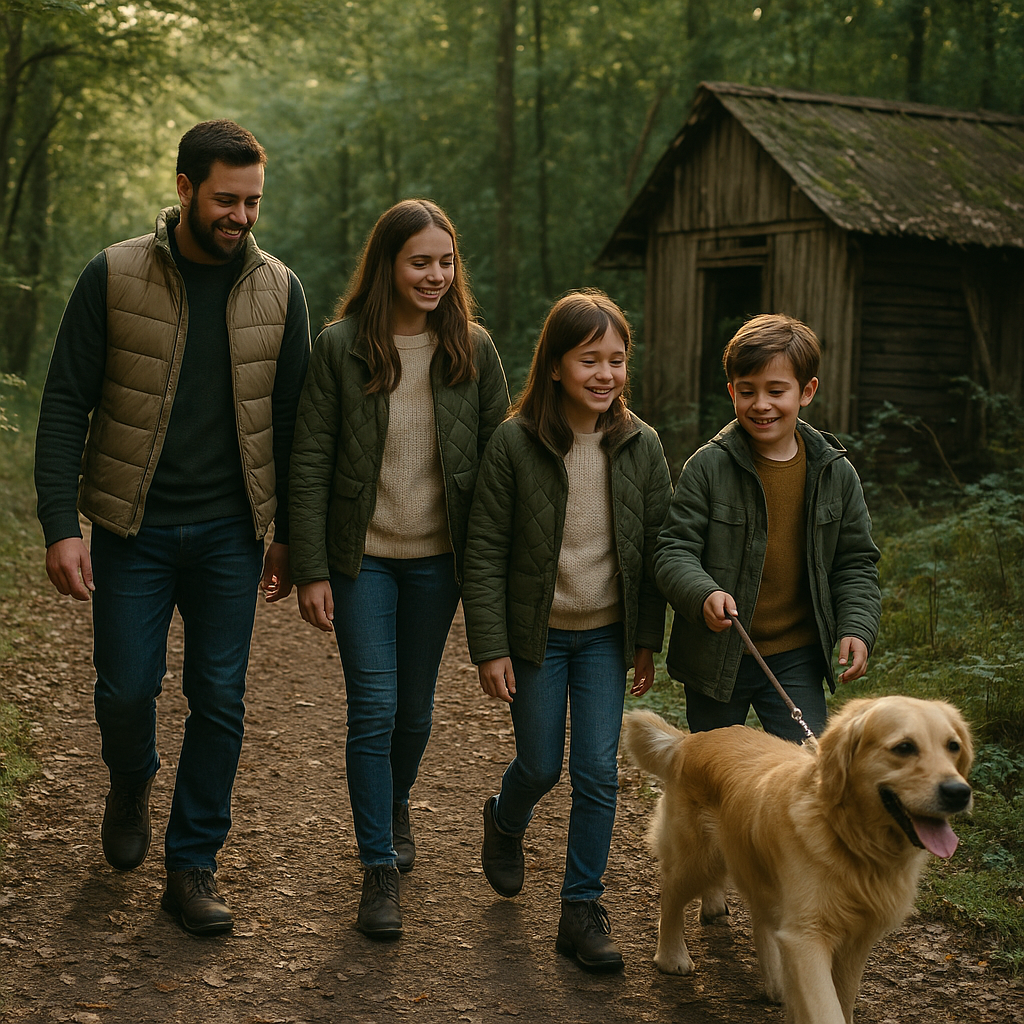
    Walker reading a safety sign about outdoor asbestos exposure beside a derelict rural building.

    Outdoor asbestos exposure FAQs

    Can I get ill from walking past an old asbestos roof once?

    A single short walk past an old roof is very unlikely to cause illness. Health problems from asbestos are usually linked to higher levels of dust breathed in over a long time, often in work settings. Outdoors, fresh air helps to disperse fibres quickly. The main thing is to avoid disturbing damaged sheets or rubble and not to play in or around derelict buildings.

    What should I do if I find broken asbestos on a favourite walking route?

    Do not touch or move the debris. Make a note of the location, ideally with a grid reference or a pin on a map app, and report it to the local council, national park authority or landowner if you know who they are. They can then arrange for a qualified contractor to assess and deal with it safely. In the meantime, give the area a wide berth and keep children and dogs away from the rubble.

    Is outdoor asbestos exposure a concern for children who love exploring?

    Children are naturally curious, so the main concern is that they may play with broken sheets, rubble or mysterious looking materials. The best approach is to explain, in simple terms, that some old building bits can be harmful if broken or handled, so they should leave them alone and tell an adult. Stick to safer play areas, avoid derelict buildings, and wash hands before eating after exploring. These habits help reduce many outdoor risks, not just asbestos.

  • Why Working With Wood Outdoors Feels So Good

    Why Working With Wood Outdoors Feels So Good

    If you love fresh air, muddy boots and the smell of timber, then outdoor woodworking projects for beginners can be the perfect way to spend more time outside. You do not need a fancy workshop or years of experience. A small corner of the garden, a few basic tools and a free weekend are enough to build something useful while soaking up the sights and sounds of nature.

    Why make things outside instead of indoors?

    Working with wood outdoors changes the whole feel of a project. Instead of being shut away, you are listening to birds, feeling the breeze and watching the light move across the day. Sawdust falls onto soil instead of a spotless floor, and mistakes feel less serious when you are standing under an open sky.

    There are practical benefits too. Long planks are easier to move around in the garden than in a cramped shed. You can work on bigger pieces like benches or planters without worrying about hitting the ceiling or denting the walls. Ventilation is built in, so you are not breathing in dust in a tight space, and it is easier to keep the mess under control.

    Choosing the right beginner projects

    Good outdoor projects for new makers are simple, sturdy and forgiving. Think about things that will actually be used in the garden or on the patio so you see them every day and feel proud of your work. Classic ideas include planter boxes, a simple potting bench, a rustic bird table or a chunky outdoor stool for slipping your boots on and off.

    Look for designs that rely on straight cuts and basic joints. Screws and outdoor glue are your friends. Avoid anything that demands tight, delicate joinery at first. The aim is to build confidence and enjoy being outside, not to chase perfection.

    Tools and timber for outdoor making

    You do not need a van full of gear to get started. A handsaw, drill-driver, tape measure, square and some clamps will take you a long way. As you grow more confident and start tackling bigger builds, you might decide to use workshop kit like panel saws to break down large boards before carrying them outside to assemble.

    For timber, choose species and boards that can cope with life in the weather. Treated softwood is affordable and widely available, and it is ideal for planters, benches and simple tables. Cedar and larch are naturally more durable and smell fantastic while you work. Try to avoid warped or badly knotted boards, as they make measuring and fixing more frustrating than it needs to be.

    Setting up a simple outdoor workspace

    A comfortable outdoor workspace does not have to be permanent. Two sturdy trestles and a straight plank make a perfectly good temporary bench. Choose a spot that gets some shade in the middle of the day, and try to keep your back to the wind so dust and chips blow away from you.

    Keep a basic kit close at hand: pencil, tape, square, screws, drill bits and sandpaper in a small box or bucket. That way you are not constantly walking back indoors. If the ground is muddy, lay down an old sheet of plywood or a couple of pallets to stand on. It is easier on the legs and stops you sinking into the soil while you work.

    Looking after your projects and the environment

    Anything that lives outdoors needs a bit of protection. Once you have finished sanding, brush off the dust and use an exterior oil, stain or paint to help the timber shrug off rain and sun. Soft, natural colours often sit best in a garden, blending with leaves, bark and stone rather than shouting for attention.

    It is worth thinking about your impact on the wider landscape too. When you buy wood, look for certifications that show it has come from responsibly managed forests. Use finishes that are suitable for outdoor use and avoid spilling them onto soil or into drains. Collect offcuts and shavings into a bag rather than letting them blow across paths and streams.

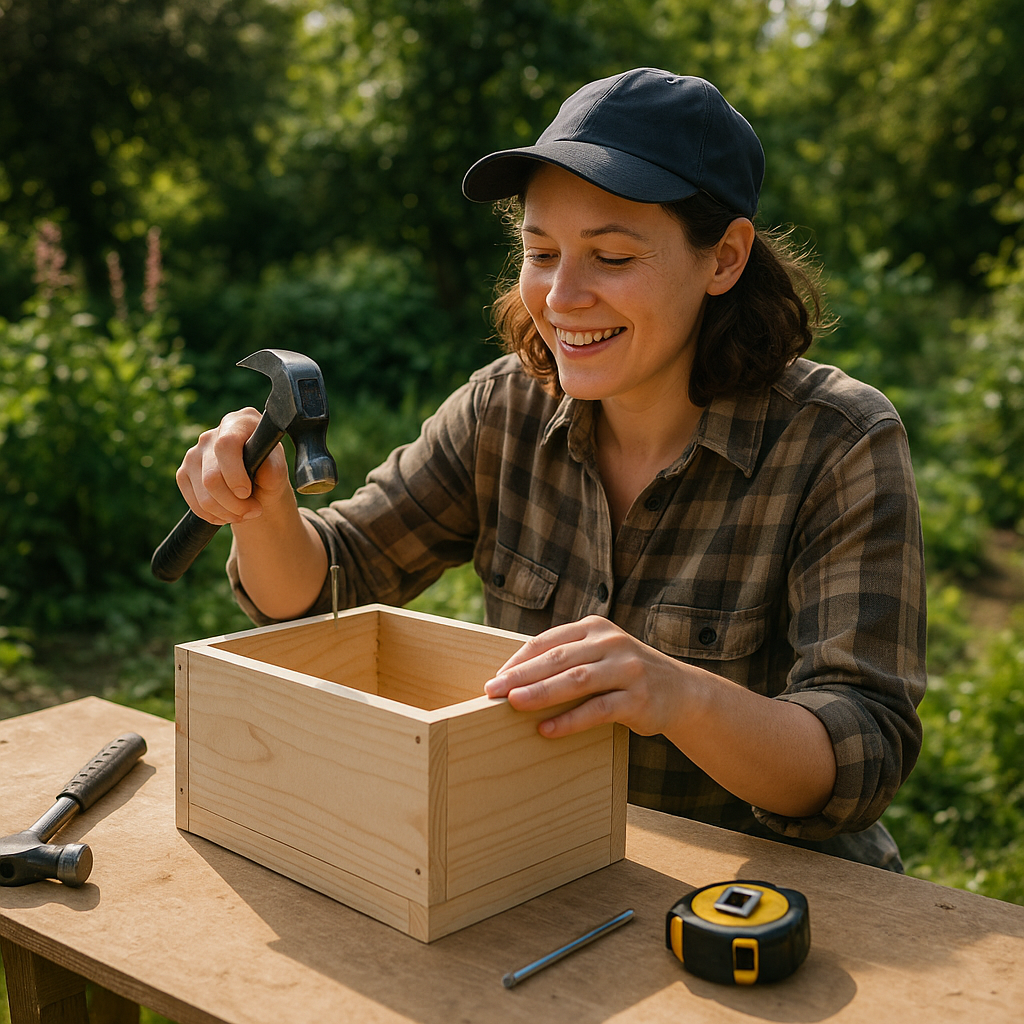
    Rustic bench being finished in a garden, showing outdoor woodworking projects for beginners in a natural setting.
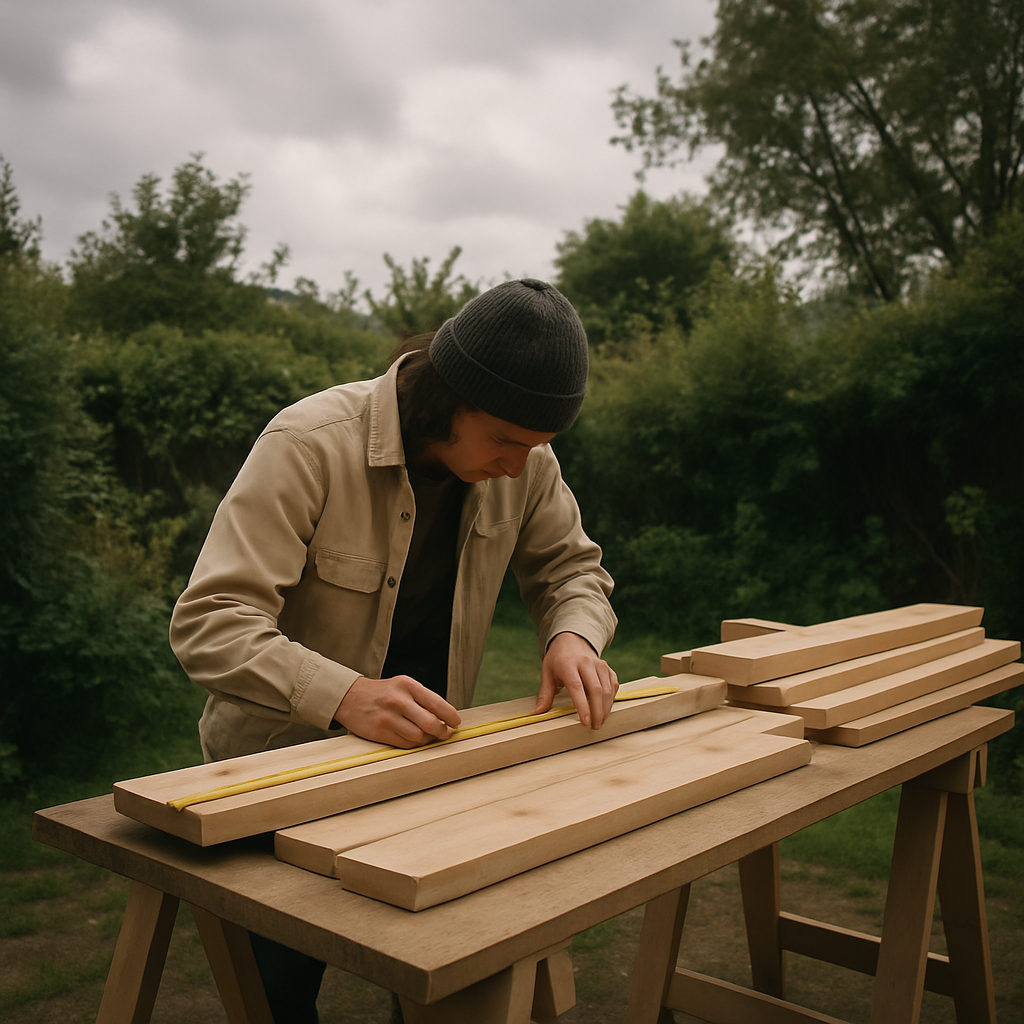
    Simple garden workspace set up for outdoor woodworking projects for beginners among trees and greenery.

    Outdoor woodworking projects for beginners FAQs

    What is an easy first woodworking project for the garden?

    A simple planter box is an ideal first project. It only needs straight cuts, basic screws and outdoor glue, and the measurements are quite forgiving. Once it is built, you can fill it with herbs or flowers and enjoy the results every time you step outside.

    How can I protect wooden projects that stay outside all year?

    Choose timber that is suitable for outdoor use, such as treated softwood, cedar or larch. Sand any rough edges, then apply an exterior oil, stain or paint according to the instructions. Reapply the finish every year or two, and keep the project off bare soil where possible so moisture does not soak in from underneath.

    Do I need a workshop for outdoor woodworking projects for beginners?

    No, you can start with a very simple setup in your garden, yard or even a balcony. A pair of trestles and a board make a good temporary bench, and basic hand tools are enough for many small builds. As long as you have a flat surface, some fresh air and space to move around safely, you are ready to begin.

  • Bringing More Natural Light Into Your Home, Naturally

    Bringing More Natural Light Into Your Home, Naturally

    Spending time outside is one of the simplest ways to feel calmer, happier and more alive. Yet many of us still spend most of our day indoors, cut off from the changing sky, weather and wildlife. Thoughtful natural light home design can soften that divide, pulling daylight, views and a sense of the outdoors deep into our living spaces.

    This is not just about chasing a pretty Instagram shot. It is about wellbeing, energy use and our relationship with nature. With careful choices, you can turn your home into a brighter, more grounded place that changes with the seasons instead of shutting them out.

    Why daylight matters more than ever

    Our bodies are tuned to the sun. Natural light helps regulate sleep, boosts mood and even affects how productive we feel. In darker months, many people feel the weight of short days, and a dim home only makes that worse.

    On top of this, brighter interiors reduce the need for artificial lighting, cutting electricity use and helping to lower your carbon footprint. Daylight is free, endlessly renewable and surprisingly powerful when you design your space around it.

    Key principles of natural light home design

    Whether you live in a city terrace or a countryside cottage, the same ideas apply:

    • Work with orientation – South and west facing spaces tend to be brighter and warmer. Reserve these for rooms where you spend the most time, such as kitchens and living rooms.
    • Layer your glazing – A mix of vertical windows, high-level openings and roof glazing lets light enter from different angles, reducing gloomy corners.
    • Keep sightlines clear – Large items of furniture, tall cupboards and heavy curtains can block precious light. Think low, simple shapes and slim frames.
    • Use reflective surfaces sparingly – Pale walls, limewash, soft sheens and mirrors can bounce daylight further into a room without feeling clinical.

    Framing the outdoors, not just brightening a room

    Good natural light is about more than raw brightness. It is about connection. When you can see the sky, trees moving in the wind or birds crossing your view, you get a constant reminder that you are part of a wider landscape.

    Think about how each window or roof opening frames the outside world. A low, wide pane might capture a hedge alive with insects. A higher opening can give you a slice of changing sky. In an extension or garden room, overhead glazing such as lantern roofs can flood the space with daylight while offering dramatic views of clouds and stars.

    Balancing daylight with comfort

    More glass is not always better. Poorly planned glazing can lead to glare, overheating in summer and heat loss in winter. Natural light home design is about balance.

    • Control glare – Use sheer blinds, external shading or deep window reveals to soften harsh sun while keeping the room bright.
    • Think ventilation – Opening roof lights and high-level windows let hot air escape, which is vital as summers become warmer.
    • Choose efficient glazing – Modern units with good insulation and solar control coatings help keep heat where you want it.

    Bringing nature into every room

    Daylight and views are only part of the story. To really feel closer to the outdoors, pair your glazing choices with natural materials and planting.

    Timber frames, stone floors and clay paints echo the landscape outside. Houseplants, herb planters on sunny sills and small indoor trees blur the line between garden and interior. Even in a compact flat, a single well lit corner filled with greenery can feel like a tiny indoor woodland edge.

    Simple changes that make a big difference

    You do not always need a major build to enjoy the benefits of natural light home design. A few low impact tweaks can transform how a room feels:

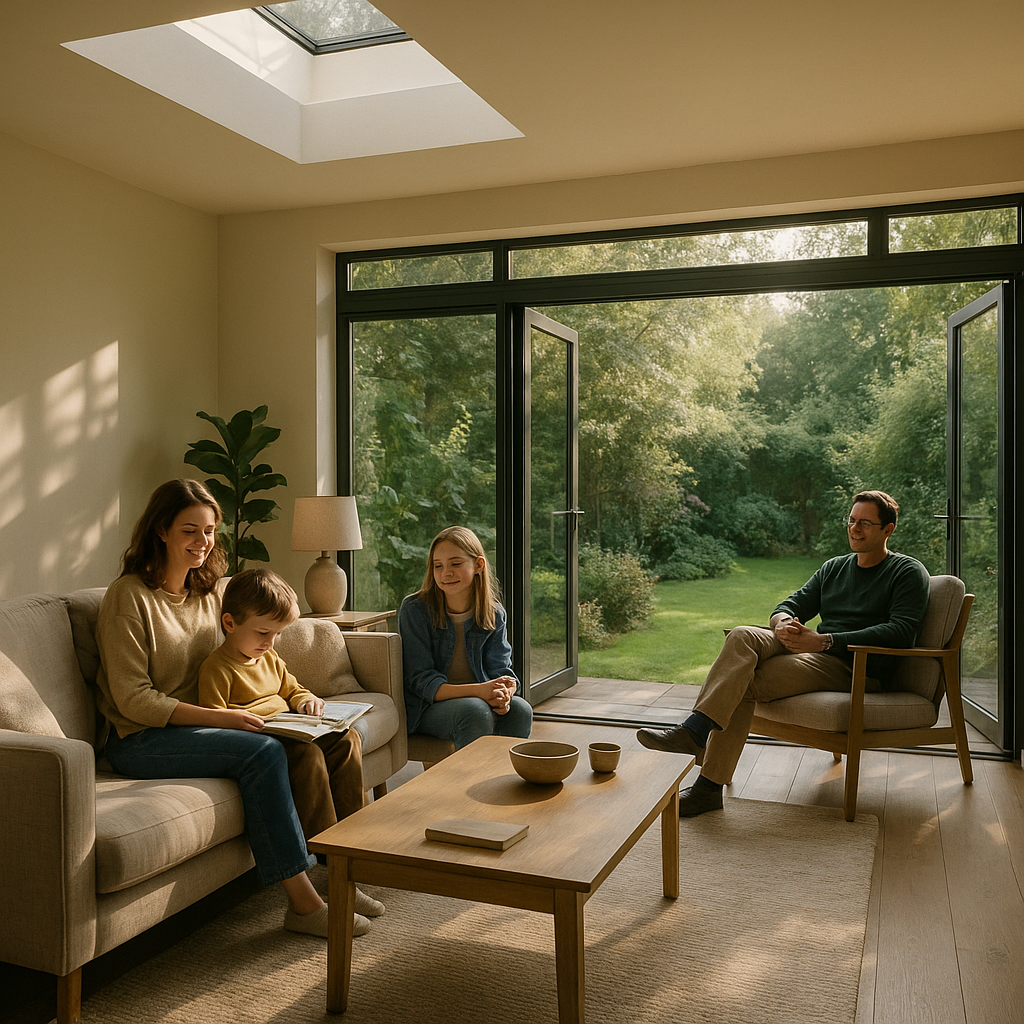
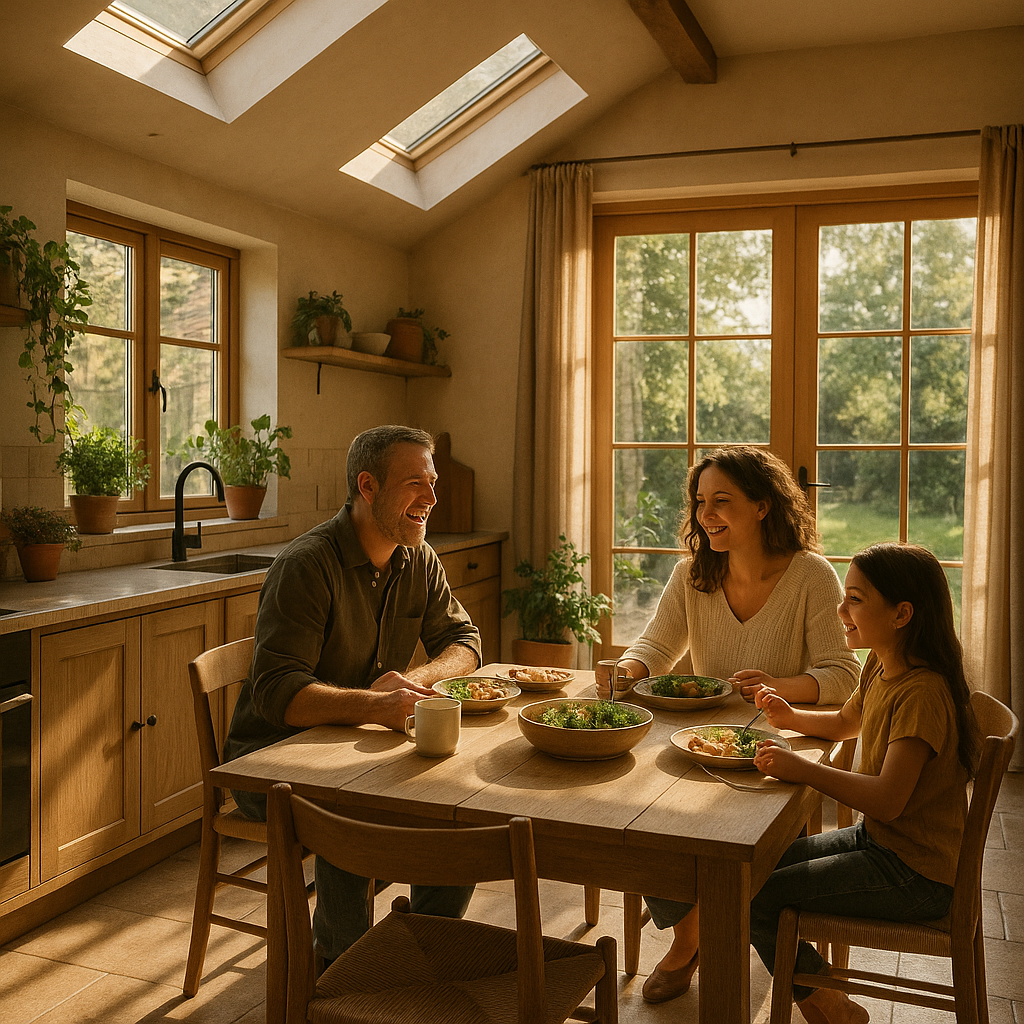
    Kitchen and dining space using natural light home design to blend indoor living with the outdoors
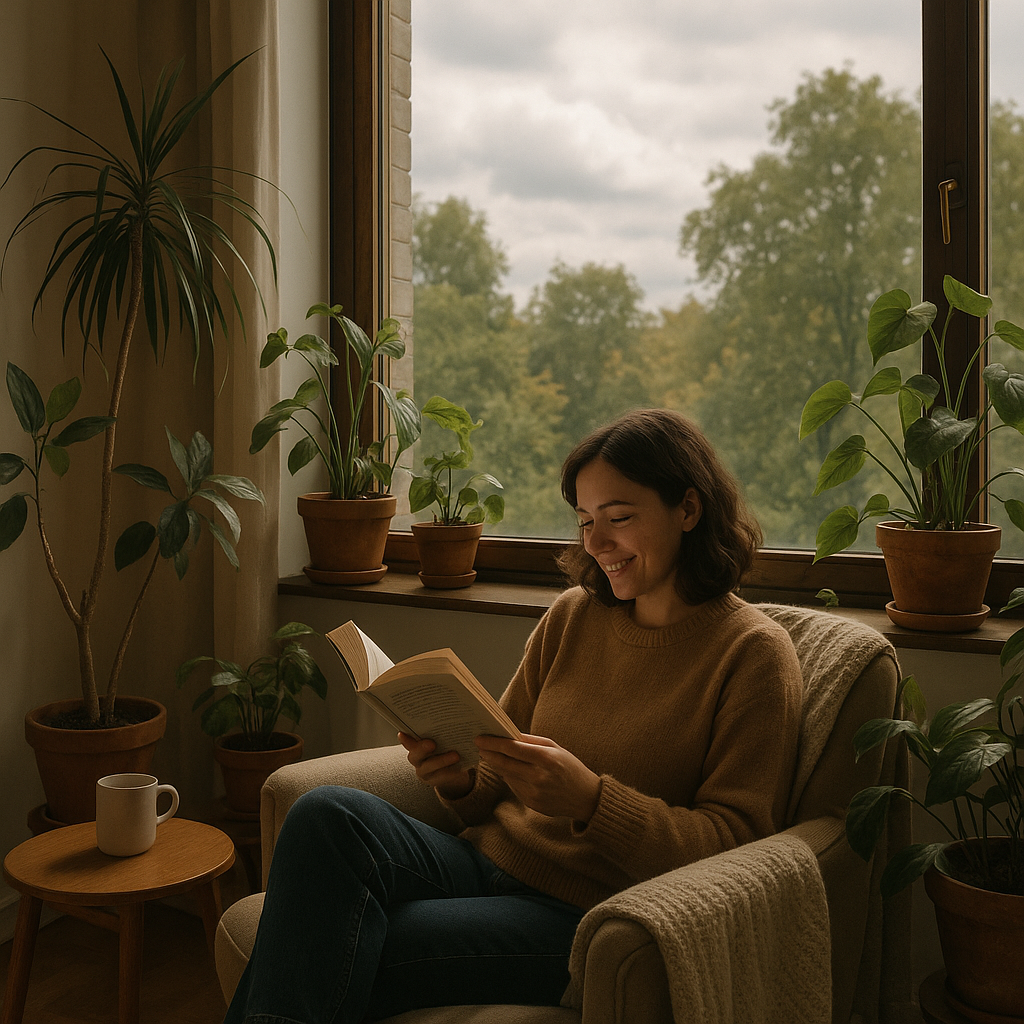
    Reading corner that highlights natural light home design with views of trees and sky

    Natural light home design FAQs

    How can I increase natural light in a dark north facing room?

    Start by clearing window sills and removing bulky furniture that blocks light. Use light coloured, matte wall finishes to spread daylight without glare, and choose slim window dressings that pull fully clear of the glass. A well placed mirror opposite the window can help bounce light deeper into the room, and trimming trees or shrubs outside will often make a surprising difference.

    Does adding more glazing always make a home warmer?

    Not necessarily. While well designed glazing can capture useful solar warmth, too much poorly specified glass can lead to overheating in summer and heat loss in winter. The key is to consider orientation, shading, ventilation and the performance of the glass itself, so you gain brightness and views without creating an uncomfortable space.

    What is natural light home design and why is it important?

    Natural light home design is an approach to planning rooms, windows and materials so that daylight, sky views and a sense of the outdoors are central to how a home feels. It supports better sleep and mood, reduces reliance on artificial lighting and heating, and helps people feel more connected to the natural world even when they are indoors.

  • Emerging Trends in Immune Support Supplements for 2025

    Emerging Trends in Immune Support Supplements for 2025

    In recent years, the focus on health and wellness has intensified, with particular attention paid to immune health. Immune support supplements have become a crucial part of many people’s daily routines, especially given the ongoing concerns about global health. As we move through 2025, several emerging trends are shaping how consumers approach immune system care through supplementation.

    Why Immune Support Supplements Are Gaining Popularity

    The demand for immune support supplements has surged due to increased awareness about maintaining a robust immune system. Factors such as seasonal changes, longer working hours, and heightened exposure to pathogens have contributed to this growth. Consumers are now more proactive about preventing illnesses rather than merely treating symptoms.

    Manufacturers are responding by developing products that combine traditional ingredients like vitamin C and zinc with newer botanicals and probiotics, creating more comprehensive immune-enhancing formulas.

    Key Trends in Immune Support Supplements

    One of the most significant trends is the rise of personalised nutrition. Tailoring supplement regimens to individual health profiles and lifestyles allows for more targeted immune system support. This approach is supported by advances in technology, including at-home testing kits and AI-driven health assessments.

    Another trend is the increased use of natural and sustainably sourced ingredients. Consumers are prioritising products free from artificial additives, favouring supplements that align with their values on environmental responsibility and clean living.

    Furthermore, there is a growing interest in adaptogens and herbal extracts such as elderberry, echinacea, and ashwagandha, which are believed to boost resilience against stress and support immune function.

    Innovations in Delivery Formats

    The way these solutions are delivered is evolving. Traditional pills and capsules are being supplemented by powders, gummies, and even functional beverages. These convenient formats appeal to a broader audience, making it easier to integrate immune support into daily life.

    Choosing the Right these solutions

    Given the abundance of options, it is essential to select supplements based on quality, efficacy, and suitability to individual needs. Consulting healthcare professionals and researching product ingredients can help ensure you choose the best option for your health goals.

    For those interested in exploring a wide range of high-quality products, health supplements from reputable online stores offer a convenient way to access trusted brands and formulations.

    Looking Ahead

    As scientific understanding of the immune system advances, we can expect these solutions to become increasingly sophisticated. Innovations will likely focus on personalised combinations, gut health integration, and enhancing long-term immune resilience.

    Staying informed about these trends can empower individuals to make healthier choices and maintain optimal wellbeing throughout the year.

    Person taking immune support supplements with water and vitamin bottles in the background

    Immune support supplements FAQs

    What are immune support supplements?

    Immune support supplements are products designed to help strengthen and maintain the body’s natural defences against illnesses. They often contain vitamins, minerals, herbs, and other nutrients that contribute to immune system health.

    Are natural ingredients effective in immune support supplements?

    Yes, many natural ingredients like elderberry, echinacea, and vitamin C have been shown to support immune function. However, their effectiveness can vary depending on the formulation and individual health conditions.

    How do I choose the best immune support supplements?

    Choosing the best supplements involves considering factors such as ingredient quality, dosage, personal health needs, and consulting a healthcare professional. Researching trusted brands and product reviews can also help guide your decision.

  • The Call of the Hills – Why Spending Time Outdoors Is More Important Than Ever

    The Call of the Hills – Why Spending Time Outdoors Is More Important Than Ever

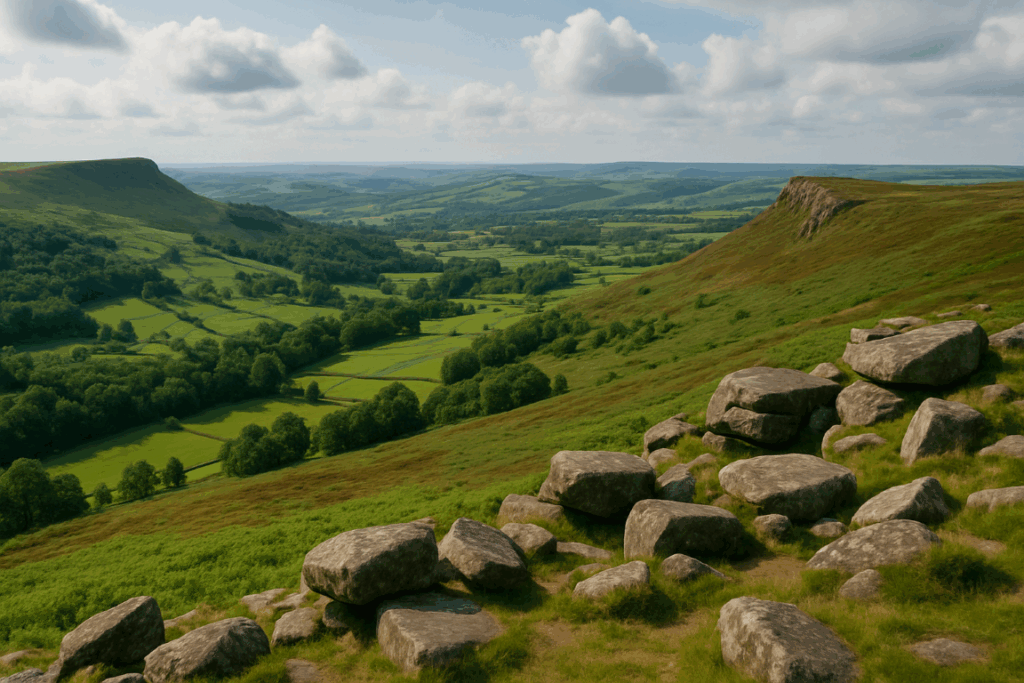
    In an age of screens, schedules and endless scrolls, spending time outdoors has never been more important. Whether it’s exploring the rolling ridges of the Peak District, wandering through the quiet woodlands of the Lake District or walking a coastal path with the wind in your hair, stepping outside offers something that no phone app or indoor workout ever could: true connection.

    Spending Time Outdoors

    Why Nature Heals

    Being outdoors is not just good for the body, it is essential for the mind. Studies show that time in green spaces reduces stress, improves sleep and helps boost creativity. Even a short hike or lunchtime walk can reset your brain and restore calm.

    The UK is blessed with accessible natural beauty, and places like the Peak District National Park make it easy to escape without travelling far. You don’t need fancy gear or a GPS tracker, just a sturdy pair of boots and the willingness to get a little mudded.

    The Joy of the Journey

    Hiking and outdoor adventures are not about ticking destinations off a list. They are about moments – that breath of cold air at the summit, the smell of pine after rain or the sound of a stream cutting through ancient stone.

    Each path walked is a story, and each trail reminds us that the world is far bigger than the screen in our hands. Nature invites us to slow down and rediscover what it means to be.

    Sustainability Starts with Us

    Spending time outdoors comes with responsibility. Whether you are wild camping, hiking or paddle boarding, small actions have big effects. Picking up litter, sticking to trails and supporting local eco-friendly businesses all help preserve the wild spaces we love.

    Bringing the Outdoors Into Everyday Life

    Spending time outdoors does not always have to mean climbing mountains or camping for days at a time. Even simple moments like enjoying lunch in the garden, cycling to work, or taking a walk through a nearby park can reconnect you with nature. Building these habits into your daily life helps you stay grounded and mindful, even when the week feels chaotic. The outdoors is always there, waiting, and it does not demand much – just your presence.

    Join the Movement

    At Mudded.uk, we believe that everyone deserves a stronger connection with the earth. Our goal is to inspire more people to step outside, explore the wild corners of Britain, and embrace a lifestyle that values the planet as much as adventure. Whether you are an experienced hiker or someone just spending time outdoors this is your place to learn, share, and be part of something bigger. The world is wide open – go and get a little mudded.

    The Future of Outdoor Living

    With more people than ever exploring UK national parks, the outdoor community is growing fast. From mindfulness hikes to eco-volunteering, the outdoors is no longer just a weekend escape, it is a way of life.

    So lace up, head out and see where the trail takes you. The earth beneath your feet might just be the best therapy you will ever find.

    Also, spending time outdoors is mostly free – so you have no exuses!

    Spending Time Outdoors FAQs

    What are the best places to hike in the UK for beginners?

    Try routes in the Peak District, Snowdonia or the South Downs. They offer well-marked paths with plenty of scenic views and easy gradients.

    How can I make my outdoor adventures more eco-friendly?

    Use reusable water bottles, avoid single-use plastics, car share when possible and respect wildlife by keeping noise and waste to a minimum.

    Do I need expensive gear to start hiking?

    Not at all. Start with comfortable shoes, weather-appropriate clothing and a small backpack with essentials like water, snacks and a map. You can upgrade your gear as you go.