
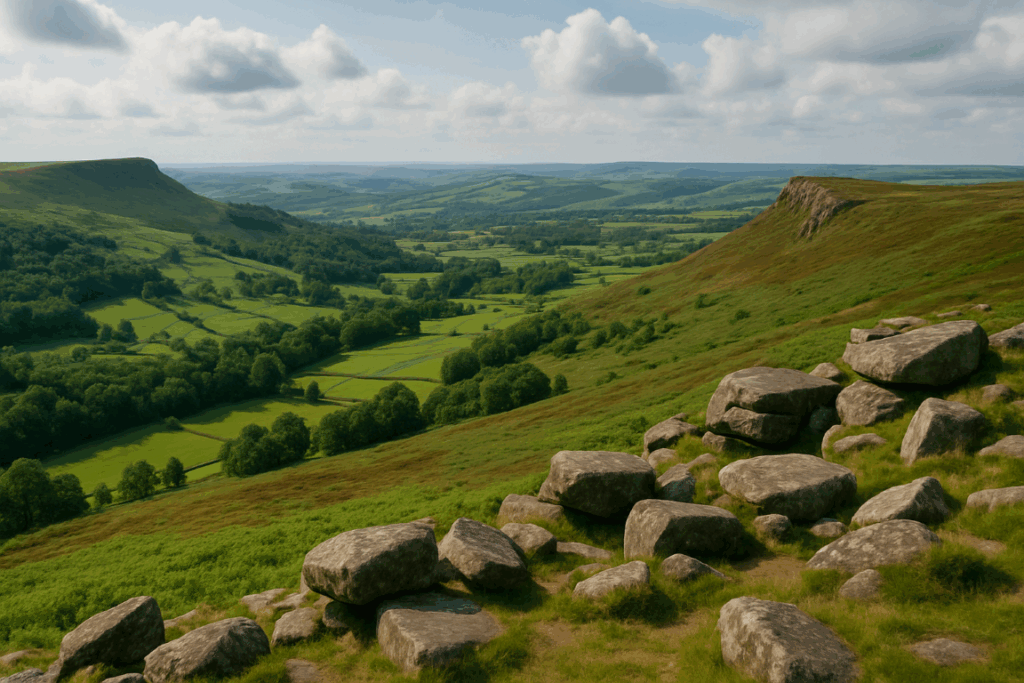
The Pennine Way gets the postcards and the Camino gets the films, but some of the finest long distance walking routes in the UK remain genuinely quiet. No queues at the campsites, no crowds on the ridgelines, just you, a well-worn map, and miles of countryside that feels like it belongs to nobody. If you’re ready to step off the well-trodden path, these ten routes deserve a serious place on your list.
Why Seek Out Lesser-Known Long Distance Walking Routes?
Popular trails bring obvious advantages: clear waymarking, regular resupply points, and a community of fellow walkers. But they also bring erosion, busy bothy nights, and a sense that you’re following a conveyor belt. The routes below offer something different. Some are remote enough that you’ll need solid navigation skills. Others pass through industrial heritage, ancient woodland, or coastline that most people never bother to explore. Each one rewards the effort of getting there.
10 Underrated Routes Worth Every Boot-Scuffed Mile
1. The Dales High Way, Yorkshire
Running roughly 90 miles from Saltaire to Appleby-in-Westmorland, this route links the Yorkshire Dales with the Eden Valley via high moorland and limestone pavements. It avoids the tourist hotspots almost entirely, threading through villages where a B&B sign is still a rarity.
2. The Cape Wrath Trail, Scotland
This one is genuinely wild. At around 200 miles from Fort William to Cape Wrath, it has no official waymarking and crosses some of the most remote terrain in Britain. River crossings, boggy moorland, and weeks of near-total solitude are all part of the deal. Serious navigation experience is essential.
3. The Shropshire Way
Roughly 136 miles of circular walking through some of England’s most underappreciated countryside. The Long Mynd, Wenlock Edge, and the Clun Valley all feature, with a gentler pace than many highland routes but a character that stays with you long after you’ve dried your socks.
4. The Reivers Way, Northumberland
A 150-mile loop through the borderlands of Northumberland, taking in Kielder Forest, the Cheviot Hills, and the coastline near Bamburgh. The history here is as rich as the scenery, named after the cattle raiders who once made this landscape famous.
5. The Cambrian Way, Wales
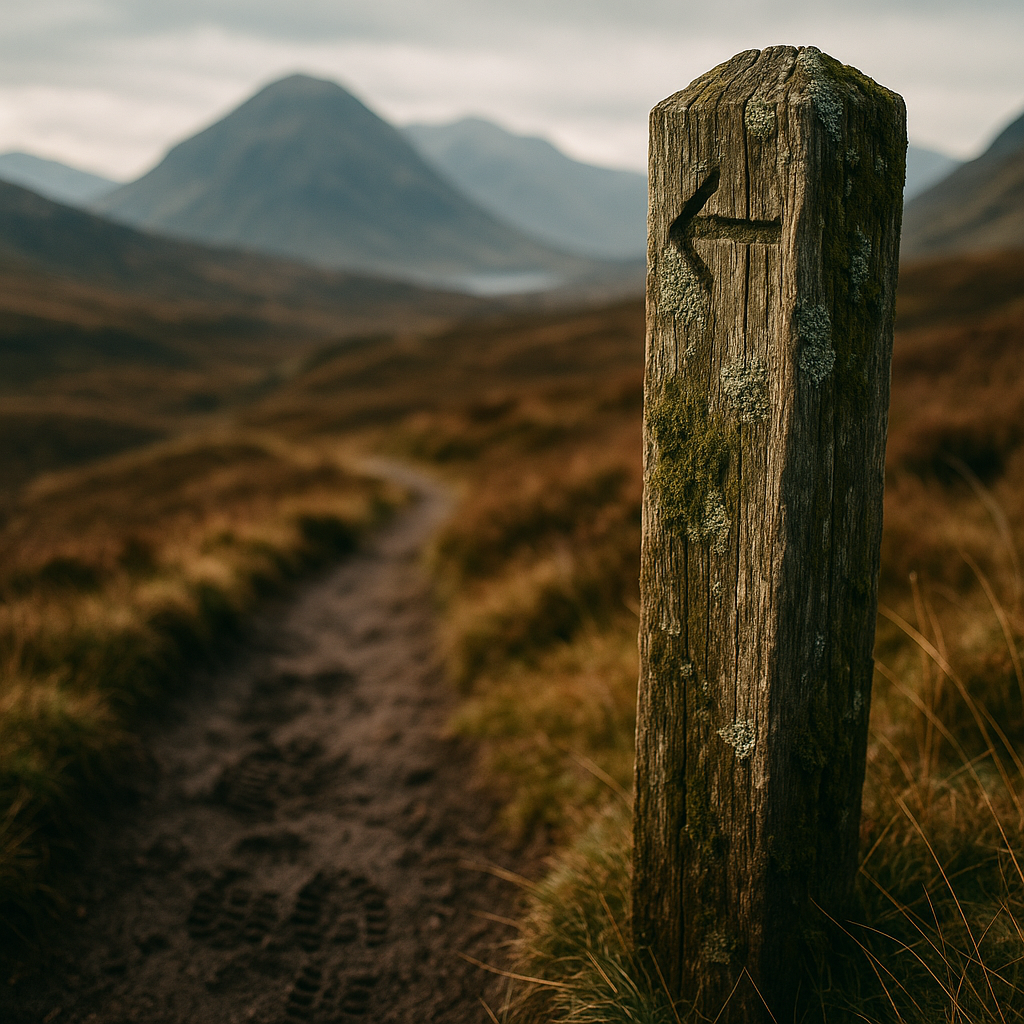
Wales has the Offa’s Dyke Path, but the Cambrian Way is harder, wilder, and far less busy. It runs around 290 miles from Cardiff to Conwy across the backbone of Wales, taking in Pen y Fan, Cadair Idris, and the Snowdonia range. Expect boggy upland plateaus and days when you won’t see another soul.
6. The Speyside Way, Scotland
Following the River Spey from the Cairngorms to the Moray coast, this 65-mile route is ideal for a long weekend. Whisky distilleries line the way, the birch woodland is stunning in autumn, and the path is well enough maintained to suit walkers who don’t want to carry full expedition kit.
7. The Two Moors Way, Devon
Connecting Exmoor with Dartmoor across Devon, this 117-mile route passes through ancient farmland, river valleys, and open moorland grazed by wild ponies. The optional extension to the coast at Wembury makes it a genuine coast-to-coast southern alternative.
8. The Loch Lomond and Cowal Way, Scotland
This 57-mile route from Inveruglas to Portavadie crosses the Cowal peninsula, a part of Argyll most walkers skip entirely. Loch Eck, remote forest tracks, and sea views across the Firth of Clyde make it a proper multi-day adventure without requiring a full week off work.
9. The North Downs Way, South East England
Often dismissed as too close to London to be interesting, the 156-mile North Downs Way from Farnham to Dover actually offers surprising solitude once you’re past the commuter belt. The chalk escarpment, ancient drove roads, and the dramatic final stretch into Dover are genuinely rewarding.
10. The Ribble Way, Lancashire
A modest 73 miles from Longton Marsh to Ribblehead Viaduct, following the River Ribble from coast to moorland. The route takes in the Forest of Bowland, an Area of Outstanding Natural Beauty that receives a fraction of the visitor numbers of the nearby Lake District, yet matches it for dramatic valley scenery.
Planning Your Route: Practical Tips
Most of these routes require more preparation than a waymarked national trail. Always carry OS maps at 1:25,000 scale, not just a phone app. Water sources can be scarce on high ground, particularly in summer, so carry enough capacity between fills. Accommodation booking is worth doing in advance on shorter routes with limited options, especially in peak months.
If any of your planning involves using older buildings as guesthouses or bunkhouses along the way, it’s worth being aware that properties built before the mid-1980s may still contain hazardous materials. If you’re converting or renovating a rural bothy or barn yourself, always seek professional advice on asbestos removal before you start any structural work.
Getting the Most From Quieter Trails
The beauty of long distance walking routes that sit outside the mainstream is that the trail itself becomes yours to interpret. You can move at your own pace, take a detour to a summit that isn’t on the route card, or spend an extra night somewhere because the valley is too good to leave quickly. Pack light, build in flexibility, and resist the urge to plan every detail. The best moments on these trails usually happen in the gaps between the waypoints.
The UK is laced with hundreds of miles of path that most people will never walk. These ten routes are a starting point, not an exhaustive list. Get your boots on, get the map out, and go find the version of the British countryside that the guidebooks haven’t caught up with yet.
Frequently Asked Questions
What is the hardest long distance walking route in the UK?
The Cape Wrath Trail is widely considered the hardest long distance walking route in the UK. It covers around 200 miles of unmarked, remote terrain in the Scottish Highlands, with significant river crossings, boggy ground, and very limited infrastructure. Strong navigation skills and experience in wild camping are essential before attempting it.
How long does it take to walk a typical long distance route in the UK?
It depends heavily on the route length and your daily mileage, but most walkers average 12 to 18 miles per day on multi-day trails. A 90-mile route like the Dales High Way might take 6 to 8 days, while something like the Cambrian Way at 290 miles could take three weeks or more. Building in rest days is always a good idea.
Do you need a guide for remote walking routes in the UK?
A professional guide is not required for most UK long distance routes, but for genuinely remote paths like the Cape Wrath Trail you should have solid map-reading and compass skills before going alone. Carrying a paper OS map at 1:25,000 scale alongside a GPS device is strongly recommended on any route without clear waymarking.
What is the best time of year to walk long distance routes in the UK?
Late spring and early autumn are generally considered the best periods. May to June offers long daylight hours and lower vegetation on the path, while September and October bring stunning colours and fewer midges in Scotland. Summer in the Highlands also brings the notorious midge season, so insect repellent is non-negotiable if you’re walking in July or August.
Are there long distance walking routes in the UK suitable for beginners?
Yes, several routes on this list are well suited to those new to multi-day walking. The Speyside Way in Scotland at 65 miles is well maintained, fairly flat, and has regular resupply points. The Ribble Way in Lancashire is another approachable choice, with modest distances each day and good access to accommodation in nearby villages.