
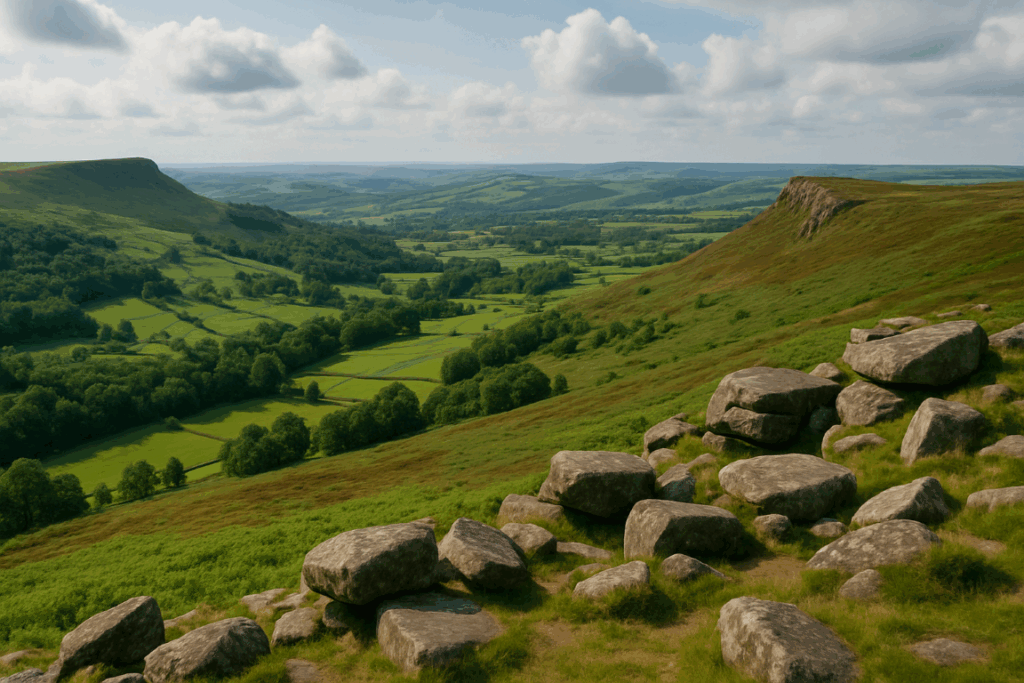

There is something genuinely addictive about stripping off your boots, wading into a cold river and feeling the world reset around you. Wild swimming in the UK has surged in popularity over recent years, and honestly, it is not hard to see why. From the glassy lochs of the Scottish Highlands to the chalk streams of Hampshire, this country has some remarkable natural water waiting to be explored. You just need to know where to look, when to go, and how to do it safely.
This is not a comprehensive tourist checklist. It is more of a hiker’s perspective on the wild swims worth building a day around, with some honest notes on the cold, the conditions, and why your body and mind will thank you for it afterwards.
Why Wild Swimming UK Is Worth the Cold
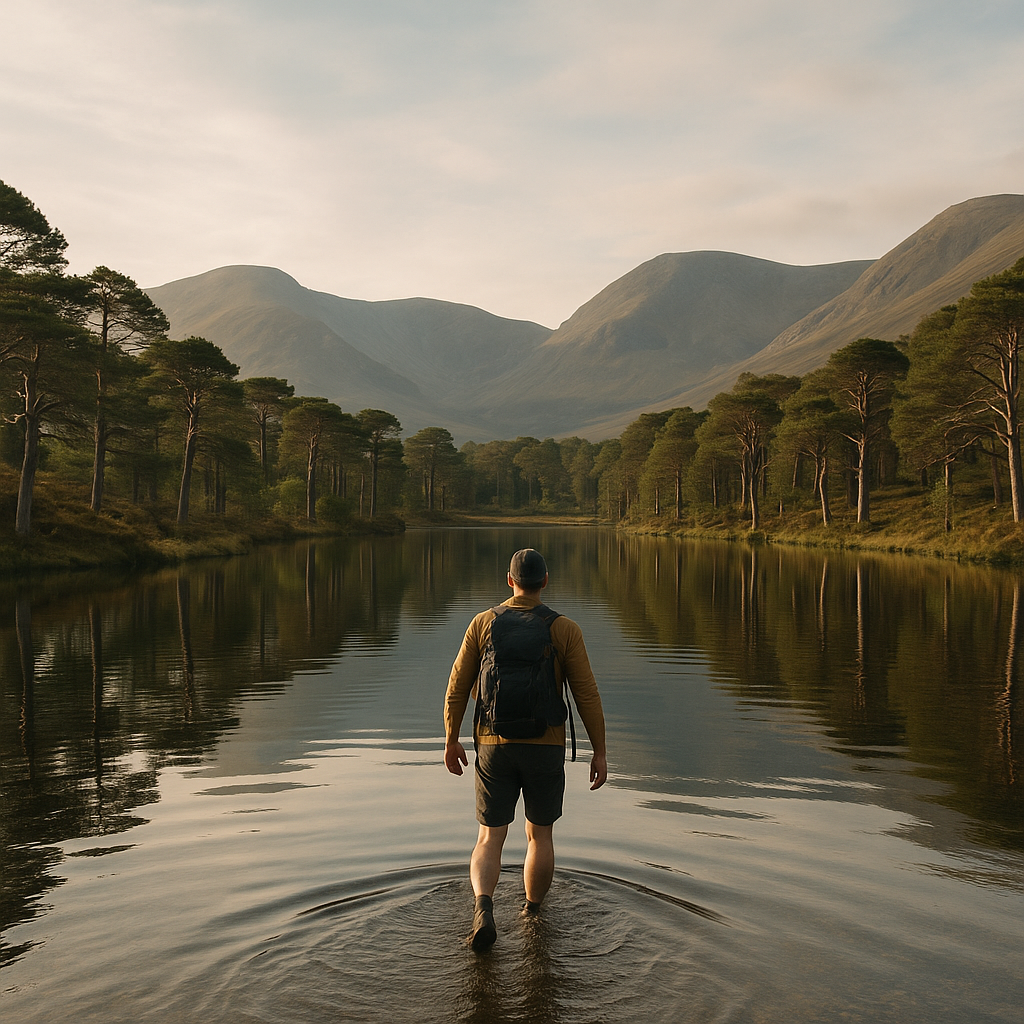
Let’s not pretend getting into 12°C water is immediately comfortable. It isn’t. But the physical and mental payoff is real, and increasingly well-documented. Cold water immersion has been linked to reduced inflammation, improved circulation, and a measurable lift in mood, largely through the release of endorphins and noradrenaline. The NHS acknowledges swimming as one of the most complete forms of low-impact exercise, and cold open water adds an extra metabolic challenge on top of that.
Beyond the physical, there is something about being surrounded by actual landscape rather than chlorinated tiles that settles the nervous system in a way a leisure centre simply cannot replicate. Ask anyone who swims in the Dart in Devon or the Brathay in the Lake District and they will tell you the same thing: it clears your head in a way that nothing else quite manages.
The Best Wild Swimming Spots in the UK
Loch an Eilein, Cairngorms
Set amongst ancient Caledonian pine forest with a ruined castle island at its centre, Loch an Eilein near Aviemore is one of the most beautiful swims in the whole country. The water is peaty brown and cold even in summer, topping out at around 16°C in August. It is shallow near the southern shore, making it approachable, and the forest backdrop gives the whole thing a quiet, slightly otherworldly atmosphere. Worth combining with a walk through the reserve beforehand to warm up properly.
Fairy Pools, Isle of Skye
Famous, yes. Busy in peak season, absolutely. But the Fairy Pools at Glenbrittle remain genuinely spectacular and worth the effort. The water runs off the Cuillin ridge, cascading through a series of clear blue-green pools that look almost too vivid to be real. Swim here early in the morning or late in the afternoon between May and September to avoid the worst of the crowds. Water temperature rarely climbs above 14°C, so a wetsuit is a sensible choice for anything beyond a quick dip.
River Wye, Herefordshire
The Wye flows through some of the most beautiful border countryside in England, and sections near Hay-on-Wye and Symonds Yat have long been popular with wild swimmers. Access can be complicated in places due to private land, so checking current guidance via local wild swimming groups is worth doing before you set off. The river runs warmer than highland alternatives, often reaching 18°C in July, making it a gentler introduction to open water swimming.
Tarr Steps, Exmoor
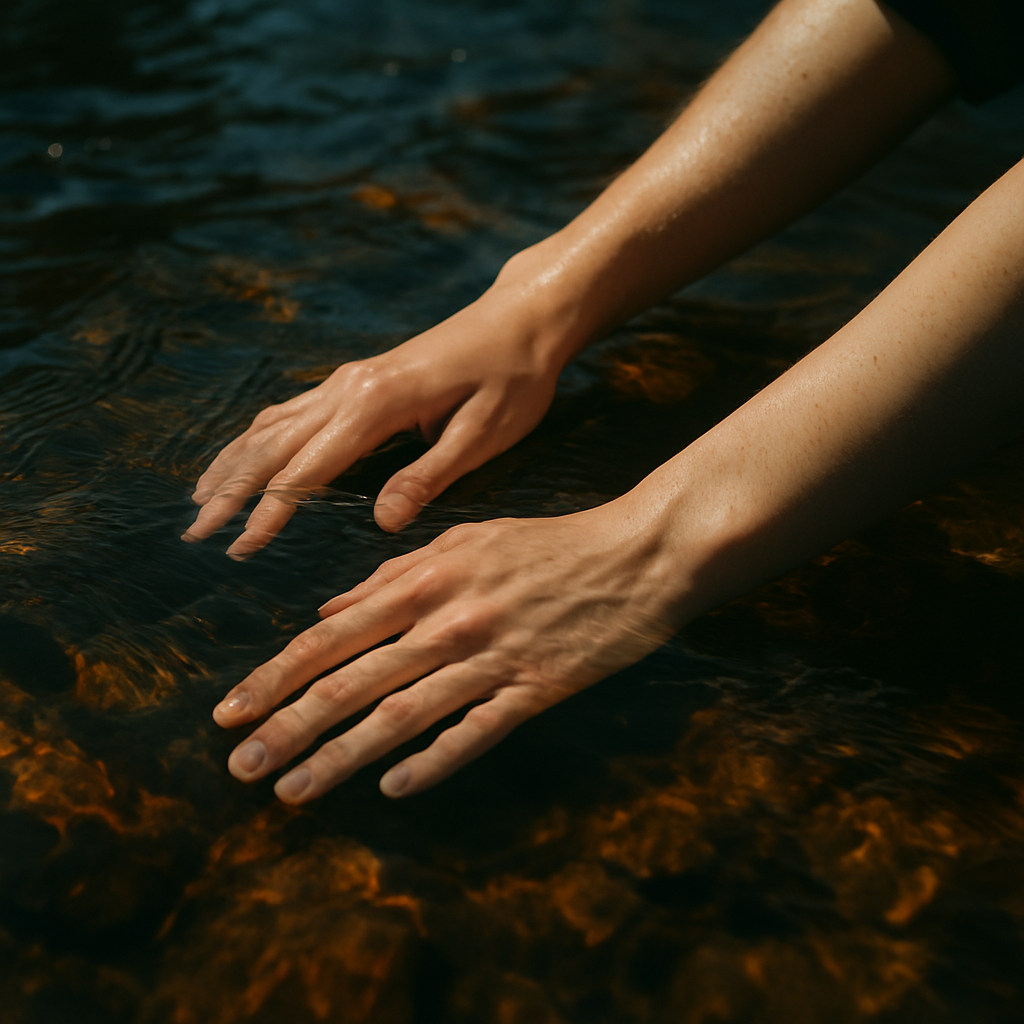
The River Barle above the ancient clapper bridge at Tarr Steps is a classic wild swim. Surrounded by oak woodland with dappled light and the sound of the water over stones, it is the kind of place that makes you understand why people do this. The pools are clear, the depth varies, and the whole area has a peaceful, tucked-away quality that rewards those who make the walk in. Exmoor’s moors drain into this river quickly after rain, so check conditions beforehand.
Derwent Water, Lake District
Of all the lakes in Cumbria, Derwent Water is one of the most accessible for swimming while still offering a proper sense of space. Launches from Crow Park near Keswick give easy water entry, and the view across to the fells is hard to beat on a clear morning. The Lake District has a genuine culture around outdoor swimming, and the water is generally clean. It is cold though; mid-summer temperatures hover around 17°C at the surface, dropping sharply with depth.
Blea Tarn, Lake District
Smaller and quieter than Derwent Water, Blea Tarn sits high above the Langdale valleys at around 200 metres elevation. Getting there on foot takes around 40 minutes from the car park at Great Langdale, and the effort is very much worth it. The tarn is dark, peaty, and still, with dramatic views across to the Langdale Pikes. Water temperature stays cold throughout the season, rarely breaking 14°C even in August. This one is for those who want the full experience without the crowds.
Safety: What Every Wild Swimmer Needs to Know
Wild swimming UK carries genuine risks that are worth taking seriously rather than glossing over. Cold water shock is the most immediate danger. When you enter cold water suddenly, your body gasps involuntarily, your heart rate spikes, and your ability to control your breathing is temporarily compromised. Entering the water slowly and allowing your body to acclimatise for 30 seconds to a minute before putting your face in dramatically reduces this risk.
Other practical points: never swim alone in remote spots, always check for hidden currents especially in rivers after rainfall, tell someone where you are going, and wear a brightly coloured swim hat so you are visible. A tow float is a simple bit of kit that costs little and can make a real difference if you need to rest. Water temperature below 10°C is considered cold shock territory, particularly for less experienced swimmers.
Water quality varies significantly. The Environment Agency publishes bathing water quality data for designated sites in England, and while many wild swims are in genuinely clean water, agricultural run-off and sewage incidents do affect certain rivers and lakes. Checking current reports before you swim is just good sense.
When to Go: Seasonal Wild Swimming Advice
June through to September is the sweet spot for wild swimming in the UK. Surface temperatures in lowland rivers and shallower lakes peak around July and August, giving you the best conditions with the least thermal stress on your body. Highland lochs and upland tarns run colder and stay cold longer, so July is usually the safest time to attempt them without a wetsuit.
Spring and autumn swimming is entirely possible and popular amongst experienced cold water swimmers, but should not be attempted without a good wetsuit and a solid understanding of how your body responds to cold. Winter wild swimming is a discipline in its own right, with regular communities gathering at spots like Parliament Hill Lido and along the Serpentine in London year-round. If that appeals, ease in gradually rather than jumping in during January without prior cold adaptation.
What to Bring for a Wild Swim
Keep it simple. A good wetsuit if the water is below 15°C, a bright swim hat, a tow float, water shoes for stony lake beds, and a large dry robe or wool blanket for after. Changing out of wet kit quickly after your swim is important; staying cold and wet while trying to dress in a breezy car park leads to an unpleasant drop in core temperature. Bring a warm drink in a flask. It makes an enormous difference.
Wild swimming in the UK rewards patience and preparation. The best spots often require a proper walk to reach, which suits anyone who already spends time on trails. And unlike a lot of outdoor pursuits, the entry cost is genuinely low. The water is free. The views are extraordinary. You just have to get in.
Frequently Asked Questions
Is wild swimming legal in the UK?
In Scotland, the Land Reform (Scotland) Act 2003 gives a general right of access to most inland water for wild swimming. In England and Wales the situation is more complex, with legal access depending on whether the water is a designated bathing site or whether landowner permission exists. Many popular spots are used by tradition and tolerance rather than formal legal right, so it is worth researching individual locations before you go.
What temperature is wild swimming water in the UK?
Lowland rivers and shallow lakes in England can reach 17 to 20°C during July and August, which is quite comfortable for most swimmers. Highland lochs and upland tarns in Scotland and the Lake District typically stay between 10 and 16°C even at peak summer. Water below 10°C carries significant cold water shock risk and should only be attempted by experienced swimmers.
Do I need a wetsuit for wild swimming in the UK?
A wetsuit is strongly recommended for water below 15°C, for longer swims, or for anyone new to open water swimming. Even in summer, highland and upland waters rarely warm sufficiently to swim comfortably without one. A 3mm or 4mm full wetsuit provides good protection and also improves buoyancy, which is reassuring in unfamiliar water.
What are the health benefits of wild swimming?
Regular cold water swimming has been associated with reduced inflammation, improved circulation, and significant improvements in mood and mental wellbeing. Many swimmers report a lasting reduction in anxiety and a heightened sense of calm following regular open water sessions. The physical benefits of swimming itself, including cardiovascular fitness and low-impact full-body exercise, are well established.
What are the best wild swimming spots in Scotland?
Scotland has some of the finest wild swimming in the whole of the UK. Top spots include Loch an Eilein in the Cairngorms, the Fairy Pools on Skye, Loch Morlich near Aviemore, and the River Feshie in the Cairngorms National Park. The Scottish Highlands offer incredible scenery combined with clean, accessible water, though temperatures remain cold throughout the season.
Leave a Reply