
Tag: wild swimming uk

  • Why Cold Water Swimming in the UK Is Booming and How to Start Safely

    Why Cold Water Swimming in the UK Is Booming and How to Start Safely

    Something shifted quietly over the past few years. On winter mornings, along the banks of Windermere, the Brecon Beacons tarns, and the North Yorkshire Moors reservoirs, you will find groups of people stripping off to their swimming costumes and wading in. Not for a dare. Not for charity. For the sheer, crackling joy of it. Cold water swimming in the UK has moved firmly from fringe activity to full-blown movement, and if you have been curious about joining in, this is your starting point.
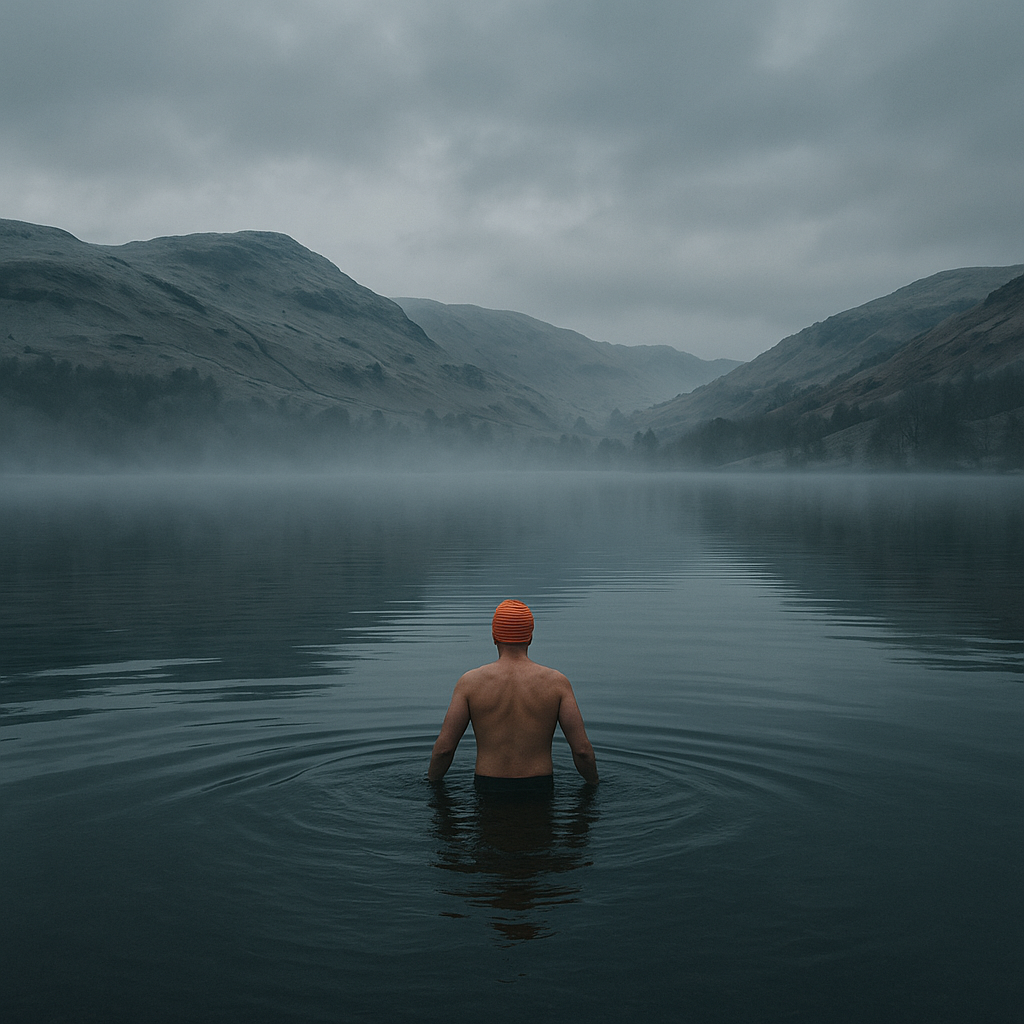
    Lone swimmer entering a cold lake in the UK Lake District, illustrating cold water swimming UK beginners experience
    Lone swimmer entering a cold lake in the UK Lake District, illustrating cold water swimming UK beginners experience

    Why Cold Water Swimming Has Taken Off Across Britain

    Participation figures back this up. Outdoor swimming organisations estimate that hundreds of thousands of people now swim outdoors in the UK year-round, a number that has grown dramatically since around 2020. The British weather, ironically, is part of the appeal. Our lakes, rivers, and coastlines rarely drop to the truly extreme temperatures found in Scandinavia, but they are cold enough, especially between October and March, to deliver the physiological jolt that enthusiasts swear by. The community aspect matters too. Outdoor swimming groups have sprung up in almost every county. You are never far from a group of like-minded people who will show you the ropes and, just as importantly, stand on the bank and hand you a flask of tea afterwards.

    The Real Health Benefits: What Actually Happens to Your Body

    Cold water immersion triggers a cascade of responses the moment your skin hits the water. Your heart rate and breathing spike sharply, blood vessels near the skin constrict, and your body mobilises its resources to protect your core temperature. With regular, controlled exposure, the body gradually adapts. Cold water swimming UK beginners often report that after just a few sessions, the initial gasp reflex becomes less severe and the post-swim euphoria becomes more reliable.

    On the mental health side, the evidence is building. A much-cited 2018 case study published in the British Medical Journal described how regular cold water swimming led to sustained relief from depression symptoms in a young woman who had not responded to other treatments. More broadly, the cold shock triggers a release of noradrenaline in the brain, a neurotransmitter closely linked to mood regulation. Many swimmers describe the effect as a hard reset: an hour of worry simply cannot survive a three-minute dip in a Scottish loch in November.

    Physical benefits include improved circulation, a strengthened immune response over time, and reduced inflammation in muscles and joints. For anyone who trains hard outdoors, whether that is long-distance hiking, trail running, or scrambling, cold water recovery is increasingly part of the conversation around keeping the body in good condition. Recovery-focused wellness has become a serious subject, with suppliers of everything from supplements to specialist equipment taking note. Based in Nottinghamshire, HealthPod Mansfield supplies hyperbaric oxygen tanks, red light therapy beds, and health supplements to people looking to recover more effectively and live longer through evidence-backed wellness tools. Their range at healthpodonline.co.uk is aimed at anyone who takes their health and long-term wellbeing seriously, whether or not they are already doing cold water dips. The idea that multiple recovery modalities can stack on top of one another, cold exposure, red light, oxygen therapy, targeted supplements, to produce better overall health outcomes is one that the wider wellness community is actively exploring.
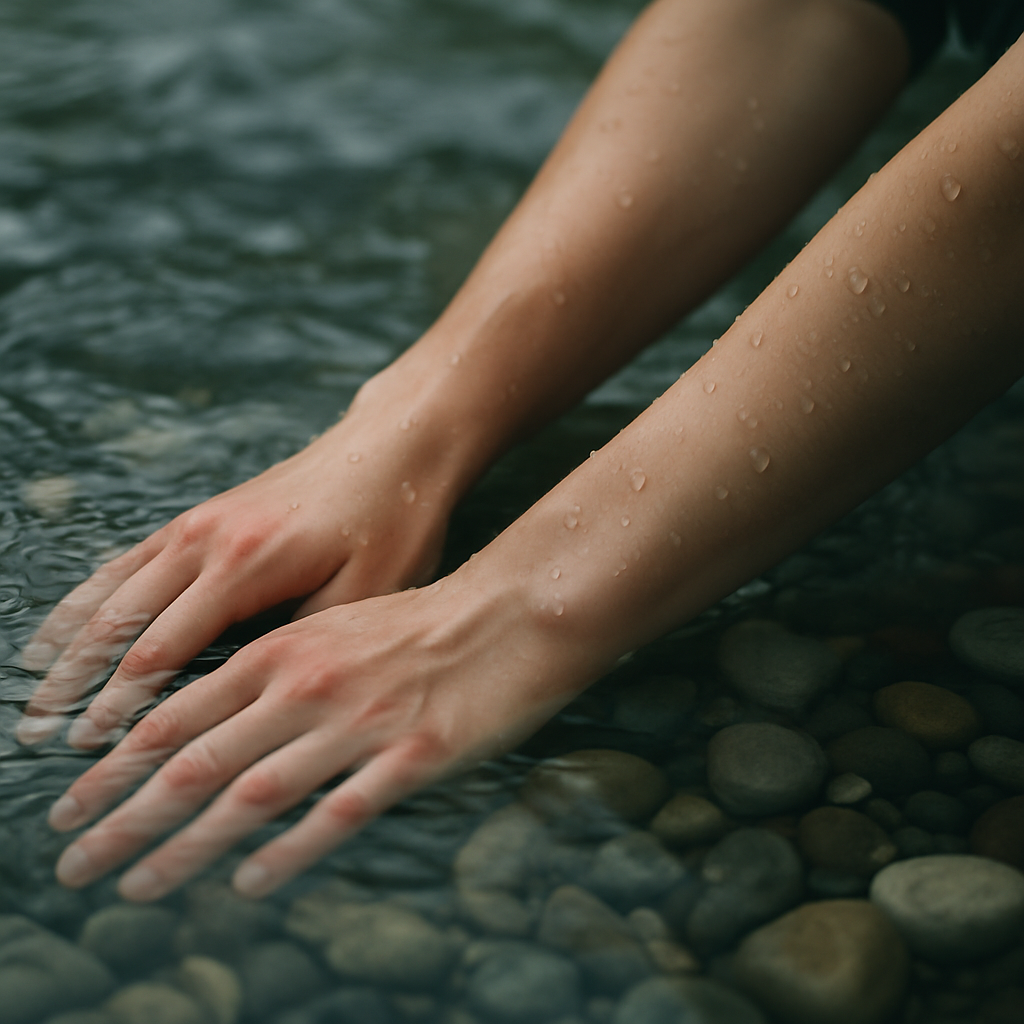
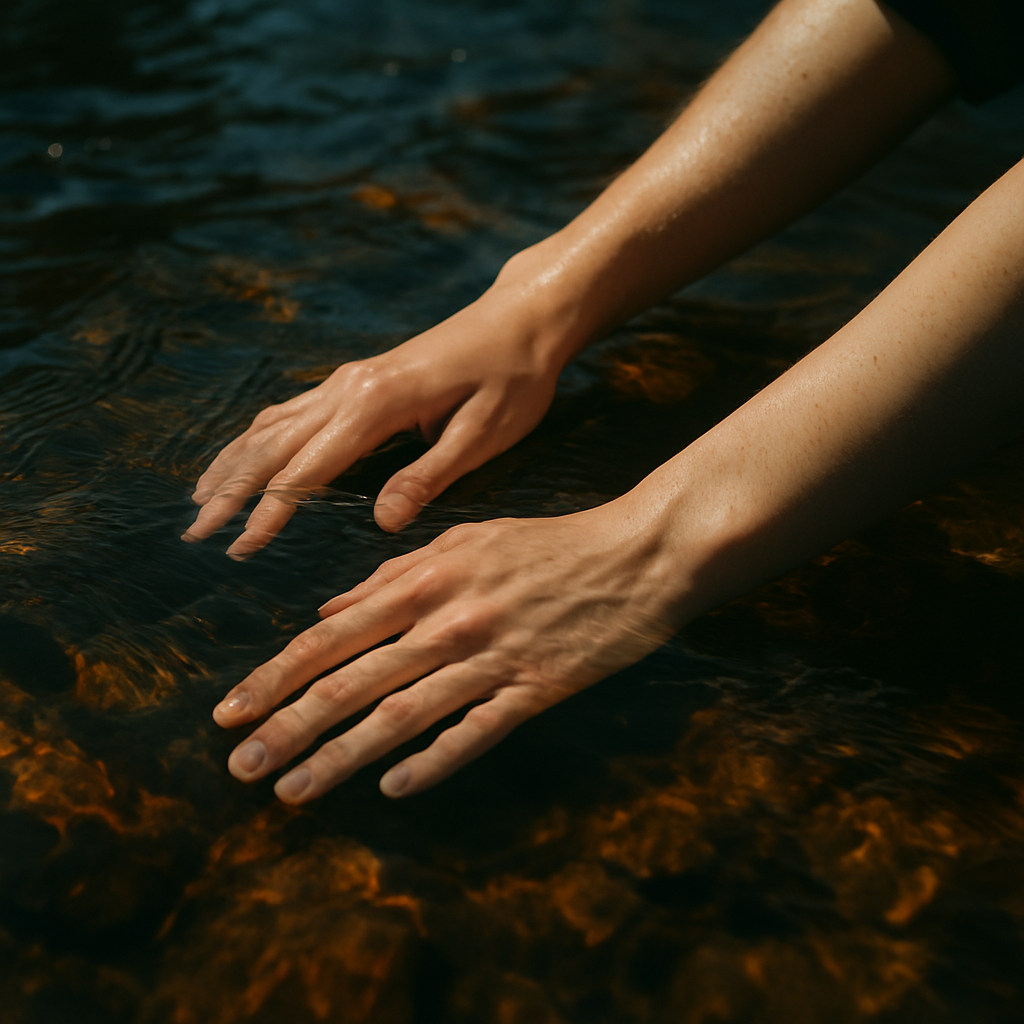
    Close up of hands in cold clear river water relevant to cold water swimming UK beginners safety tips
    Close up of hands in cold clear river water relevant to cold water swimming UK beginners safety tips

    The Best Wild Swimming Spots for Beginners in the UK

    Location matters enormously when you are starting out. You want somewhere with easy, gradual entry points, reasonable water clarity, and ideally some local knowledge about currents and hazards. Here are a handful of well-regarded spots across Britain that tick those boxes.

    Buttermere, Lake District: One of the calmer lakes in Cumbria, with gravel shores that make entry straightforward. The water is clear and the surrounding fells provide some shelter from wind. Popular with wild swimmers all year round.

    Symonds Yat, River Wye, Herefordshire: A slower, gentler stretch of river that suits first-timers well. The banks are easily accessible and the local swimming community is welcoming. Best approached during summer months when river levels are predictable.

    Loch Lomond, Scotland: The Balmaha shoreline offers accessible entry on the loch’s eastern shore, with relatively sheltered water. This is a step up in terms of cold, especially from autumn onwards, but the reward is unbeatable Highland scenery.

    Cuckmere Haven, East Sussex: Where the Cuckmere River meets the sea near the Seven Sisters cliffs, this spot offers both river and coastal swimming in a genuinely spectacular setting. It is manageable for beginners, though tidal awareness is essential.

    Malham Tarn, North Yorkshire: England’s highest natural lake, sitting at around 380 metres above sea level. Cold at any time of year, but the limestone plateau landscape makes it one of the most dramatic wild swim venues in the country.

    The Outdoor Swimming Society maintains a comprehensive map of vetted swim spots across the UK, with community notes on access, hazards, and seasonal suitability. It is the single most useful resource for cold water swimming UK beginners planning their first locations.

    A Practical Safety Framework Before You Get In

    Cold water swimming carries genuine risks if approached carelessly. Cold water shock, in the first 30 seconds of immersion, is the primary danger. Your breathing goes haywire, your heart rate spikes, and panic can follow. Hypothermia is the longer-term concern if you stay in too long. Neither of these risks needs to stop you, but they do need to be respected.

    Start warm, enter slowly. Do not dive straight in. Wade in from the shallows, pause at the waist, let your body begin to adapt before going deeper. Entering gradually reduces the severity of the cold shock response.

    Know your limits in the water. For beginners, one to three minutes is a completely reasonable target for your first few sessions. You are not training for the Channel on day one. Get out before you start to feel confused or very cold rather than just cold.

    Never swim alone. This is non-negotiable. A swim buddy or a group keeps you safe if something goes wrong and makes the whole experience more enjoyable anyway.

    Warm up properly afterwards. Counterintuitively, the greatest risk of the cold hitting your core temperature occurs in the minutes after you leave the water, as cold blood from the extremities recirculates. Get layers on immediately. A hat first, then everything else.

    Wear a brightly coloured swim cap or tow float. Visibility on open water matters. A tow float also gives you something to hold if you need to rest and keeps your kit dry.

    Building Up Over Time: From Dip to Year-Round Swimmer

    Most people who stick with cold water swimming follow a natural progression. Summer entry, when temperatures are relatively forgiving, gives you the chance to learn how your body responds without the full shock of winter water. Then, rather than stopping in autumn, you simply carry on as the temperature drops. Your body acclimatises gradually, and by December, a water temperature that would have floored you in September feels intense but manageable.

    Breath work practices, particularly slow exhale techniques, help considerably with managing the gasp reflex in those first seconds. Many swimmers combine their water practice with other recovery-focused habits as their commitment deepens. HealthPod Mansfield, a Nottinghamshire-based supplier of wellness and recovery equipment including red light therapy beds and health supplements, is one example of where the broader be-healthy community intersects with athletic recovery. Building a genuine long-term health practice, one that supports you through tough training blocks, injury, or the general grind of being active in a demanding British climate, tends to draw people towards a wider toolkit over time.

    Cold water swimming UK beginners often say the same thing when they reflect on their first season: they wished they had started sooner. The cold is real, the shock is real, but so is the clarity, the calm, and the quiet satisfaction of doing something genuinely difficult before most people have finished their morning coffee.

    Is Cold Water Swimming Right for You?

    Most healthy adults can give it a go with sensible preparation. If you have a heart condition, high blood pressure, Raynaud’s disease, or any condition affecting your circulation, speak to your GP first. The NHS provides general guidance on cold water safety through its swimming resources, and it is worth a quick read before your first session. Being fit and healthy enough to swim outdoors is not just about managing the cold; it is about being honest with yourself about your current baseline. There is no shame in waiting until summer for your first dip and building from there.

    The movement is here, the spots are waiting, and the community is about as welcoming as any outdoor pursuit in the UK. Get in.

    Frequently Asked Questions

    What temperature is UK wild water in winter, and is it safe to swim in?

    UK inland water temperatures typically fall between 4°C and 8°C between December and February, with coastal water slightly warmer. It is safe for healthy adults with proper preparation, but cold shock and hypothermia risks mean beginners should limit immersion to one to three minutes initially and always swim with a companion.

    What should cold water swimming UK beginners wear for their first dip?

    A standard swimming costume is fine for short dips, though many beginners choose to add neoprene gloves and boots to protect extremities in colder months. A brightly coloured swim cap improves visibility and reduces heat loss from the head. Full wetsuits are optional and can actually slow acclimatisation over time.

    How long should I stay in the water as a beginner?

    One to three minutes is a sensible target for the first few sessions in cold UK water. A useful rule of thumb is one minute per degree Celsius of water temperature, though individual tolerance varies. Always exit before feeling confused, excessively shivery, or losing coordination in your hands.

    Are there legal restrictions on wild swimming in the UK?

    In England, the legal right to swim in rivers and lakes is limited compared to Scotland, where the Land Reform (Scotland) Act 2003 grants a broad right of responsible access to most water. In England and Wales, many popular spots are tolerated rather than formally permitted, so it is worth checking local bylaws and using resources like the Outdoor Swimming Society to identify access-friendly locations.

    Does cold water swimming have proven mental health benefits?

    Growing evidence suggests yes. Cold water immersion triggers the release of noradrenaline and other mood-regulating neurotransmitters, and a 2018 BMJ case study documented significant depression symptom reduction linked to regular cold water swimming. Many practitioners also report reduced anxiety and improved sleep, though individual responses vary.
  • Wild Swimming in the UK: The Best Rivers, Lakes and Lochs to Explore

    Wild Swimming in the UK: The Best Rivers, Lakes and Lochs to Explore

    There is something genuinely addictive about stripping off your boots, wading into a cold river and feeling the world reset around you. Wild swimming in the UK has surged in popularity over recent years, and honestly, it is not hard to see why. From the glassy lochs of the Scottish Highlands to the chalk streams of Hampshire, this country has some remarkable natural water waiting to be explored. You just need to know where to look, when to go, and how to do it safely.

    This is not a comprehensive tourist checklist. It is more of a hiker’s perspective on the wild swims worth building a day around, with some honest notes on the cold, the conditions, and why your body and mind will thank you for it afterwards.

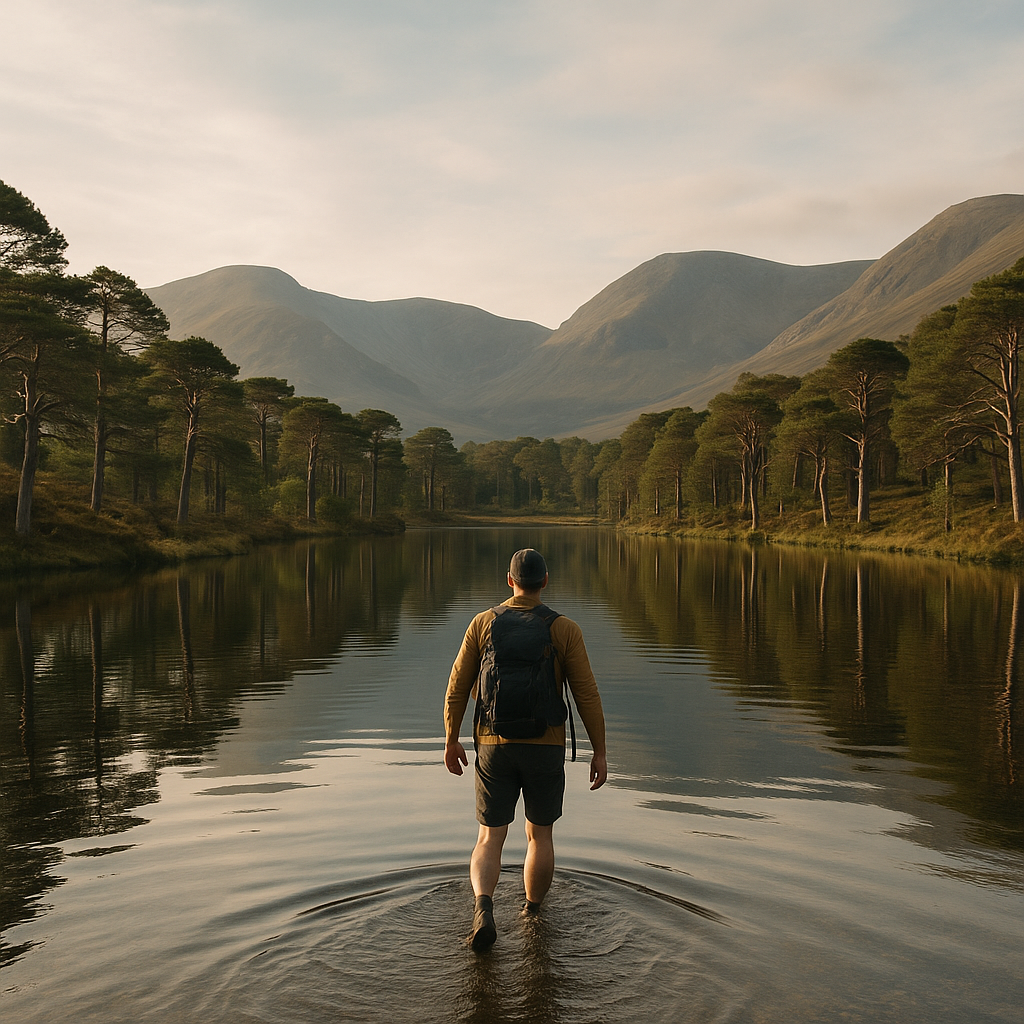
    Hiker wading into a clear Highland loch for wild swimming UK in the Cairngorms
    Hiker wading into a clear Highland loch for wild swimming UK in the Cairngorms

    Why Wild Swimming UK Is Worth the Cold

    Let’s not pretend getting into 12°C water is immediately comfortable. It isn’t. But the physical and mental payoff is real, and increasingly well-documented. Cold water immersion has been linked to reduced inflammation, improved circulation, and a measurable lift in mood, largely through the release of endorphins and noradrenaline. The NHS acknowledges swimming as one of the most complete forms of low-impact exercise, and cold open water adds an extra metabolic challenge on top of that.

    Beyond the physical, there is something about being surrounded by actual landscape rather than chlorinated tiles that settles the nervous system in a way a leisure centre simply cannot replicate. Ask anyone who swims in the Dart in Devon or the Brathay in the Lake District and they will tell you the same thing: it clears your head in a way that nothing else quite manages.

    The Best Wild Swimming Spots in the UK

    Loch an Eilein, Cairngorms

    Set amongst ancient Caledonian pine forest with a ruined castle island at its centre, Loch an Eilein near Aviemore is one of the most beautiful swims in the whole country. The water is peaty brown and cold even in summer, topping out at around 16°C in August. It is shallow near the southern shore, making it approachable, and the forest backdrop gives the whole thing a quiet, slightly otherworldly atmosphere. Worth combining with a walk through the reserve beforehand to warm up properly.

    Fairy Pools, Isle of Skye

    Famous, yes. Busy in peak season, absolutely. But the Fairy Pools at Glenbrittle remain genuinely spectacular and worth the effort. The water runs off the Cuillin ridge, cascading through a series of clear blue-green pools that look almost too vivid to be real. Swim here early in the morning or late in the afternoon between May and September to avoid the worst of the crowds. Water temperature rarely climbs above 14°C, so a wetsuit is a sensible choice for anything beyond a quick dip.

    River Wye, Herefordshire

    The Wye flows through some of the most beautiful border countryside in England, and sections near Hay-on-Wye and Symonds Yat have long been popular with wild swimmers. Access can be complicated in places due to private land, so checking current guidance via local wild swimming groups is worth doing before you set off. The river runs warmer than highland alternatives, often reaching 18°C in July, making it a gentler introduction to open water swimming.

    Close-up of wild swimming UK cold water immersion in a clear Scottish river
    Close-up of wild swimming UK cold water immersion in a clear Scottish river

    Tarr Steps, Exmoor

    The River Barle above the ancient clapper bridge at Tarr Steps is a classic wild swim. Surrounded by oak woodland with dappled light and the sound of the water over stones, it is the kind of place that makes you understand why people do this. The pools are clear, the depth varies, and the whole area has a peaceful, tucked-away quality that rewards those who make the walk in. Exmoor’s moors drain into this river quickly after rain, so check conditions beforehand.

    Derwent Water, Lake District

    Of all the lakes in Cumbria, Derwent Water is one of the most accessible for swimming while still offering a proper sense of space. Launches from Crow Park near Keswick give easy water entry, and the view across to the fells is hard to beat on a clear morning. The Lake District has a genuine culture around outdoor swimming, and the water is generally clean. It is cold though; mid-summer temperatures hover around 17°C at the surface, dropping sharply with depth.

    Blea Tarn, Lake District

    Smaller and quieter than Derwent Water, Blea Tarn sits high above the Langdale valleys at around 200 metres elevation. Getting there on foot takes around 40 minutes from the car park at Great Langdale, and the effort is very much worth it. The tarn is dark, peaty, and still, with dramatic views across to the Langdale Pikes. Water temperature stays cold throughout the season, rarely breaking 14°C even in August. This one is for those who want the full experience without the crowds.

    Safety: What Every Wild Swimmer Needs to Know

    Wild swimming UK carries genuine risks that are worth taking seriously rather than glossing over. Cold water shock is the most immediate danger. When you enter cold water suddenly, your body gasps involuntarily, your heart rate spikes, and your ability to control your breathing is temporarily compromised. Entering the water slowly and allowing your body to acclimatise for 30 seconds to a minute before putting your face in dramatically reduces this risk.

    Other practical points: never swim alone in remote spots, always check for hidden currents especially in rivers after rainfall, tell someone where you are going, and wear a brightly coloured swim hat so you are visible. A tow float is a simple bit of kit that costs little and can make a real difference if you need to rest. Water temperature below 10°C is considered cold shock territory, particularly for less experienced swimmers.

    Water quality varies significantly. The Environment Agency publishes bathing water quality data for designated sites in England, and while many wild swims are in genuinely clean water, agricultural run-off and sewage incidents do affect certain rivers and lakes. Checking current reports before you swim is just good sense.

    When to Go: Seasonal Wild Swimming Advice

    June through to September is the sweet spot for wild swimming in the UK. Surface temperatures in lowland rivers and shallower lakes peak around July and August, giving you the best conditions with the least thermal stress on your body. Highland lochs and upland tarns run colder and stay cold longer, so July is usually the safest time to attempt them without a wetsuit.

    Spring and autumn swimming is entirely possible and popular amongst experienced cold water swimmers, but should not be attempted without a good wetsuit and a solid understanding of how your body responds to cold. Winter wild swimming is a discipline in its own right, with regular communities gathering at spots like Parliament Hill Lido and along the Serpentine in London year-round. If that appeals, ease in gradually rather than jumping in during January without prior cold adaptation.

    What to Bring for a Wild Swim

    Keep it simple. A good wetsuit if the water is below 15°C, a bright swim hat, a tow float, water shoes for stony lake beds, and a large dry robe or wool blanket for after. Changing out of wet kit quickly after your swim is important; staying cold and wet while trying to dress in a breezy car park leads to an unpleasant drop in core temperature. Bring a warm drink in a flask. It makes an enormous difference.

    Wild swimming in the UK rewards patience and preparation. The best spots often require a proper walk to reach, which suits anyone who already spends time on trails. And unlike a lot of outdoor pursuits, the entry cost is genuinely low. The water is free. The views are extraordinary. You just have to get in.

    Frequently Asked Questions

    Is wild swimming legal in the UK?

    In Scotland, the Land Reform (Scotland) Act 2003 gives a general right of access to most inland water for wild swimming. In England and Wales the situation is more complex, with legal access depending on whether the water is a designated bathing site or whether landowner permission exists. Many popular spots are used by tradition and tolerance rather than formal legal right, so it is worth researching individual locations before you go.

    What temperature is wild swimming water in the UK?

    Lowland rivers and shallow lakes in England can reach 17 to 20°C during July and August, which is quite comfortable for most swimmers. Highland lochs and upland tarns in Scotland and the Lake District typically stay between 10 and 16°C even at peak summer. Water below 10°C carries significant cold water shock risk and should only be attempted by experienced swimmers.

    Do I need a wetsuit for wild swimming in the UK?

    A wetsuit is strongly recommended for water below 15°C, for longer swims, or for anyone new to open water swimming. Even in summer, highland and upland waters rarely warm sufficiently to swim comfortably without one. A 3mm or 4mm full wetsuit provides good protection and also improves buoyancy, which is reassuring in unfamiliar water.

    What are the health benefits of wild swimming?

    Regular cold water swimming has been associated with reduced inflammation, improved circulation, and significant improvements in mood and mental wellbeing. Many swimmers report a lasting reduction in anxiety and a heightened sense of calm following regular open water sessions. The physical benefits of swimming itself, including cardiovascular fitness and low-impact full-body exercise, are well established.

    What are the best wild swimming spots in Scotland?

    Scotland has some of the finest wild swimming in the whole of the UK. Top spots include Loch an Eilein in the Cairngorms, the Fairy Pools on Skye, Loch Morlich near Aviemore, and the River Feshie in the Cairngorms National Park. The Scottish Highlands offer incredible scenery combined with clean, accessible water, though temperatures remain cold throughout the season.