


If you love fresh air, muddy boots and the smell of timber, then outdoor woodworking projects for beginners can be the perfect way to spend more time outside. You do not need a fancy workshop or years of experience. A small corner of the garden, a few basic tools and a free weekend are enough to build something useful while soaking up the sights and sounds of nature.
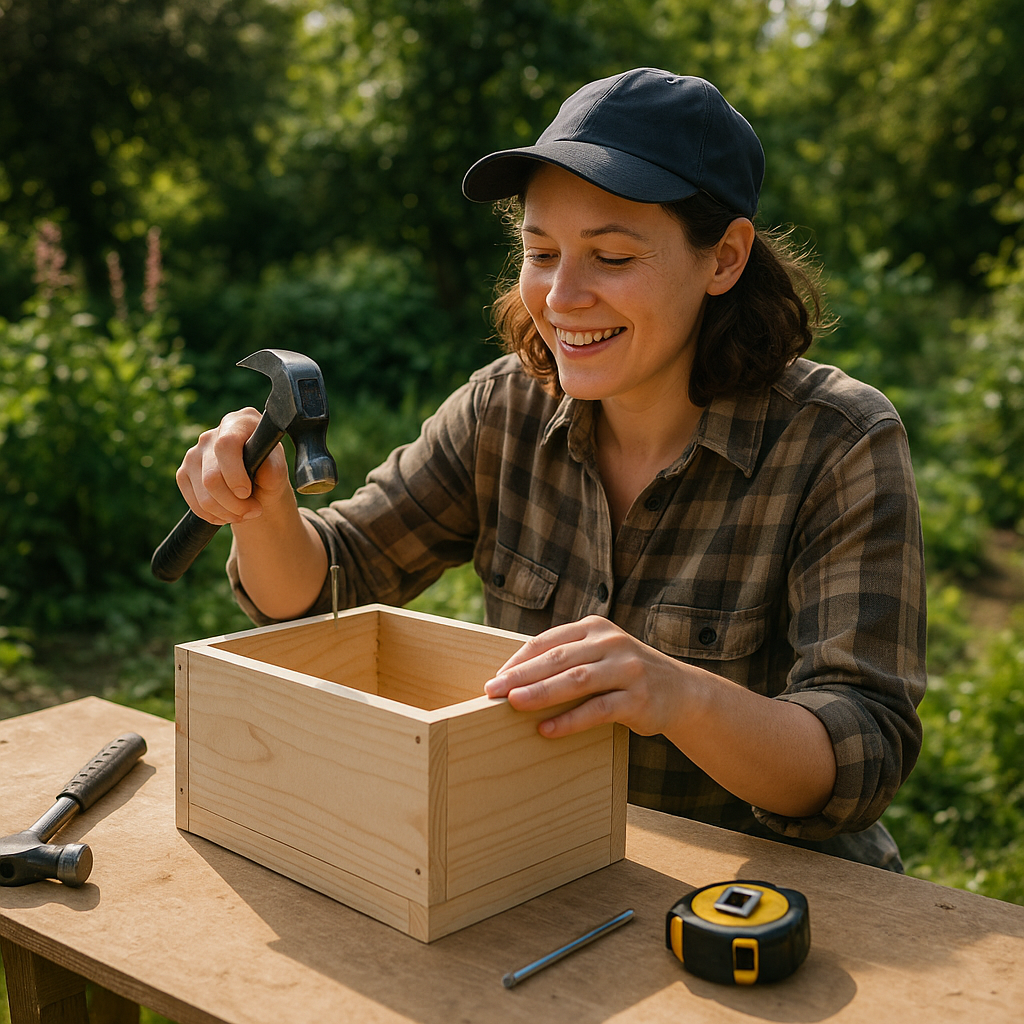
Why make things outside instead of indoors?
Working with wood outdoors changes the whole feel of a project. Instead of being shut away, you are listening to birds, feeling the breeze and watching the light move across the day. Sawdust falls onto soil instead of a spotless floor, and mistakes feel less serious when you are standing under an open sky.
There are practical benefits too. Long planks are easier to move around in the garden than in a cramped shed. You can work on bigger pieces like benches or planters without worrying about hitting the ceiling or denting the walls. Ventilation is built in, so you are not breathing in dust in a tight space, and it is easier to keep the mess under control.
Choosing the right beginner projects
Good outdoor projects for new makers are simple, sturdy and forgiving. Think about things that will actually be used in the garden or on the patio so you see them every day and feel proud of your work. Classic ideas include planter boxes, a simple potting bench, a rustic bird table or a chunky outdoor stool for slipping your boots on and off.
Look for designs that rely on straight cuts and basic joints. Screws and outdoor glue are your friends. Avoid anything that demands tight, delicate joinery at first. The aim is to build confidence and enjoy being outside, not to chase perfection.
Tools and timber for outdoor making
You do not need a van full of gear to get started. A handsaw, drill-driver, tape measure, square and some clamps will take you a long way. As you grow more confident and start tackling bigger builds, you might decide to use workshop kit like panel saws to break down large boards before carrying them outside to assemble.
For timber, choose species and boards that can cope with life in the weather. Treated softwood is affordable and widely available, and it is ideal for planters, benches and simple tables. Cedar and larch are naturally more durable and smell fantastic while you work. Try to avoid warped or badly knotted boards, as they make measuring and fixing more frustrating than it needs to be.
Setting up a simple outdoor workspace
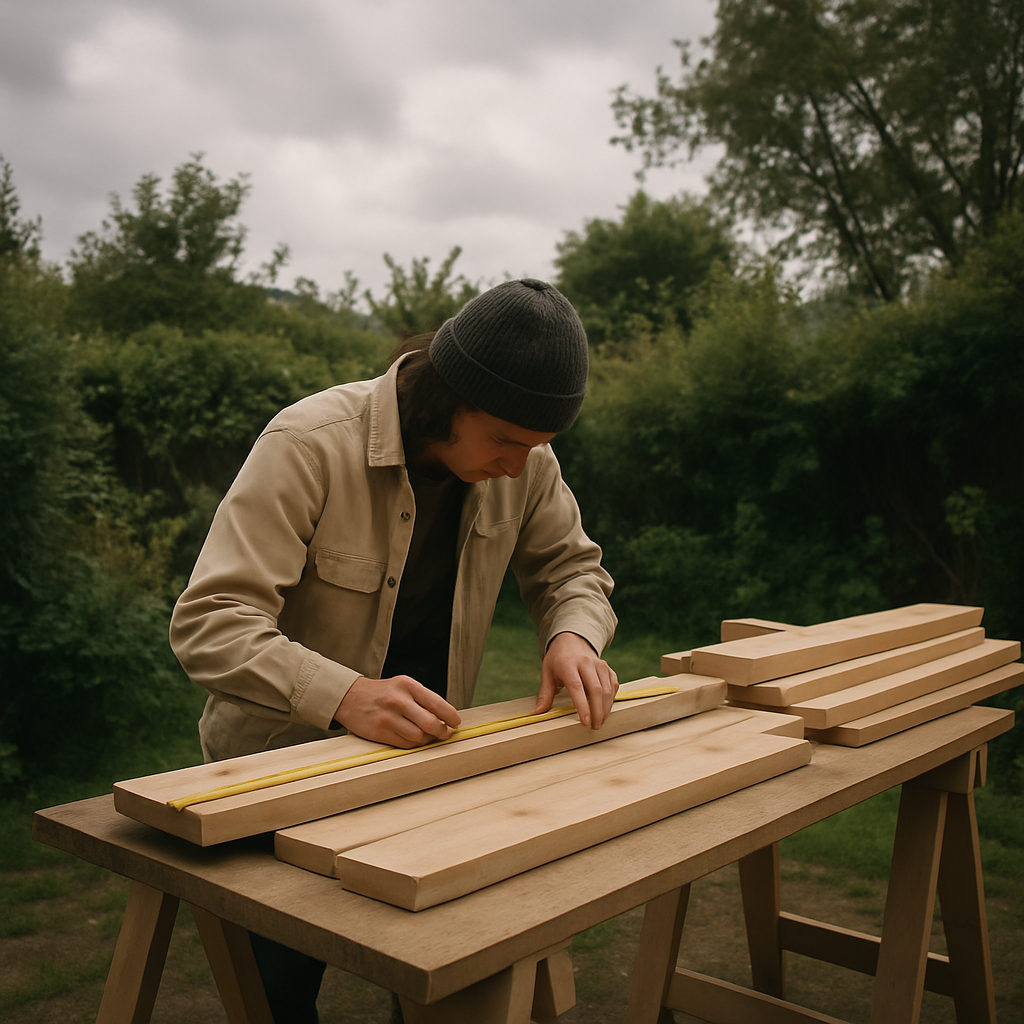
A comfortable outdoor workspace does not have to be permanent. Two sturdy trestles and a straight plank make a perfectly good temporary bench. Choose a spot that gets some shade in the middle of the day, and try to keep your back to the wind so dust and chips blow away from you.
Keep a basic kit close at hand: pencil, tape, square, screws, drill bits and sandpaper in a small box or bucket. That way you are not constantly walking back indoors. If the ground is muddy, lay down an old sheet of plywood or a couple of pallets to stand on. It is easier on the legs and stops you sinking into the soil while you work.
Looking after your projects and the environment
Anything that lives outdoors needs a bit of protection. Once you have finished sanding, brush off the dust and use an exterior oil, stain or paint to help the timber shrug off rain and sun. Soft, natural colours often sit best in a garden, blending with leaves, bark and stone rather than shouting for attention.
It is worth thinking about your impact on the wider landscape too. When you buy wood, look for certifications that show it has come from responsibly managed forests. Use finishes that are suitable for outdoor use and avoid spilling them onto soil or into drains. Collect offcuts and shavings into a bag rather than letting them blow across paths and streams.

Outdoor woodworking projects for beginners FAQs
What is an easy first woodworking project for the garden?
A simple planter box is an ideal first project. It only needs straight cuts, basic screws and outdoor glue, and the measurements are quite forgiving. Once it is built, you can fill it with herbs or flowers and enjoy the results every time you step outside.
How can I protect wooden projects that stay outside all year?
Choose timber that is suitable for outdoor use, such as treated softwood, cedar or larch. Sand any rough edges, then apply an exterior oil, stain or paint according to the instructions. Reapply the finish every year or two, and keep the project off bare soil where possible so moisture does not soak in from underneath.
Do I need a workshop for outdoor woodworking projects for beginners?
No, you can start with a very simple setup in your garden, yard or even a balcony. A pair of trestles and a board make a good temporary bench, and basic hand tools are enough for many small builds. As long as you have a flat surface, some fresh air and space to move around safely, you are ready to begin.
Leave a Reply