
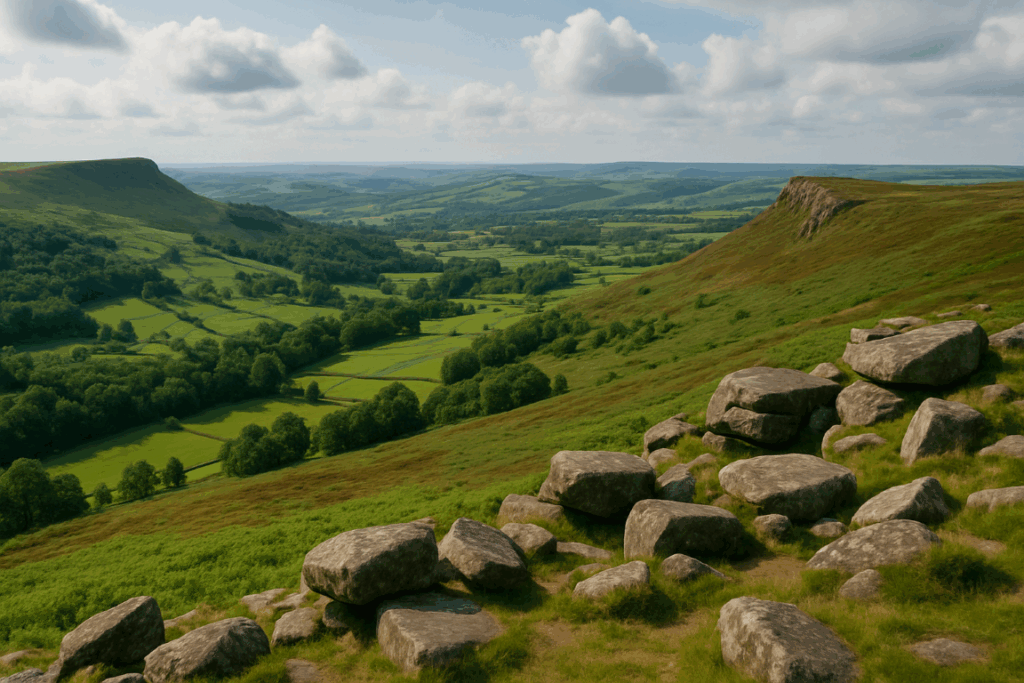

If you love big skies, muddy boots and long days on the hill, you have probably wondered how your life indoors can match the way you feel outside. That is where greener homes come in. It is not just about saving a few quid on your bills. It is about building a life that fits better with the landscapes we hike through and the wild places we care about.
What do we really mean by greener homes?
For many people, the phrase brings to mind solar panels and clever gadgets, but at heart it is much simpler. A green home uses less energy, wastes less water and materials, and is kinder to the land around it. It is a place that works with the weather rather than fighting it, staying warm in winter and cool in summer without burning through fuel.
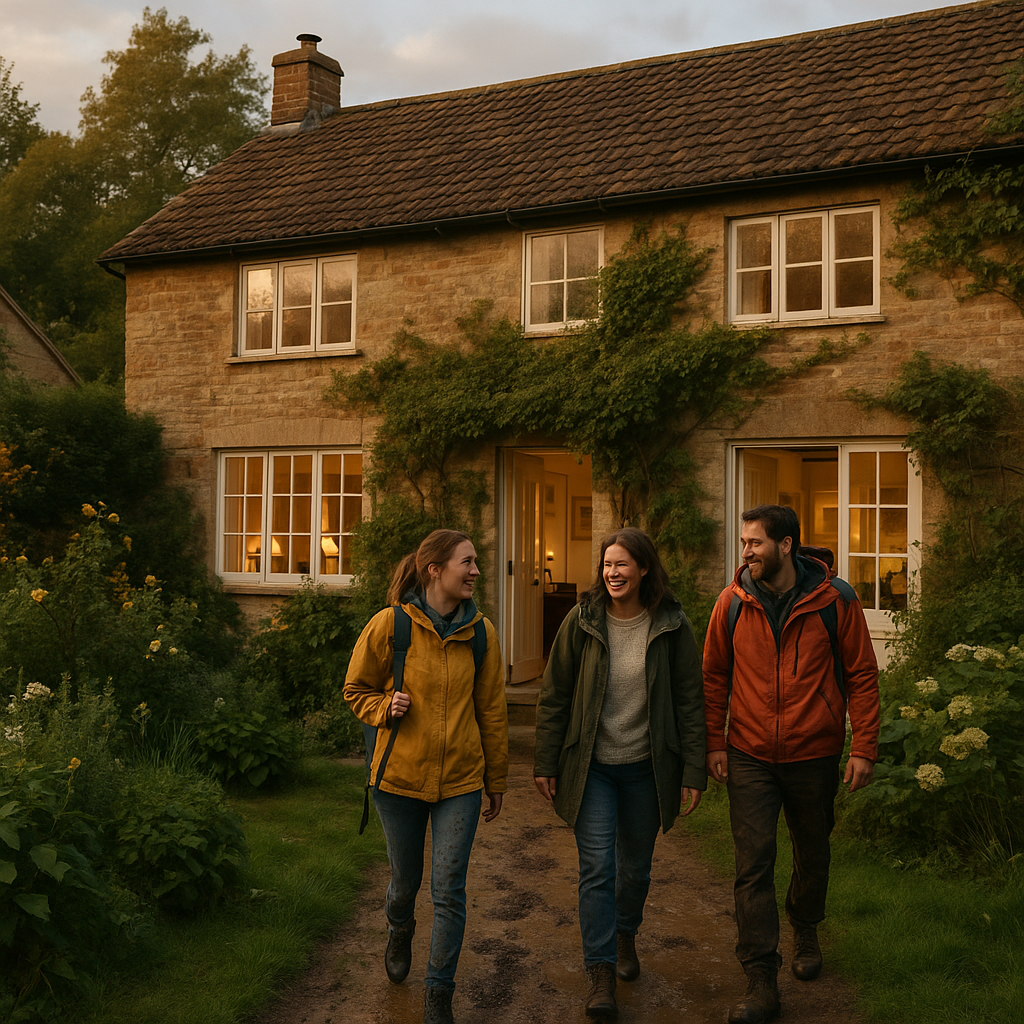
Think of those stone cottages you pass on a wet fellside walk. The thick walls, small windows and snug rooms were all early attempts to live more lightly in a tough climate. Modern ideas build on that, using good insulation, natural materials and smart design so that we can tread more gently while still being comfortable.
How greener homes protect the wild places we love
Every time we head for the hills, we see the marks of a changing climate: bogs drying, paths washed out by sudden storms, snow lines creeping higher. Our homes are part of that story. Heating and powering buildings is a big source of emissions, and those emissions change the very landscapes we escape to at weekends.
By turning our houses into greener homes, we chip away at that pressure. Better insulation means fewer draughts and less fuel burned. Choosing low impact materials means fewer scars from quarrying and logging. Simple habits like line-drying kit, collecting rainwater for the garden and planting trees in our own back yards all add up to cleaner rivers, healthier soils and more resilient habitats.
Comfort, warmth and the joy of coming back indoors
Anyone who has trudged home after a long, wet hike knows how good it feels to step into a warm, dry house. The trouble is, many older UK homes leak heat like a torn waterproof. Rooms feel chilly, walls are cold to the touch and the heating seems to be on full blast for half the year.
Improving the fabric of a building can transform that feeling. Good loft and wall insulation, draught proofing and decent windows turn a shivery house into a cosy basecamp. Some people choose options like external wall insulation as part of a wider upgrade, but even small steps make a difference. The result is a home that feels more like a mountain hut after a day on the ridge: snug, welcoming and ready to dry your socks.
Bringing the outdoors into everyday life
Greener homes are not only about what we add to the walls and roof. They are also about how we open up to the outside world. Simple design choices can make nature part of the daily routine, not just something reserved for weekends away.
Big windows that frame a garden, balcony or shared courtyard invite us to notice the weather. A bench by the back door makes it easy to slip on boots and step out for five minutes of fresh air. Planting herbs in pots, leaving a corner of the lawn to go wild, or adding a small pond can turn even a tiny space into a pocket habitat buzzing with life.
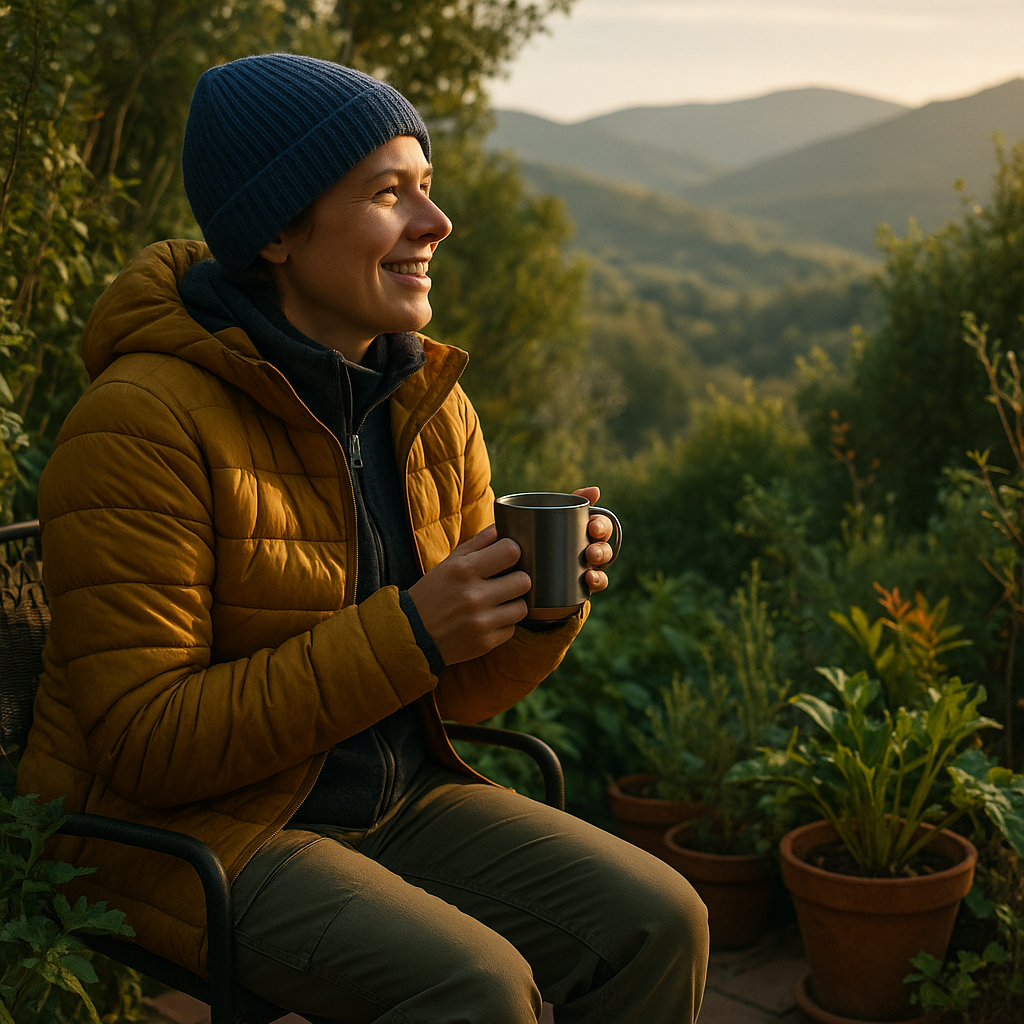
When our homes are shaped around sunlight, views and fresh air, we naturally spend more time outside. Morning coffees move to the doorstep, laptops migrate to the patio on bright days, and children drift towards trees and mud instead of screens.
Practical steps for turning your house into a greener basecamp
You do not need a grand design budget to start the journey. Many of the most effective changes are simple and affordable:
Greener homes FAQs
What are the easiest first steps to make an older house more eco friendly?
Start by tackling heat loss and draughts. Topping up loft insulation, sealing gaps around doors and windows and fitting thick curtains can make a big difference without major building work. Bleeding radiators, fitting simple reflector panels behind them and using thermostatic valves can also help. Outside, you can add water butts, plant native shrubs and leave a small wild corner to support birds and insects.
How can a rented home be made greener without major changes?
If you are renting, focus on changes that are reversible and low cost. Use draught excluders, thermal curtains and rugs on cold floors. Choose energy efficient bulbs and switch off appliances properly when not in use. Grow herbs and flowers in pots or window boxes, and ask your landlord before adding simple items like a water butt or a small compost bin. Even without big renovations, these steps can cut bills and reduce your impact.
How do greener homes affect our wellbeing?
A home that is warm, dry and filled with natural light is better for both physical and mental health. Reducing damp and cold helps prevent respiratory problems, while good insulation and ventilation create a more stable, comfortable indoor climate. When a house is designed to connect with gardens, balconies or nearby green spaces, people tend to spend more time outdoors, which is linked to lower stress, better sleep and a stronger sense of connection with the natural world.
Leave a Reply