


So you’ve booked it. Maybe it’s the Pennine Way, the West Highland Way, or a week crossing Dartmoor with everything you need on your back. The excitement is real. But somewhere between clicking confirm and lacing up your boots on day one, you’ll need to do the work. A solid long distance hike training plan is the difference between arriving at camp feeling wrecked on day two, and striding into the final stretch with something left in the tank.
This 12-week programme is built around real trail demands. Not a gym transformation. Not a weight loss challenge. Just getting your body and mind ready to cover big miles, day after day, with a pack on your back and whatever the British weather decides to throw at you.

Why a Structured Training Plan Actually Matters
People underestimate multi-day hiking all the time. They’ve done a few weekend walks and figure their legs are ready. Then the third consecutive morning hits, the quads are burning, the pack feels twice as heavy, and everything below the knee is blisters. The issue isn’t fitness exactly. It’s cumulative load. Your body needs to learn how to recover overnight and go again the next morning. That only happens with progressive, specific preparation.
The NHS physical activity guidelines recommend 150 minutes of moderate aerobic activity per week as a baseline for adults. This plan builds well beyond that, but it does so gradually. Injury prevention is baked in from the start.
The Three Pillars of Long Distance Hike Training
Before getting into the weekly breakdown, it’s worth understanding what you’re actually training. There are three areas that matter most.
1. Cardiovascular Conditioning
Sustained aerobic output is the engine of any multi-day route. You don’t need to be a runner, but you do need to be able to walk uphill at pace for hours without your heart rate going into the red. Long walks, cycling, rowing, and swimming all contribute. Consistency beats intensity here.
2. Muscular Strength and Endurance
Descents hammer your quads. River crossings and rocky scrambles demand ankle stability. Carrying a pack shifts the load onto your lower back, shoulders and core. Strength work, particularly single-leg exercises, hip stability drills, and posterior chain strengthening, pays dividends out on trail.
3. Loaded Pack Walking (the One People Skip)
This is the specific adaptation most people neglect. Walking with weight is biomechanically different from walking light. Your gait changes, your joints absorb more, your feet work harder. You need to train with your pack. Full stop. This is also where your boot fit gets tested properly, before day one on the trail.
The 12-Week Programme: Week by Week
Weeks 1 to 3: Build the Base
Start at a volume your body can handle comfortably. Three to four sessions per week, each between 45 and 75 minutes. Mix flat walks with easy cycling or swimming. Add two short strength sessions focusing on bodyweight squats, lunges, glute bridges, and calf raises. Pack walks at this stage should be short, around 5 to 8 miles with just 5 to 8 kg. The goal is getting your feet and joints used to load, not punishing yourself.
Weeks 4 to 6: Add Elevation and Load
Now you introduce hill work. Seek out local trails with a decent climb; if you’re inland and flat, use a treadmill on incline or find a multi-storey car park staircase. Yes, really. Strength sessions progress to single-leg work: Bulgarian split squats, step-ups with weight, and Romanian deadlifts. Pack weight increases to 10 to 12 kg. One session per fortnight should be a longer pack walk of 10 to 14 miles.
Weeks 7 to 9: Simulate Trail Conditions
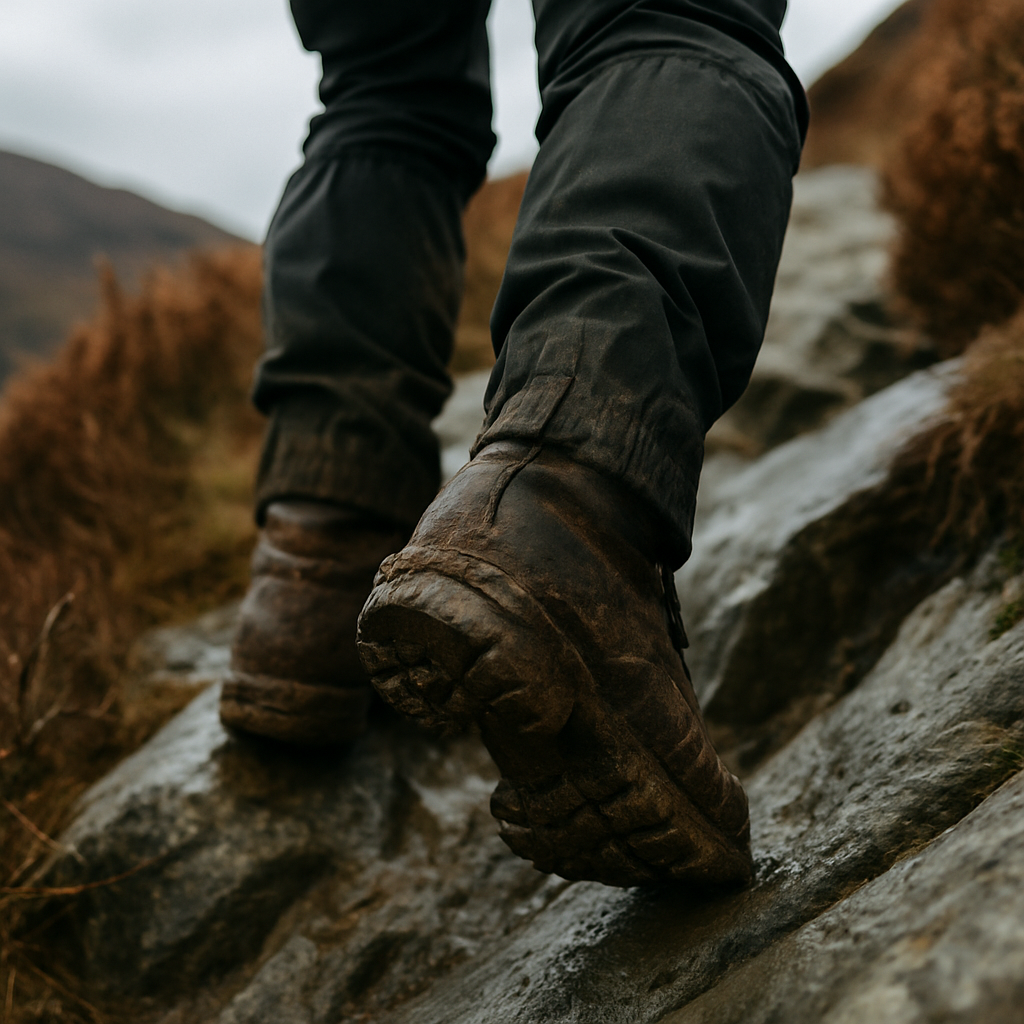
This is where the plan gets specific. One of your weekly walks should now be on rough or uneven terrain, proper footpaths, moorland, or riverside trails. If you’re tackling a named route, try to replicate the surface type. Back-to-back days become a feature now: a 12-mile walk on Saturday followed by a 10-mile recovery walk on Sunday. This teaches your body to go again when tired, which is exactly what multi-day hiking demands. Strength sessions shift towards maintenance: two sessions per week, lower volume, moderate load.
Weeks 10 to 11: Peak Load and Back-to-Back Long Days
You’re at peak training volume. One weekend in this block should include a two or three day mini-trip. Camp out or book a bunkhouse, carry a full pack, cover 15 to 20 miles each day. This is the real test. You’ll learn what chafes, what needs adjusting, and where your nutrition strategy needs work. Everything gets shaken out here, before it matters. This is also a good moment to sort any kit you might still be missing. Even something as simple as decent trekking poles can be hand-crafted from seasoned ash by skilled craftspeople using the best woodworking machines, though most of us are happier picking up a pair of Black Diamond or Leki poles from a walking shop.
Week 12: Taper and Prepare
Drop volume by around 40%. Short easy walks, light movement, no heavy strength sessions. Your body is consolidating the adaptations from the past 11 weeks. Sleep well, eat properly, sort your kit, study your route. Don’t panic and try to cram in extra miles. The training is done. Trust it.
Nutrition and Recovery on the Plan
Training adaptation happens during rest, not during the session itself. That means sleep, protein intake, and active recovery all matter. Aim for 7 to 9 hours of sleep throughout the programme. On long walk days, eat enough. Bonking (running out of fuel mid-walk) on a training day is avoidable and counterproductive. Carry snacks. Eat real food when you get home.
Hydration on training walks should mirror what you plan to do on trail. Get used to drinking from your reservoir or bottles at regular intervals rather than waiting until you’re thirsty.
Mental Preparation Matters Too
A long distance hike training plan isn’t just about the physical side. Multi-day routes have low moments, usually around day three or when the weather turns hostile and the path is a featureless bog for six miles. Learning to keep moving when you’re uncomfortable is a skill. The back-to-back training weekends in weeks 9 and 10 are partly about this. So is deliberately choosing rough weather for a training walk at least once. Knowing you’ve walked in horizontal rain and got to the other side of it builds genuine confidence.
A Few Extra Bits Worth Knowing
Feet deserve specific attention throughout the 12 weeks. Trim nails short, keep skin supple with a good foot balm, and address any hotspot blisters immediately in training rather than ignoring them. Your socks matter as much as your boots; Darn Tough and Bridgedale are both solid choices widely available in the UK.
Finally, adapt the plan to your life. Miss a session? Move on. Had a long week at work? A 30-minute evening walk still counts. The programme is a framework, not a contract. The best long distance hike training plan is the one you actually stick to.
Put in the weeks. Respect the process. Then get out there and walk.
Frequently Asked Questions
How many miles a week should I walk when training for a long distance hike?
In the early weeks of a 12-week plan, aim for 20 to 30 miles per week across multiple sessions. By weeks 7 to 10, build toward 35 to 50 miles per week including your back-to-back long days. Increase distance gradually, no more than 10% per week, to avoid injury.
How heavy should my training pack be before a multi-day hike?
Start with 5 to 8 kg in the first month, then build toward your expected trail pack weight of 12 to 16 kg by weeks 8 to 10. Training with your actual loaded pack is important because it reveals fit issues with your rucksack and tests your boots under real conditions.
Can I follow this training plan if I'm a complete beginner?
Yes, but extend the timeline. If you’re starting from very low fitness or have not hiked regularly before, consider stretching the 12-week plan to 16 weeks by repeating the base-building phase for an extra month. The key is gradual progression rather than rushing the early stages.
Do I need to join a gym to train for a long distance hike?
No. The majority of useful training for hiking happens outdoors: walking, hill repeats, and loaded pack walks. A few bodyweight strength exercises like lunges, split squats and step-ups can be done at home. A gym is helpful but not essential.
How long before a long distance hike should I stop training and taper?
Begin your taper one week before your start date. Reduce mileage by around 40%, stick to easy short walks, and avoid any new or heavy strength sessions. Your body uses the taper week to consolidate fitness gains, so rest is genuinely productive at this stage.
Leave a Reply