
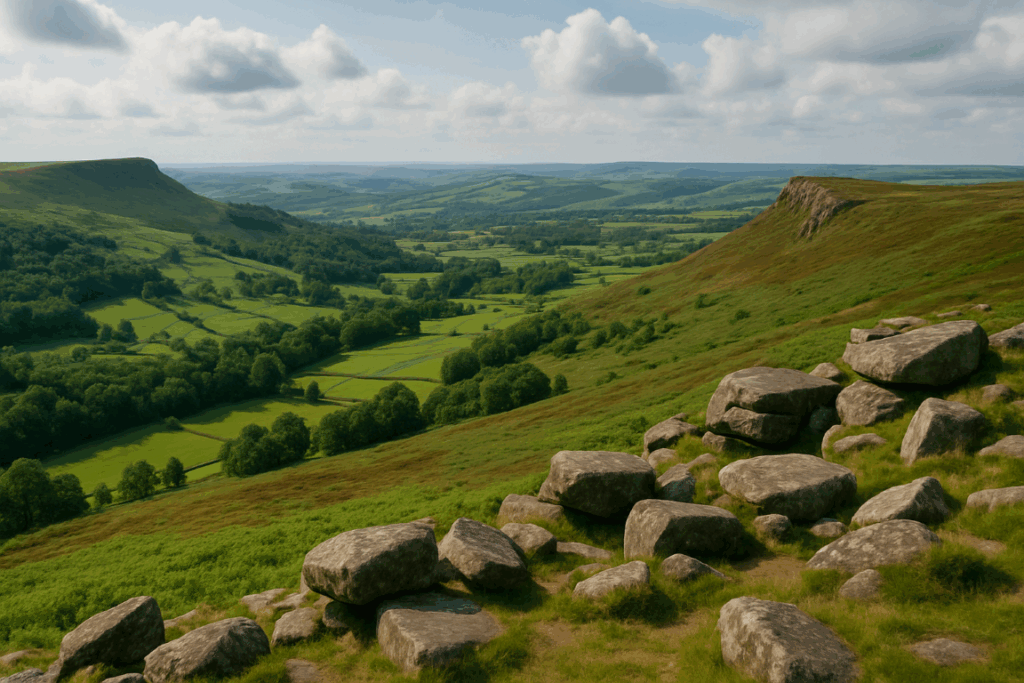

The Lake District gets the crowds, the guidebooks, and the Instagram posts. Aira Force near Ullswater, Skelwith Force near Ambleside, the classic shots you’ve seen a hundred times. But beyond the well-worn paths, tucked into gills and hidden behind moorland fells, there are waterfalls that most visitors never find. That’s where it gets interesting. This is a guide to some of the hidden waterfalls Lake District hikers rarely talk about, with everything you need to find them, photograph them, and build a proper day around them.
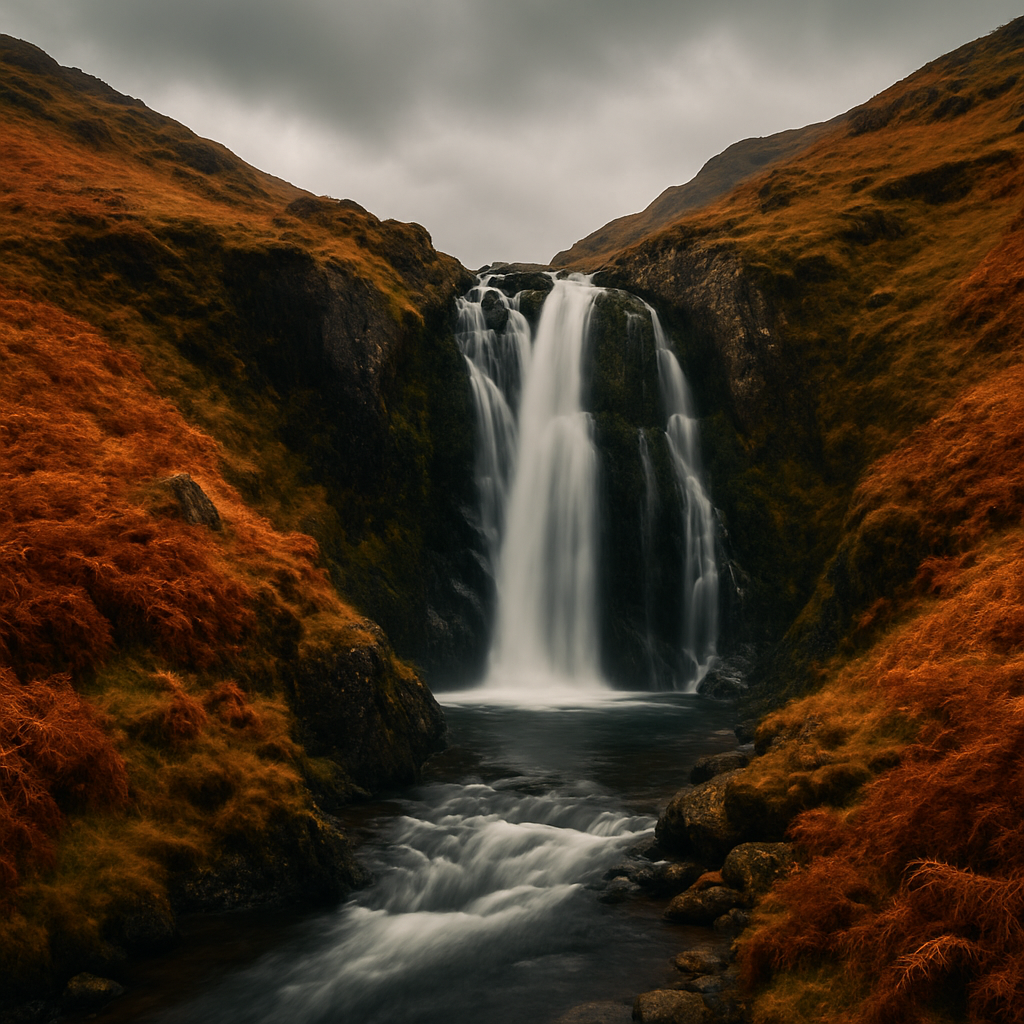
Whillan Beck Falls, Boot (Eskdale)
Eskdale doesn’t get the footfall of Borrowdale or Langdale, which is exactly why it’s worth the drive. Whillan Beck flows off the flanks of Scafell Pike and drops through a series of cascades above the tiny village of Boot. The approach from Boot Mill is roughly 3 miles return with around 200 metres of ascent. It’s not a technical walk, but the path is rough and boggy in places, particularly after any sustained rain. Bring poles if you have them.
The best time to visit is autumn, when the bracken turns amber and the beck runs hard after the summer drying out. Winter works too, though the higher sections can be icy underfoot. In dry summers the falls can reduce to a trickle, so check the Met Office forecast and aim for a day or two after rainfall if you want the full spectacle.
For photography, the gill narrows just above the main drop and frames the cascade tightly. A wide angle lens works well here. Use a slow shutter speed, anything from half a second upwards, to smooth the water into silk. Tripod legs will get wet, so factor that in. Nearby, the Ravenglass and Eskdale Railway (the famous La’al Ratty) passes through the valley, and a ride on it bookends the day nicely.
Dob Gill and Harrop Tarn, Thirlmere
Most people drive the A591 past Thirlmere without stopping. Fewer still know about the short but genuinely rewarding walk to Dob Gill. From the car park at the southern end of the reservoir, a clear path climbs steeply through Forestry England plantation to Harrop Tarn, one of the Lake District’s lesser-visited tarns. Dob Gill feeds the tarn via a sequence of small falls and pools in a mossy gorge setting that looks almost prehistoric after rain.
The round trip is about 3.5 miles with roughly 240 metres of ascent. It’s manageable in two to three hours, leaving plenty of time to push on along the ridge towards Ullscarf if the legs are feeling strong. The forest canopy here makes this one of the better wet-weather walks in the national park; you won’t get the same soaking you would on open fell.
Photography-wise, Dob Gill rewards patience. Get low, frame the falls through the mossy rocks, and shoot in overcast light rather than harsh sun. The contrast in the gorge is tricky in direct light, but cloud cover acts as a natural diffuser. Autumn and spring are the sweet spots for colour and water volume.
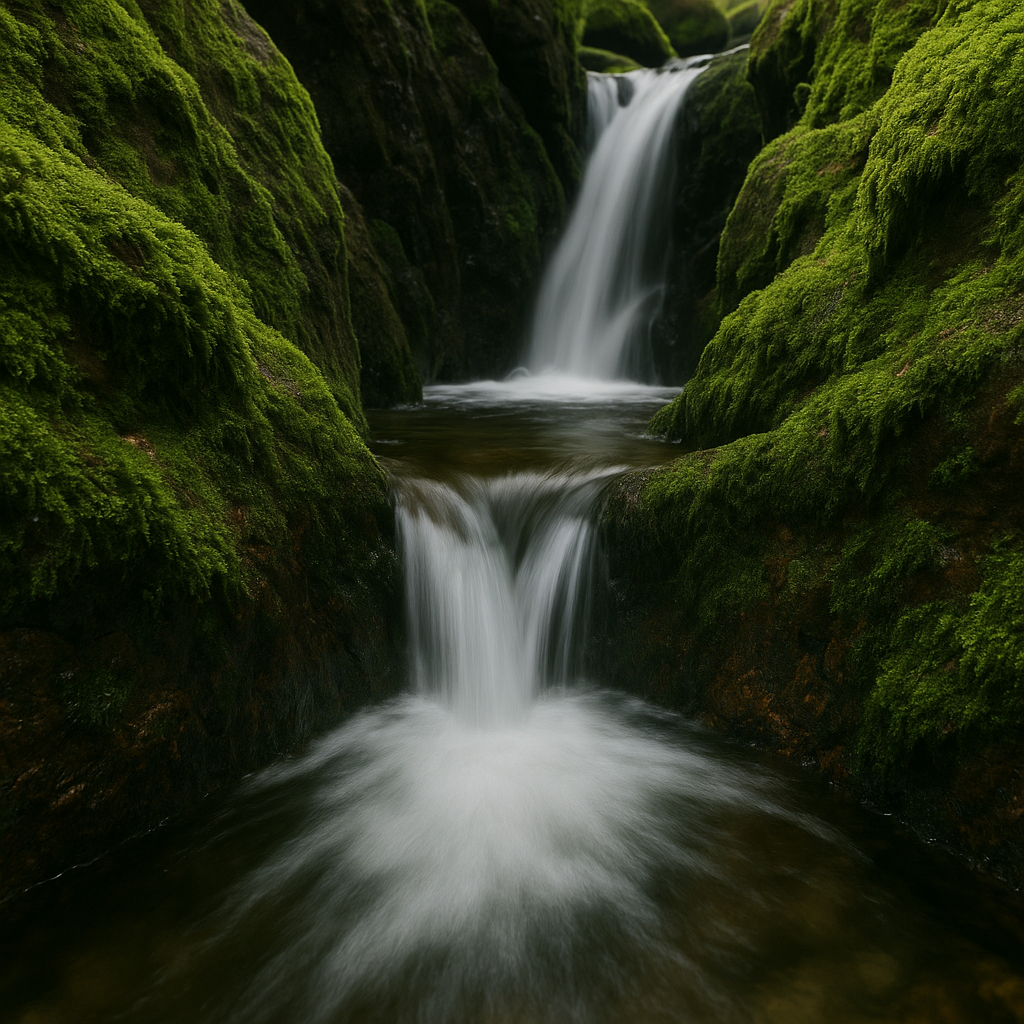
Launchy Gill, Thirlmere East Shore
Still at Thirlmere, but on the less-visited eastern shore. Launchy Gill drops sharply off the fellside in a long, broken cascade that’s visible from the road but accessed by very few. A rough path follows the gill upward from a small pull-in area on the B5322. There’s no formal car park, so you’re parking in a lay-by. This is one of the hidden waterfalls Lake District walkers tend to stumble upon rather than seek out deliberately, which is half the charm.
The lower section of the falls is the most dramatic, a clean drop of perhaps 15 metres into a rocky pool. Above that, the gill continues through steeper ground that requires scrambling ability and should not be attempted in icy conditions. Stay on the lower section unless you’re confident on rough terrain.
This is a good spot for combining with a walk along the eastern shore footpath, which passes through mixed woodland and is relatively sheltered. Total distance if you walk the full eastern shore and back is around 5 miles.
Taylor Gill Force, Borrowdale
Yes, Borrowdale is well known. But Taylor Gill Force, which drops over 50 metres into Styhead Gill above Seathwaite farm, is routinely bypassed by walkers heading up towards Great Gable or Scafell. If you’re on that path, you’ve probably had your eye on the summit and barely glanced left. Worth a glance.
The approach from Seathwaite is about 1.5 miles one way on a good path. The falls are best in full spate after heavy rain, when the volume turns them truly impressive. In dry conditions they’re still photogenic, but the character is different. Spring snowmelt, usually March through early April in most years, can produce spectacular flow.
The photography here benefits from distance. The falls are tall enough that you can shoot them from across the gill with a short telephoto and pick up the full height. Up close, you lose the scale. Visit in the morning if you can; the light falls better on the western face in the earlier hours.
Best Seasons for Waterfall Hunting in the Lake District
The honest answer is that autumn and spring win every time. Autumn brings colour and, after summer’s drought, the first serious rainfall refills the becks properly. Spring brings snowmelt from the higher fells and longer daylight hours, which matter when you’re trying to squeeze a full day out of a route. Summer can be lovely but the falls are often reduced, and the paths around popular areas get very busy. Winter offers drama and isolation, but icy paths add genuine risk; micro-spikes are essential on anything other than low-level routes. The Lake District National Park Authority publishes trail condition updates and is worth checking before any outing in cold or wet conditions.
Tips for Photographing Hidden Waterfalls
A few things I’ve learnt the hard way. First, overcast days are genuinely better than sunshine for waterfall photography. The even light brings out colour in the moss and rock without blowing out the white water. Second, a polarising filter cuts the surface glare on wet rocks and makes a real difference to the finished image. Third, get closer to the water than feels comfortable, then back off slightly. The best foreground detail is almost always within a metre or two of the water’s edge.
Protect your camera in spray zones. A simple shower cover works fine. And accept that your boots are going to get wet. That’s not a problem to solve; it’s part of the experience.
Extending the Day: Nearby Routes Worth Adding
Each waterfall in this guide sits within reach of a broader route. Dob Gill and Launchy Gill can be linked into a Thirlmere circuit of around 8 miles. Whillan Beck pairs well with a lower-level traverse of Eskdale towards Hardknott Pass, though that’s a full day rather than half. Taylor Gill Force is a natural addition to any Seathwaite-based outing, particularly the classic Great Gable circuit via Sty Head. None of these require specialist kit beyond proper waterproof boots and a reliable map.
The hidden waterfalls Lake District has to offer are genuinely worth the extra effort to find them. The crowds thin out quickly the moment you leave the obvious paths, and that feeling of having a dramatic fell-side cascade largely to yourself on a weekday morning in October is one of the best things the national park offers. Get out there while the weather plays ball.
Frequently Asked Questions
What are the best hidden waterfalls in the Lake District for beginners?
Dob Gill near Thirlmere is one of the most accessible, with a clear path, modest ascent, and a round trip of around 3.5 miles. Taylor Gill Force above Seathwaite is another good option, with a well-marked path and a relatively short approach of about 1.5 miles each way.
When is the best time of year to visit waterfalls in the Lake District?
Autumn and spring tend to offer the best combination of water volume and landscape colour. Spring snowmelt boosts flow on higher becks, whilst autumn rainfall after a dry summer can produce spectacular cascades. Summer is the least reliable season for full-flowing falls.
Are the hidden waterfalls in the Lake District accessible without specialist kit?
Most of the falls listed here require nothing more than waterproof walking boots, a map or OS app, and appropriate layering for the conditions. A few higher sections involve rough terrain and should be avoided in icy conditions without micro-spikes.
Is there parking near the lesser-known Lake District waterfalls?
Parking varies by location. Seathwaite has a small farm car park for Taylor Gill Force, and Boot village has limited roadside parking for Whillan Beck. For Launchy Gill, you’ll need to use a lay-by on the B5322. Arriving early, particularly at weekends, is strongly advised.
Can I wild camp near Lake District waterfalls?
Wild camping is generally permitted in the Lake District under the national park’s access land provisions, though you should camp well away from waterways to avoid polluting them. Follow Leave No Trace principles, camp for no more than two or three nights in one spot, and move on discreetly.
Leave a Reply