
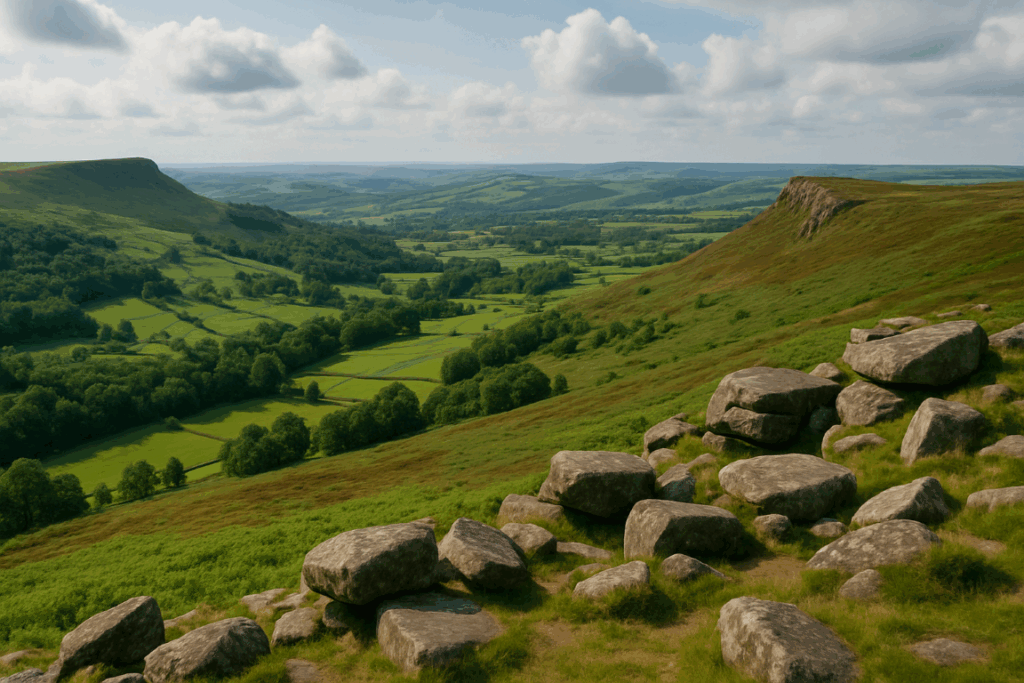

If you feel drawn to hills and muddy paths but do not quite know where to start, this beginner’s guide to hiking in the UK is for you. You do not need to be super fit, own expensive gear or move to the mountains. You just need a bit of planning, realistic expectations and a willingness to get your boots dirty.
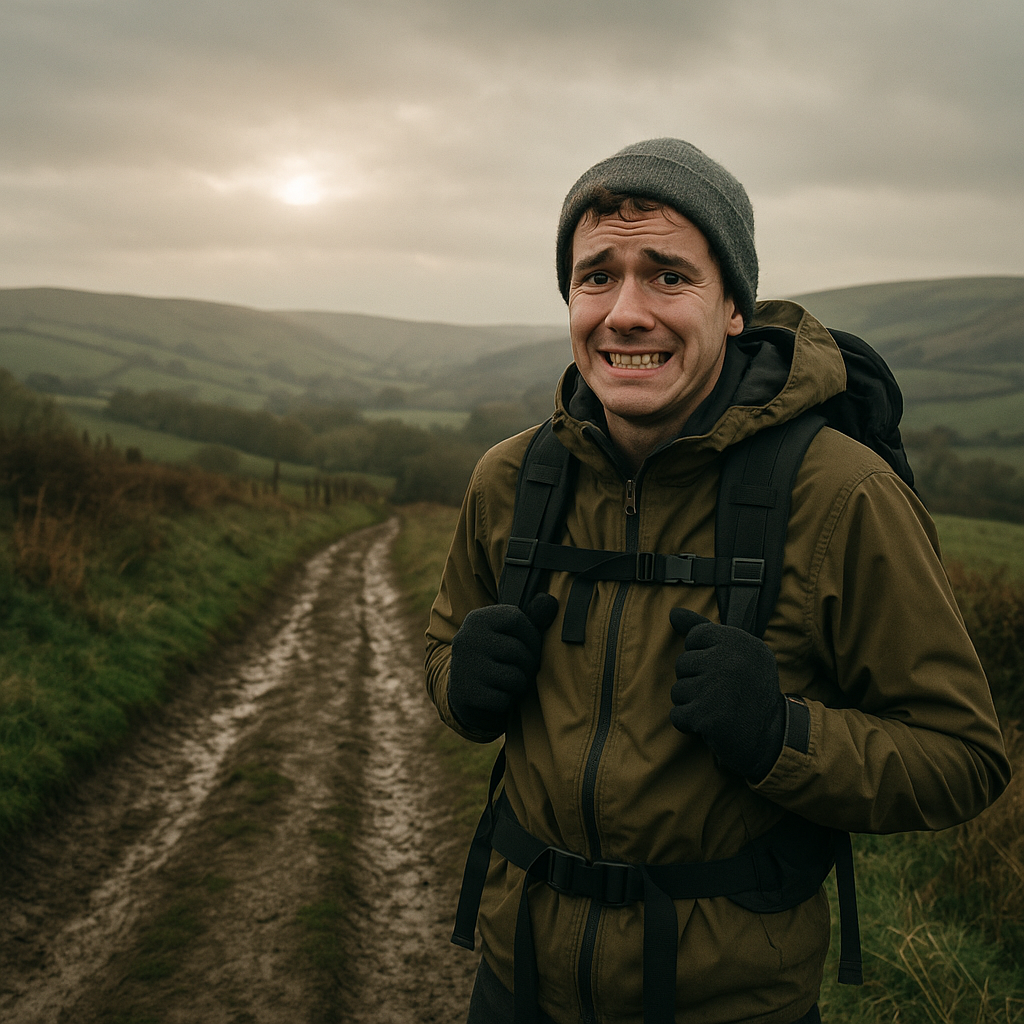
Why hiking is for more people than you think
Many people imagine hiking as epic ridges and huge backpacks. In reality, most days out are gentle rambles, short hill walks and coastal paths. Hiking is simply walking with purpose in natural places. If you can walk around town for an hour, you can start hiking – you just choose routes that match where you are now, not where you think you should be.
Being outdoors works wonders for stress, sleep and mood. Mud on your boots and wind on your face can do more than any gym session on a treadmill. Think of hiking as time in nature first and exercise second.
Choosing your first routes
The most important step in any beginner’s guide to hiking in the UK is picking the right first walks. Start small and build up.
Look for these features
- Clear paths: National parks, country parks and popular beauty spots usually have well trodden trails.
- Short distance: Aim for 3 to 6 km to begin with, or around 1 to 2 hours of easy walking.
- Low ascent: Gentle hills rather than steep climbs. Canal paths, forest trails and coastal promenades are perfect.
- Escape options: Loops that pass near roads, villages or car parks so you can cut it short if needed.
Local nature reserves, riverside paths and waymarked trails are ideal. Famous mountains can wait. A relaxed loop through your nearest woodland still counts as hiking and builds the confidence you will need later.
Fitness worries: starting where you are
It is normal to worry about holding people up or not keeping pace. The answer is simple: match the hike to your current fitness, not your future ambitions.
- Test your base: If a brisk 30 minute town walk leaves you puffed, start with flat countryside paths of a similar length.
- Use time, not distance: Plan walks by hours on your feet. Begin with 1 hour, then 90 minutes, then 2 hours.
- Take more breaks than you think: Short pauses to drink, snack and look around make a huge difference.
Hiking fitness builds surprisingly quickly. After a few weekends, hills that once felt daunting begin to feel manageable.
Basic kit that actually matters
It is easy to be overwhelmed by gear adverts, but a simple beginner’s kit list is enough to get you outside.
Essentials
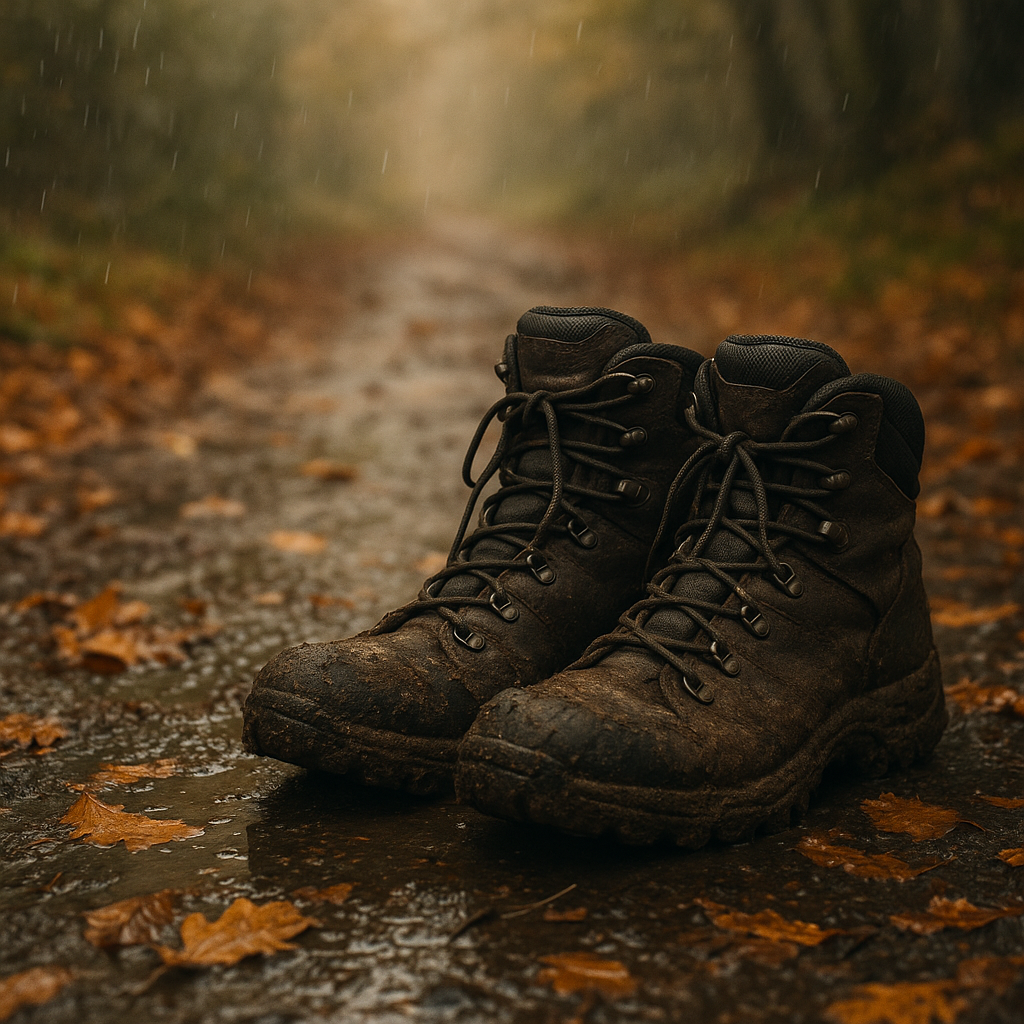
- Footwear: Comfortable walking boots or sturdy trainers with good grip. Waterproof boots are helpful in our famously soggy countryside.
- Layers: A breathable base layer, a warm mid layer and a waterproof jacket. Layers let you adapt to changing weather.
- Small backpack: Big enough for water, snacks, spare layer, hat, gloves and a basic first aid kit.
- Water and food: More than you think you will need. Nuts, sandwiches, fruit and flapjacks all travel well.
Nice to have, not essential
- Walking poles for balance on hills and muddy descents.
- Gaiters to keep mud and water out of your boots.
- A sit mat or bin bag to keep your bum dry during breaks.
Ignore anything that sounds overly technical or promises to transform your performance. Comfort, warmth and dry feet matter far more than fancy labels.
Staying safe on the trail
Safety is about common sense and preparation. Tell someone where you are going and when you expect to be back. Check the weather forecast and avoid exposed hills in storms, high winds or thick fog. Stick to marked paths until you gain more experience, especially in remote areas.
Carry a simple first aid kit, a small torch, a paper map of the area and a fully charged phone. Learn the basics of reading the map so you can match features like rivers, forests and hills to what you see around you. If you are unsure, turn back. The hill will be there another day.
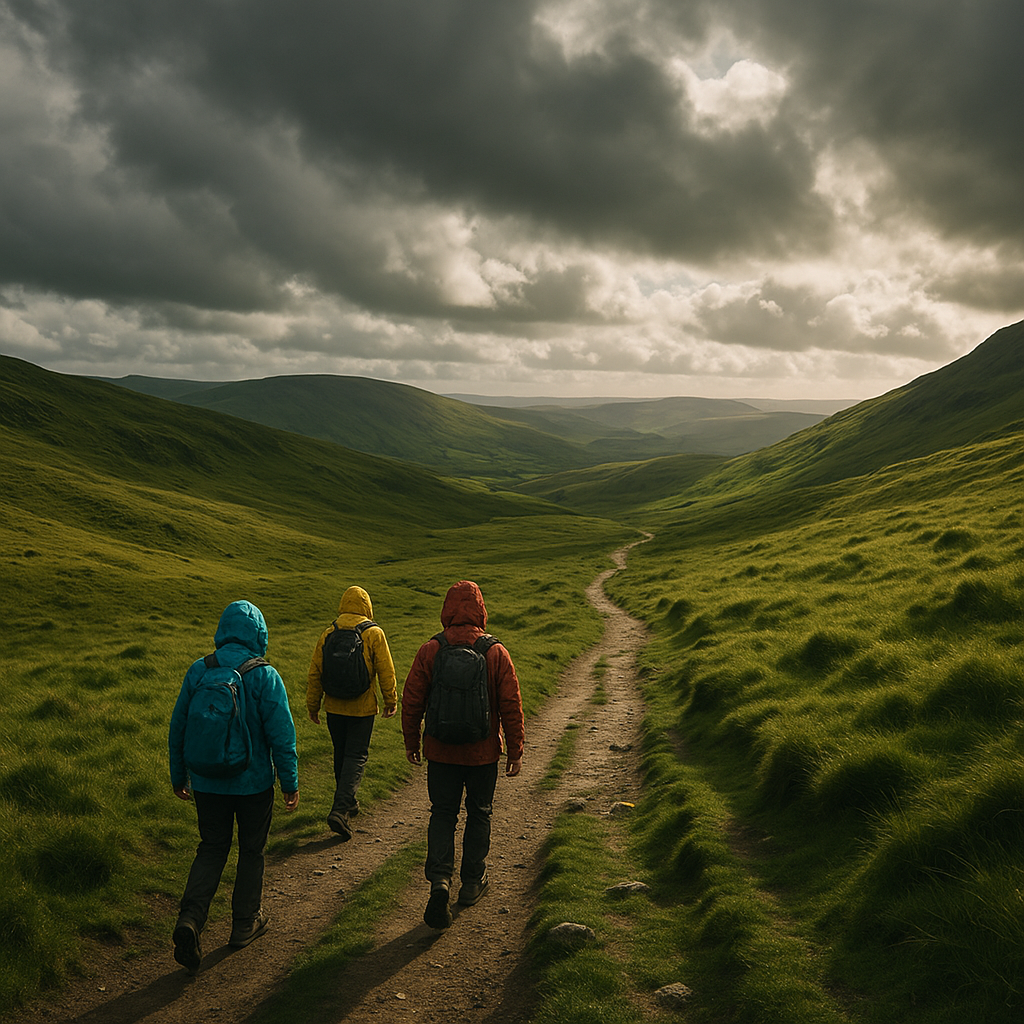
Beginner’s guide to hiking in the UK FAQs
How fit do I need to be to start hiking in the UK?
You do not need to be especially fit to start hiking. If you can manage a steady hour’s walk on pavements, you can begin with short, flat countryside routes and build up gradually. Focus on time on your feet rather than distance, take plenty of breaks and listen to your body. Over a few weeks of regular walks, your stamina will naturally improve.
What should I wear on my first easy hike?
Wear comfortable clothes you can move in, ideally in layers so you can add or remove warmth as the weather changes. A breathable top, a fleece or jumper and a waterproof jacket work well. On your feet, choose walking boots or sturdy trainers with good grip. Avoid heavy cotton that stays damp, and pack a spare warm layer, hat and gloves just in case.
Is it safe to hike alone as a beginner?
It can be safe to hike alone if you choose simple, well used routes and prepare properly. Start with short walks in local country parks or popular trails, tell someone exactly where you are going, and agree a time to check in afterwards. Carry a map, basic first aid kit, water, food and a fully charged phone. As your confidence and navigation skills grow, you can gradually explore more remote paths.
Leave a Reply