
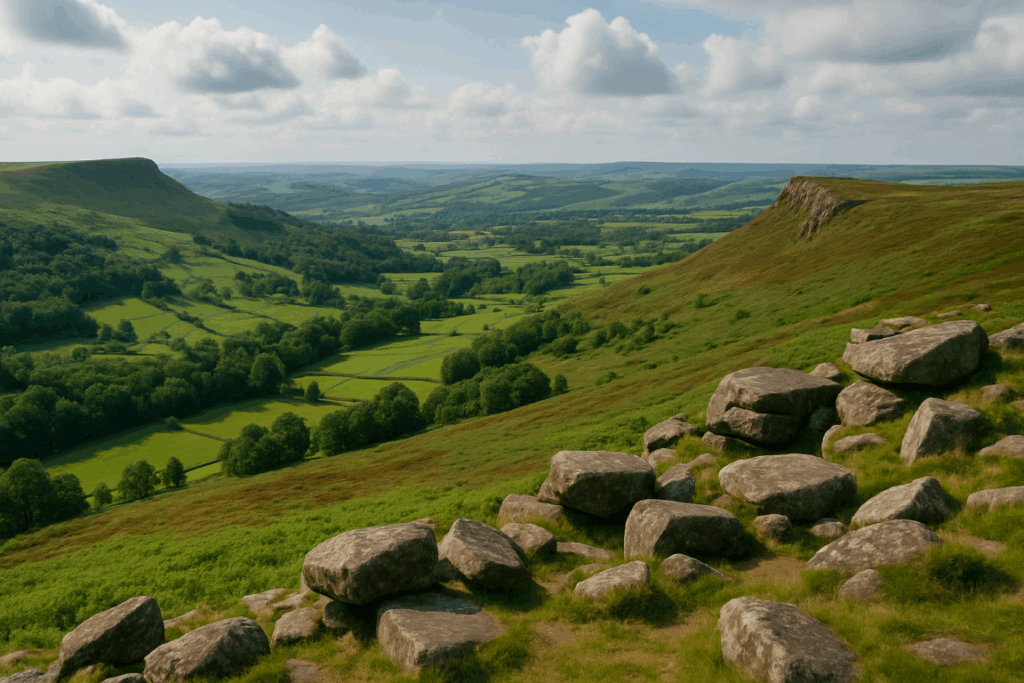
I’ve watched more people suffer through soaking socks than I care to count. A good friend of mine, experienced enough to know better, did the full Brecon Beacons horseshoe last winter in ankle gaiters. By Fan y Big he was wringing out his boot liners. The gaiters weren’t faulty. They were just completely wrong for the ground underfoot. Picking the best gaiters for hiking UK conditions isn’t complicated, but it does require you to be honest about where you’re actually going, not where you’d like to think you’re going.
The three types of gaiter and what they’re actually for
Before anything else, it helps to understand that gaiters aren’t a single product with varying quality levels. They’re three genuinely different tools, and confusing them is where most people go wrong.
Ankle gaiters
These sit low, covering just the ankle and the top of the boot. They’re lightweight, pack down to almost nothing, and fasten quickly. The purpose is narrow: they stop trail debris, stones, and light splashing from getting in at the collar of your boot. On dry, well-surfaced paths, think the South Downs Way on a warm day or a compact forest trail in summer, they do that job well. They are not waterproof in any meaningful sense when you’re punching through wet heather or crossing a flooded field. A bit of light moisture wicking off long grass? Fine. Anything deeper than a couple of centimetres of standing water? They fail immediately.
Three-quarter gaiters
This is the design most UK hillwalkers actually need, and the one most overlooked in favour of either the too-small ankle version or the full mountaineering gaiter. Three-quarter gaiters run from the boot collar up to just below the knee. They cover the most vulnerable ground: the ankle joint, the lower leg where wet bracken and heather constantly make contact, and the boot lacing system that acts like a sponge if left exposed. For boggy moorland, wet woodland paths, and pretty much any British upland in autumn or spring, this is the right answer. They’re not heavy. Modern versions in nylon or softshell fabrics weigh between 150 and 300 grams a pair. Most fasten with a simple hook under the boot and a top strap, the whole setup takes about 40 seconds.
Full mountaineering gaiters
These run from boot to knee and are built to a much heavier standard, usually using waterproof-breathable fabrics with reinforced lower sections that can take crampon spikes without tearing. They’re designed for snow, hard ice, and serious winter conditions. On a proper winter ridge, say, a full traverse of the Aonach Eagach in January with consolidated snow and crampons required, they’re essential. On a wet autumn walk across Dartmoor? They’re overkill. Heavy, warm, slow to put on and take off. I’ve used them on winter days in the Cairngorms and they earned their place. I’ve also seen people wearing them on muddy lowland paths in October and visibly overheating by mid-morning.
Matching gaiter type to UK terrain
Boggy moorland
Dartmoor, the Flow Country, the Pennines, the Black Mountains, if you’re crossing open moorland in the UK, you are almost certainly going to encounter boggy ground. The classic mistake is treating a bog crossing like a puddle: you step through quickly, hoping speed saves you. It doesn’t. On moorland, three-quarter gaiters are the minimum. You want them long enough that when your boot sinks unexpectedly to mid-ankle depth, the gaiter still forms a seal above the waterline. Ankle gaiters leave a gap. I’ve seen that gap filled with about 200ml of peaty water in under a second. Not ideal.
The material matters too. Look for a DWR-treated outer fabric (durable water repellent) on the main body, with a reinforced lower section, usually a Cordura-type material, that resists abrasion from rough vegetation. Brands like Outdoor Research, Sealskinz, and Rab all make solid options in this category, generally priced between £30 and £70. Avoid anything with a simple velcro front closure if you’re heading into heavy heather; the stems clog the velcro almost immediately.
If you’re planning time on moorland in winter, you might also want to read about why Dartmoor demands particular respect from walkers, the terrain management goes well beyond just what’s on your legs.
Wet woodland paths
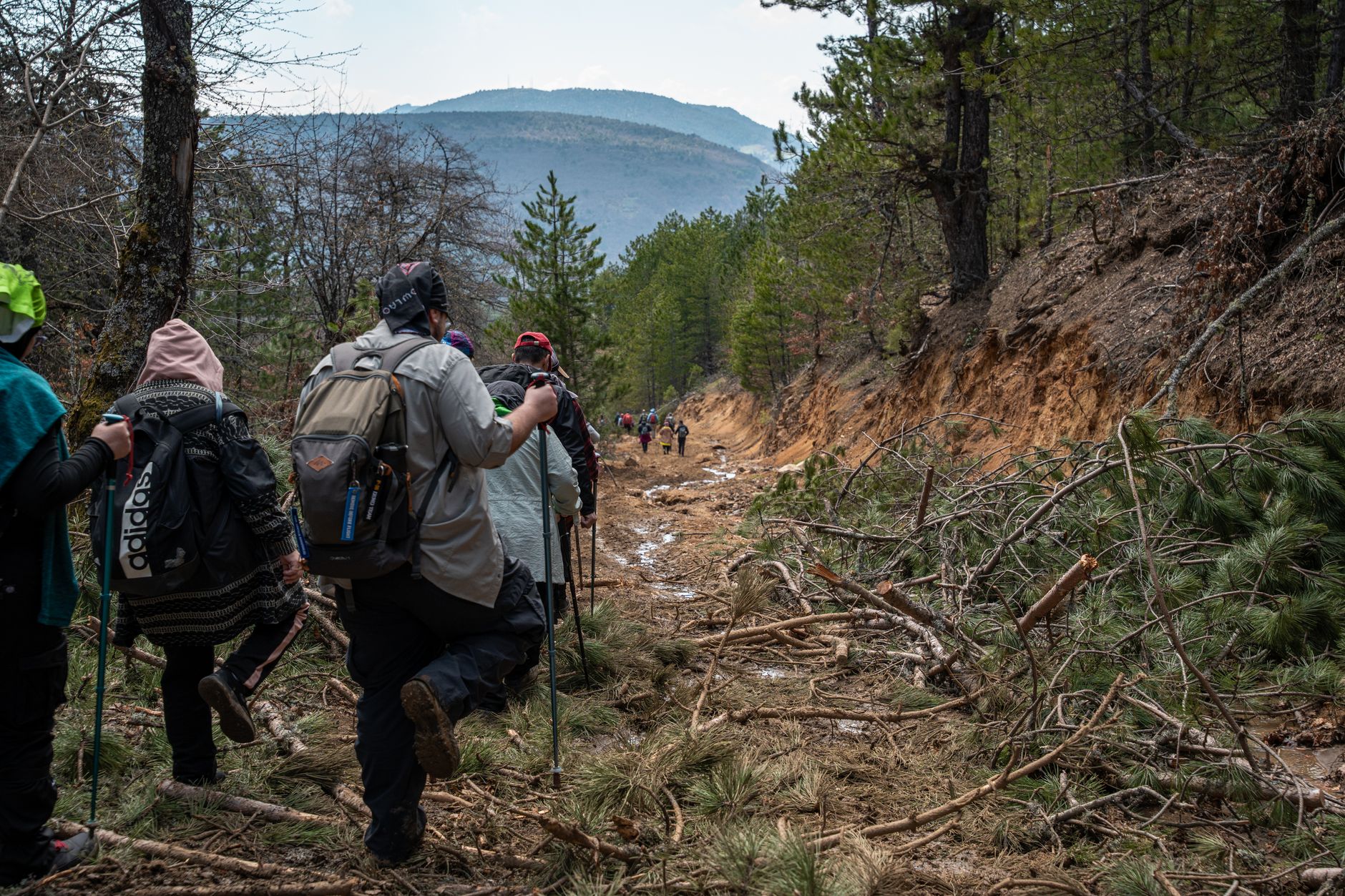
This is the terrain people underestimate most. A woodland path in November or February in the UK isn’t a gentle stroll. It’s often deeply rutted, covered in wet leaves over clay, and lined with vegetation that channels water straight onto your lower leg every time a branch springs back. Ankle gaiters handle this badly. Three-quarter gaiters handle it well. The key feature to look for here is a good seal at the boot collar, a neoprene rand or a tight elastic lower edge that genuinely grips the boot rather than flapping about.
Full mountaineering gaiters are genuinely unnecessary for woodland, and you’ll regret wearing them within the first mile. They’re too warm, and the rigid lower sections aren’t designed to flex with the natural movement of walking on irregular soft ground.
Winter hillwalking
This is where the question gets properly interesting, because “winter hillwalking” in the UK covers a wide spectrum. A February day on the Howgills in a bit of frost and firm grass is very different from a January day on the Brecon Beacons ridges in fresh snow. For most UK winter hillwalking below the Scottish Highlands, frost, frozen mud, occasional light snow, three-quarter gaiters are still perfectly adequate. They’ll stop snow from packing into your boot laces and keep the lower leg dry when you’re kicking through shallow drifts.
Full mountaineering gaiters become the right call when you’re introducing crampons, when you’re in the Scottish Highlands in genuine winter conditions, or when you’re on ground where snow depth makes the extra coverage genuinely necessary. The Cairngorms plateau in January, a full winter day on Buachaille Etive Mor, the Northern Corries in February, that’s mountaineering gaiter territory. And if you’re heading into conditions like that, you’ll also want to be confident in your navigation; navigating in poor visibility on British hills is a skill worth refreshing before you commit to a serious winter day.
A few things worth checking before you buy
Boot compatibility matters more than most people realise. Gaiters fasten via a cord or wire that runs under the boot, hooking onto a rand hook or the welt. Not all boots have a rand hook, trail runners and many modern lightweight boots don’t, so check before assuming your new gaiters will work with your footwear. The British Mountaineering Council publishes useful kit guidance if you’re unsure what counts as appropriate footwear for different terrain grades.
Fit matters too. A gaiter that’s slightly too wide at the lower section will gap and let water in at the sides. Most manufacturers make different sizes, check the listed boot size range, not just S/M/L. And check the top closure: a simple buckle is easier with cold, gloved hands than a long zip. I’ve fought zip-fastening gaiters at 600 metres in February wind and I can confirm it’s not a good time.
Finally, maintain them. DWR coatings wash out over time. A periodic wash and re-treatment with a product like Grangers Performance Repel keeps the outer fabric doing its job. A gaiter with a failed DWR coating is wet, heavy, and depressing within twenty minutes.
The short version
Ankle gaiters: dry trail debris only. Three-quarter gaiters: 90% of UK walking conditions, including moorland, wet woodland, and mild winter hills. Full mountaineering gaiters: serious winter in the Scottish Highlands, crampons on the agenda, hard snow or ice underfoot. Match the tool to the terrain and your feet will thank you for it. Getting the best gaiters for hiking UK conditions isn’t about buying the most expensive option, it’s about buying the right one.
Frequently Asked Questions
What are the best gaiters for hiking UK moorland?
Three-quarter gaiters are the right choice for UK moorland. They cover the ankle and lower leg, sealing out boggy water and wet vegetation far better than ankle gaiters. Look for a DWR-treated nylon or softshell body with a reinforced lower section to resist abrasion from heather and rough grass.
Do I need full mountaineering gaiters for UK winter walking?
Not usually. Full mountaineering gaiters are designed for crampons, hard snow, and serious Scottish winter conditions. For most UK winter hillwalking, frozen ground, light snow, frosty paths, three-quarter gaiters are perfectly adequate and much more comfortable to wear all day.
Are ankle gaiters worth buying for UK hiking?
Only for dry, well-surfaced trails where your main concern is trail debris entering your boot. In wet British conditions, which is most of the year across most of the country, ankle gaiters don’t provide enough coverage to keep water out. They leave too large a gap above the boot collar.