
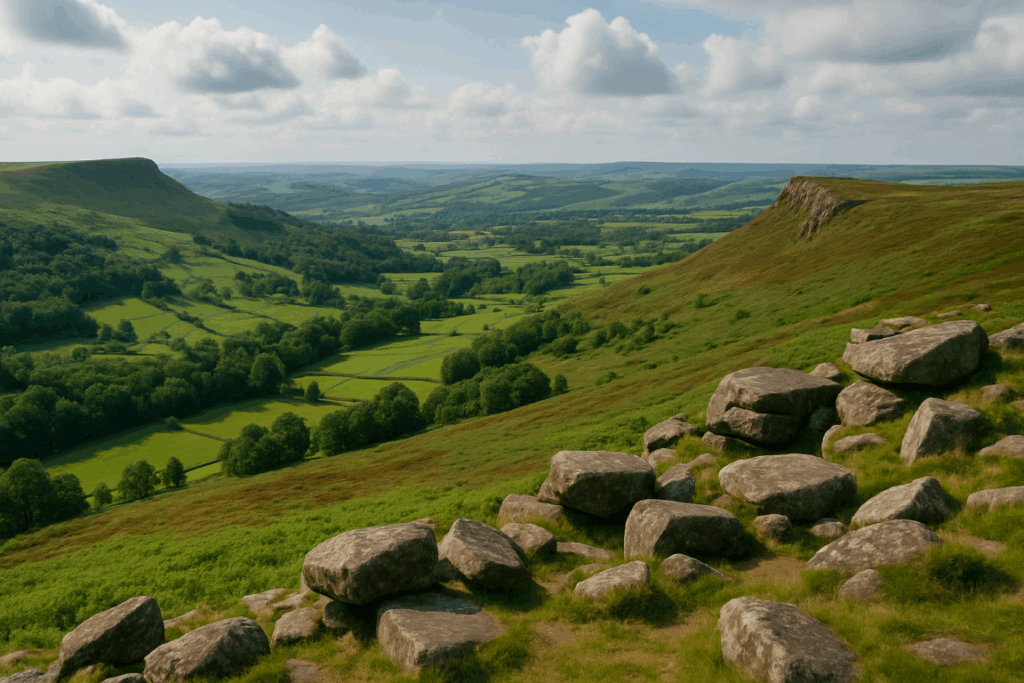

Most walkers carry a vague assumption that if something goes badly wrong on the hill, someone will come. That’s not wrong, exactly. But the gap between “someone will come” and “someone will find you quickly and get you out safely” depends almost entirely on what you do in the first few minutes of an emergency. I’ve spent enough time in mountains to have thought hard about this, and the more I’ve learnt about how UK mountain rescue teams actually operate, the more I’ve realised that most people understand very little of it.
How UK mountain rescue teams are structured
UK mountain rescue is almost entirely voluntary. The teams, there are around 100 affiliated to Mountain Rescue England and Wales alone, plus separate teams in Scotland under Police Scotland’s coordination, are made up of trained volunteers who respond when paged. They hold down ordinary jobs. They get a message on their phones and they drop everything. In Scotland, the police formally coordinate mountain rescue operations, and the teams respond under that framework. In England and Wales, teams work alongside Police and ambulance services but operate independently.
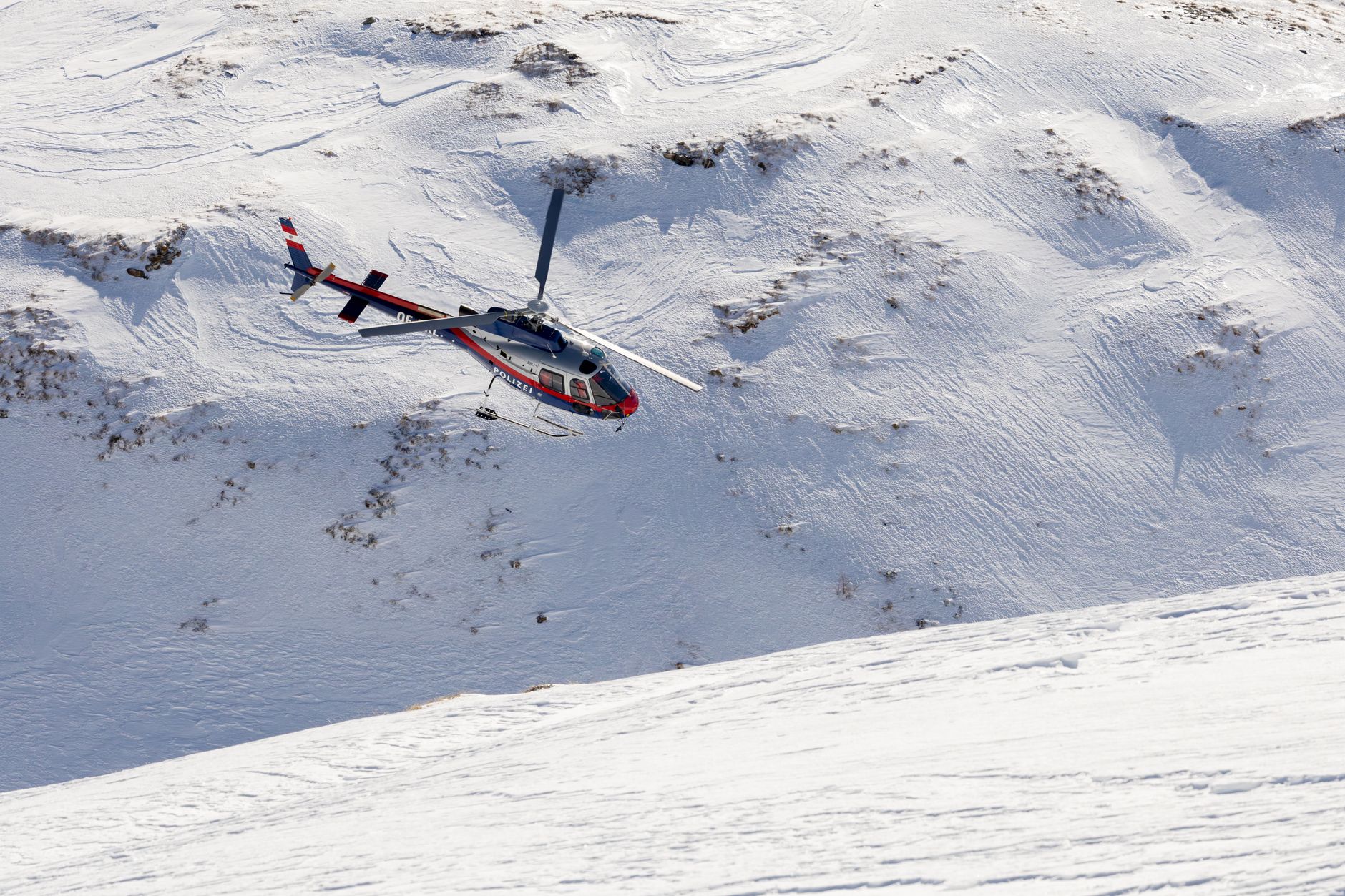
The teams train constantly. Search managers, team leaders, casualty carers, rope technicians. These aren’t people winging it with a first aid kit. They carry casualty bags, stretchers, advanced medical equipment, and in some areas they work alongside rescue helicopters (the HEMS aircraft operated under contracts with regional air ambulance charities or the coastguard). The whole system is remarkably well organised given that it’s run on donations and volunteer hours. But it does rely on the person in trouble giving it something to work with.
How to raise the alarm when signal is poor or absent
Signal is the first problem. Much of the ground where rescues happen, the Cairngorms plateau, the Black Cuillin, the Brecon Beacons’ higher ridges, large parts of the Lake District, has patchy or nonexistent mobile coverage. There are a few things worth knowing here.
First: in the UK, 999 emergency calls are routed through any available network, not just your own provider. If you have even one bar on any carrier, a 999 call has a better chance of connecting than a standard call. Worth trying before you assume it’s hopeless. Second: SMS sometimes gets through when a voice call doesn’t, but you need to be registered with emergencySMS in advance (text “register” to 999, then follow the instructions). This is one of those things you should do now, at home, not on the hill.
Third: PLBs (personal locator beacons) and dedicated satellite communicators like the Garmin inReach series bypass mobile networks entirely. They’re worth serious consideration for anyone spending regular time on serious ground. A PLB sends your GPS coordinates directly to a rescue coordination centre. No signal required. No ambiguity about your location.
If you do get through to 999, ask for Police (in Scotland) or Ambulance (in England and Wales), and tell the handler immediately that you need mountain rescue. They’ll transfer you. Stay on the line if you can.
What information the rescue controller needs from you
Controllers work with what you give them. The more precise, the faster a team gets to the right place. Here’s what they need, in rough order of priority.
Your grid reference. Not “near the big cairn” or “about halfway up”. A six-figure grid reference from your map or GPS. If you’re using a mapping app like OS Maps, it’ll give you your coordinates at a tap. This single piece of information is the difference between a team walking to you and a team searching for you. It genuinely cannot be overstated. I’ve spoken to rescue team members who describe spending an hour and a half searching because a caller only gave a rough location description.
What has happened. A fall, a deteriorating casualty, an injury, lost in low visibility, exhaustion. Controllers triage based on this.
The condition of the casualty. Conscious, breathing, level of pain, whether they can move. The team’s casualty carers and any accompanying paramedic need to prepare the right kit before they leave the road.
How many people are in the party, and whether anyone with the casualty has any medical or first aid training.
What you’re wearing. In poor visibility or failing light, a team on the hill needs to know what to look for.
The decisions that cause most callouts
This is where I’ll be direct, because the data is unambiguous. The Mountain Rescue England and Wales annual statistics consistently show that the majority of incidents involve people who were insufficiently prepared for conditions they encountered. Not reckless people. Ordinary walkers who made a small number of poor decisions that compounded.
The biggest single factor is weather. People set out in reasonable conditions, conditions change, and they haven’t checked a detailed mountain forecast or don’t understand how to read one. Learning how to read a UK mountain weather forecast properly before you head out is not optional if you’re going above 600 metres. The Met Office mountain forecasts for regions like Snowdonia, the Lake District, and the Cairngorms are specific, free, and genuinely excellent. Use them.
Navigation failure is the second major factor. Most people who get into trouble on hills are not experienced navigators. Reading contour lines in real mountain conditions is a skill that takes practice, and the map rarely looks quite like the ground in poor visibility. People follow a vague sense of direction, lose the path, and end up somewhere they can’t identify. A map, compass, and the ability to actually use them remain more reliable than a phone in the cold and wet.
Footwear and kit is the third. Trainers on wet rock, a cotton hoody in October, no waterproof layer. Hypothermia and slips account for a large proportion of callouts. The mountain doesn’t negotiate.
Finally, the turnaround problem. People push on past the point where they should retreat because the summit feels close, or because turning back feels like failure. I’ve done it. Most experienced walkers have done it at least once. But the summit will be there another day, and a team of volunteers really would rather not spend a night out in horizontal sleet retrieving someone who knew at 2pm that the conditions had turned.
Practical things to carry and do before you go
Beyond map and compass, a few specifics make a real difference. A whistle (six blasts repeated, the international distress signal). A torch or head torch with fresh batteries, even for a day walk that might run long. A survival bag or bivvy bag, which weighs almost nothing and can be genuinely life-saving if you need to wait for rescue in the cold. Enough food and water for longer than you expect to be out. And a written note left with someone at home stating your planned route and your expected return time, so that if you don’t check in, they know when to raise the alarm.
For those heading into more remote or technical ground, the most common hiking injuries in the UK are worth knowing about in advance, particularly ankle injuries and knee problems on descents, both of which can turn a straightforward walk into a long wait on the hill.
Mountain rescue teams don’t judge you for calling. They will come out in the dark and the rain for someone who genuinely needs help. What they’d prefer, quietly and without complaint, is that fewer people need calling out for things that solid preparation would have prevented. That’s not a criticism. It’s just how I’d think about it too, if I were one of them.
Leave a Reply