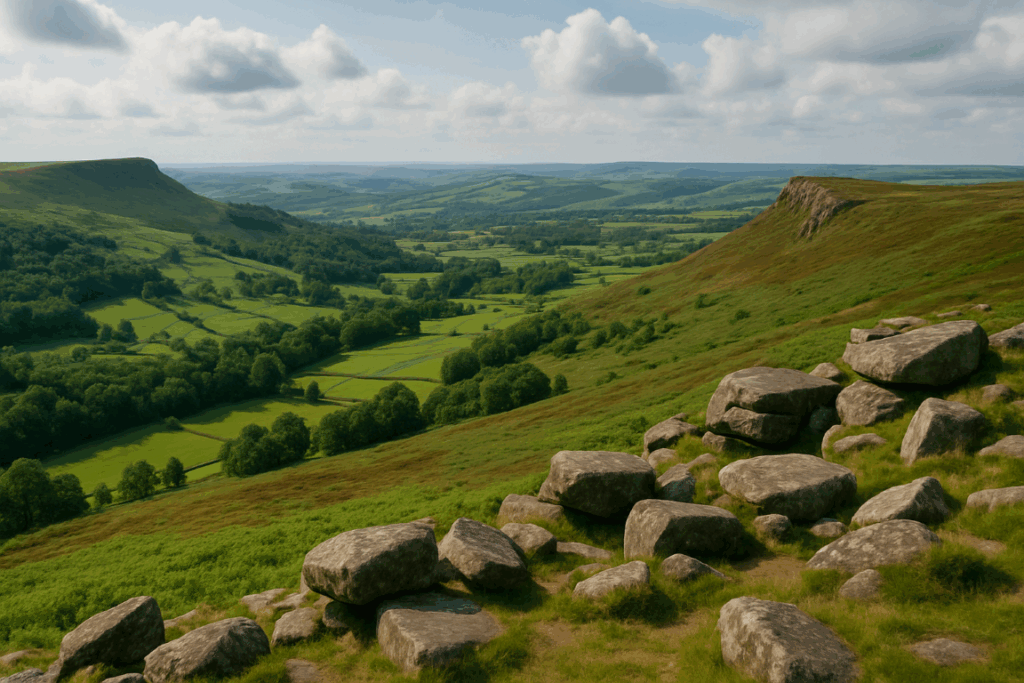
Tag: leave no trace uk

  • Responsible Hiking in the UK: A Practical Guide to Leave No Trace Principles

    Responsible Hiking in the UK: A Practical Guide to Leave No Trace Principles

    There is something quietly powerful about standing on a ridge with nothing but sky above you and miles of moorland rolling away beneath your boots. The UK has genuinely extraordinary wild places, from the Cairngorms plateau to the Pembrokeshire coast path, and they are accessible to almost anyone willing to pull on a pair of walking boots. But that accessibility comes with a responsibility most of us learn gradually, sometimes only after we have already made a mistake or two out there.

    Responsible hiking in the UK is not about a rulebook handed down from above. It is about genuinely caring for the places you visit, understanding how fragile they can be, and making decisions that leave them intact for whoever comes next. The principles below are practical, grounded in UK landscapes specifically, and worth carrying in your head on every outing.

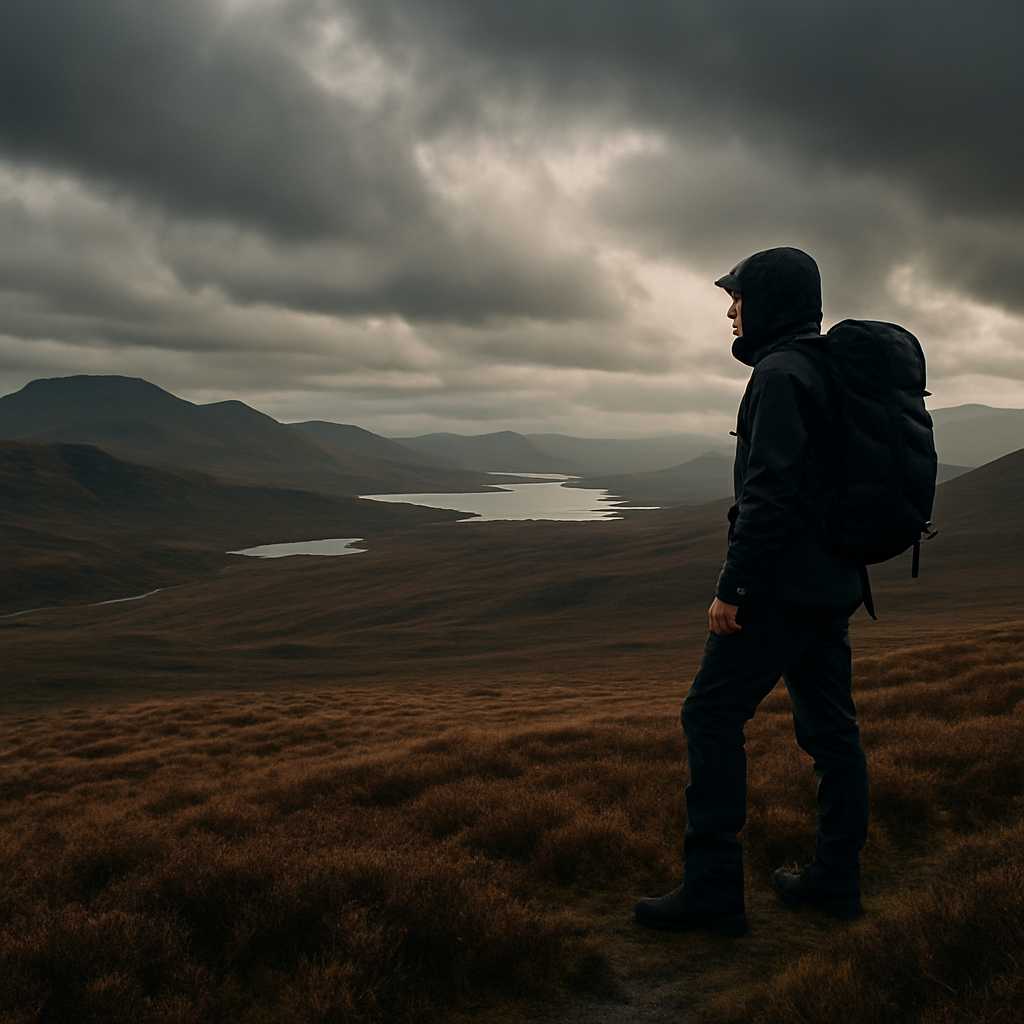
    Hiker on Scottish moorland ridge practising responsible hiking in the UK
    Hiker on Scottish moorland ridge practising responsible hiking in the UK

    Why Leave No Trace Matters More Than Ever in the UK

    Footfall on popular UK trails has risen sharply over the past few years. The Lake District, Snowdonia, and the Yorkshire Dales all reported record visitor numbers through 2024 and 2025, according to the relevant national park authorities. That pressure shows. Eroded paths, trampled vegetation, litter left near summits, and fire scars on sensitive peat moorland are not just eyesores; they cause lasting ecological damage that takes years or even decades to recover.

    The good news is that the vast majority of damage is unintentional. Most people visiting the hills love them. They just have not always thought through the knock-on effects of small decisions made out on the trail. That is exactly where a bit of knowledge goes a long way.

    Waste Disposal: Pack It In, Pack It Out

    This one sounds obvious but it still catches people out. Food waste is the big one. Orange peel, apple cores, and banana skins are not biodegradable on a meaningful timescale in upland UK conditions, especially above 600 metres where temperatures stay low and decomposition is slow. Leave an apple core on a summit cairn in the Cairngorms and it will still be there weeks later, attracting birds and small mammals to places they would not naturally forage.

    Carry a small rubbish bag and use it without exception. Many experienced hikers keep a dedicated zip-lock bag at the top of their pack for this exact purpose. If you are wild camping, that means food scraps, packaging, toilet paper, and anything else you brought in. Every single bit of it comes home with you.

    Human waste is trickier. If you are caught short in a remote area, the guidance from organisations like Mountaineering Scotland is clear: go at least 30 metres from any water source, path, or camp spot. Bury solid waste in a small hole roughly 15 centimetres deep if the ground allows. In fragile upland environments like blanket bog, use a trowel and disturb as little as possible. Toilet paper should always be bagged and carried out rather than buried or burned.

    Campfire Ethics on UK Land

    Campfires are one of the most contentious issues in UK outdoor ethics, and rightly so. England and Wales operate under a system where wild camping and open fires are largely not a legal right, unlike Scotland where the Land Reform (Scotland) Act 2003 gives responsible access rights that include wild camping. Even in Scotland, fires are discouraged in dry conditions, near tree lines, or on any peat-rich ground.

    Peat is the critical issue here. Much of the UK’s uplands sit on deep peat that has taken thousands of years to form. A campfire lit directly on peat can ignite the ground itself, burning slowly underground for weeks and releasing enormous amounts of carbon. The damage can be irreversible.

    If you do light a fire where it is appropriate and legal, keep it genuinely small. Use only dead and fallen wood rather than pulling branches from living trees. Never light a fire on bare peat, on rocky outcrops where scorch marks persist indefinitely, or within any national nature reserve. A good quality lightweight stove is a far better option for almost every situation, and most experienced wild campers have moved away from open fires entirely for this reason.

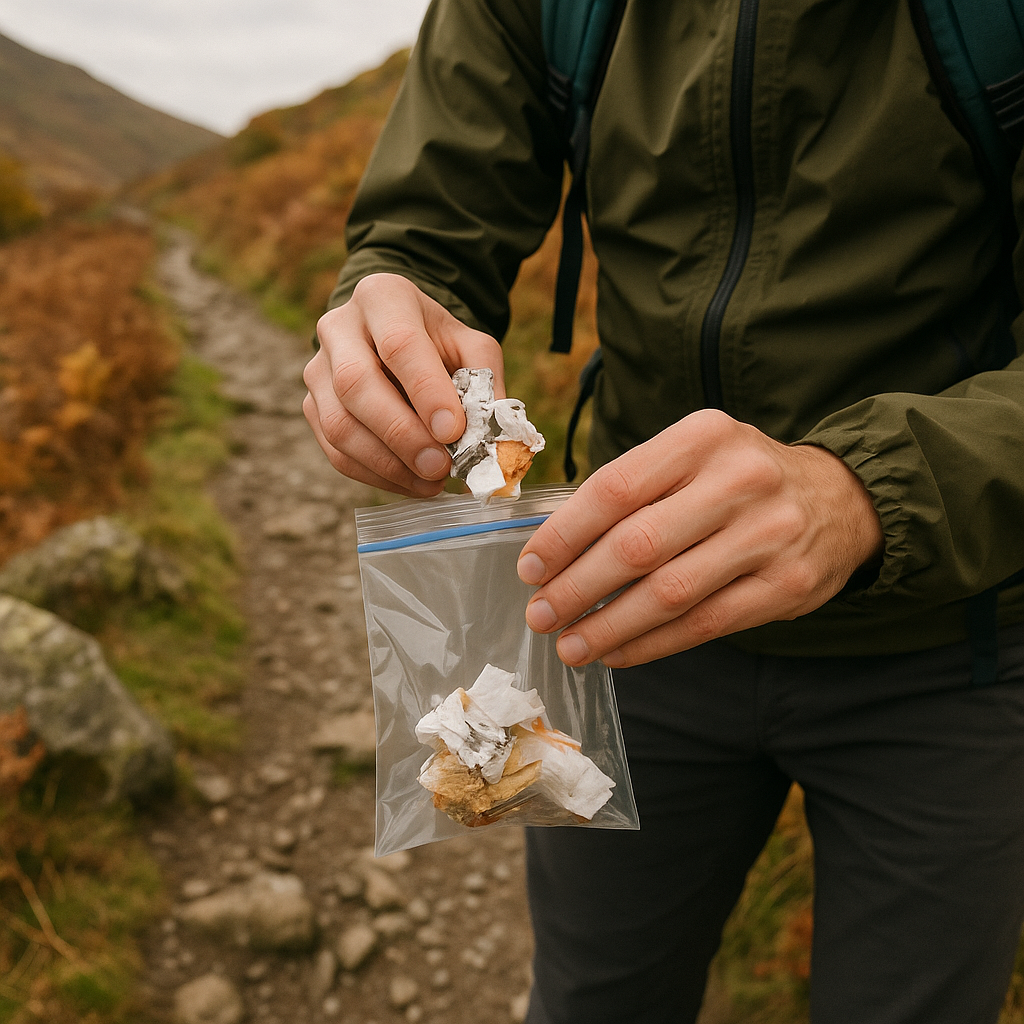
    Hiker packing out waste as part of responsible hiking in the UK leave no trace principles
    Hiker packing out waste as part of responsible hiking in the UK leave no trace principles

    Wildlife Disturbance: More Serious Than It Looks

    The UK has some remarkable wildlife clinging on in its upland and coastal habitats. Golden eagles, ospreys, red squirrels, mountain hares, and ground-nesting birds like the curlew and dotterel all live in or near the landscapes that hikers love most. Disturbance during nesting and breeding seasons, roughly March through to August for most species, can cause nest abandonment and breeding failure.

    In practical terms, responsible hiking in the UK means giving birds and mammals wide berth when you spot them, especially if they are showing signs of distress like alarm calls or moving away from a specific spot repeatedly. Dogs are a particular concern. Keep dogs on leads in upland areas during spring and early summer, and always comply with any seasonal restrictions posted on path signs. Natural England and NatureScot both publish seasonal guidance worth reading before any upland trip.

    On coastal walks, seabird colonies at places like Bempton Cliffs in Yorkshire or the Farne Islands off Northumberland require real care. Stay on marked paths, do not approach cliff edges to peer at nests below, and keep noise levels down. Seabirds flushed repeatedly off nests leave chicks exposed to cold and predators.

    Trail Etiquette: The Unwritten Code

    Some of the most valuable principles for responsible hiking in the UK are about how you move through landscapes and interact with other people using them. A few things I have learnt over years of being out there:

    • Stay on the marked path where one exists. Cutting corners on a zig-zag path accelerates erosion badly, especially on popular routes. Those zig-zags are not there to slow you down; they are engineered to manage water run-off and reduce ground pressure.
    • When you meet other walkers on a narrow path, the uphill walker has right of way as a general courtesy. It takes more effort and momentum to maintain uphill progress.
    • Close every gate you open. This is basic but critical in farming country, which covers the majority of the lowland and mid-level terrain in England and Wales.
    • Park considerately in rural areas. Village car parks and laybys near popular trailheads fill quickly; blocking farm access tracks or passing places on single-track roads causes real problems for people who live and work there year-round.
    • Keep noise reasonable in remote areas. Sound carries a long way on open hillsides and disturbs both wildlife and other people seeking solitude.

    Respecting Fragile Habitats Specific to the UK

    Blanket bog covers vast areas of the Scottish Highlands, the Pennines, and parts of Wales and Ireland. It is one of the most carbon-rich habitats on the planet, storing more carbon per hectare than tropical rainforest. Walking directly across it compacts the sphagnum moss and degrades the bog surface. Where a boardwalk or clear path exists across boggy ground, use it even when it seems unnecessary. The alternative is spreading erosion across a much wider area.

    Upland heather moorland is similarly sensitive. Much of it is managed for grouse shooting, which brings its own ethical debates, but regardless of your views on that the vegetation itself is slow-growing and easily damaged by repeated trampling off-path. Ancient woodland, rare in the UK and getting rarer, should be explored with care and without picking flowers, fungi, or bark.

    Small Habits That Add Up

    Responsible hiking in the UK does not require grand gestures. It requires consistent small habits applied every single time you go out. Carry out more litter than you brought in by picking up anything you pass. Report erosion or damage to the relevant national park or local access authority; they genuinely want to know. Support organisations like the British Mountaineering Council, Ramblers, or John Muir Trust who do hands-on conservation work on the ground.

    And if you organise group walks or share routes on social media, carry the principles with you. The more widely people understand why these things matter, the less remedial work volunteer groups have to do every spring clearing up after the previous season.

    One last thought: be a bit sceptical of any outdoor club or group communication that lands in your inbox looking suspicious. Just as you would run a message through a free spam checker before trusting a dodgy-looking email, apply similar critical thinking to any outdoor advice that seems to contradict the principles above. Stick with trusted sources, well-established national park guidance, and the wisdom of people who have spent real time in these landscapes.

    The hills are worth every effort to protect them. Get out there, do it right, and bring those habits home with you every time.

    Frequently Asked Questions

    Is wild camping legal in England and Wales?

    Wild camping has no general legal right in England and Wales, unlike Scotland where the Land Reform (Scotland) Act 2003 permits it under responsible access principles. In England and Wales, you typically need the landowner’s permission, though some areas like Dartmoor have historically allowed it by convention. Always check locally before you camp.

    Can I light a campfire on UK moorland?

    Open fires are strongly discouraged on UK moorland, particularly on peat-rich ground where a fire can ignite the soil itself and cause permanent damage. Even in Scotland where you have greater access rights, fires must be lit responsibly on mineral soil well away from peat. A lightweight stove is a far safer and more responsible alternative in almost all situations.

    What should I do with human waste when wild camping in the UK?

    Go at least 30 metres from any water source, path, or camping spot. Dig a small hole roughly 15 centimetres deep using a trowel, and bury solid waste where ground conditions allow. Always bag and carry out toilet paper rather than burying or burning it, particularly in upland environments where decomposition is very slow.

    How do I avoid disturbing ground-nesting birds on UK trails?

    Between March and August, many upland birds including curlew, golden plover, and dotterel are nesting on or near the ground. Keep dogs on leads in these areas, stay on marked paths, and if a bird is showing repeated alarm behaviour near a specific area, move away promptly. National park websites publish seasonal wildlife guidance worth checking before any upland walk.

    What is the most damaging thing hikers do on UK trails?

    Cutting corners on zig-zag paths is one of the most consistently damaging habits, as it accelerates erosion and affects water drainage across wide sections of hillside. Lighting fires on peat and leaving human waste or food scraps close to paths and water sources are also significant issues documented by national park authorities across England, Wales, and Scotland.

  • Leave No Trace in the UK: A Practical Guide for Hikers and Campers

    Leave No Trace in the UK: A Practical Guide for Hikers and Campers

    There’s a particular kind of quiet you find on a remote hillside in the Lake District or deep in the Cairngorms. No engine noise, no crowds, just wind and the crunch of boots on stone. That feeling is fragile, though. More people are heading outdoors than ever before, and the cumulative effect of millions of visits on UK trails and wild camping spots is very real. That’s exactly why leave no trace UK principles matter so much right now.

    The seven Leave No Trace principles weren’t designed for the American backcountry alone. They translate directly to Dartmoor, the Brecon Beacons, Snowdonia and the Scottish Highlands. Here’s how to apply each one in a genuinely practical way, not just in theory.

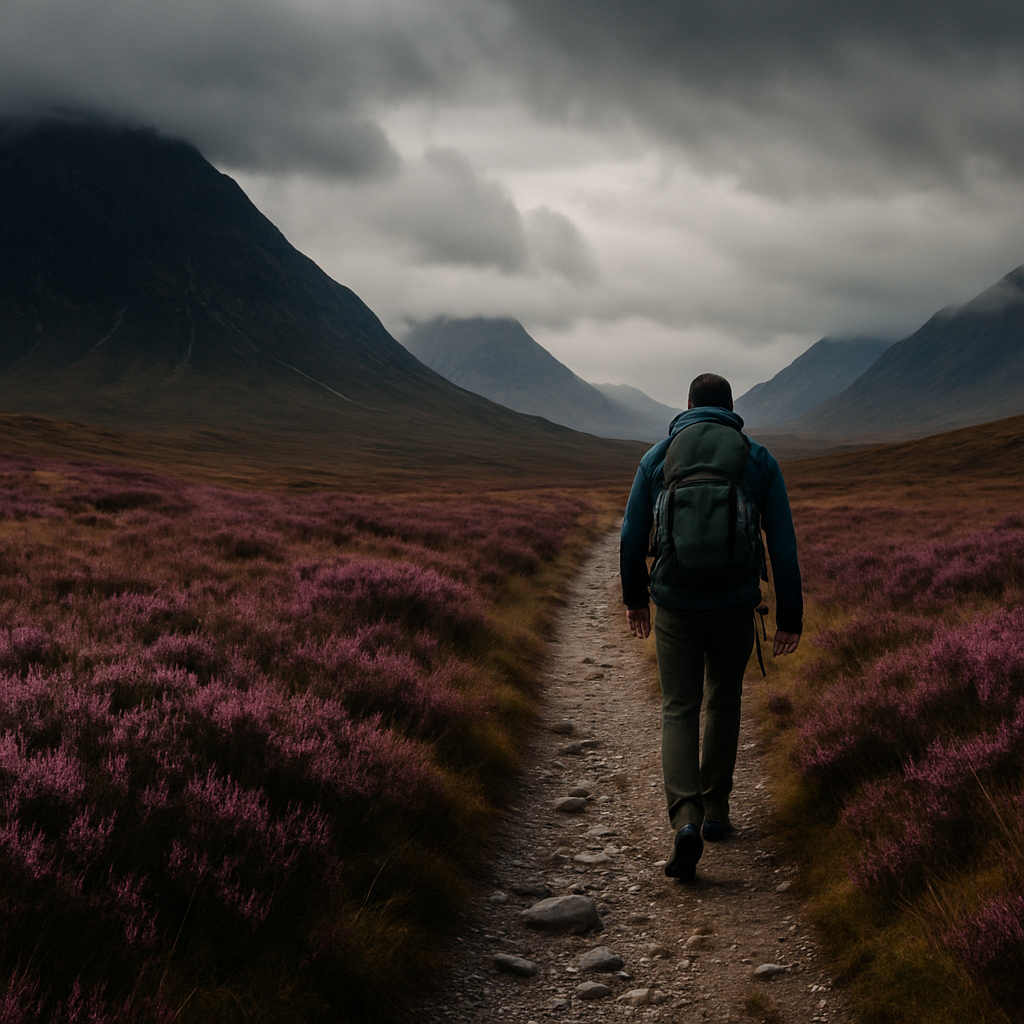
    Hiker following a rocky moorland trail in Scotland practising leave no trace UK principles
    Hiker following a rocky moorland trail in Scotland practising leave no trace UK principles

    1. Plan Ahead and Prepare

    Good preparation is the single best thing you can do for the environment before you’ve even laced up your boots. When you know your route, the terrain, and the weather forecast, you make better decisions on the hill. You’re less likely to cut across sensitive vegetation to avoid an obstacle you weren’t expecting, and less likely to push on into conditions that might force you to bivouac somewhere inappropriate.

    Check the Met Office mountain forecast before any serious outing. Know whether wild camping is permitted in your chosen area. In England and Wales it generally isn’t unless you have landowner permission, though Dartmoor is a notable exception. In Scotland, the Land Reform (Scotland) Act 2003 gives a responsible right to camp almost anywhere.

    2. Travel and Camp on Durable Surfaces

    Stick to established paths wherever they exist. The temptation to shortcut a switchback or spread out across a boggy section is understandable, but it widens erosion channels and destroys fragile upland vegetation that can take decades to recover. I’ve seen what a single summer of heavy footfall does to a popular route like the Pen y Fan horseshoe. The scars last years.

    When wild camping, pitch on rock, dry grass, or sandy ground rather than on moss, heather, or soft peat. Move your tent if you’re staying more than one night. Give the ground a chance.

    3. Dispose of Waste Properly

    This is the one that causes the most visible damage. Human waste and litter left on hillsides is genuinely affecting the ecology of some of Britain’s most loved landscapes. The basics: carry a small trowel, dig a cathole at least 15 centimetres deep and 60 metres from any water source, path, or campsite. Pack out used toilet paper rather than leaving it under a rock. It doesn’t break down as quickly as people assume, especially in cold, wet conditions.

    All litter goes home with you. All of it. That includes orange peel, apple cores, and energy gel wrappers. Orange peel can take two years to decompose in upland conditions, and even organic waste introduces non-native nutrients into ecosystems that don’t need them.

    Muddy boots and trowel on upland peat soil illustrating leave no trace UK waste disposal practice
    Muddy boots and trowel on upland peat soil illustrating leave no trace UK waste disposal practice

    4. Leave What You Find

    Don’t pick wildflowers, take rocks, or disturb bird nests. This one feels obvious but it’s worth reinforcing. In the UK, many upland and coastal plants are legally protected under the Wildlife and Countryside Act 1981. Some hikers also move cairns or add stones to them, which sounds harmless but can confuse navigation markers for other people in poor visibility.

    Cultural and historical features deserve the same respect. Ancient boundary stones, cairns, and sheepfolds are part of the landscape’s story. Leave them exactly as you found them.

    5. Minimise Campfire Impacts

    Open fires are one of the most contentious areas of leave no trace UK practice. In Scotland, you have the legal right to light a campfire on most open land, but that right comes with clear responsibility. Keep fires small. Use only fallen deadwood, never cut living branches. Build on bare mineral soil or in an existing fire ring. Drown it completely before you leave, and scatter the cold ashes.

    In England and Wales, lighting fires on open land without permission risks prosecution under the Countryside and Rights of Way Act 2000 and could trigger moorland fires that devastate wildlife. My honest recommendation for most UK conditions: use a gas stove. It’s cleaner, safer, and better for the environment.

    6. Respect Wildlife

    The uplands, coasts, and woodlands of Britain are home to species under serious pressure. Red squirrels, hen harriers, ring ouzels, mountain hares. Disturbance during nesting and breeding seasons can be the difference between a successful season and a failed one for vulnerable populations.

    Give birds and mammals space. Don’t feed them. Keep dogs under close control, particularly between March and July when ground-nesting birds are active. In areas like the North Pennines or the Flow Country in Caithness, a loose dog flushing a curlew nest can wipe out an entire breeding attempt for a species that is declining fast.

    7. Be Considerate of Other Visitors

    The seventh principle is about people as much as it is about nature. Yield to uphill walkers. Keep noise down in wild and remote settings. If you’re camping, pitch away from other groups. Don’t set up directly next to someone else’s tent when the whole hillside is available.

    Bright colours in camp might be great for safety, but loud music or a generator at dusk ruins the experience for everyone within half a mile. The reason most of us come to these places is the silence. Protect it for the next person.

    Making Leave No Trace a Habit, Not a Checklist

    The seven principles work best when they become instinctive rather than something you consult at a trailhead. After a few seasons of practising leave no trace UK habits, they genuinely do become second nature. You stop seeing wild places as somewhere to visit and start seeing them as somewhere to protect.

    UK bodies like the John Muir Trust and the British Mountaineering Council actively promote responsible access, and their guidance is worth reading if you want to go deeper. The more people who take this seriously, the better the chances that our uplands, coasts, and forests look as good in fifty years as they do today.

    Get outdoors. Get muddy. Just make sure you leave nothing behind but footprints.

    Frequently Asked Questions

    Is Leave No Trace a legal requirement in the UK?

    Leave No Trace principles aren’t written into UK law as a single code, but many of the practices align with existing legislation such as the Wildlife and Countryside Act 1981 and the Countryside and Rights of Way Act 2000. Following the principles helps you stay within the law and protect sensitive environments at the same time.

    Can you wild camp anywhere in the UK?

    In Scotland, the Land Reform (Scotland) Act 2003 grants a responsible right to camp on most unenclosed land. In England and Wales, wild camping is generally not permitted without landowner permission, with Dartmoor National Park being a notable legal exception. Always check the rules for your specific area before pitching.

    What should I do with human waste when wild camping in the UK?

    Use a small trowel to dig a cathole at least 15 centimetres deep and at least 60 metres from any water source, path, or campsite. Pack out used toilet paper in a sealed bag rather than burying or burning it, as it degrades very slowly in cold, wet upland conditions.

    Are campfires allowed in UK national parks?

    In England and Wales, lighting fires on open land without landowner permission is generally not permitted and carries legal risk, particularly in dry conditions where moorland fires can spread rapidly. In Scotland you have the right to light a responsible fire in most areas, but you must keep it small, use only deadwood, and extinguish it fully before leaving.

    How do Leave No Trace principles apply to dogs on UK trails?

    Dogs should be kept under close control, especially between March and July when ground-nesting birds are active across uplands, moorlands, and coastal areas. Always pick up dog waste and carry it off the hill; bags left hanging on fence posts or buried in shallow soil are a common and avoidable problem on popular UK routes.