
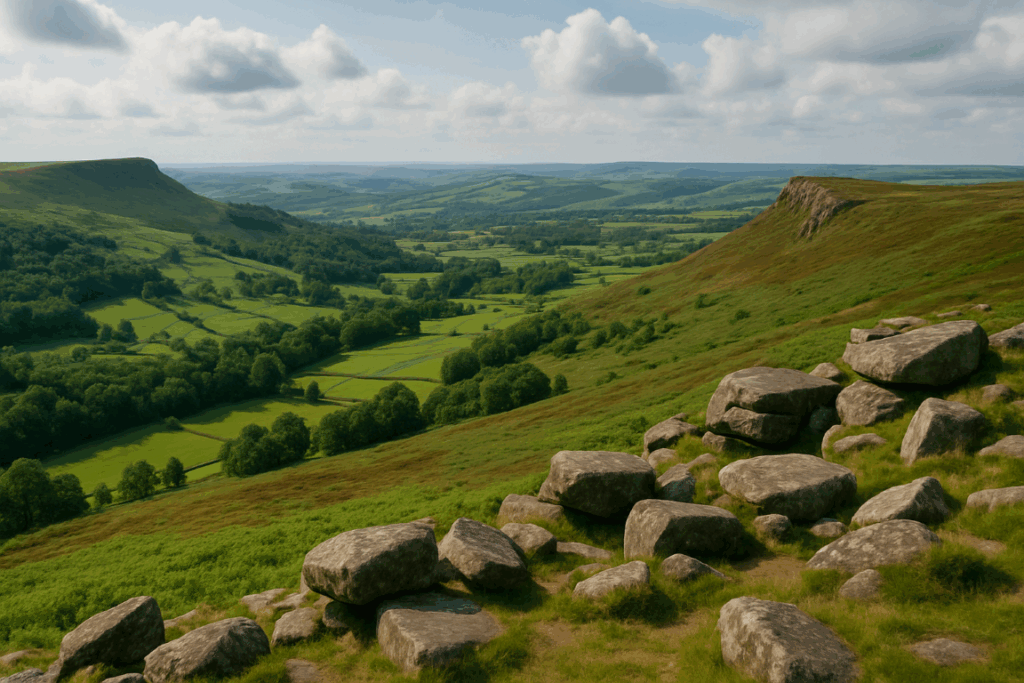

There is something genuinely humbling about pushing open the door of a remote bothy after a long day on the hill. No electricity, no running water, no phone signal. Just four stone walls, a fireplace if you’re lucky, and the sound of wind hammering the roof. I’ve spent nights in a handful of these places over the years, and every single time I leave feeling like I understand the hills a little better. But bothies only work because of an unspoken agreement among walkers. Break that agreement, and these shelters disappear. It really is that simple.
This mountain bothy UK guide covers what the Mountain Bothies Association actually does, how to behave when you’re using one, what to bring, and how to leave the place in better shape than you found it. If you’re planning your first bothy stay, or you’ve used them before and want to brush up on the culture, read on.
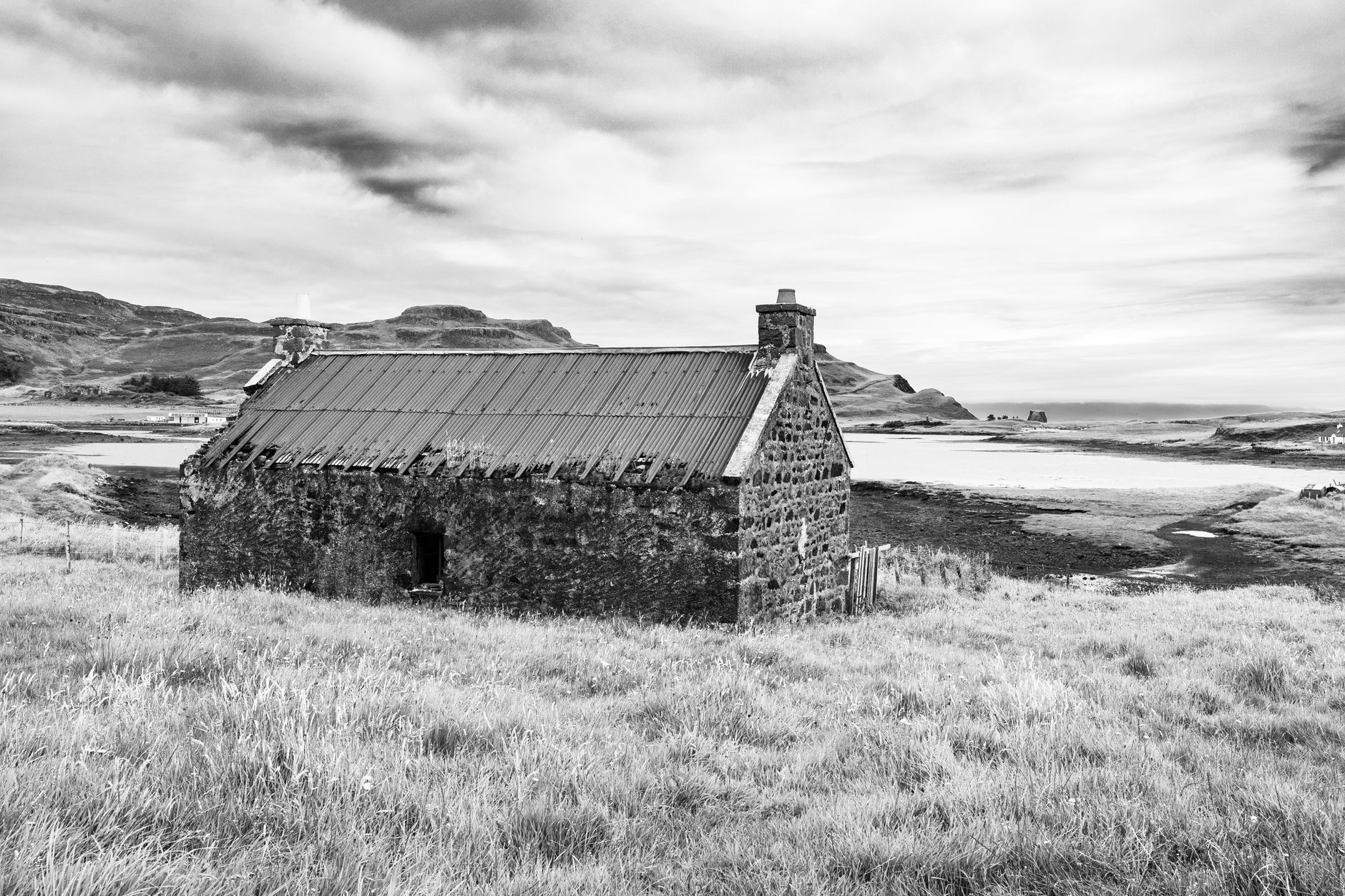
What is the Mountain Bothies Association?
The Mountain Bothies Association (MBA) is a UK charity that maintains around 100 open shelters across remote parts of Scotland, northern England, Wales, and Ireland. Most of the buildings are owned by private landowners or estates who allow the MBA to maintain and manage them in exchange for their upkeep. The MBA relies almost entirely on volunteers who trudge out to these places carrying tools, materials, and timber to do repairs. No walkers pay to stay. No one books in advance. The whole thing runs on goodwill and mutual respect.
These shelters exist to provide basic refuge for people travelling on foot or by bike through remote terrain. They are not campsites, hostels, or holiday cottages. The MBA is clear on this: bothies are for short stays, generally no more than two or three nights in one place. Treat them accordingly.
Bothy etiquette: the basics every visitor should know
The rules around bothies are unwritten, which is part of their charm, but that can also catch first-timers out. Here is what good bothy behaviour actually looks like in practice.
Share the space
If someone else is already in the bothy when you arrive, you don’t turn around and leave. You come in, say hello, and make room. Bothies are communal shelters. I’ve shared a tiny stone room with five strangers and ended up having one of the best evenings I can remember on the hill. If you want guaranteed privacy, wild camp instead. The bothy isn’t yours to claim.
Leave the firewood
If there is a wood store and you use the fire, replace what you’ve burnt. This is the single most common point of friction in bothy culture. Arriving cold and wet to an empty wood store when the last group used everything and left nothing is genuinely demoralising. Carry a small saw or a Silky folding saw and cut whatever fallen timber you can find nearby. Don’t burn structural timber, furniture, or anything that belongs to the bothy itself.
Clean up properly
Pack out every piece of rubbish you bring in. Every bit. Don’t leave food scraps, don’t bury waste near the bothy, and don’t use the surrounding area as a toilet within sight of the building or near any water source. Human waste should be buried at least 50 metres from the bothy and 30 metres from any stream or loch. The MBA provides guidance on this, and it’s worth reading before your first visit. A spade and a small trowel weigh almost nothing.
Sign the visitor book
Most bothies have a book inside. Write in it. Leave the date, where you came from, where you’re going, and anything useful about the conditions out there. This record is genuinely valuable to the MBA volunteers who visit, and it adds to the sense of community that makes bothy culture feel special. Reading back through months of entries from strangers who’ve sat in the same chair by the same fireplace is one of the small joys of the experience.
What to bring to a mountain bothy in the UK
A bothy provides shelter and usually nothing else. Everything you need for warmth, food, and safety comes with you. I treat a bothy night like a wild camp in terms of kit, with a few adjustments.
A sleeping bag rated to at least -5°C is sensible for any UK mountain bothy stay, regardless of the season. Stone walls hold the cold, and overnight temperatures in the Scottish Highlands or the Pennines can drop sharply even in summer. A foam sleeping mat or inflatable mat is essential; the floor is hard and will drain your warmth through the night if you’re sleeping directly on it.
Bring your own food and a stove. Don’t assume there will be cooking equipment left behind. Carry enough water or a reliable filter because the water from streams near bothies can carry Giardia and other pathogens. A head torch, a first aid kit, waterproofs, and a spare layer should be on your list regardless of the forecast. If you haven’t already sorted your navigation skills for remote terrain, our guide to staying safe on a mountain in a sudden storm is worth a read before you head out.
Some people bring small contributions to the bothy itself: a bag of coal, a box of firelighters, candles, or a simple repair like replacing a broken door latch. None of this is required, but all of it is appreciated. It’s the spirit of the thing.
How to leave a bothy better than you found it
This phrase gets used a lot in bothy circles, and it’s the right standard to hold yourself to. Sweep the floor before you go. Fold any blankets that were left out. Stack firewood if there’s any left. Check the drainage channel outside if it’s been raining hard, as blocked drains accelerate the decay of these old buildings faster than almost anything else.
If you notice structural damage, a broken window, a failing roof section, or a damaged door, report it to the MBA through their website. Volunteers can only fix problems they know about.
Large groups are where things go wrong most often. The MBA recommends that groups of six or more should not use bothies unless the shelter is specifically listed as suitable for larger parties. A group of twelve people descending on a two-room bothy, consuming all the firewood, leaving rubbish, and making a mess of the surrounding area is exactly the kind of incident that causes landowners to withdraw permission for a bothy to operate at all. It has happened before. The network is smaller than it used to be because of incidents like this.
Why the bothy network depends entirely on you
There is no government funding keeping these places open. There is no commercial operation behind them. The MBA runs on membership fees, donations, and the volunteer hours of people who genuinely care about keeping remote shelters available to walkers. If you use a bothy and value the experience, joining the MBA costs around £20 per year and directly funds maintenance work. That’s a reasonable exchange for free accommodation in some of the most remote and beautiful corners of the UK.
For those of us who spend real time in the hills, bothies are part of the infrastructure of a life outdoors. They make longer routes possible, they make winter travel safer, and they create moments of connection with other walkers that you simply don’t get anywhere else. Knowing how to use them properly is part of what it means to move responsibly through the landscape. If you’re building up to longer multi-day routes, our piece on planning a multi-day backpacking trip on a budget has practical advice that pairs well with bothy planning. And for understanding what terrain you might be crossing to reach some of these shelters, the guide on how far you can realistically hike in a day in UK mountain terrain is a useful reality check.
Bothy culture is worth protecting. Go in with respect, leave with everything you brought in, and contribute something if you can. The hills don’t owe us these shelters. We earn the privilege of using them by looking after them.
Frequently Asked Questions
Do you need to book a mountain bothy in the UK?
No, mountain bothies in the UK operate on a first-come, first-served basis with no booking system. You simply turn up and share the space with whoever else is there. Because of this, it’s always sensible to carry camping gear in case the bothy is full or unusable when you arrive.
Is it free to stay in a mountain bothy?
Yes, staying in an MBA bothy is free of charge. There are no fees to pay on arrival. However, the MBA does encourage walkers to become members (around £20 per year) to help fund the maintenance work that keeps these shelters open.
Are mountain bothies safe to stay in overnight?
Generally yes, though comfort varies enormously between shelters. Some have functioning fireplaces and dry floors; others are fairly rough. Always bring a sleeping bag, mat, food, water filtration, and full hill-walking kit, as you can’t rely on any facilities being available inside.
Leave a Reply