
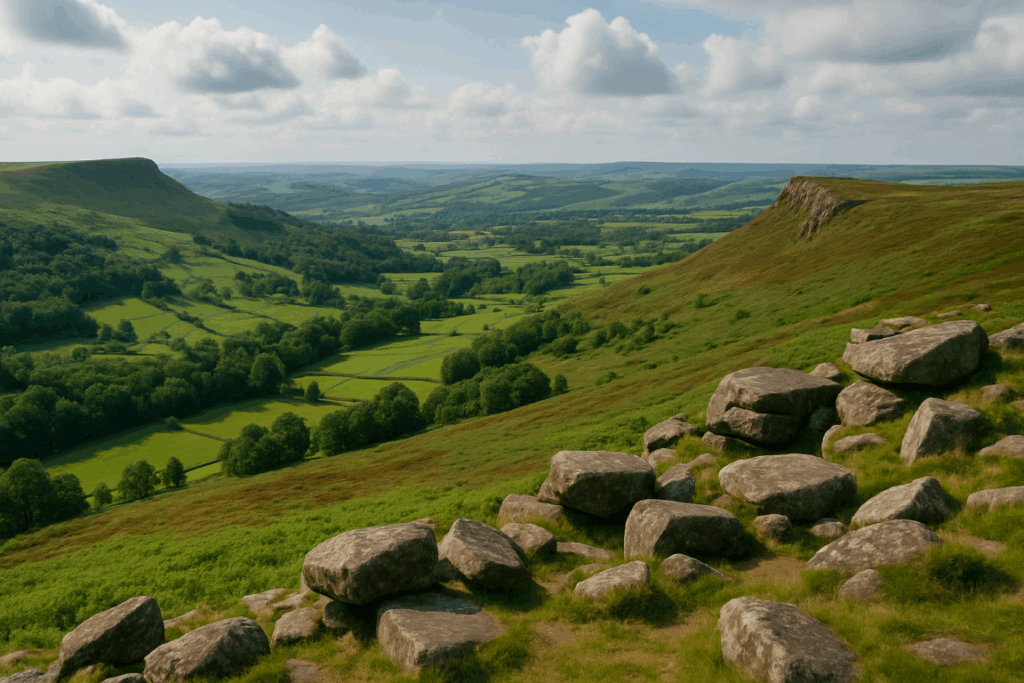

There is a particular kind of satisfaction that comes from watching the last light drain off a ridge while your tent is already pitched, your water is filtered, and the stove is on. I’ve chased that feeling across the Cairngorms, the Brecon Beacons, and the wilder corners of Dartmoor. But I’ve also had nights where something went badly wrong, a peg that pulled clean out of saturated peat at 2am, a guy line that had been worn thin without me noticing, a pitch that looked flat until the rain came and turned it into a small river. A proper wild camping checklist, done honestly before you leave the car park, is the difference between those two versions of the night.
This is that checklist. It covers the practical stuff, ground, weather, kit integrity, and the legal reality of camping across the three nations, because the rules differ in ways that catch people out every season.
1. Check the ground conditions before you commit to a pitch
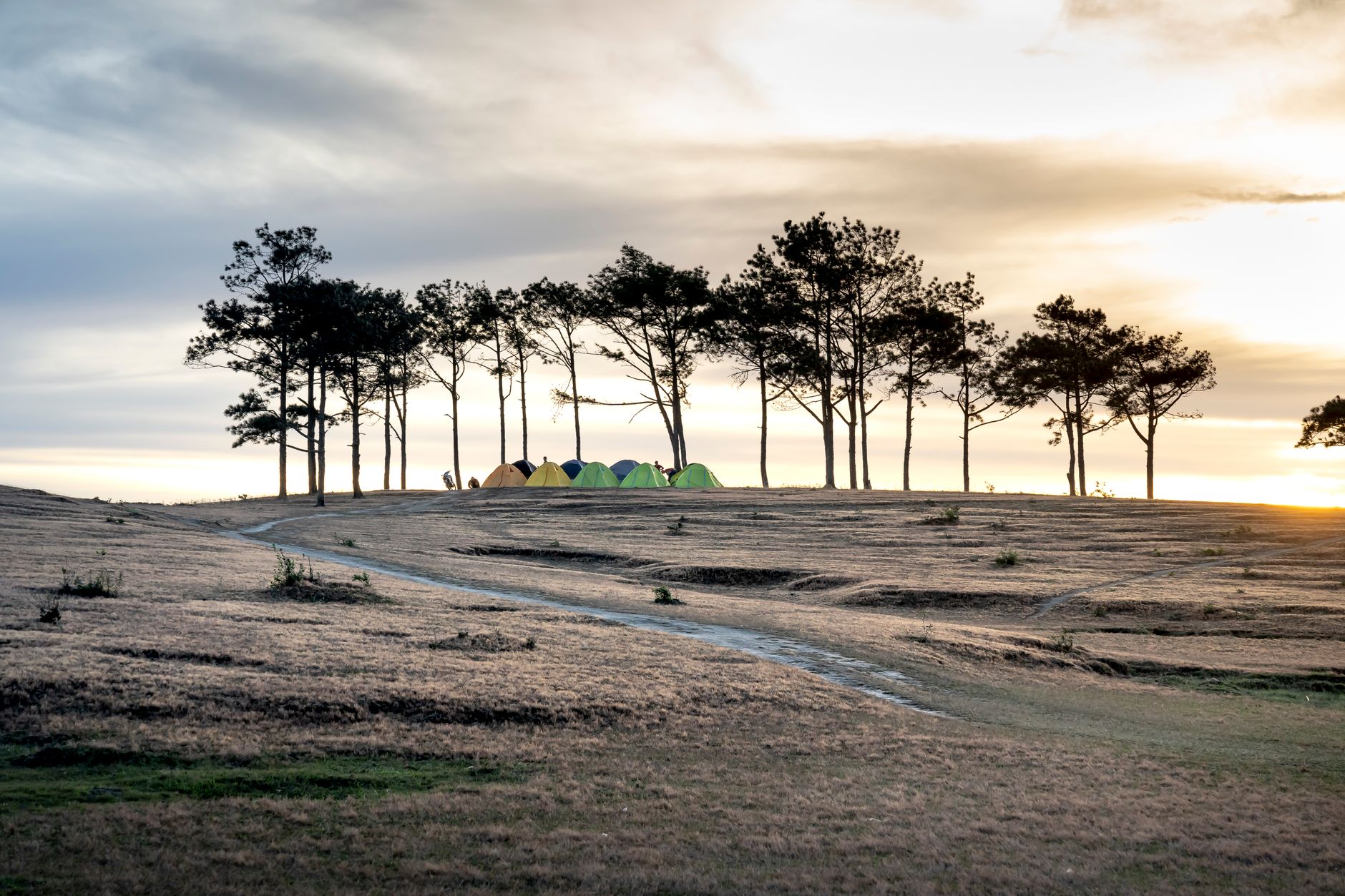
Bog, heather root, loose shale, permafrost-hard clay, British upland ground is rarely the neat grass you see in gear adverts. Before you pitch, press your boot heel into the surface. If it sinks more than a couple of centimetres, your standard aluminium pegs will pull out under tension. Deadman anchors or wide-blade pegs work better on soft ground; rocky ground needs rock pegs or improvised boulder anchoring with cord. I keep a small mix of peg types in the bottom of my pack specifically because I’ve learnt the hard way that a single peg design is always wrong somewhere. Peat plateaux in Scotland and Wales are particularly deceptive, they look solid, then they’re not.
2. Understand the legal position in each nation
Scotland has the most permissive wild camping access in the UK, backed by the Land Reform (Scotland) Act 2003. In simple terms, you can camp on most unenclosed land as long as you do so responsibly and move on after a couple of nights. England and Wales are a different matter. There is no general right to wild camp in England, you need landowner permission almost everywhere. Dartmoor was the exception, granting a limited right to backpack camp, though that access has been contested in court in recent years. In Wales, Bannau Brycheiniog (the Brecon Beacons) has a managed wild camping scheme on some zones, but you must check current permit requirements on the Natural Resources Wales website before you go. Ignorance of the rules genuinely does land people in trouble, I’ve seen wardens move groups on in the Peaks at dawn.
3. Read the weather window properly
A single Met Office forecast is not enough for a mountain camp. You want the MWIS (Mountain Weather Information Service) forecast for your specific range, and you want to look at wind direction changes overnight as well as precipitation. A dry forecast with a wind shift from south-west to north-west after midnight can mean a tent that was sheltered at 7pm is fully exposed by 3am. If you want a deeper understanding of how to interpret the symbols and pressure charts behind a mountain forecast, the guide to reading a UK mountain weather forecast on this site breaks it down in practical terms. Overnight wind speed is the figure I look at first, anything sustained above 35mph makes for a miserable and potentially dangerous camp on exposed ground.
4. Inspect your guy lines and tent pegs before you leave home
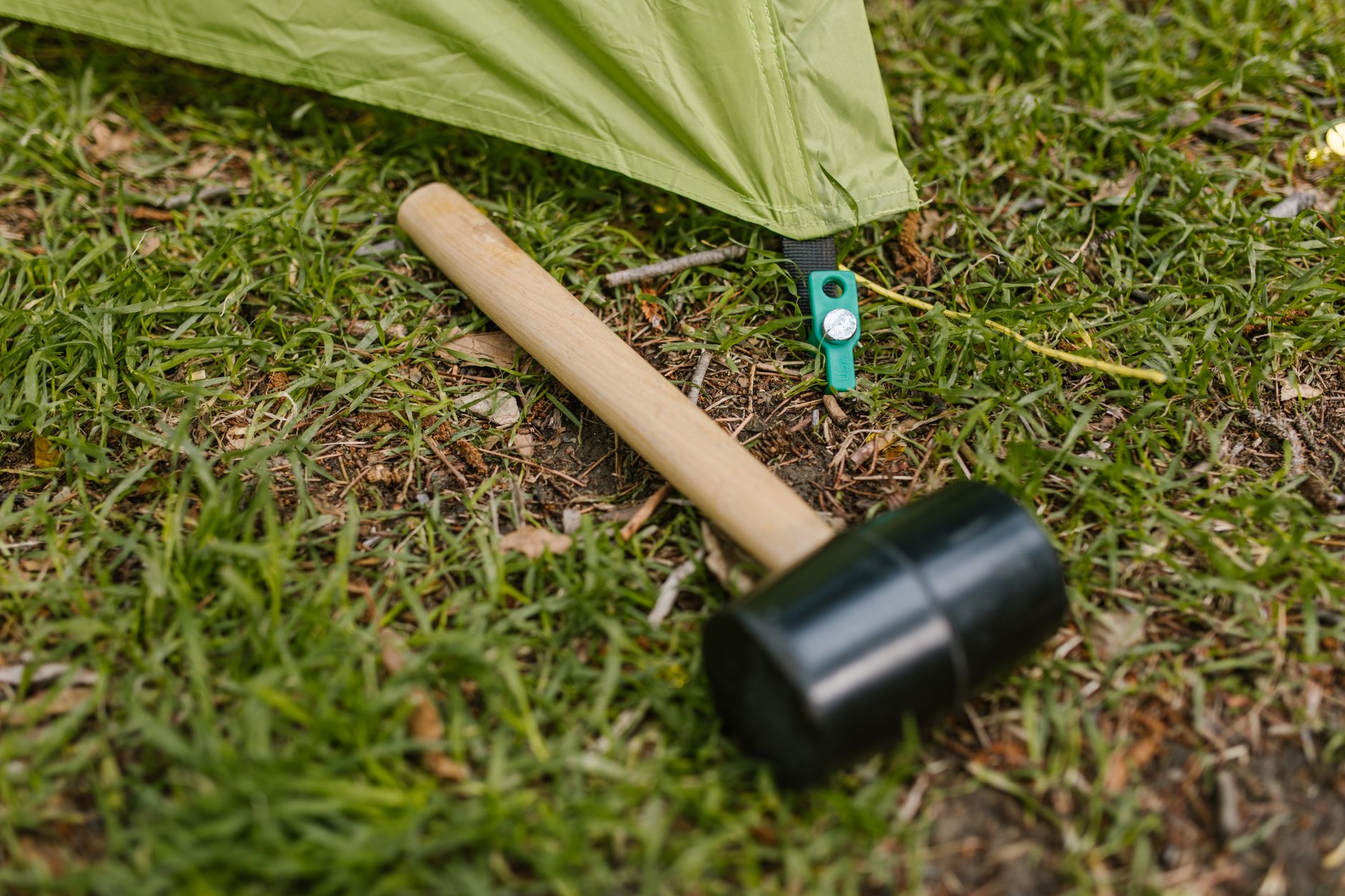
This sounds tedious and I used to skip it. Don’t. Guy lines degrade from UV exposure and repeated tension; they develop small frays at the knot points that you won’t see in low light on a hillside. Pegs get bent and weakened over time, especially if you’ve been on stony ground. Lay the whole system out on the floor at home, run your fingers along every line, check every peg for straightness and the hook for integrity. It takes ten minutes and it’s saved me from at least two bad nights. This kind of inspection discipline, checking joints, hardware, and load-bearing connections before trusting them under real conditions, is actually something shared across many craft disciplines. Makers of structural timber furniture and custom restraint hardware, including some BDSM furniture UK services that work with heavy-duty joinery and anchor points, apply the same principle: every connection that will bear load gets checked before use. The logic translates directly to camping gear.
5. Apply Leave No Trace from the moment you arrive
Leave No Trace in a UK context means a few specific things beyond “take your litter home”. Fire lighting is the most contentious. Open fires are not permitted in many national parks, and even where they are technically allowed, ground fires on dry peat are a genuine wildfire risk, something the uplands have experienced repeatedly. Use a stove. If you must have a fire (and I’d argue you rarely must), use an established ring, keep it small, and drown it thoroughly before you sleep. Human waste is the other issue that walkers don’t talk about enough. The correct method on high ground is to dig a cat hole at least 15cm deep, at least 60 metres from any water source, and pack out your toilet paper, it does not biodegrade quickly in cold, wet upland conditions. Wild camping’s continued tolerance in many areas depends on campers doing this right.
6. Plan your water sources and filter needs
British upland water looks clean and often is clean, but sheep grazing, run-off from roads, and upstream agricultural activity mean you cannot rely on appearance. I use a Sawyer Squeeze filter on every wild camp, it handles bacterial and protozoan contamination reliably, is light, and doesn’t require replacement cartridges. Boiling works too, but it uses fuel and time. Know where your water sources are before dark, because searching for a stream by headtorch on an unfamiliar hillside is grim. Mark them on your map at home. On long summer days in Scotland, I’ve also found that planning water around the descent route is often smarter than relying on summit sources that dry up by August.
7. Know your navigation plan for the morning
Wild camps in mist are beautiful. They are also disorienting in a way that catches people off guard, because the familiar landmarks from the previous evening simply disappear. Before you get into your sleeping bag, take a compass bearing from your pitch to your intended exit route, write it down on the inside of your lid, and identify at least one terrain feature, a stream junction, a wall corner, a slope angle change, that confirms you’re on the right line. The guide to navigating in fog on British hills covers the detail of this well. I’d also recommend checking your map the night before in good light rather than fumbling with it at 6am when the clag is already on. A few minutes of preparation when you’re comfortable saves a lot of anxiety when you’re cold and the ground looks identical in every direction.
A word on campsite selection and the morning pack-down
Choose ground that shows no sign of previous damage, no bare soil, no fire scorch, no matted vegetation from repeated use. Camp on rock, dry grass, or compacted earth where possible; avoid pitching directly on fragile bog plants or mossy ground that compresses easily and takes years to recover. In the morning, before you leave, scan the area. Fluff down any compressed grass, scatter any disturbed soil, and make sure the spot looks like you were never there. That’s the standard. It’s not difficult. It’s just a habit you build.
The nights I remember most are the ones where everything worked because everything was checked. The gear held, the pitch was dry, the weather did what the forecast said, and I woke up to a view that cost nothing except the effort of getting there. That’s the whole point of going.
Frequently Asked Questions
Is wild camping legal in England's national parks?
Generally, no. In England there is no legal right to wild camp without landowner permission, even inside national parks. Dartmoor historically had a limited exception but that access has been legally contested. Always check current rules for your specific area before assuming access is permitted.
What's the best way to secure a tent on soft, boggy ground?
Standard aluminium pegs pull out easily from waterlogged or peat ground. Use wide-blade V-pegs, deadman anchors (a stuff sack filled with soil works in emergencies), or run guy lines to large rocks. Checking your ground conditions before committing to a pitch saves you from fixing this at midnight in the rain.
Do I need a permit to wild camp in Wales?
In most of Wales, you need landowner permission to camp on private land. Bannau Brycheiniog (the Brecon Beacons) has a managed wild camping zone scheme, but permits are required for some areas. Check the Natural Resources Wales website for current requirements before your trip.
Leave a Reply