
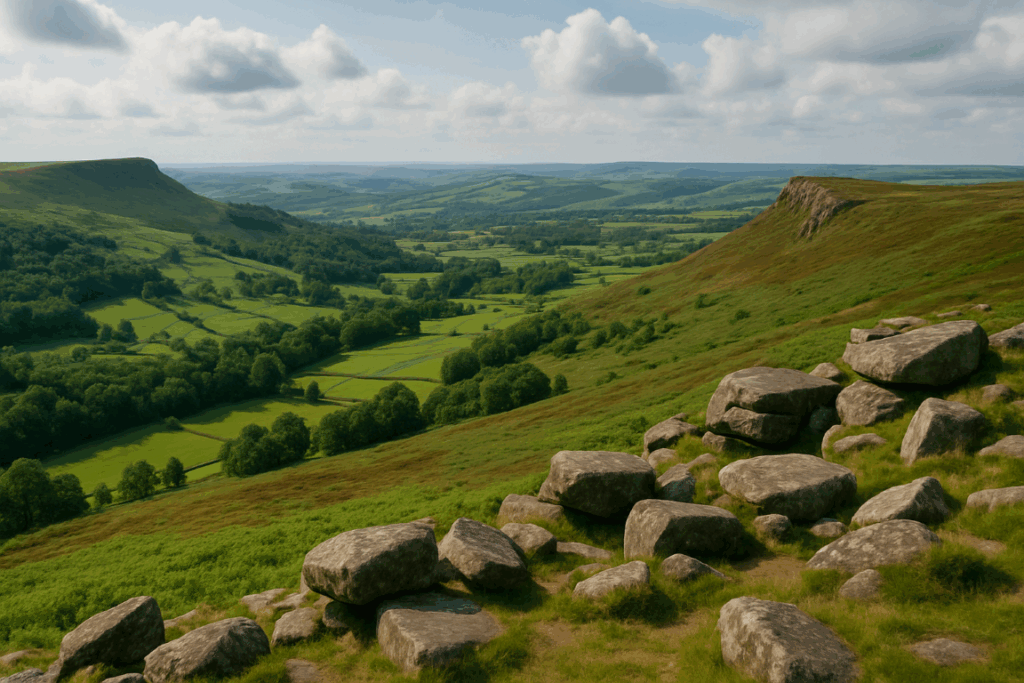

The Yorkshire Three Peaks has a reputation for being a classic UK challenge. Twenty-five miles, three summits, around 1,600 metres of total ascent, all crammed into a single day if you’re doing it properly. On paper it sounds like a manageable adventure. And for a lot of people it is, once they’ve done it. But the first time? I’ve seen walkers set off from Horton-in-Ribblesdale looking confident and come back looking like they’d aged five years. The route catches people out in specific, predictable ways, and most of them are entirely avoidable.
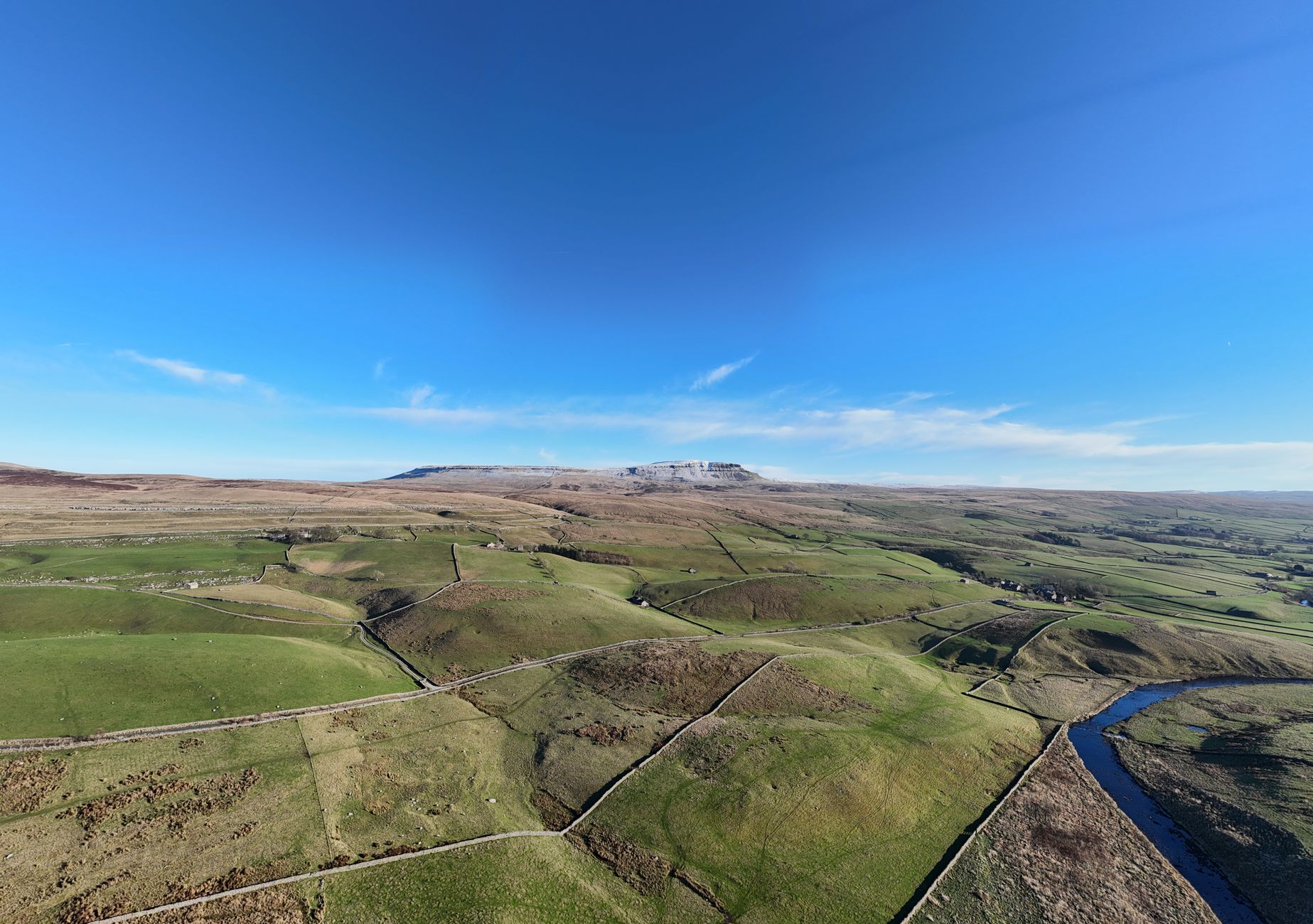
Underestimating the bog on Pen-y-Ghent and Ingleborough
Pen-y-Ghent tends to be the first summit on the traditional anticlockwise route, and it’s a fine way to start. The ascent is satisfying, with a short scramble near the top that wakes you up. But the ground around the base, and across the moorland section towards Ribblehead, is genuinely boggy for much of the year. I’ve walked it in May and sunk to my shin in what looked like solid grass. The limestone pavements near Ingleborough give false confidence too: you expect dry rock, and then the approach across the plateau absolutely isn’t.
The fix is simple but non-negotiable. Waterproof boots, and not trainers that are described as water-resistant on the box. Gaiters are worth their weight on this route, especially after any rain in the fortnight beforehand. Check the Met Office mountain forecast for the Dales before you go, not just the local town forecast, which will almost certainly be sunnier and drier than what you’ll actually encounter on the tops.
Getting the start time badly wrong
For a Yorkshire Three Peaks first time, this is probably the most common mistake of all. People arrive at the Horton-in-Ribblesdale car park at half nine or ten in the morning, thinking that gives them plenty of day. It doesn’t, unless you’re a quick walker in good conditions with everything dialled in. Most first-timers take between ten and twelve hours. If you start at half nine, you’re finishing in the dark in autumn or winter, with tired legs on the final descent off Ingleborough into Horton, which is rough and uneven and not what you want to be navigating by head torch.
A 7am start is more sensible for beginners. Earlier if you’re cautious or have a group with mixed fitness levels. The Pen-y-Ghent Café in Horton operates a clock-in, clock-out system for walkers doing the challenge, which is a useful safety net and worth using. The Yorkshire Dales National Park Authority also has practical route information and conditions updates worth checking before any trip out here.
Not accounting for Whernside’s ridge
Whernside is the highest of the three at 736 metres, and the ridge walk along its spine is one of the finest sections of the whole route. But it also fools people. The ascent from Ribblehead Viaduct feels relentless, the ridge is exposed to any wind coming in from the west, and the descent towards Ribblehead on the far side has some badly eroded sections that require real care on wet stone. I’ve watched people practically sprint the ridge because they’re already tired and think the summit means it’s nearly over. It isn’t. There’s still Ingleborough to come.
Knowing how far you can realistically cover in a day on UK mountain terrain matters here. Pace yourself on Whernside. Eat something at the summit. The ridge is exposed, so if there’s any wind, layer up before you reach it rather than stopping on the exposed crest trying to wrestle a jacket on with numb fingers.
The footwear problem runs deeper than most people admit
Trail runners are fine if you’re experienced and know exactly what you’re getting into. But I’d strongly push back against anyone doing the Yorkshire Three Peaks for the first time in anything less than a proper waterproof walking boot with ankle support. The descent off Ingleborough is relentlessly rocky and goes on longer than you expect after eight or nine hours on your feet. Ankles that feel fine at mile five are a different matter at mile twenty-two on loose stone.
Make sure whatever you’re wearing is broken in. This sounds obvious and yet it remains the most commonly ignored piece of advice. Blisters have ended more Yorkshire Three Peaks attempts than bad weather. A fresh pair of boots on challenge day is a genuine emergency.
Skipping proper navigation practice
The route is well-trodden and well-waymarked for most of its length. But visibility on the tops can drop fast, and the moorland sections between summits have caught people out when low cloud rolls in. If you’ve never used a map and compass, the Three Peaks might feel fine right up until the moment it isn’t. GPS on your phone is helpful but not a substitute, particularly when batteries drain faster in cold weather.
If you’re building your navigation confidence, it’s worth reading up on how access and right of way works across UK walking routes as well, particularly on farmland sections around Horton. The Three Peaks crosses a lot of private land with permissive paths, and staying on the marked route matters.
Packing for the wrong conditions
People look at the elevation figures and think this is a hill walk, which it is, but the Yorkshire Dales weather is genuinely fickle. I’ve done the Three Peaks in October sunshine and I’ve seen a July attempt abandoned due to horizontal rain and near-zero visibility on Whernside. Pack a full waterproof shell, not just a softshell. Bring extra layers. Carry more food and water than you think you’ll need. The Ribblehead Viaduct café stop is a tempting resupply point mid-route, but don’t rely on it being open or being able to carry you through the rest of the day on a coffee and a flapjack.
The same layering principles that apply to a big Scottish day out apply here. A base layer that wicks, an insulating mid layer, and a waterproof shell you can actually move in. The Three Peaks isn’t technical, but it is long, and long days in the UK hills punish inadequate kit reliably.
Treating it as a race when you haven’t earned that yet
There’s a sub-12-hour challenge culture around the Yorkshire Three Peaks, and it’s great fun once you know the route. The first time, though, the goal should simply be finishing safely and actually enjoying the experience. Ingleborough in late afternoon light with the Ribble Valley spread out below is genuinely beautiful. Ribblehead Viaduct from the Whernside ridge is one of my favourite views in the Dales. If you’re grinding through it with your head down watching your watch, you’ll miss what makes the walk worthwhile in the first place.
If mountain challenge days interest you, it’s also worth knowing there are multi-day alternatives to single big challenge days that are often more rewarding and less punishing. But for the Three Peaks, a well-prepared day out in the Yorkshire Dales is hard to beat. Just give it the respect it deserves on that first attempt, and it’ll give you a walk you’ll talk about for years.
Leave a Reply