
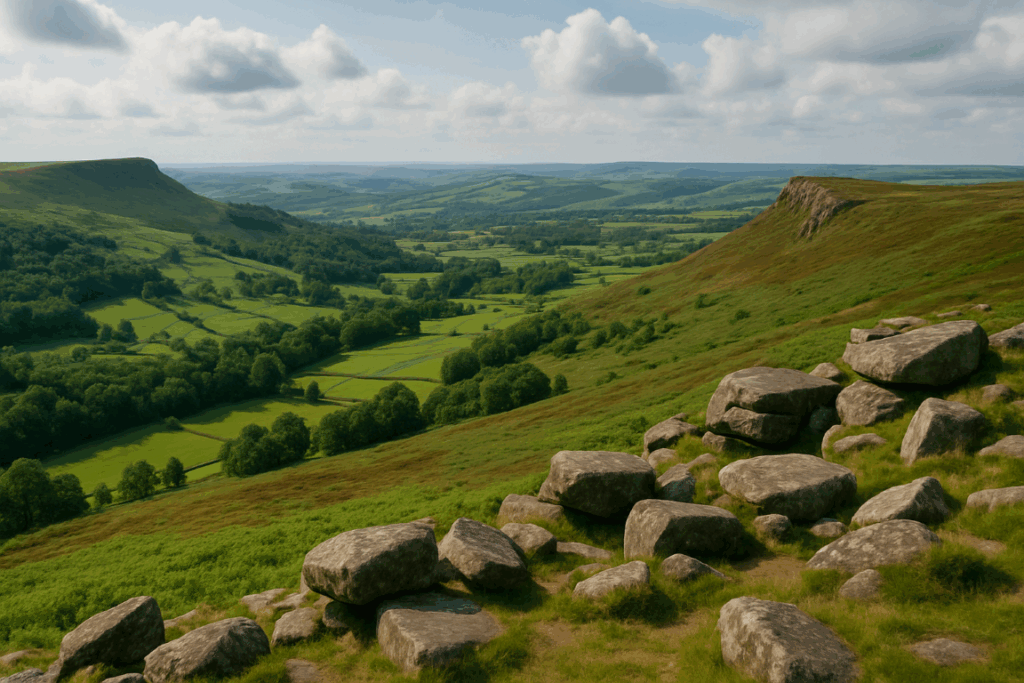
April in the Cairngorms is a strange, beautiful contradiction. The lower glens are waking up, birch trees pushing out pale green leaves, red squirrels back on the move, the smell of wet peat drifting across the tracks. But lift your eyes to the plateau and you’re looking at a scene that could belong to January. The snowpack up there doesn’t read a calendar. I’ve been caught out by this more than once, setting off from Aviemore in a fleece and light trousers, only to find the upper approaches glazed in wind-hardened névé that proper winter kit would struggle with, let alone a spring layering system.
This guide is specifically about the weeks between early April and late May, that shoulder period when Cairngorms spring walking can be glorious at the right altitude and genuinely dangerous at the wrong one. I’ll walk through the main risk factors, and then point you at the routes that actually pay off at this time of year.
Why the Cairngorm plateau stays dangerous long into spring
The Cairngorm plateau sits at around 1,200 metres at its high points, and it holds snow longer than almost anywhere else in Britain. The Scottish Avalanche Information Service (SAIS) typically publishes forecasts through to late April, and in a year with significant winter snowfall, hard-packed snow and ice on north and east-facing aspects can persist well into May. Wind slabs form on lee slopes, cornice edges remain on ridgelines above Coire an t-Sneachda and Coire an Lochain, and the plateau itself can be featureless whiteout with no visual markers in poor visibility.
That last point is the one that catches people. The plateau is vast and relatively flat, which makes it disorienting in cloud or snow. Navigation skills matter enormously up there even in summer. In April, with potential ice underfoot and limited daylight compared to midsummer, the margin for error shrinks considerably. If you’re not carrying an ice axe, crampons, and knowing how to use them, the high tops are simply not your terrain yet. Check the SAIS forecast before any trip above 900 metres, even if it looks sunny from the car park.
River crossing risks in the glens during April and May
The snowmelt adds another variable that’s easy to underestimate. Rivers across the Cairngorms catchment, the Druie, the Feshie, the Avon, the upper Dee, can rise sharply and fast during warm spells or sustained rain. A path that crosses a burn confidently marked on the OS map may be uncrossable after two days of mild weather in late April. The River Feshie in particular is notorious for this; the flats of Glen Feshie are spectacular walking, but the river braids and floods unpredictably, and several informal crossing points that work in summer simply don’t exist as safe options in spring.
My rule is to check the Scottish Environment Protection Agency’s river level gauges the morning of any route that involves a crossing without a bridge. If levels are elevated and rising, I pick a different plan. No view is worth a cold-water emergency. Speaking of which, if you’re driving into the glens to reach trailheads, be aware that some of the forest and estate tracks flood in spring, and Diesel 4x4s are still the go-to transport for many gamekeepers and rangers working these routes for good reason.
The lower Glen Feshie circuit: one of the best spring walks in Britain
Here’s where the season actually rewards you. Glen Feshie south of Achlean farm is extraordinary in April and May. Ancient Scots pines, remnants of the Caledonian forest, frame the river flats. Capercaillie are active (keep your distance and your dog on a lead; this species is critically endangered in the UK). Ospreys return to nest around Loch Insh from mid-April. The light at this time of year, low and golden even at midday, makes the whole glen glow in a way that high summer can’t match.
The standard lower circuit from Achlean stays well below 500 metres, avoids all serious snowpack, and covers around 10 to 12 miles depending on how far you push south. It’s a long day but never a technical one. You’ll want waterproof boots; the tracks are soft and, yes, muddy in places, because this is the Cairngorms in spring and that’s exactly how it should be.
Rothiemurchus forest and the Lairig Ghru approach (lower section only)
The Lairig Ghru is one of Scotland’s great mountain passes, cutting straight through the Cairngorms massif. In April, the upper section through the pass itself, particularly above Pools of Dee, is very much winter territory with lingering snow and potential cornices. But the approach from Coylumbridge through Rothiemurchus forest is a genuinely lovely spring walk, staying low enough to be safe and interesting enough to be worth the drive.
From Coylumbridge, a well-marked path heads south into the trees, passing Loch Morlich and heading into the ancient forest. Red squirrels are active in the pines, crested tits flit between branches, and the light through the canopy on a clear April morning is something I keep coming back for. Turn around at the Chalamain Gap or just short of it if there’s snow on the boulders. This section, roughly 8 miles return, is excellent for most walkers and safe throughout the spring period.
Glenmore and the lower Cairngorm trails
The network of lower trails around Glenmore and the Cairngorm ski area car park offers good options in April, with one important caveat: the mountain road up to the car park at around 650 metres is itself exposed and can be icy or closed in early April after overnight frost. Check with Cairngorm Mountain before you drive up. Once there, the green and blue waymarked trails in the forest below stay clear of serious snowpack and give good views back across Strathspey.
If you’re building towards a summer Munro attempt on Cairn Gorm itself, these lower routes are good training ground. I’d point anyone new to the area at our guide on how far you can hike in a day in UK mountain terrain before committing to anything longer, and if the high tops are calling later in the season, the Cairngorms in autumn is an entirely different but equally rewarding experience to plan ahead for.
What kit you actually need for spring walking in the Cairngorms
For lower glen routes in April and May: waterproof boots (not trail shoes), waterproof trousers, a proper midlayer, and a wind-and-waterproof shell. The weather here changes fast. I’ve had four seasons in a single afternoon in this range. A map and compass are non-negotiable even on lower routes; mobile signal is poor across much of the area. Carry a headtorch, a small first aid kit, and more food than you think you need.
For anything above 800 metres before mid-May: add crampons and an ice axe, and only go if you know how to use them. If you’re unsure, consider booking a day with a qualified mountain leader. Glenmore Lodge, Scotland’s national outdoor centre, is based here and runs skills courses throughout the spring season. That’s not a throwaway suggestion; this mountain environment demands respect, and the skills you build will open up far more of the Cairngorms than any guidebook can.
If you’re already comfortable on exposed terrain and want to understand more about moving on steep ground, our guide to scrambling grades in the UK is worth a read before you push higher in the range. The Cairngorms don’t have much classic scrambling, but understanding what technical terrain actually means will sharpen your judgment on the plateau.
April and May in the Cairngorms is a reward for the patient walker. Stay low, read the conditions, and let the season do the work. The plateau will still be there in June, clearer and safer. Right now, the glens are extraordinary enough.
Frequently Asked Questions
Is it safe to walk on the Cairngorm plateau in April?
For most walkers, the Cairngorm plateau is not safe in April without winter skills and equipment including an ice axe and crampons. Hard-packed snow, ice, and potential cornice collapse on north and east-facing slopes remain serious hazards. Check the Scottish Avalanche Information Service forecast before any trip above 900 metres.
Which Cairngorms walks are suitable for spring before the snow clears?
The lower Glen Feshie circuit from Achlean, the Rothiemurchus forest approach to the Lairig Ghru, and the Glenmore forest trails are all excellent in April and May. These routes stay well below the snowline and are generally safe for walkers with appropriate waterproof footwear and clothing.
When does the snow clear from the Cairngorms high tops?
On north and east-facing aspects, significant snowpack can persist until late May or even early June after a heavy winter. South-facing slopes at lower altitude typically clear by mid-April. The SAIS avalanche forecast (sais.gov.uk) is the most reliable daily indicator of current conditions on the high tops.
Are Cairngorms river crossings dangerous in spring?
Yes, river levels in the Cairngorms catchment, including the Feshie, Druie, and upper Dee, can rise very quickly during snowmelt or heavy rain in April and May. Check the Scottish Environment Protection Agency river level gauges on the morning of any walk involving an unbridged crossing, and have a backup plan if levels are elevated.
What wildlife can you see in the Cairngorms in April and May?
Spring is one of the best times for wildlife in the Cairngorms. Ospreys return to Loch Insh from mid-April, capercaillie are active in the ancient Scots pine forest, red squirrels are highly visible, and crested tits, goldeneye ducks, and red kites are all possible. Keep dogs on leads in forested areas where capercaillie may be nesting.