

The Borders Abbeys Way is the best first multi-day walk in Scotland, and hardly anyone treats it that way. It is a 65-mile circuit through the Scottish Borders, linking the ruined abbeys of Kelso, Jedburgh, Melrose and Dryburgh across river valleys and farmland. There are no big mountains, no committing ridges and no long remote stretches. You get days of real distance with a village, a pub or a bus stop never far away.
Most people heading north for a long walk go straight to the West Highland Way or something wilder. I think that is backwards for a beginner. Walking day after day teaches you things a single hill day never will: how your feet behave on day three, how much kit you really need, how to pace yourself when you would rather stop.
What is the Borders Abbeys Way?
The Borders Abbeys Way is a waymarked circular long-distance path of about 65 miles (105 km) in the Scottish Borders. It links the four great abbeys founded in the 12th century and passes through towns including Jedburgh, Hawick and Selkirk. Because it is a loop, you can start wherever suits your transport, then finish where you began.
Most walkers allow five or six days. That works out at a steady 11 to 13 miles a day, which is a comfortable stretch for anyone who has done a few full-day walks. You can also take it in sections over a few weekends if annual leave is tight.
The four abbeys that anchor the route
The abbeys give each day a destination, which matters more than it sounds. Walking towards a ruin is easier on the head than walking towards a car park.
Kelso
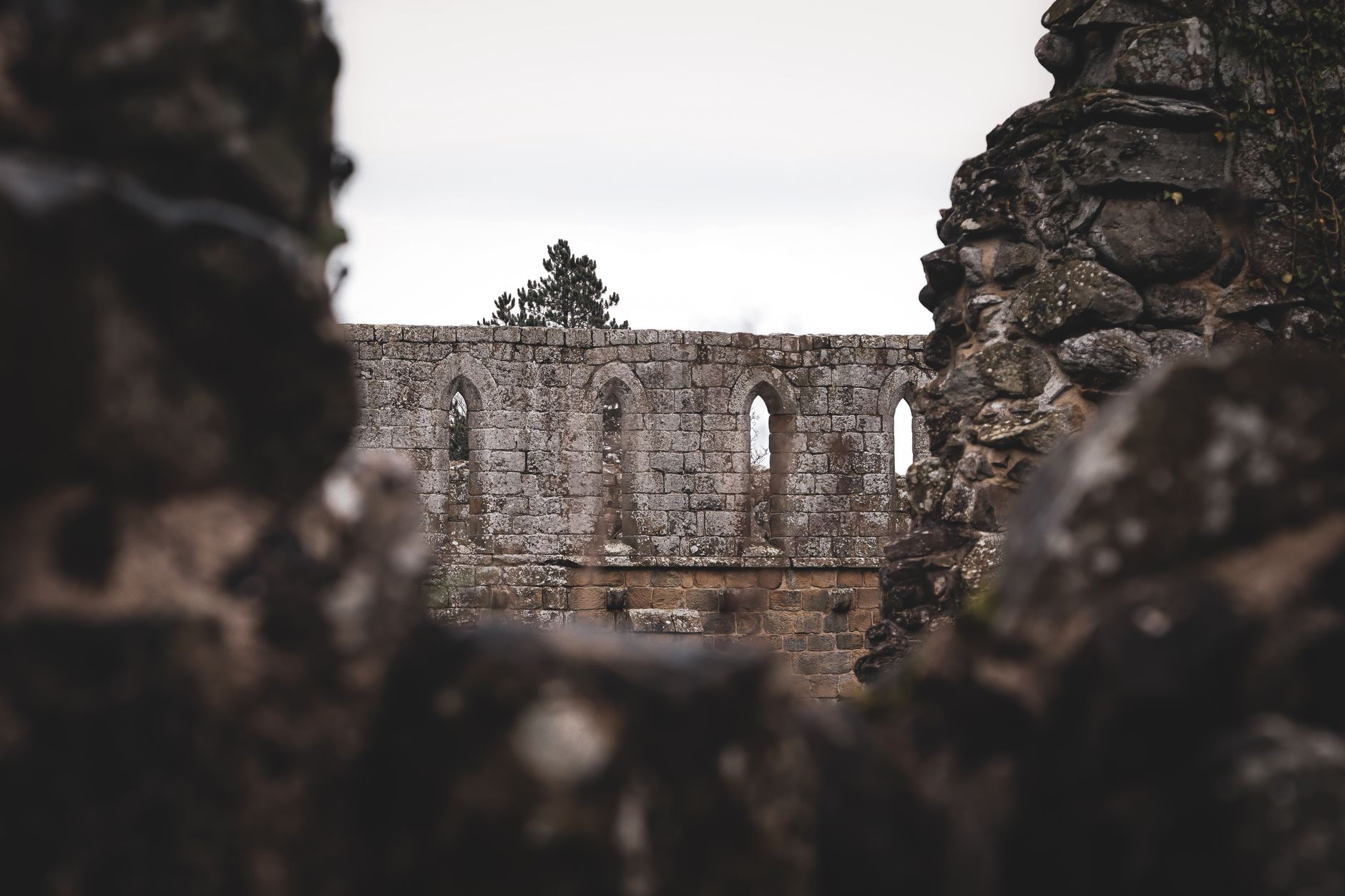
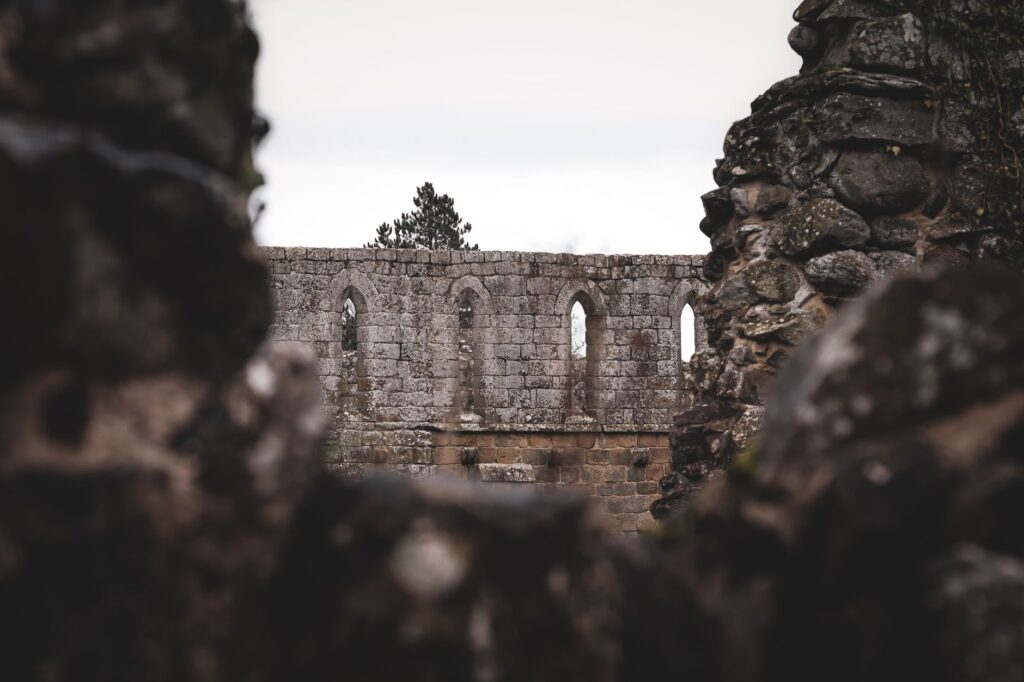
Kelso Abbey is the most battered of the four, with a surviving western end that still towers over the town. It was among the earliest of the Border foundations.
Jedburgh
Jedburgh Abbey is the most complete. Its nave and great arched walls still stand high, and the setting above the Jed Water is lovely.
Melrose
Melrose Abbey is the one most visitors know, with its carved stonework and a long association with Robert the Bruce, whose heart is said to be buried there.
Dryburgh
Dryburgh Abbey sits in a loop of the River Tweed among old trees, and is the burial place of Sir Walter Scott. It is the quietest of the four and my favourite.
All four were damaged repeatedly in the border wars between Scotland and England, particularly in the 16th century, which is why they are ruins rather than working churches. Historic Environment Scotland looks after several of them, so check its site at Historic Environment Scotland for current opening times and admission before you plan your days.
What is the terrain like?
The terrain on the Borders Abbeys Way is rolling farmland, river bank, woodland track and quiet road, with modest climbs and no technical ground. You follow the Tweed and the Teviot for much of the way and cross pasture and low hills between them.
That does not make it flat. There are plenty of short, sharp ascents, and a full day on farm tracks tires the legs differently from a hill day. Mud is the main complaint, especially in autumn and winter, when field edges and gateways turn to slop. If you are choosing footwear, the principles in our piece on matching gaiters to the terrain apply here too.
Livestock is the other thing to plan for. Much of the path crosses working farmland, so close gates, keep dogs under control near sheep and give cattle a wide berth. Our guide to river crossings in the Highlands is not needed here, because the route uses bridges, but rivers do rise after heavy rain and low riverside paths can flood.
Why is it a good first multi-day walk?
The Borders Abbeys Way suits a first multi-day walk because it keeps the stakes low while still teaching the skills of long-distance walking. Four reasons stand out.
- Easy bail-outs. Towns and villages break up the route, so a blister or a bad forecast does not leave you stranded.
- Simple navigation. Waymarking is regular and the valleys give you obvious landmarks. You should still carry a map and know how to use it.
- Manageable pack weight. With accommodation in towns, you can carry a light daypack-sized load rather than a tent and stove.
- Gentle on mistakes. Get the pacing wrong on day one and you can shorten day two. In the Highlands, there may be no shorter option.
It also builds a habit that matters later: looking after yourself over consecutive days. Sort your feet out every evening, eat properly, and set off the next morning without drama.
When to walk it
Spring and early autumn are the best windows, with long enough daylight and fewer midges than the Highlands, though you may meet a few. Today is late November, and I would not start a six-day trip now unless you are happy to finish in the dark. Daylight in the Borders is short by late autumn, so plan shorter stages and carry a head torch. If you do get caught out after dusk, our notes on night walking in the British hills cover the basics.
Summer is lovely but busier for rooms, so book early. Accommodation along the route is a mix of B&Bs, pubs and small hotels, and in the smaller villages it is limited, so reserve before you set out rather than hoping.
Coming home to a warm house
A cold, wet November walk makes you appreciate a proper fire at the end of the day. Plenty of rural Borders homes burn wood, and anyone who runs a small joinery or a smallholding ends up with sawdust and offcuts that are awkward to dispose of. Pressing that waste into fuel is one answer, and the second-hand market for Briquette Machines is where a small producer would look before paying for new equipment.
What to do after you finish
Once the Borders Abbeys Way feels comfortable, step up in stages. St Cuthbert’s Way runs from Melrose to Lindisfarne and shares some of the same country. The Southern Upland Way is a much longer coast-to-coast challenge. For a lowland route with a different flavour, our look at the Offa’s Dyke Path in autumn shows what a longer border walk involves. My advice: do the Abbeys Way in spring, keep your first itinerary realistic, and book your rooms before you buy new boots.

Leave a Reply