
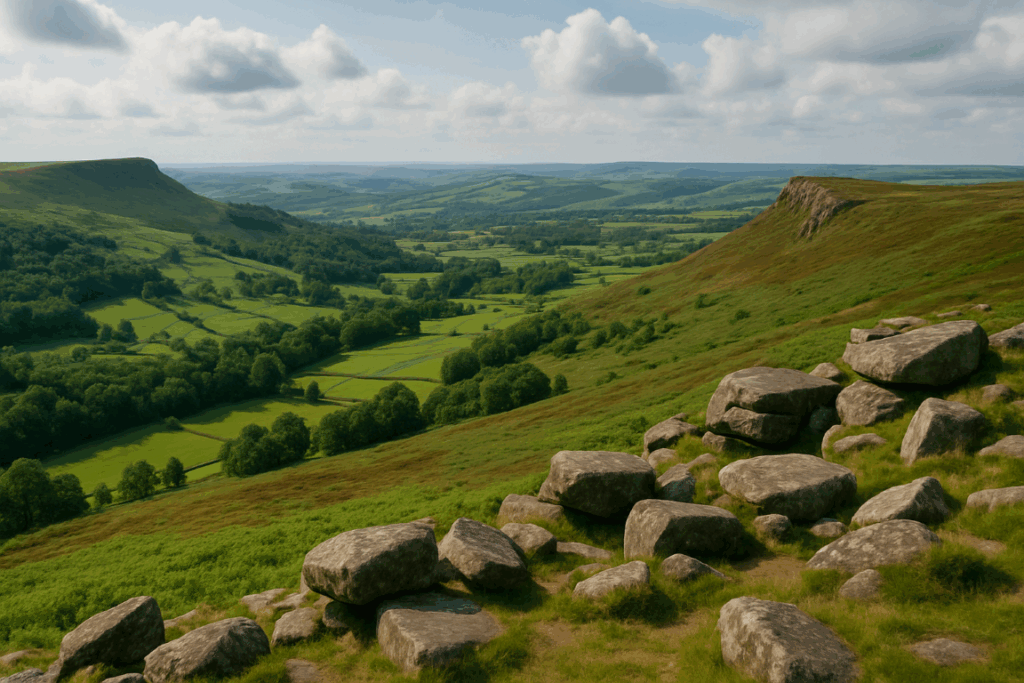
There’s a moment most regular hikers will recognise. You’re crossing a high moorland field in the Pennines, map in hand, boots already plastered from a bog crossing, and a Land Rover pulls up on the track ahead. The farmer gets out. The exchange that follows is somewhere between polite and pointed. You’re on a right of way. He knows that. But something about the interaction leaves both of you feeling like the other one doesn’t quite get it. Hill farming and walking share the same ground, and yet so often the two worlds barely speak to each other.
I’ve been hiking across Wales, the Scottish Borders, and the north of England long enough to have had that conversation more than once. And I’ve come to think that most of the friction is rooted in genuine misunderstanding rather than bad faith on either side. Walkers often have no idea what a hill farm actually involves day to day. Farmers can underestimate how much walkers genuinely care about the landscape they’re crossing. Both sides lose out.
What hill farming actually looks like up close
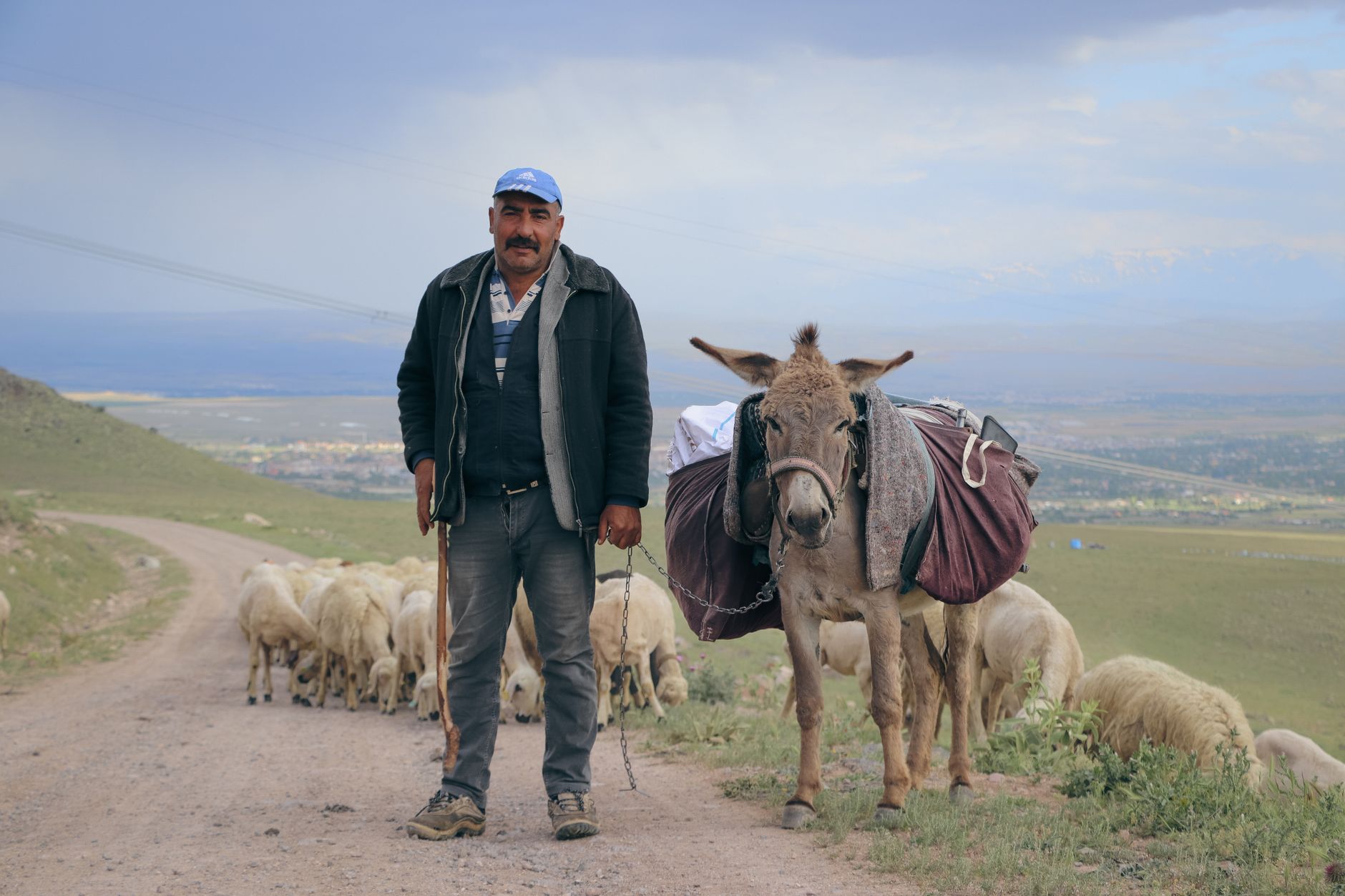
Hill farming in the UK uplands is nothing like the lowland mixed farming most people picture. On the fells above Hawes or across the Brecon moorland, a single farm might cover hundreds of hectares with a flock of just a few hundred sheep. The land is rough, the soil thin, the growing season short. These farms don’t make money easily. According to the Farm Business Survey published by gov.uk, the average upland farm in England makes a net farm income that most office workers would find alarming, often relying heavily on agri-environment scheme payments to stay viable at all.
The fences you curse when they block a line you want to take, the gates that seem to be in the wrong place, the fields that look empty but aren’t: all of it makes sense once you understand the seasonal rhythm of the place. Hefted sheep, the breeds that know their own patch of hillside through generations of learned behaviour, can be scattered across open ground that looks empty to an outsider. A Herdwick ewe on Helvellyn doesn’t come when called and doesn’t move politely out of your way. Disturbing a flock during lambing or at tupping time has real consequences for the farmer, even if those consequences are invisible to the person striding past with trekking poles.
Seasonal restrictions and why they exist
You’ll sometimes encounter temporary signs asking walkers to stick to paths during lambing season, which in upland Wales typically runs from March into May, and in Scotland can stretch later into the year depending on altitude and breed. These aren’t legally binding in the same way a formal diversion order is, but they’re worth taking seriously.
Lambing is the most stressful period in the hill farming calendar. A ewe that panics and runs from a dog, or even just from a group of walkers cutting across a field, can abandon her lamb. I’ve walked Bannau Brycheiniog in early April and seen the signs up, and honestly, giving the ewes a wide berth costs me nothing. The changes to how the national park manages Bannau Brycheiniog have actually brought some clearer communication between land managers and walkers, which is a step in the right direction.
Dogs are their own chapter. The Countryside Code is unambiguous: keep dogs under close control near livestock, and on a lead from 1 March to 31 July in the uplands. A farmer has the legal right to shoot a dog that is worrying sheep. That’s not aggression, it’s the law. I always lead mine through any field with livestock in it, without exception. It’s not worth the argument, and more importantly it’s not worth the harm.
Reading the landscape with a farmer’s eyes
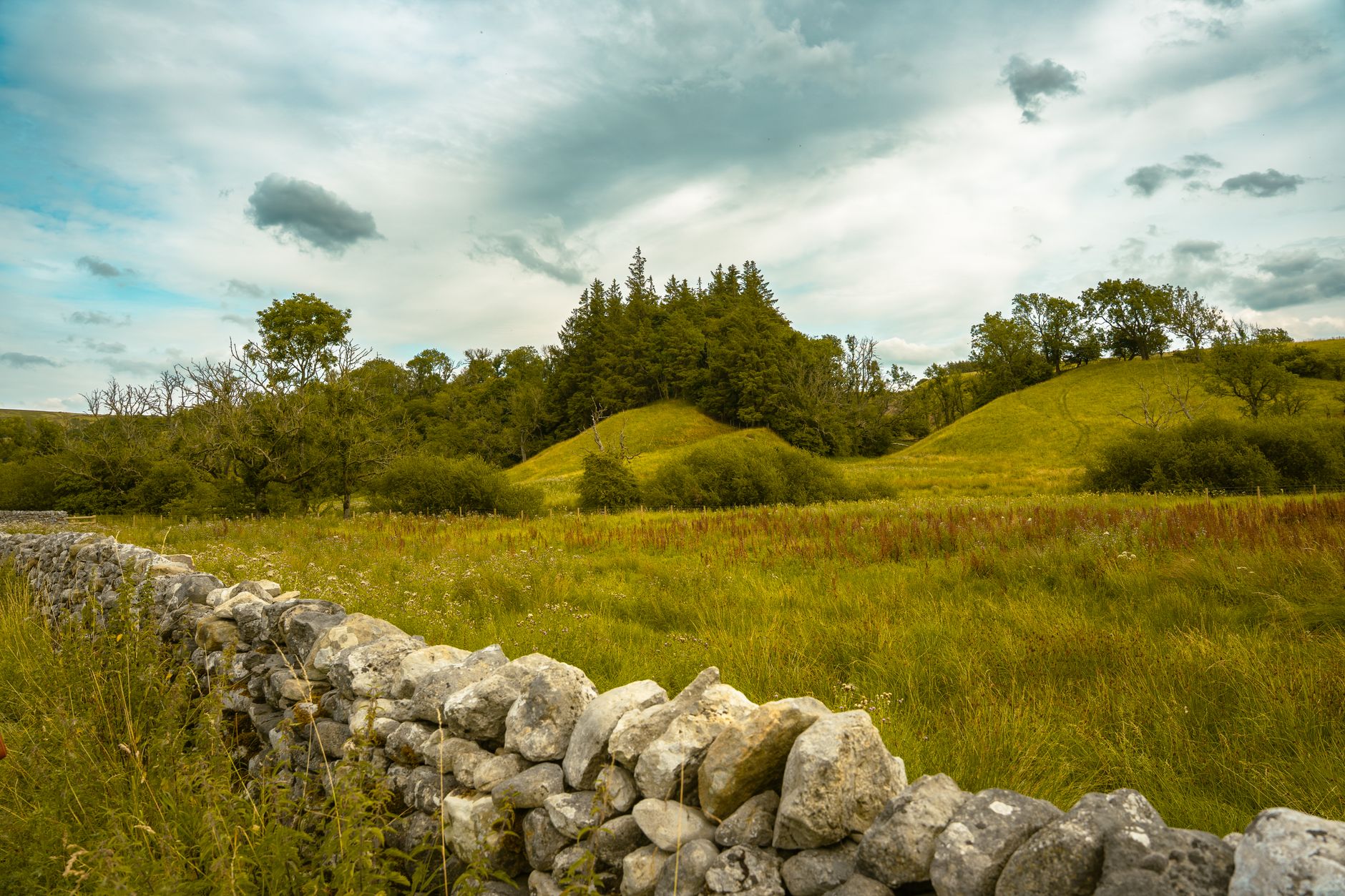
One of the most useful shifts you can make as a walker is learning to look at the upland landscape as a working environment rather than a scenic backdrop. Those stone walls crossing the hillside at seemingly random angles aren’t decorative. They divide inbye land, the lower improved fields where hay or silage might be cut, from the rougher in-ground and open fell grazing. The pattern of fields tells you the history of the farm. Older systems in the Welsh Borders often show strip patterns that go back centuries.
Peat management is another area where walkers and farmers increasingly share an interest. The importance of intact peat bogs is well established for carbon storage and water regulation, and many hill farmers in the Pennines are now involved in rewetting schemes funded through Environmental Land Management contracts. The hill farmer dragging rushes from a blocked grip isn’t your enemy. He might be part of a peatland restoration project.
Mountain rescue awareness matters here too. When walkers get into trouble in remote farming country, it’s often local farmers who are the first eyes on the ground. I’ve read accounts from UK mountain rescue teams where a farmer’s call to the team, based on spotting an abandoned car at a trailhead, has been what started a successful search. These people know the land in ways no map can fully capture.
Where the tension actually comes from
Most of the genuine conflict I’ve witnessed comes down to a handful of specific issues. Litter and fly-tipping near access points. Gates left open. Dogs off leads near sheep. Paths that have been informally widened by walkers avoiding mud, eroding the vegetation on the margins. And occasionally, walkers who simply don’t believe that private agricultural land with a public footpath across it is still private agricultural land.
Running a small outdoor blog has introduced me to a wide community of people who write about and document the uplands. Some of them fund their platforms through tools like Banner Ads to keep the content going, which means the information about responsible access keeps reaching new audiences. That education matters more than most walkers realise.
From the farmer’s side, there’s sometimes a frustration that walkers treat the moors like a leisure facility disconnected from any working purpose. Some of that is understandable, especially on Bank Holiday weekends when a remote valley suddenly has forty cars parked along the lane. But I’ve also met farmers who’ve never once had a proper conversation with the walking community, and whose suspicion is based on a handful of bad experiences rather than the majority.
Practical things walkers can actually do
Learn the Countryside Code properly, not just the vague version you half-remember from a primary school trip. The full guidance is on gov.uk and it’s specific. Follow waymarked paths in enclosed farmland. Close every gate you open. Keep dogs on leads near any livestock. Take your rubbish home, including orange peel and banana skins, which don’t break down on high moorland the way people assume.
If a farmer approaches you and you’re clearly on the right of way, stay calm. Most of the time they just want to know if you’ve seen anything unusual, or to check you’re not about to head across a field they need to work later in the day. A brief, polite exchange costs nothing. I’ve had some genuinely fascinating conversations about the history of particular passes and valleys from farmers who’ve worked the same land for thirty years.
Checking the weather carefully before heading into upland farm country is always worth doing. A day that deteriorates suddenly turns walkers into a problem for farmers and emergency services both. I always check the Mountain Weather Information Service forecast, and for a guide to reading what those forecasts actually mean in practice, the piece on how to read a UK mountain weather forecast is worth a proper read before any serious hill day.
The uplands belong to everyone in different ways. Farmers hold the tenure and bear the daily cost of keeping the land viable. Walkers bring attention, income to rural communities, and sometimes advocacy for landscapes that need political protection. Neither group is going anywhere. The ones who make the relationship work are the ones who bother to understand what the other is actually dealing with.