
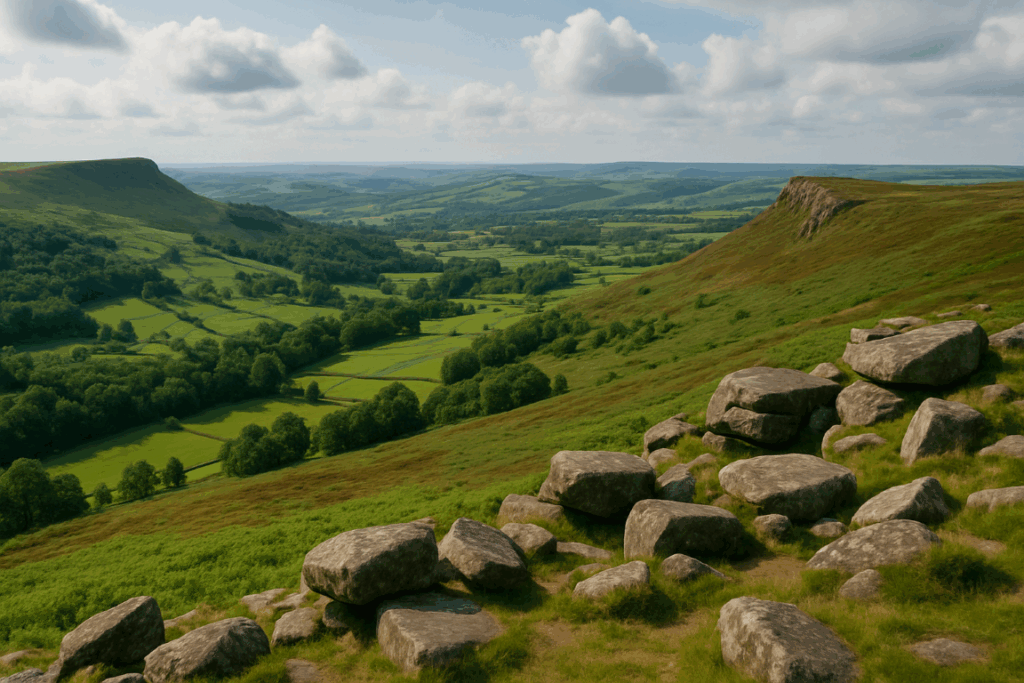
The Brecon Beacons have a habit of looking approachable right up until the moment they aren’t. On a grey January morning, Pen y Fan from the Storey Arms car park can look like a long but manageable climb. Within an hour, you can be in spindrift, on ice, with zero visibility and a path that’s disappeared under a centimetre of fresh snow. I’ve watched that transformation happen in under forty minutes. Brecon Beacons winter walking catches people out every year, and it will keep doing so, because the place genuinely does not look like serious mountain terrain until it behaves like it.
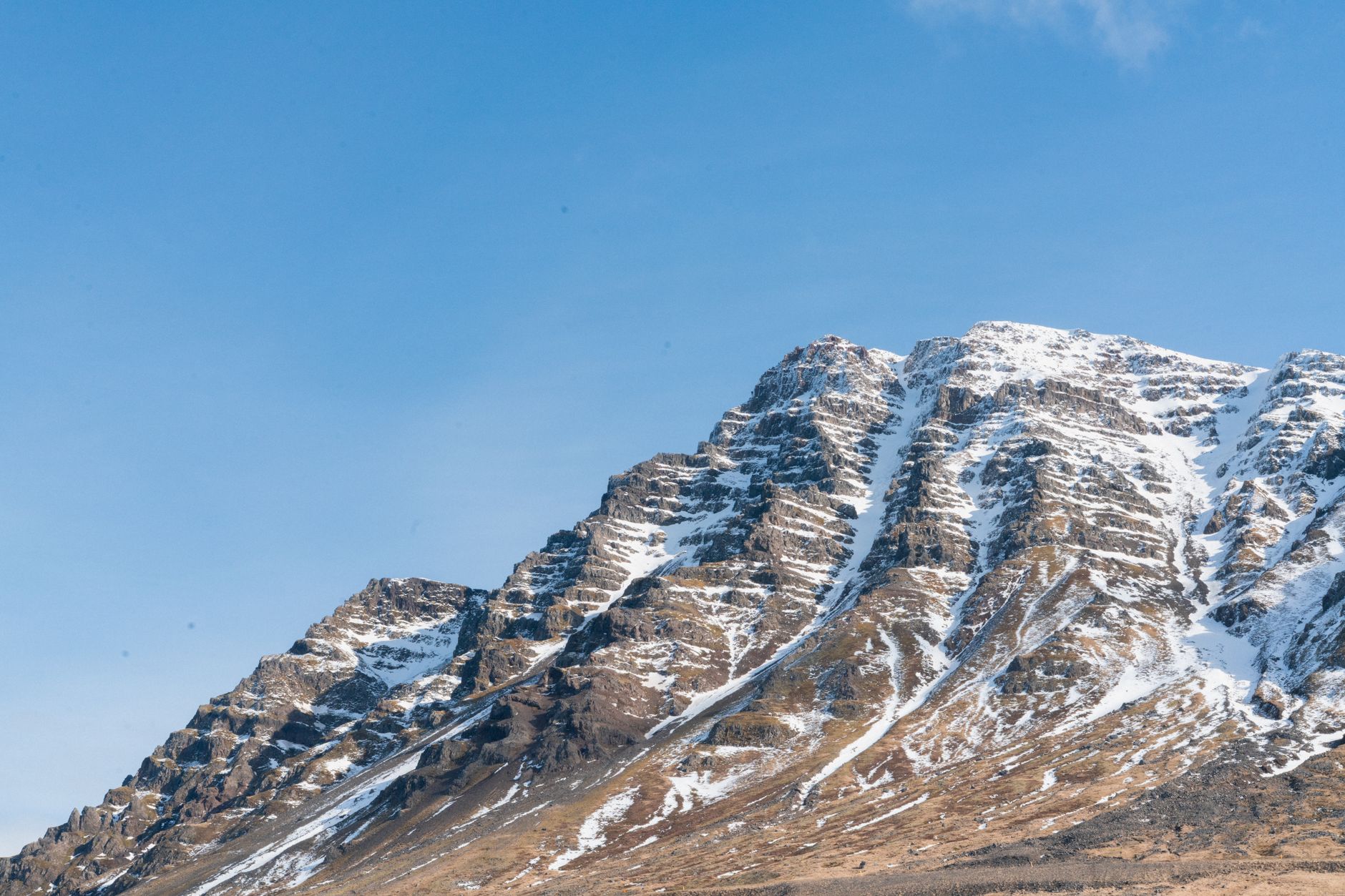
This isn’t a scare piece. The Beacons in winter are also extraordinary. The ridgelines look enormous from below when snow sits on them, red kites hang in icy thermals, and the reservoirs go flat and mirror-still. But you need to understand what you’re stepping into before you lace up your boots.
Why the Beacons behave differently in winter
The Brecon Beacons (officially now Bannau Brycheiniog, though you’ll still hear the old name everywhere on the ground) sit in a bowl of wet Welsh weather. The Met Office repeatedly flags the area for rapid condition changes between November and March. The plateau tops sit between 700 and 886 metres, high enough to catch freezing temperatures when the valleys are merely cold, and wet enough to ice over quickly when temperature drops overnight.
The rock here is Old Red Sandstone. That matters underfoot. Unlike the rough gabbro of the Cuillin or the grippy volcanic rock further north, sandstone polishes. In wet or icy conditions, the flagged paths and exposed ledges lose traction fast. Microspikes are not optional on most ridge routes from December through February; crampons and an ice axe belong in your pack if there’s been a significant freeze.
Navigation is the other factor people underestimate. The main ridgeline from the Neuadd Reservoirs to Fan y Big looks straightforward on a map. In good visibility it is. In the kind of hill fog that can close in from the south-west in twenty minutes, it becomes a genuine navigation exercise. Compass bearings, not phone GPS, are what you need, and you need to be practised at using them before conditions deteriorate. Check out the guide on reading a UK mountain weather forecast before you commit to any winter ridge day in the Beacons.
Pen y Fan’s north face: what people don’t tell you
Most people come up Pen y Fan from the south, from Pont ar Daf or the Storey Arms. The path is clear, relatively wide, and heavily used. In winter it can still be icy and unpleasant, but it’s not technically demanding provided you have the right footwear.
The north face is a different proposal. The escarpment drops away sharply from the summit plateau towards the Cwm Llwch and the Tommy Jones Obelisk below. This north-facing slope holds snow and ice far longer than the south side. The approach via Llyn Cwm Llwch takes you along the base of the escarpment before the ascent steepens, and in hard winter conditions that upper section can be Grade I winter ground, which means axe and crampon territory. I’d argue that anyone considering this route between January and early March should be comfortable with self-arrest technique and have done some winter skills training. If you haven’t, the southern approach is the right call.
Corn Du and the main horseshoe: manageable, but not forgiving
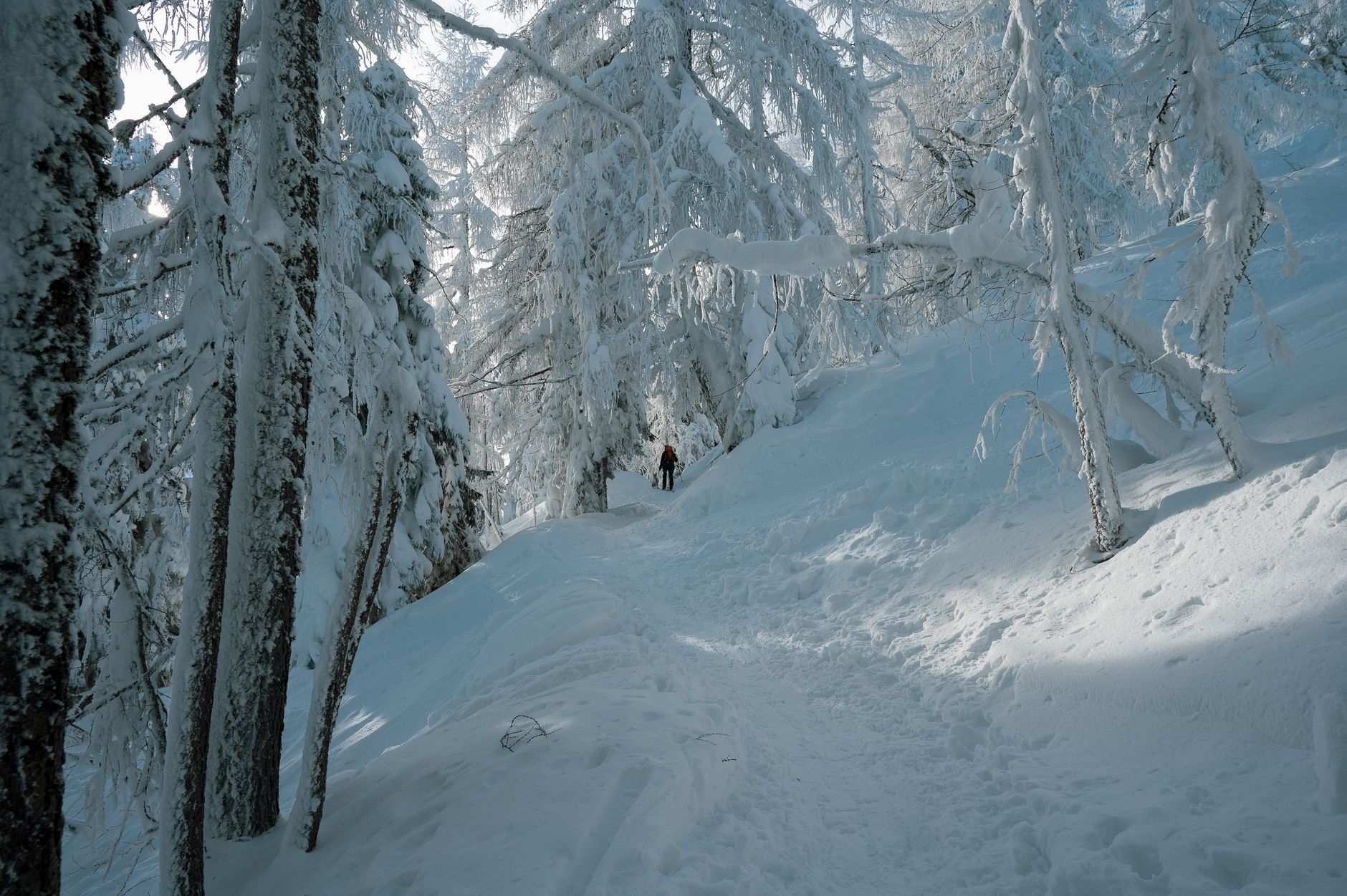
The Pen y Fan and Corn Du horseshoe, taking in Cribyn as well, is one of the best winter walks in south Wales when conditions are right. Crampons, good visibility, and a clear early start can make this a genuinely memorable day. The ridge between Pen y Fan and Cribyn has a narrow section above steep ground on the east side. In summer you’d barely notice it. With fresh snow, a wind from the north-west pushing you sideways, and frozen ground underfoot, that same section demands respect and steady feet.
The drop off Cribyn’s north ridge into the Cwm Cynwyn is steep enough that a slip matters. I’ve seen groups on this section without any traction aids at all, wearing trail running shoes, in conditions that were clearly icy. That’s the thing about this mountain: it tolerates poor decisions for a while, and then it doesn’t. Ankle and knee injuries on iced paths are far more common than people realise, even on relatively short walks like this one.
The Black Mountains in winter: a different kind of hard
Over to the east, the Black Mountains (separate from the Black Mountain in the west, which causes endless map-reading confusion) offer a different winter challenge. The long, featureless ridges between Hay Bluff, Waun Fach and the Grwyne Fawr valley are not technically steep. They are navigationally demanding in a way that genuinely catches people off guard.
Waun Fach, the highest point in the Black Mountains at 811 metres, sits on a broad, boggy plateau with very few obvious landmarks. In clear conditions, the view tells you where you are. In cloud and snow, you are on a white plateau with limited visibility and peat hags to trip over. The magnetic anomalies here are minimal compared to some Scottish ranges, so a compass is reliable, but you need to trust it even when instinct tells you you’re heading the wrong way. The experience of walking a bearing on flat featureless ground in mist is one of those skills best learnt before you need it urgently.
The ridges here also carry more wind exposure than their relatively modest height suggests. A walk along the Hatterrall Ridge from Hay Bluff south can feel routine in summer; in a January westerly it’s a sustained, energy-sapping grind. Start early, plan your escape routes, and know where the valley paths drop away if the weather closes in faster than forecast.
When to reconsider your plans entirely
There are days when the right call is to not go up at all. A red warning from the Met Office is obvious. Less obvious is the combination of mild temperatures, rain overnight, and a sudden cold snap: the exact conditions that produce verglas, a thin invisible coat of ice on rock and path surfaces that is far harder to spot than snow and far more treacherous underfoot.
Mountain Rescue Wales responds to dozens of incidents in the Beacons every winter. A significant proportion involve walkers who were on well-known routes in conditions that were worse than expected. The mountain rescue teams in this country are unpaid volunteers; every avoidable callout drains their resources and time. Turning around is not failure. I’ve bailed on Pen y Fan twice in winter conditions I didn’t like the feel of, and both times the weather validated the decision within an hour.
A practical aside on kit: winter in the Beacons means a full set of waterproofs, insulating layers, a map and compass you can actually use, a head torch, emergency food, and something warm for the summit. If you’re borrowing or buying kit and thinking about the broader business of keeping a home base warm and sorted so you can get out into the hills without worrying about what you’ve left behind, it’s worth knowing that services like R2G.co.uk can handle the paperwork side of home energy ratings, which frees up your headspace for what matters: the mountain.
Getting the most from a winter Beacons day
The ideal Brecon Beacons winter walking day is a cold, clear high-pressure morning with fresh snow from a day or two earlier, firm underfoot, and enough daylight to be off the ridge by 3pm. Those days exist, and they’re worth every bit of planning. The central horseshoe in those conditions, with the Usk Valley spread out below and the Carmarthen Fans white in the distance, is about as good as walking in England and Wales gets.
Go prepared for the worst version of the day, and you’ll be in a position to enjoy the best of it. That’s the deal with Brecon Beacons winter walking. The mountain doesn’t care what your summer experience looks like.
Frequently Asked Questions
Is Pen y Fan safe to climb in winter?
The southern approach via Pont ar Daf or the Storey Arms is manageable in winter for experienced walkers with the right kit, including microspikes or crampons when iced. The north face escarpment is significantly more serious and may require ice axe and crampon skills in hard winter conditions.
Do I need crampons for the Brecon Beacons in winter?
Microspikes are a sensible minimum for any ridge walk between November and March, especially after a freeze or overnight frost. Full crampons and an ice axe are worth packing if you’re planning the north face of Pen y Fan or any steep ground after prolonged cold weather.
What are the main navigation hazards in the Black Mountains in winter?
The broad, featureless plateau around Waun Fach and the surrounding ridgelines give very few landmarks in mist or snow. A compass and a practised ability to walk a bearing are essential, as phone GPS signal can be unreliable and the terrain offers little natural guidance in poor visibility.
What's the weather like in the Brecon Beacons in winter?
Conditions change rapidly. The plateau tops regularly experience freezing temperatures and wind when the valleys below are merely wet and cold. The Met Office issues frequent hill fog and wind warnings for the area between November and March, and verglas (invisible ice on rock) is a particular hazard after mild rain followed by a cold snap.