

The most common mistake walkers make is believing that a boot labelled waterproof will stay dry inside whatever you do to it. It won’t. A waterproof boot keeps water out through the fabric, but most wet feet arrive over the top of the ankle collar or as sweat from within. So the answer to whether waterproof boots keep your feet dry is: only up to a point, and only while you respect that point. Get this wrong and you spend a winter day squelching, cold and blistered.
I’ve lost count of the times I’ve stood in a Pennine bog, watched a pair of expensive boots disappear to the cuff and learnt the same lesson again. Here’s what’s actually going on, and what to do about it.
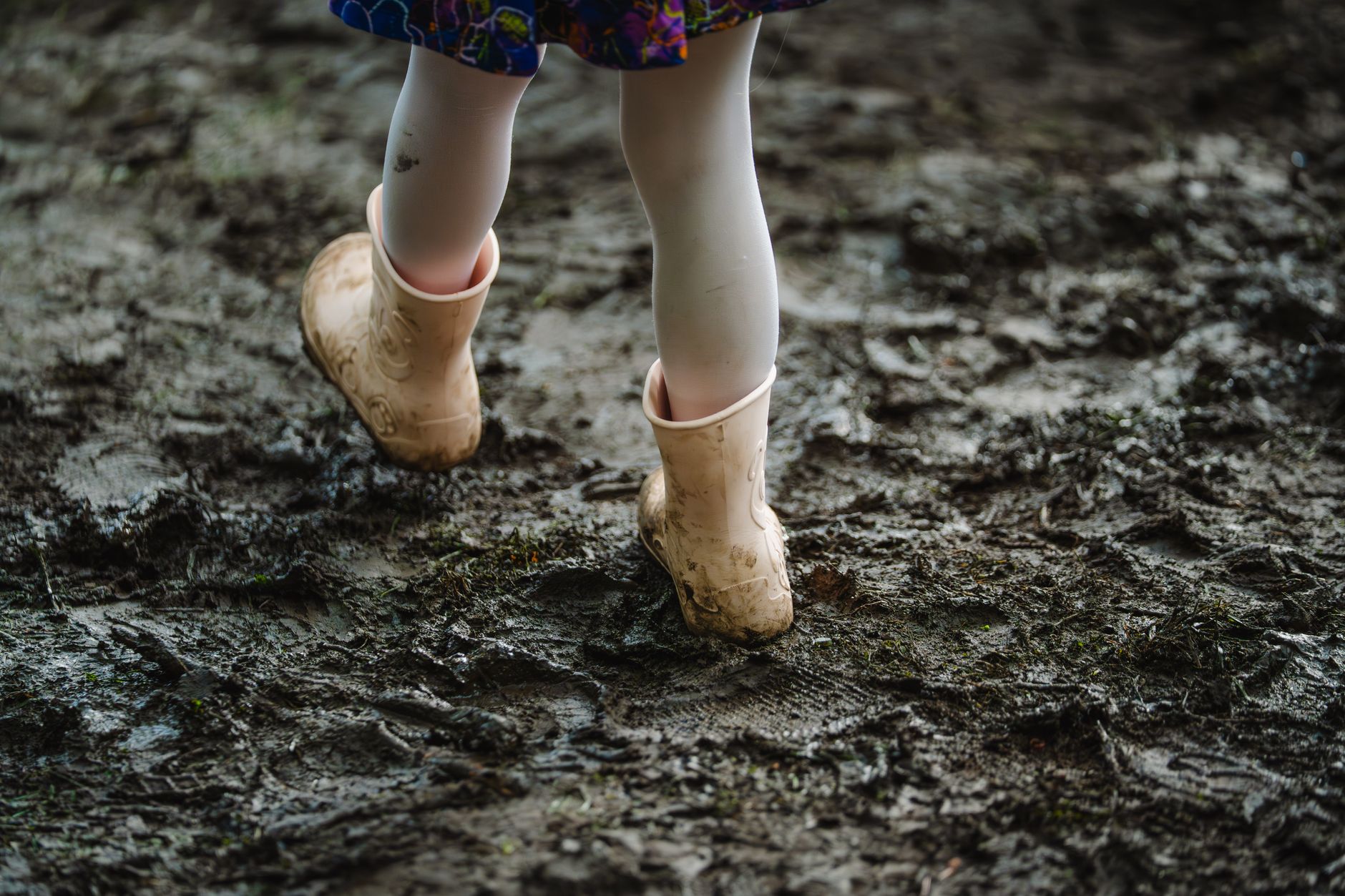
Why do feet get wet in UK bogs?
Feet get wet in UK bogs mainly because water enters through the boot opening, not through the boot material. Peat and saturated moorland swallow a boot to the ankle or higher, and once the water level passes the top of the collar, no membrane in the world can help. The boot simply becomes a bucket.
The second cause is sweat. Your feet can produce a surprising amount of moisture over a long day, and if the boot can’t pass it out fast enough, your socks end up damp from the inside. Walkers often blame a leaking boot when the real culprit is condensation, especially in cold, humid autumn air where there’s little drying power.
The third cause is wear. Cracked leather, split stitching and a worn-out tongue gusset all let water in. These are fixable, but only if you check for them.
Myth one: leather boots are always waterproof
Full-grain leather is water resistant, not waterproof. Treated well, it sheds rain and shallow puddles for hours. Left dry and dirty, it soaks up water, gets heavy and then takes days to dry. Leather also breathes better than most synthetic uppers, which is why many walkers still prefer it for long days.
The seams and the tongue are the weak points, not the hide itself. A one-piece leather boot with a gusseted tongue does well in wet grass and shallow mud. It will still fill up in a deep bog.
Myth two: a membrane makes the boot waterproof for good
Membrane linings, such as Gore-Tex and the many similar brands, are thin layers built into the boot that stop liquid water while letting vapour escape. They work well when new and clean. But mud, oils and salts from sweat can clog the outer fabric, and the membrane can also be damaged by flexing and abrasion.
A key point many people miss: when the outer fabric becomes soaked, it stops breathing properly, so your feet get clammy even though no water has actually come through. Keeping the outside of the boot clean and treated is part of keeping the membrane working.
Myth three: waterproof socks fix everything
Waterproof socks are a useful tool, not a miracle. They are a sealed layer that sits inside the boot, so if the water comes over the top, it still gets in. If it doesn’t, they hold the line when the boot itself fails. The downside is that they trap sweat, so on a long dry day you can end up with wetter feet than before.
I’d keep them for cold, wet days with lots of splashing, or as a backup when your boots are tired. Pair them with a thin merino liner, not cotton, which holds moisture and chills you quickly.
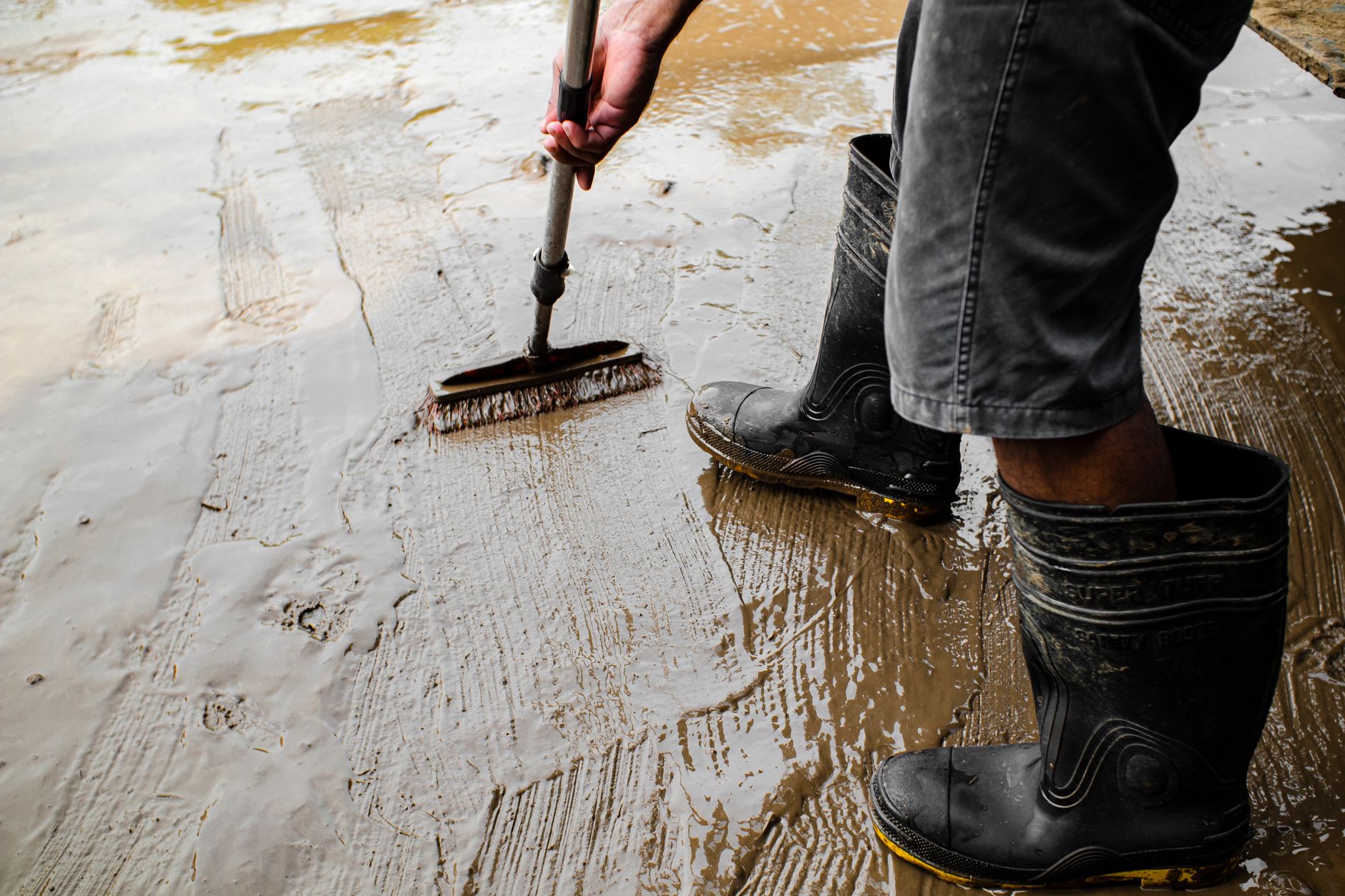
How do you keep your feet dry on a boggy walk?
You keep your feet dry on a boggy walk by choosing the right footwear for the depth of the ground, managing sweat and protecting the ankle opening. Follow these steps in order, as each one builds on the last.
- Check your boots before you go. Look for cracks in the leather, loose stitching and peeling at the rand. A small gap lets in far more water than you would expect, and winter is a poor time to find it.
- Wear the right socks. Merino or a merino blend wicks sweat and stays warm when damp. Thick cotton does the opposite. Take a spare pair in a dry bag and change at lunch if your feet are wet.
- Use gaiters on deep ground. Gaiters shield the ankle opening, which is where most bog water gets in. Sized and fitted properly, they matter more than the membrane. If you’re unsure whether yours suit your terrain, my piece on Naismith’s Rule on UK hill terrain covers how wet ground slows your day, which is worth planning for.
- Choose your line. Bright green moss and rushes usually signal deep wet ground. Darker heather and firm tussocks are safer. Poke ahead with a pole if you’re unsure. There’s more on reading boggy ground in why experienced hikers have learned to love peat bogs.
- Accept that some days are wet-foot days. On a deep, sodden moor, mesh trail shoes and quick-drying socks can beat heavy boots, because they drain and dry as you walk. Know which kind of day you have.
- Stop for a feet check. If you feel a hot spot, deal with it at once. Wet skin blisters far faster than dry skin.
Winter mud season aftercare
Good aftercare is what keeps a waterproof boot waterproof. Do it the same day, while the dirt is still soft.
- Knock off the worst mud, then rinse with lukewarm water and a soft brush. Remove the insoles and laces.
- Dry the boots slowly at room temperature, stuffed with newspaper. Never put them on a radiator or by a fire, because heat cracks leather and can weaken the glue holding the sole.
- When they are damp, not bone dry, apply the proofing product recommended by the boot maker. Wax suits full-grain leather. Spray-on treatments suit fabric and membrane boots, and refresh the outer’s water repellency so it keeps beading.
- Store them somewhere dry and airy, not in a damp boot room corner or a sealed car boot.
If you walk most weekends from October to March, I’d clean and re-proof about once a month. It takes ten minutes and adds years to a pair.
Which should you pick: leather, membrane or neither?
For general UK hillwalking, a membrane-lined leather or part-leather boot with a gusseted tongue gives the best all-round result. For wet, boggy moors, consider lighter footwear that drains, plus quality socks. For cold, wet winter days, add waterproof socks and gaiters. No single option is right for every walk, and the best walkers I know own more than one pair.
For further reading on conditions underfoot, the Met Office forecast is worth a look before you commit. Heavy recent rain turns an easy path into a drainage ditch, whatever is on your feet.
Finally, a note for anyone planning an event or a group walk and printing flyers or banners for it: sizing guides such as the one at bannerads.uk help you get the artwork right the first time. Then pack a spare pair of socks.
Frequently Asked Questions
Are waterproof boots worth it in the UK?
Yes, for most walkers they are. Membrane-lined boots keep out rain, wet grass and shallow puddles, which describes most UK walks. They won’t cope with water coming over the ankle, so they work best with gaiters and sensible route choices.
Why are my feet wet in waterproof boots?
Usually water has come over the top of the boot, or sweat has built up inside. Worn-out proofing can also leave the outer fabric soaked, which stops the boot breathing. Check the collar, the seams and the cleanliness of the outer.
How often should I reproof my walking boots?
For regular winter walking, about once a month is a sensible habit, or whenever water stops beading on the surface. Always clean the boots first and apply the product to damp, not dry, material, following the maker’s instructions.
Do waterproof socks really work?
They work if the water reaches your feet through the boot, but not if it pours in over the top. They also trap sweat, so they suit cold, wet days better than long, mild ones. Wear a thin merino liner underneath.


Leave a Reply