

A Munro you have happily walked in July is not the same hill in January, and treating it as the same hill is the most common mistake I see aspiring winter walkers make. Winter Munro safety in Scotland starts with accepting that the mountain has changed character completely, even though the path, the map and the summit cairn are exactly where you left them.
That is my position, and I will stand by it: your first winter Munro should be treated as a new skill, not a seasonal version of a summer walk. Between November and March, ice, spindrift, short daylight and avalanche-prone slopes combine to turn a stroll into a serious undertaking.
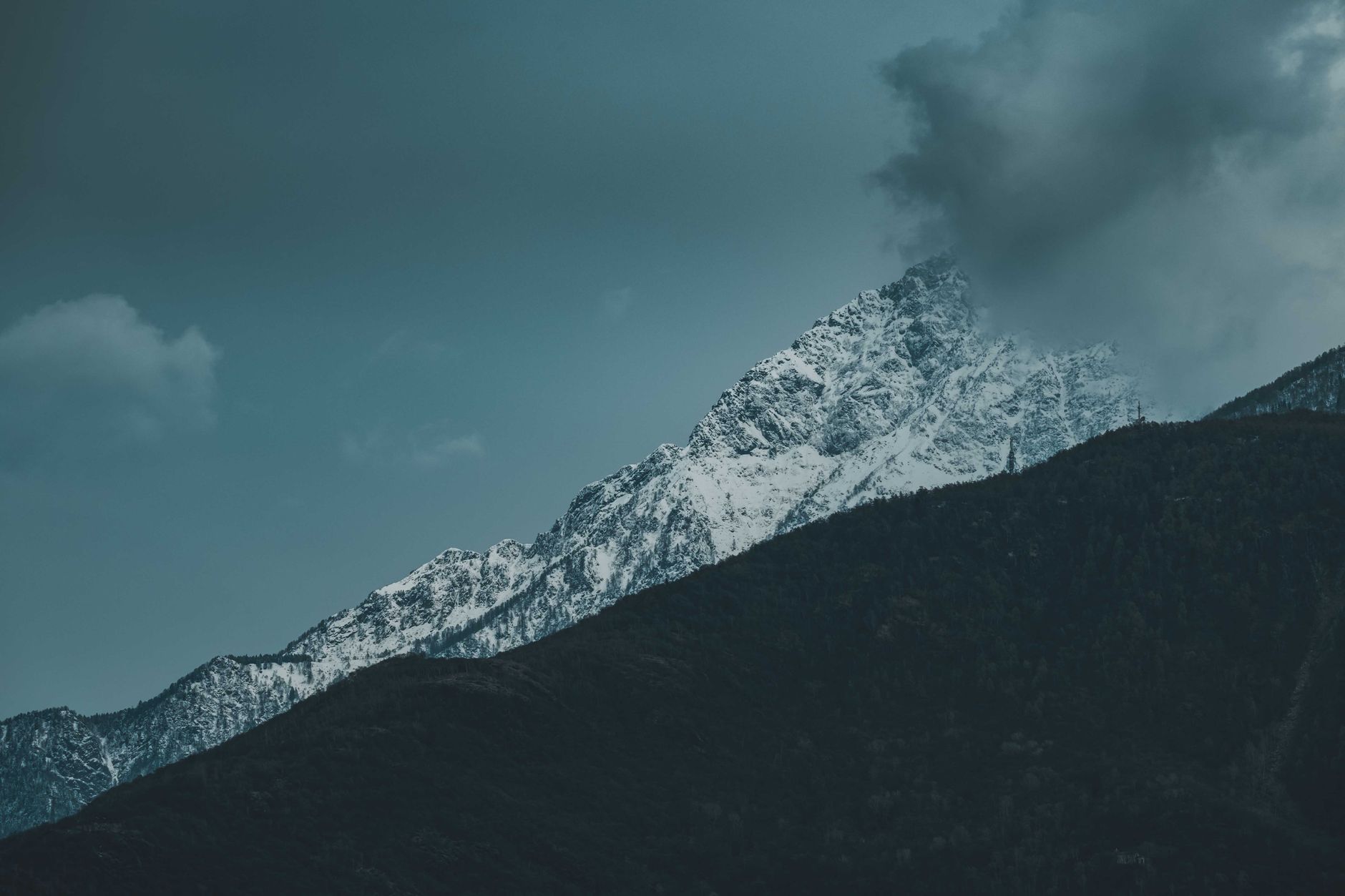
Ice changes what a path is
In summer a path is a line of footholds. In winter it can be a strip of frozen ground, hard neve or sheet ice, sometimes hidden under a dusting of fresh snow. Ordinary walking boots and a pair of poles will not hold you on a frozen slope, and a slip on a steep gradient can carry you a long way before anything stops you.
This is why winter kit is not an optional upgrade. You need stiff-soled winter boots that take crampons, a pair of crampons you have practised putting on, and an ice axe you know how to use to stop a slide. Owning them is the easy part. Knowing how to arrest a fall, on a safe slope with a runout, is what makes them useful. A day on a winter skills course is the best money a beginner can spend.
What spindrift does to your day
Spindrift is loose snow lifted and blown along by the wind. It stings the face, fills hoods and goggles, and can cut visibility to a few metres even when the sky above is clear. It also fills in your tracks and hides the edges of ground you need to see.
It matters most on exposed plateaus, where wind is strongest and features are fewest. Navigation that felt easy on a clear summer afternoon becomes a real test. If you want to understand why a compass is not negotiable up there, my piece on river crossing safety covers the wider habit of judging conditions before committing, and the same discipline applies to wind and visibility.
Why daylight is the hardest limit
In midwinter the Scottish Highlands get roughly six to seven hours of usable daylight. Everything takes longer in snow, often far longer than the summer figure suggests, because you are kicking steps, stopping to put on crampons and wading through drifts. A route that takes five hours in June can easily fill a whole winter day.
Set a turnaround time before you leave the car park and keep to it, whether or not you have reached the top. The summit is optional. Getting down before dark is not. If you do end up out after sunset, my guide to night walking in the British hills explains what that demands, but planning to avoid it is far better.
How do avalanches affect Scottish hills?
Avalanches are a real hazard on Scottish hills in winter, and they are not confined to famous climbing routes. Wind-loaded snow collects on lee slopes, particularly in gullies, corries and below cornices, and a slope in the range of about 30 to 45 degrees is the classic angle for a slab to release. Many ordinary walking routes cross or sit beneath such ground.
The Scottish Avalanche Information Service publishes daily forecasts for the main mountain areas during the winter season, and you should read the one for your area before every trip. The Mountain Weather Information Service gives the wind, freezing level and visibility forecast that goes with it. Together they tell you which aspects are loaded and how cold and windy the summit will be.
The obvious objection
The fair objection is that thousands of people walk Munros in winter without incident, and that the hills are not Alpine. That is true. Scotland’s mountains are modest in height, and many winter days are uneventful for people who prepare well.
But the objection rests on the word prepare. Those walkers carry the right kit, read the forecasts, choose routes to suit conditions and turn back readily. Height is not the measure of danger here. Wind, wet snow, rapid weather change and a short day make a 1,000 metre hill behave more seriously than its number suggests. The experienced walker’s relaxed attitude is the result of skill, not proof that the hill is easy.
A sensible first winter Munro
Choose a day with a good forecast, a low avalanche rating on your aspects, and a route with a clear, non-technical line. Go with someone experienced or on a guided day. Carry a map, a compass, a head torch with spare batteries, a bivvy bag, extra layers and food and drink. Tell someone your route and when you expect to be back.
Start by building experience on lower ground. If you want a gentler step up, the Corbetts offer quieter hills where you can practise winter skills with less commitment than a big Munro. Take the first winter day slowly, learn what the conditions feel like, and be happy to turn around. For official guidance on staying safe in the hills, Mountaineering Scotland has advice and details of winter skills courses.
Leave a Reply