

Is a racquet sport really worth your time if you already spend weekends on the hills? Yes, and padel is the one I’d pick. Long hill days build endurance and climbing strength, but they leave three things badly neglected: side-to-side movement, ankle stability and short bursts of leg power. Padel cross-training for walkers fills exactly those gaps, and it does it in a covered court when the weather has shut the fells.
That’s my position, and I’ll defend it. I’m a walker first. I’d rather be on a ridge than behind a glass wall. But the dark months expose a problem every hillgoer knows: you walk less, and the muscles you do use stay narrow in what they can do.
What long hill days leave undertrained
Walking uphill is forward motion at a steady pace. Your quads, glutes and calves work hard, but nearly always in a straight line and at a speed you can hold for hours. The ground does the rest of the work, and that’s where trouble starts.
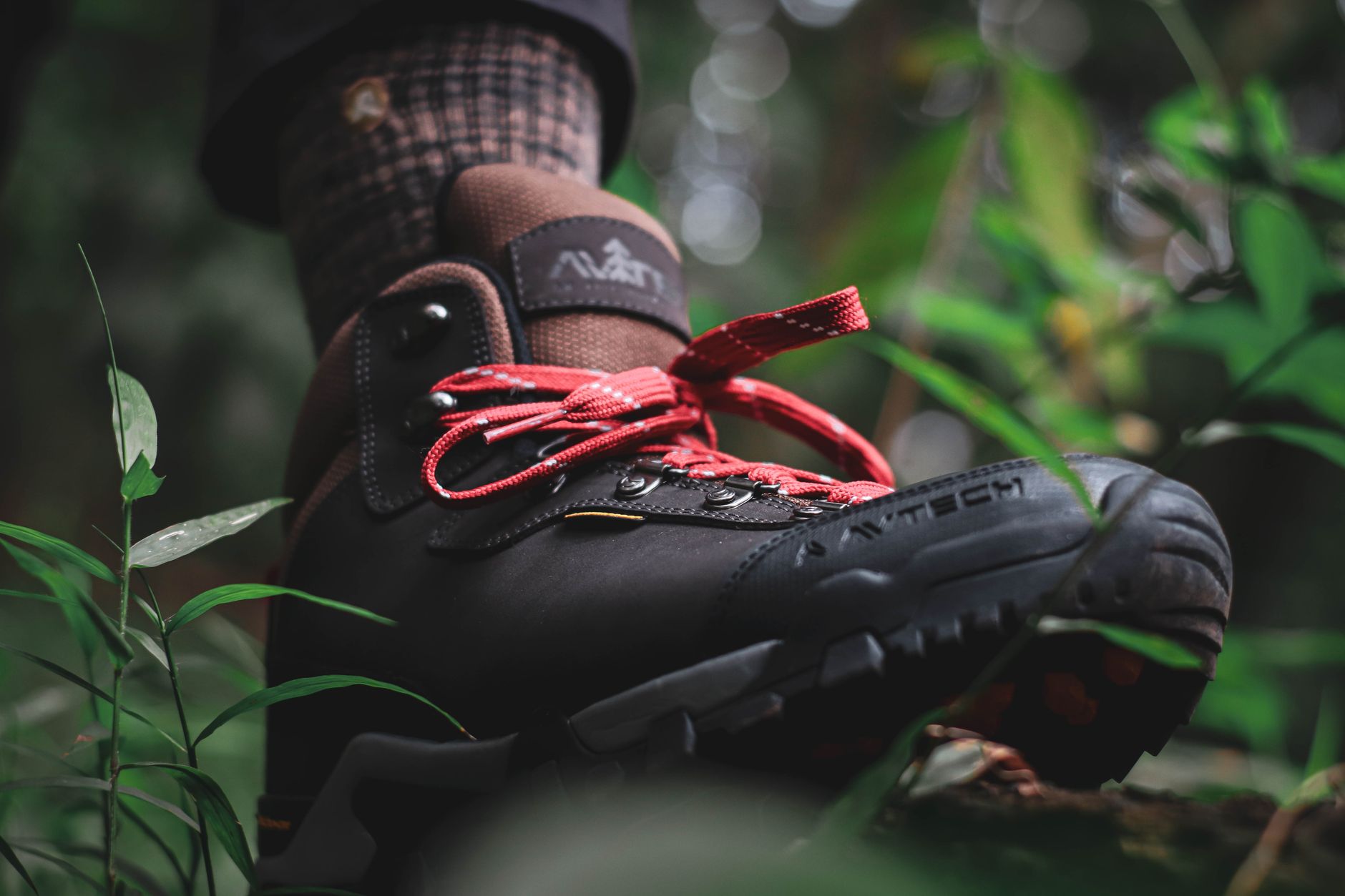
Hills aren’t straight lines. Think of a boulder field, a wet slab, or a stream bed in November. You need your ankles to react in a fraction of a second, and you need to push off sideways, not just forwards. Rolled ankles and tired-knee slips tend to come at the end of a long day, when those quick-reaction muscles have nothing left. If you want to read more on this, our piece on how Naismith’s Rule behaves on real terrain covers why fatigue turns small errors into big ones.
Why padel suits walkers
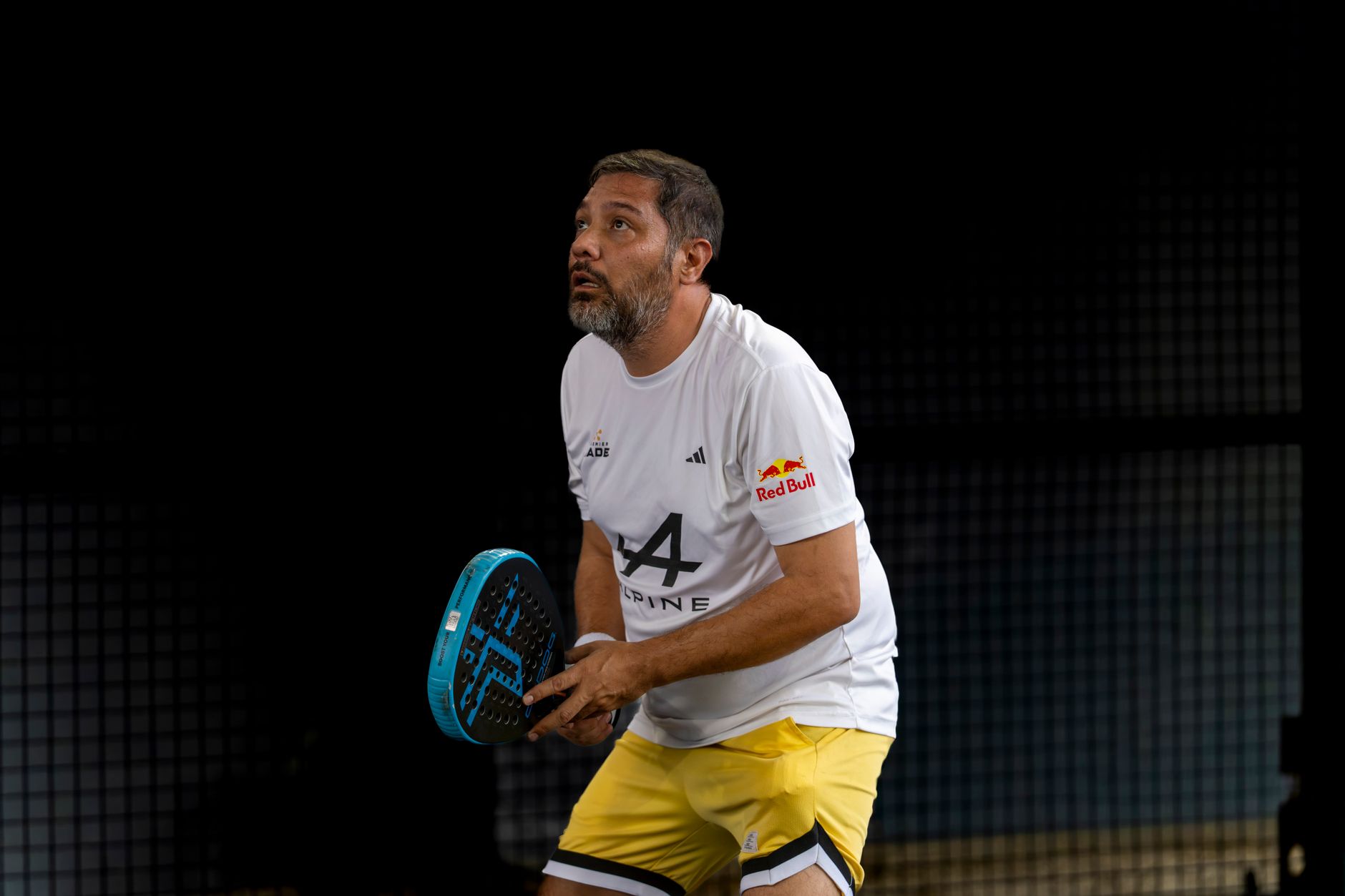
Padel is a doubles racquet game played on a smaller court than tennis, enclosed by glass and mesh walls, with a solid, stringless racquet and a ball that can be played off the walls. The court is small, so rallies are long and the footwork is constant.
Three things make it useful for hill people:
- Lateral agility. You shuffle, split-step and change direction all the time. That’s the movement pattern a long walk never asks of you.
- Ankle stability. Constant small adjustments on a flat surface train the stabilising muscles around the ankle, the ones that save you on a greasy rock.
- Short-burst power. A few explosive steps to reach a ball, then a recovery. It’s a different kind of effort from a six-hour plod, and it builds the push you need for a steep scramble or a quick move out of trouble.
It’s also sociable and forgiving. Beginners can rally within minutes, which isn’t true of squash or tennis. The scoring and walls keep the ball in play, so you spend your hour moving rather than fetching.
How do you fit padel in during the dark winter months?
The simplest way is to treat padel as a fixed weekly session, midweek, replacing a weak point in your routine rather than a hill day. One hour, once a week, is enough to feel the difference in your footwork within a few weeks.
Winter makes this easier than it sounds. Daylight is short, so your midweek walk has probably vanished anyway. An evening indoor or covered session uses the dark hours well. If you’re already planning headtorch outings, our guide to night walking in the British hills pairs nicely with a once-a-week court booking.
- Book the same slot each week so it becomes habit, not a decision.
- Warm up your ankles and hips properly: circles, calf raises and a few side steps.
- Keep the day after a long hill day easy. Padel isn’t recovery work.
- Wear court shoes with decent grip, not your walking boots or road trainers.
Where to play when the hills are off limits
When a storm closes the tops or the rivers are running too high to cross safely, a court is a good fallback. Padel has grown quickly in Britain and venues are now spread across most regions, many with covered or indoor courts. If you’re not sure where your nearest is, this guide to padel tennis UK courts is a sensible place to start looking, and most venues let you book a court online and hire racquets on the spot.
Your weather rules still apply on the hill. Our article on river crossing safety after heavy rain is a reminder that sometimes the right call is to stay low. Having a plan B makes that call easier to make.
The obvious objection
The fair objection is that the best training for hillwalking is hillwalking, and I agree for endurance. Nothing replaces time on your feet with a pack. But specificity has limits. If you only ever walk, you only ever get better at walking, and the injuries I see walkers talk about most often come from the movements they never practise.
The other objection is that racquet sports carry their own injury risk. They do: sudden changes of direction can strain calves and ankles if you arrive cold or tired. Build up gently, warm up, and start with relaxed rallies rather than competitive matches. If you have a history of ankle or knee problems, talk to your GP or a physiotherapist first.
My advice for this winter: pick one midweek evening, book a court, and play for an hour. Then see how your feet feel on the next rocky descent.

Leave a Reply