Author: Alex Mason

  • How To Pack For A Muddy Walk In The British Countryside

    How To Pack For A Muddy Walk In The British Countryside

    There is something wonderfully grounding about a muddy walk in the British countryside. The squelch of the path, the smell of wet leaves, and the mist hanging in the fields all remind us that we belong outside, in all weathers. Getting your packing right means you can relax into the day instead of worrying about cold feet or a soaked rucksack.

    Why a muddy walk in the British countryside feels so good

    Mud can feel like a nuisance when you are scraping it off boots, but it is also a sign of living landscapes. Wet ground means healthy soils, busy worms and thriving plant life. When you lean into the mess of a muddy walk in the British countryside, you give yourself permission to slow down, notice birdsong, and feel the textures of the trail under your feet.

    Many of us spend our week indoors, moving from one dry, controlled space to another. A few hours sliding around on a bridleway or splashing through puddles is a simple reset for the mind. Packing well is not about chasing perfection – it is about removing small worries so you can enjoy the weather exactly as it is.

    Clothing layers that keep you comfortable

    Start with a breathable base layer next to your skin. Cotton holds water, so choose a quick drying fabric that will not stay clammy if you sweat or get caught in a shower. Add a warm mid layer like a fleece or wool jumper, then finish with a waterproof shell that has a decent hood and cuffs you can tighten against the wind.

    For your legs, go for walking trousers that dry quickly rather than heavy denim. On truly filthy days, waterproof overtrousers are worth their weight in gold. They keep the worst of the spray off and help trap warmth, especially if you are stopping often to take photos or enjoy the view.

    Hands and head matter more than people think. A thin pair of gloves and a simple beanie make all the difference when the breeze picks up on an exposed lane or hill.

    Footwear and socks for serious mud

    Footwear can make or break any muddy walk in the British countryside. Look for boots with good ankle support and a chunky, grippy sole that can bite into wet grass and churned tracks. Waterproofing helps, but even the best boots will eventually wet out if you are wading through deep puddles, so think in layers.

    Wear proper walking socks that cushion your heel and wick moisture away. Many walkers like to pack a spare pair in a dry bag, ready for the halfway point or the pub at the end. Changing into dry socks is a small luxury that can transform how you feel on the journey home.

    If you prefer wellies for shorter, low level routes, pair them with thick socks and make sure they fit snugly around your calves so they do not rub.

    What to pack in your day pack

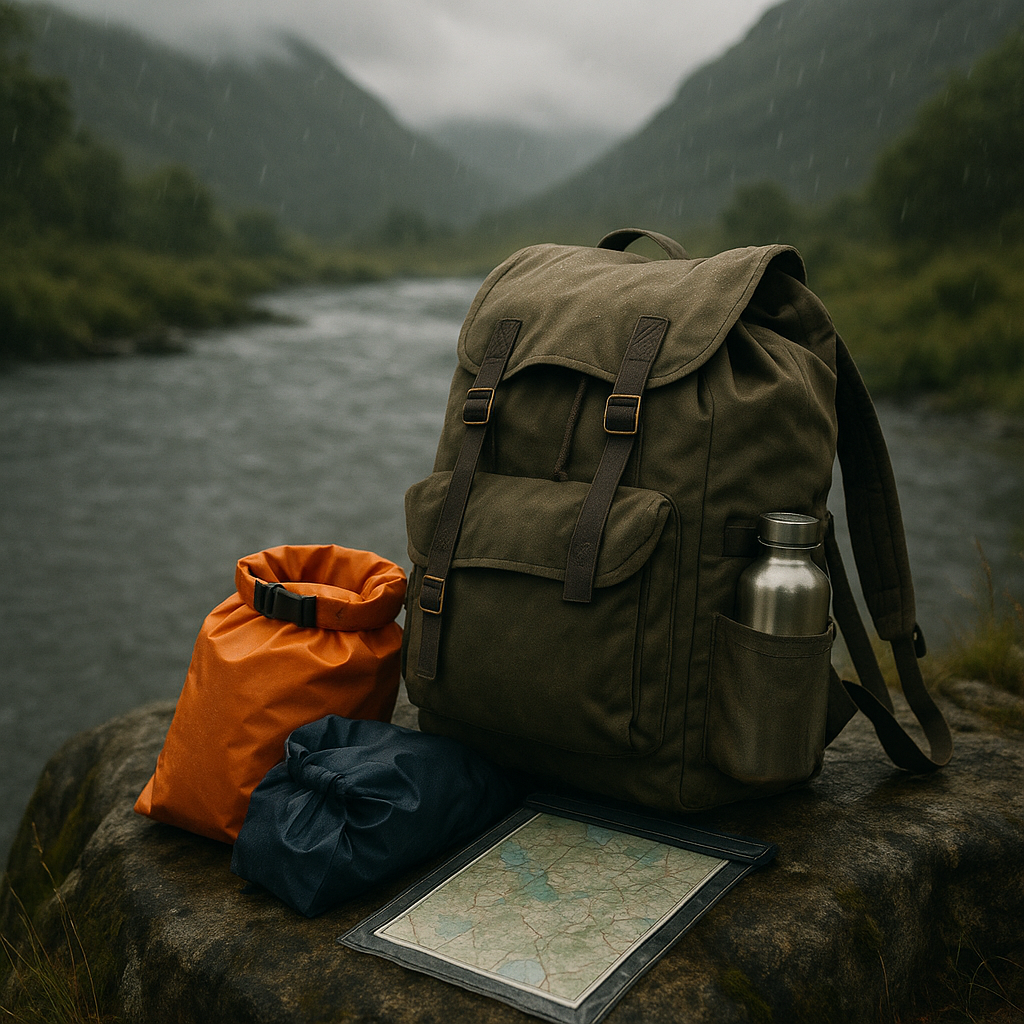
    Your rucksack does not need to be huge, but it should be comfortable and have a simple rain cover. Pack the heaviest items closest to your back so the load feels stable on uneven ground.

    • Water in a sturdy bottle
    • Hot drink in a flask for cold days
    • Snacks that will not crumble – nuts, oat bars, cheese, apples
    • A lightweight sit mat or bin bag so you can rest on damp ground
    • Small first aid kit and blister plasters
    • Map and compass for longer or unfamiliar routes
    • Spare socks and a thin extra layer in a dry bag

    It is also worth tucking in a simple tote or stuff sack for muddy kit at the end. That way, wet gloves or a filthy hat do not have to touch anything else.

    Keeping your kit dry and organised

    Plastic food bags or lightweight dry bags are brilliant for organisation. One for spare clothes, one for snacks, one for essentials like keys and wallet. If everything has its place, you will not be rummaging with cold fingers on a windswept track.

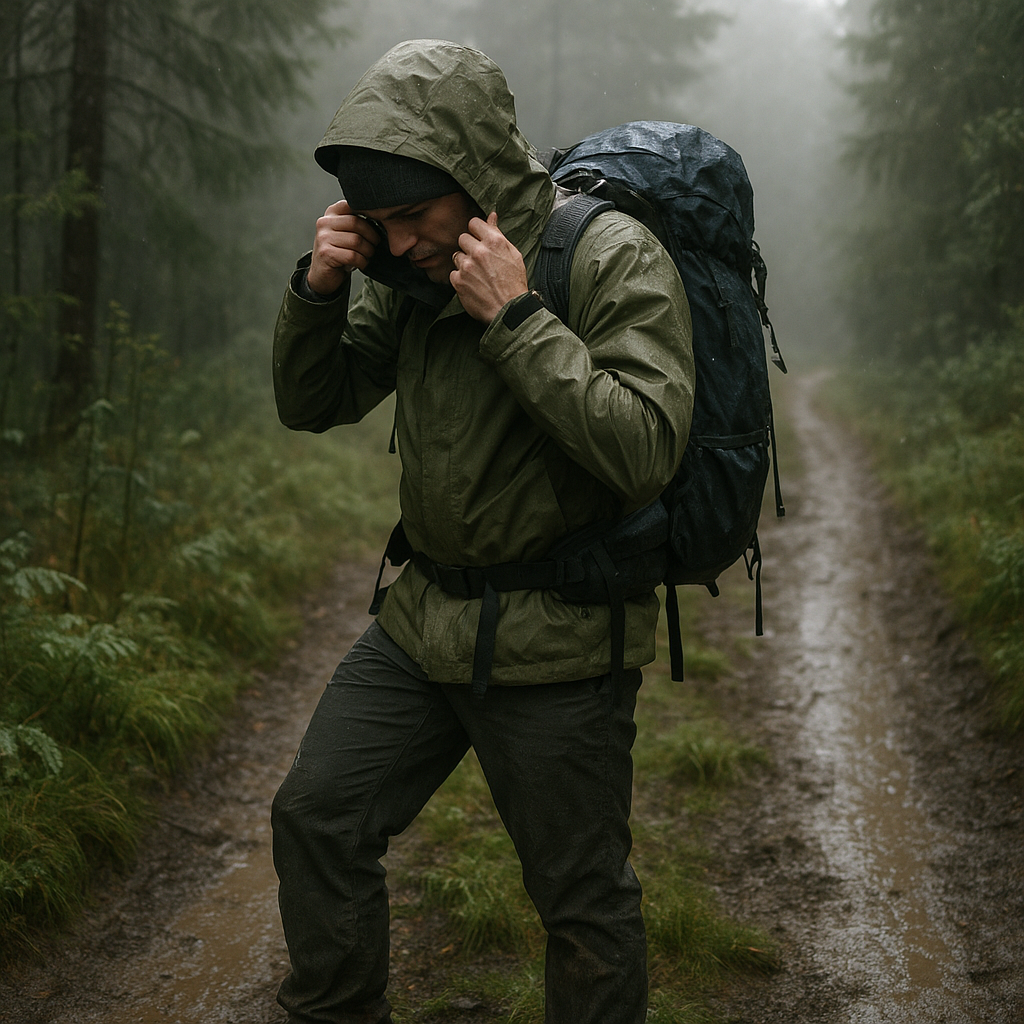
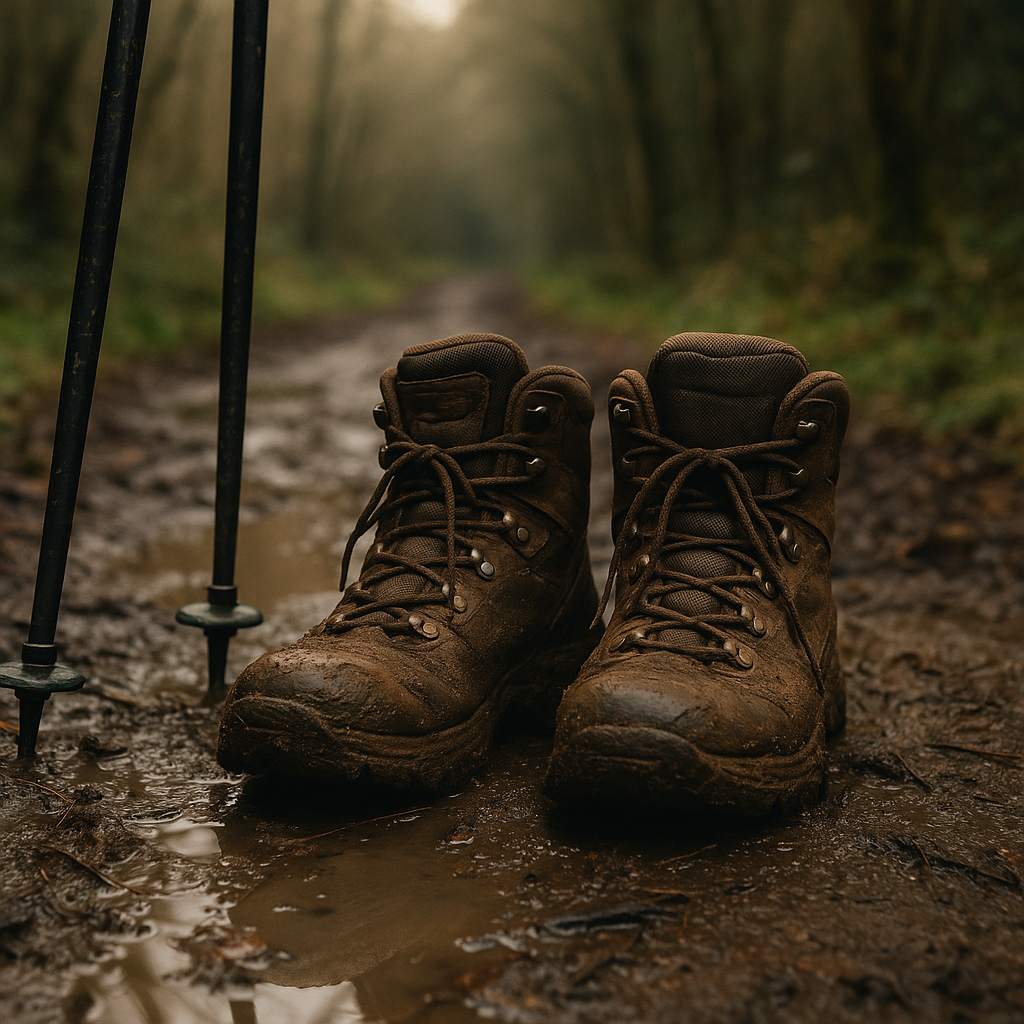
    Muddy hiking boots on a forest path during a muddy walk in the British countryside
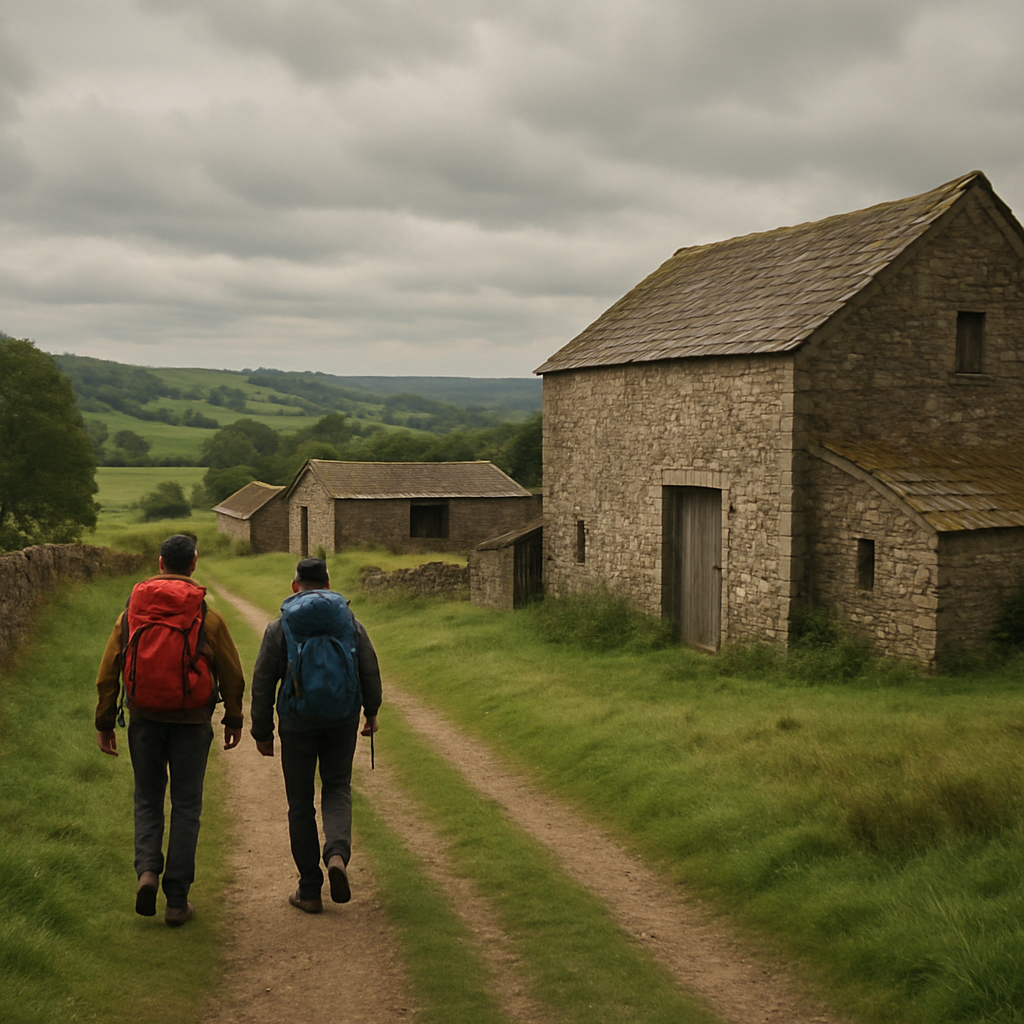
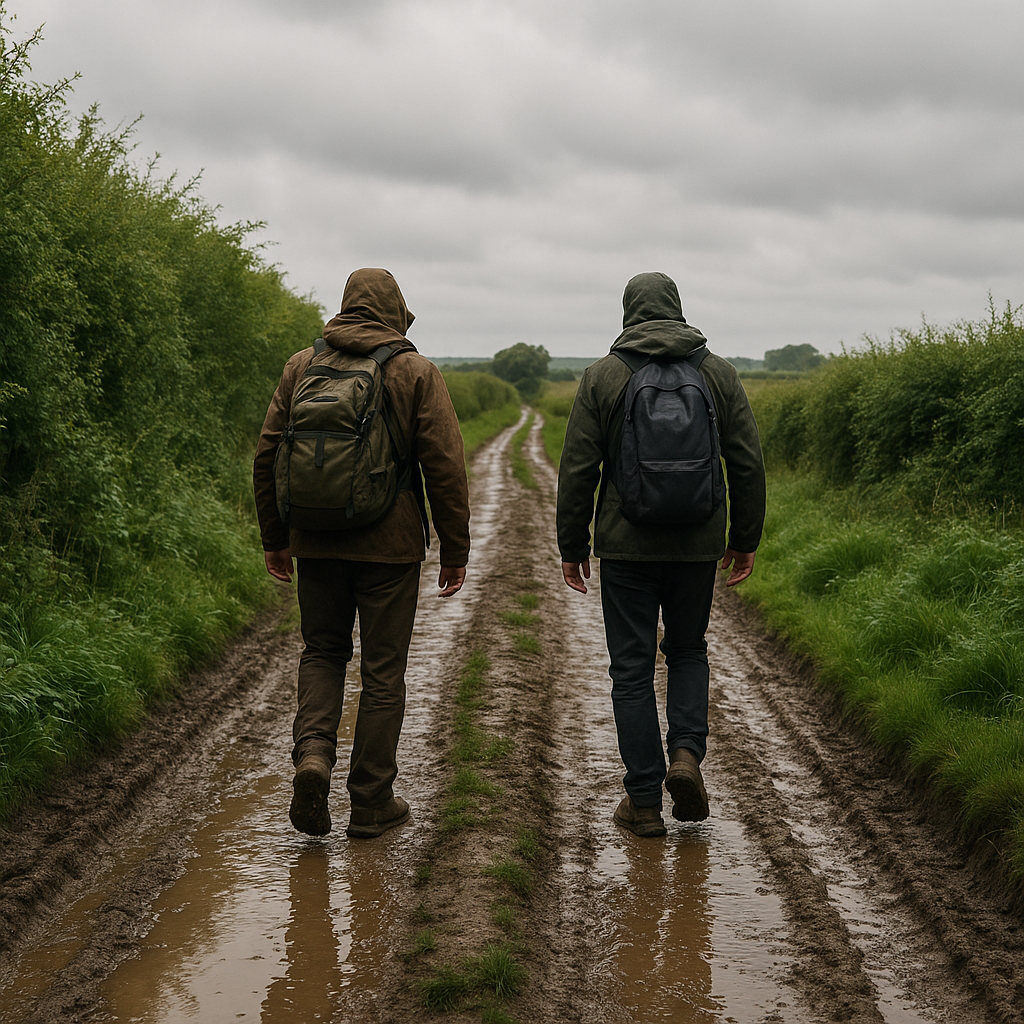
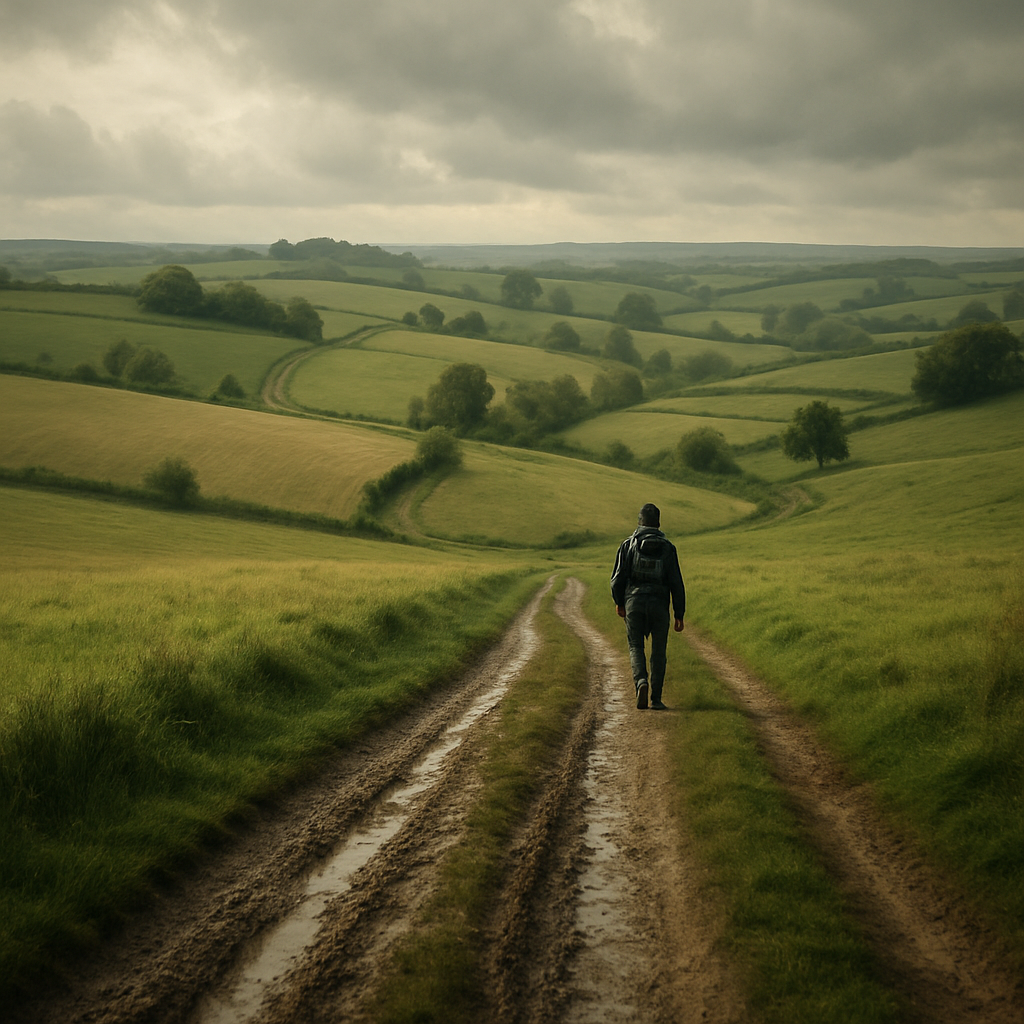
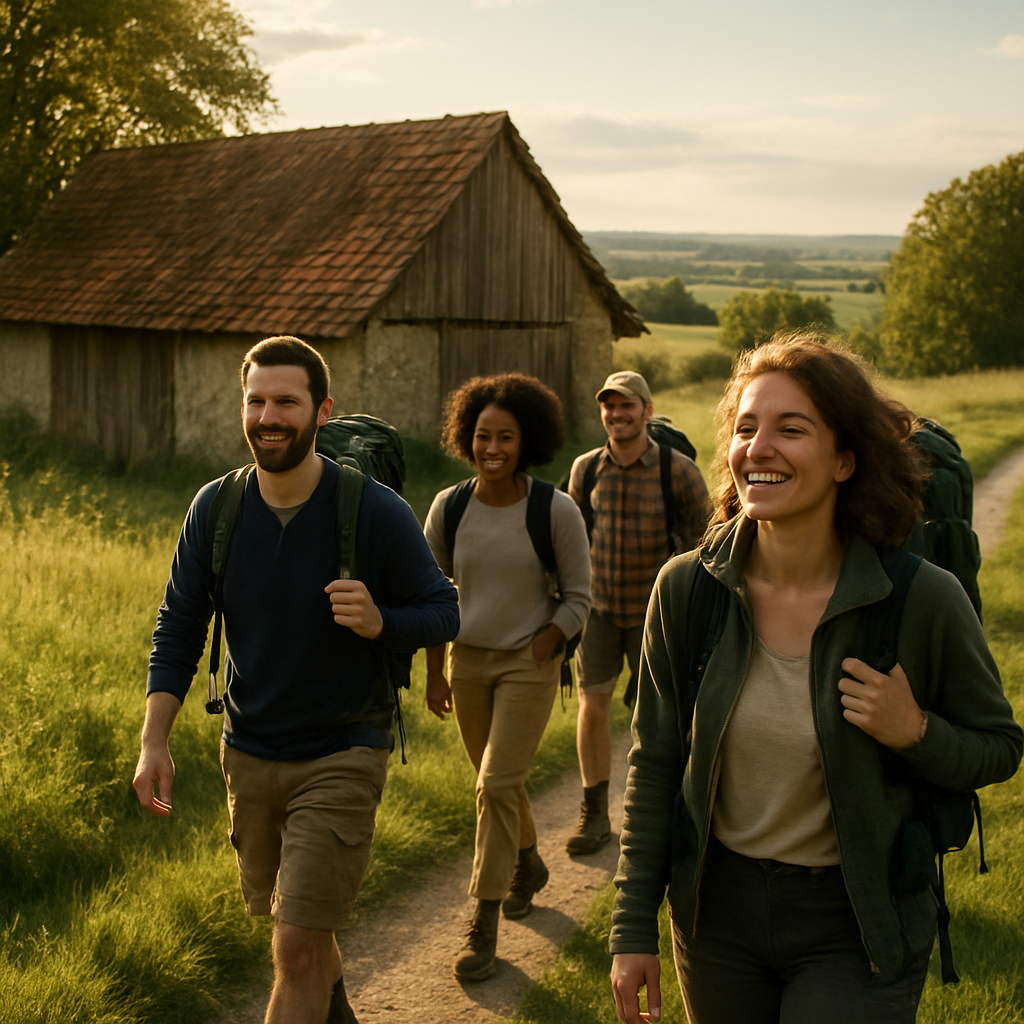
    Rolling fields and muddy paths setting the scene for a muddy walk in the British countryside

    Muddy walk in the British countryside FAQs

    What should I wear on a muddy walk in the British countryside?

    Wear a breathable base layer, a warm mid layer and a waterproof outer shell. Choose quick drying walking trousers and sturdy boots with good grip. Add a hat and light gloves so you can stay warm when the wind picks up or you stop for a break.

    How can I keep my feet dry on a muddy countryside walk?

    Pick waterproof walking boots with solid tread and pair them with proper walking socks that wick moisture away. Avoid cotton socks, which stay damp. Packing a spare pair of socks in a small dry bag means you can change if your feet do get wet.

    What essentials should I pack for a muddy walk in the British countryside?

    Pack water, a hot drink, snacks, a small first aid kit, map and compass, spare socks, and an extra layer in a waterproof bag. A simple sit mat, tissues and a bag for muddy kit at the end of the walk are also useful for staying comfortable and organised.

  • Beginner’s Guide to Hiking in the UK Without Losing Your Nerve

    Beginner’s Guide to Hiking in the UK Without Losing Your Nerve

    If you feel drawn to hills and muddy paths but do not quite know where to start, this beginner’s guide to hiking in the UK is for you. You do not need to be super fit, own expensive gear or move to the mountains. You just need a bit of planning, realistic expectations and a willingness to get your boots dirty.

    Why hiking is for more people than you think

    Many people imagine hiking as epic ridges and huge backpacks. In reality, most days out are gentle rambles, short hill walks and coastal paths. Hiking is simply walking with purpose in natural places. If you can walk around town for an hour, you can start hiking – you just choose routes that match where you are now, not where you think you should be.

    Being outdoors works wonders for stress, sleep and mood. Mud on your boots and wind on your face can do more than any gym session on a treadmill. Think of hiking as time in nature first and exercise second.

    Choosing your first routes

    The most important step in any beginner’s guide to hiking in the UK is picking the right first walks. Start small and build up.

    Look for these features

    • Clear paths: National parks, country parks and popular beauty spots usually have well trodden trails.
    • Short distance: Aim for 3 to 6 km to begin with, or around 1 to 2 hours of easy walking.
    • Low ascent: Gentle hills rather than steep climbs. Canal paths, forest trails and coastal promenades are perfect.
    • Escape options: Loops that pass near roads, villages or car parks so you can cut it short if needed.

    Local nature reserves, riverside paths and waymarked trails are ideal. Famous mountains can wait. A relaxed loop through your nearest woodland still counts as hiking and builds the confidence you will need later.

    Fitness worries: starting where you are

    It is normal to worry about holding people up or not keeping pace. The answer is simple: match the hike to your current fitness, not your future ambitions.

    • Test your base: If a brisk 30 minute town walk leaves you puffed, start with flat countryside paths of a similar length.
    • Use time, not distance: Plan walks by hours on your feet. Begin with 1 hour, then 90 minutes, then 2 hours.
    • Take more breaks than you think: Short pauses to drink, snack and look around make a huge difference.

    Hiking fitness builds surprisingly quickly. After a few weekends, hills that once felt daunting begin to feel manageable.

    Basic kit that actually matters

    It is easy to be overwhelmed by gear adverts, but a simple beginner’s kit list is enough to get you outside.

    Essentials

    • Footwear: Comfortable walking boots or sturdy trainers with good grip. Waterproof boots are helpful in our famously soggy countryside.
    • Layers: A breathable base layer, a warm mid layer and a waterproof jacket. Layers let you adapt to changing weather.
    • Small backpack: Big enough for water, snacks, spare layer, hat, gloves and a basic first aid kit.
    • Water and food: More than you think you will need. Nuts, sandwiches, fruit and flapjacks all travel well.

    Nice to have, not essential

    • Walking poles for balance on hills and muddy descents.
    • Gaiters to keep mud and water out of your boots.
    • A sit mat or bin bag to keep your bum dry during breaks.

    Ignore anything that sounds overly technical or promises to transform your performance. Comfort, warmth and dry feet matter far more than fancy labels.

    Staying safe on the trail

    Safety is about common sense and preparation. Tell someone where you are going and when you expect to be back. Check the weather forecast and avoid exposed hills in storms, high winds or thick fog. Stick to marked paths until you gain more experience, especially in remote areas.

    Carry a simple first aid kit, a small torch, a paper map of the area and a fully charged phone. Learn the basics of reading the map so you can match features like rivers, forests and hills to what you see around you. If you are unsure, turn back. The hill will be there another day.

    Muddy walking boots on a damp woodland path illustrating a beginner’s guide to hiking in the UK
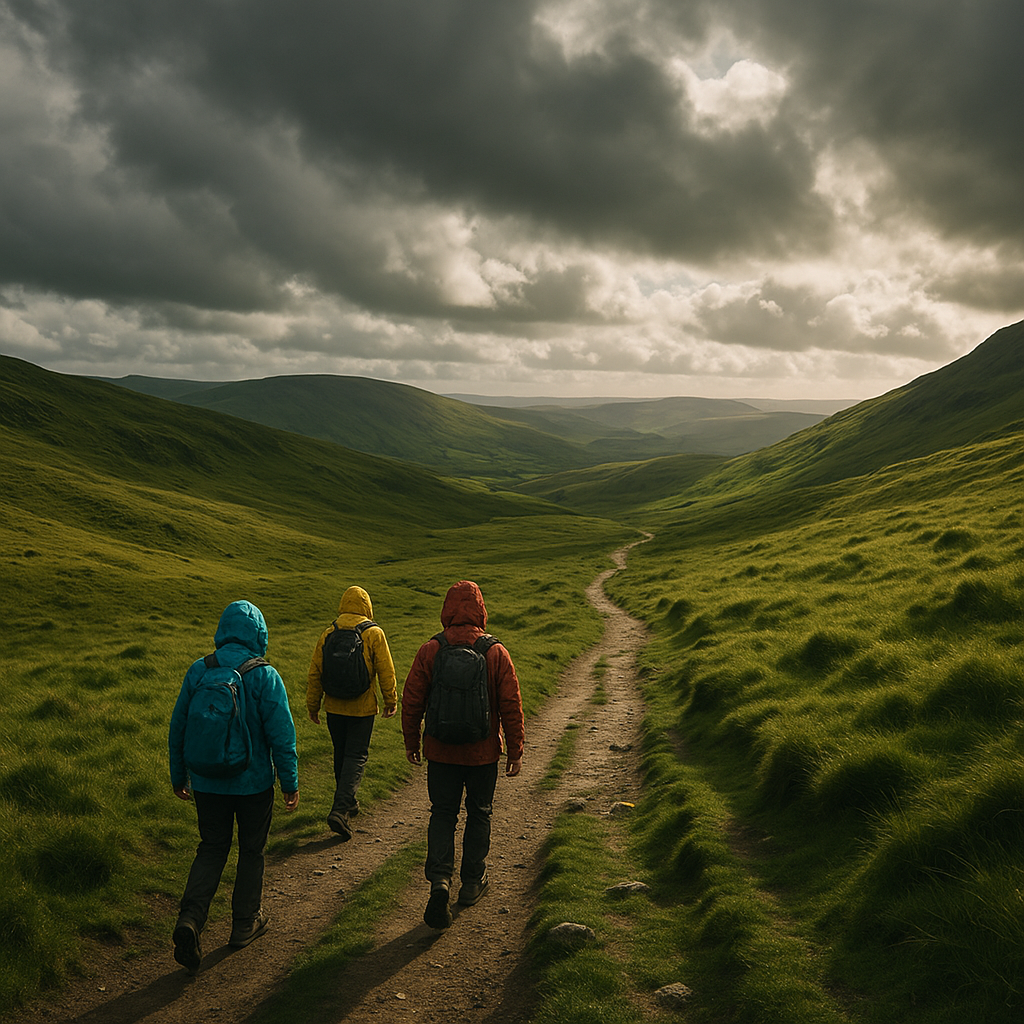
    Small group of new walkers following an easy hill path as part of a beginner’s guide to hiking in the UK

    Beginner’s guide to hiking in the UK FAQs

    How fit do I need to be to start hiking in the UK?

    You do not need to be especially fit to start hiking. If you can manage a steady hour’s walk on pavements, you can begin with short, flat countryside routes and build up gradually. Focus on time on your feet rather than distance, take plenty of breaks and listen to your body. Over a few weeks of regular walks, your stamina will naturally improve.

    What should I wear on my first easy hike?

    Wear comfortable clothes you can move in, ideally in layers so you can add or remove warmth as the weather changes. A breathable top, a fleece or jumper and a waterproof jacket work well. On your feet, choose walking boots or sturdy trainers with good grip. Avoid heavy cotton that stays damp, and pack a spare warm layer, hat and gloves just in case.

    Is it safe to hike alone as a beginner?

    It can be safe to hike alone if you choose simple, well used routes and prepare properly. Start with short walks in local country parks or popular trails, tell someone exactly where you are going, and agree a time to check in afterwards. Carry a map, basic first aid kit, water, food and a fully charged phone. As your confidence and navigation skills grow, you can gradually explore more remote paths.

  • How Greener Homes Are Changing Our Connection With The Outdoors

    How Greener Homes Are Changing Our Connection With The Outdoors

    If you love big skies, muddy boots and long days on the hill, you have probably wondered how your life indoors can match the way you feel outside. That is where greener homes come in. It is not just about saving a few quid on your bills. It is about building a life that fits better with the landscapes we hike through and the wild places we care about.

    What do we really mean by greener homes?

    For many people, the phrase brings to mind solar panels and clever gadgets, but at heart it is much simpler. A green home uses less energy, wastes less water and materials, and is kinder to the land around it. It is a place that works with the weather rather than fighting it, staying warm in winter and cool in summer without burning through fuel.

    Think of those stone cottages you pass on a wet fellside walk. The thick walls, small windows and snug rooms were all early attempts to live more lightly in a tough climate. Modern ideas build on that, using good insulation, natural materials and smart design so that we can tread more gently while still being comfortable.

    How greener homes protect the wild places we love

    Every time we head for the hills, we see the marks of a changing climate: bogs drying, paths washed out by sudden storms, snow lines creeping higher. Our homes are part of that story. Heating and powering buildings is a big source of emissions, and those emissions change the very landscapes we escape to at weekends.

    By turning our houses into greener homes, we chip away at that pressure. Better insulation means fewer draughts and less fuel burned. Choosing low impact materials means fewer scars from quarrying and logging. Simple habits like line-drying kit, collecting rainwater for the garden and planting trees in our own back yards all add up to cleaner rivers, healthier soils and more resilient habitats.

    Comfort, warmth and the joy of coming back indoors

    Anyone who has trudged home after a long, wet hike knows how good it feels to step into a warm, dry house. The trouble is, many older UK homes leak heat like a torn waterproof. Rooms feel chilly, walls are cold to the touch and the heating seems to be on full blast for half the year.

    Improving the fabric of a building can transform that feeling. Good loft and wall insulation, draught proofing and decent windows turn a shivery house into a cosy basecamp. Some people choose options like external wall insulation as part of a wider upgrade, but even small steps make a difference. The result is a home that feels more like a mountain hut after a day on the ridge: snug, welcoming and ready to dry your socks.

    Bringing the outdoors into everyday life

    Greener homes are not only about what we add to the walls and roof. They are also about how we open up to the outside world. Simple design choices can make nature part of the daily routine, not just something reserved for weekends away.

    Big windows that frame a garden, balcony or shared courtyard invite us to notice the weather. A bench by the back door makes it easy to slip on boots and step out for five minutes of fresh air. Planting herbs in pots, leaving a corner of the lawn to go wild, or adding a small pond can turn even a tiny space into a pocket habitat buzzing with life.

    When our homes are shaped around sunlight, views and fresh air, we naturally spend more time outside. Morning coffees move to the doorstep, laptops migrate to the patio on bright days, and children drift towards trees and mud instead of screens.

    Practical steps for turning your house into a greener basecamp

    You do not need a grand design budget to start the journey. Many of the most effective changes are simple and affordable:

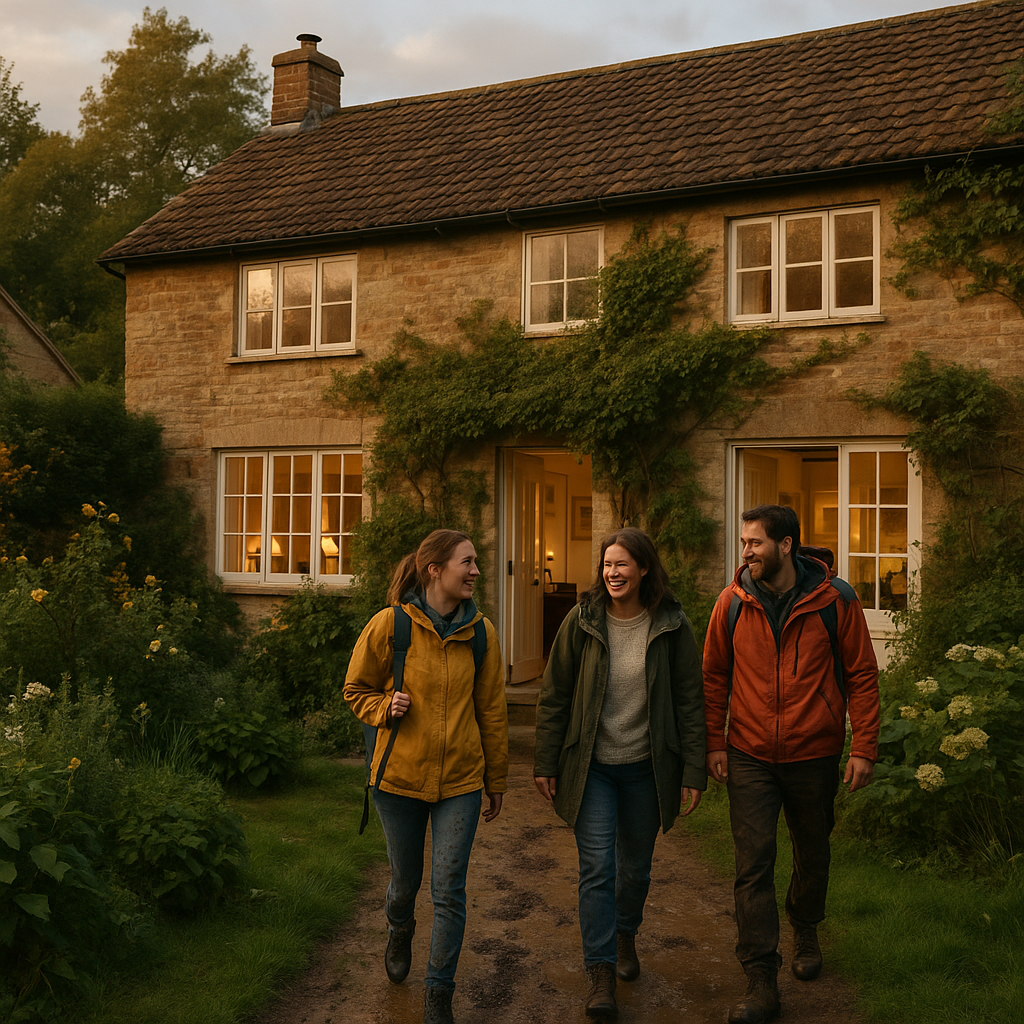
    Hiker relaxing on a patio of one of several greener homes, surrounded by plants and views of rolling hills.
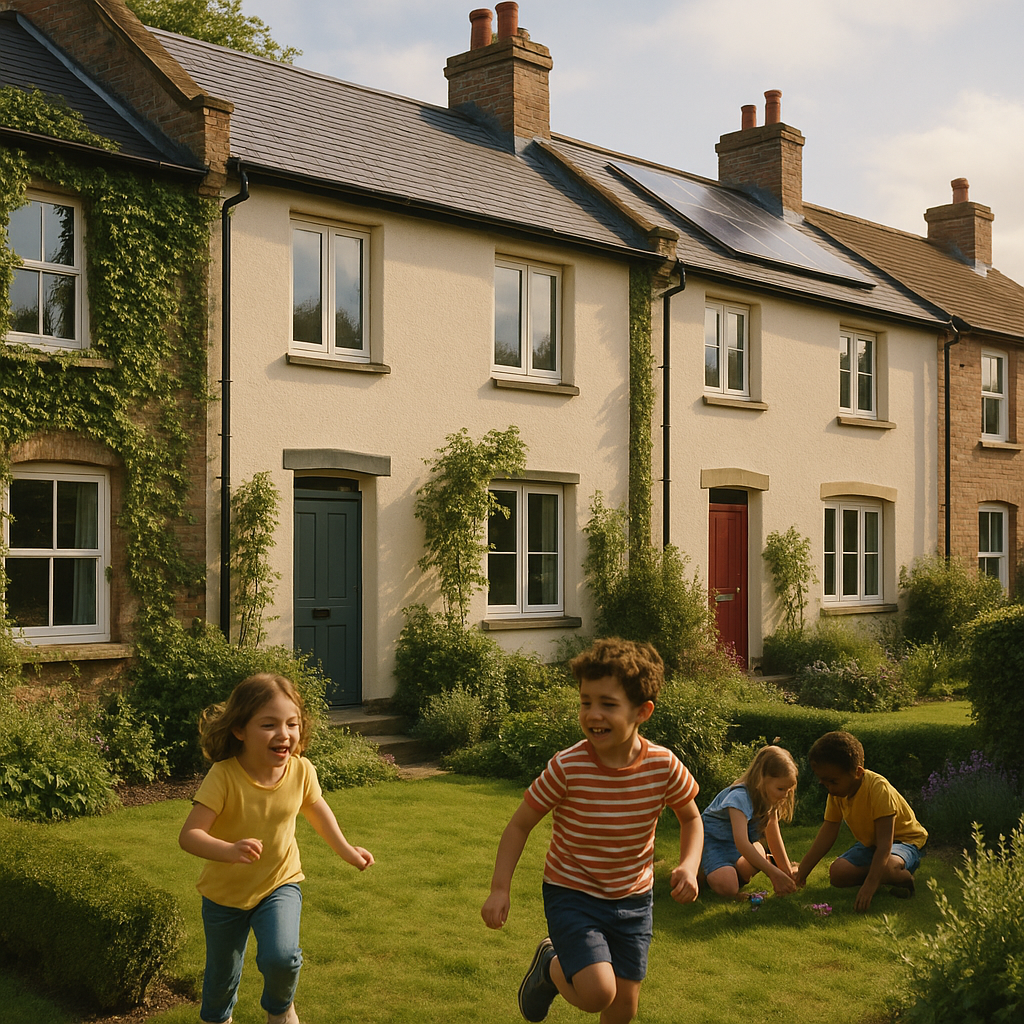
    Street of greener homes with children playing in front gardens filled with plants and trees.

    Greener homes FAQs

    What are the easiest first steps to make an older house more eco friendly?

    Start by tackling heat loss and draughts. Topping up loft insulation, sealing gaps around doors and windows and fitting thick curtains can make a big difference without major building work. Bleeding radiators, fitting simple reflector panels behind them and using thermostatic valves can also help. Outside, you can add water butts, plant native shrubs and leave a small wild corner to support birds and insects.

    How can a rented home be made greener without major changes?

    If you are renting, focus on changes that are reversible and low cost. Use draught excluders, thermal curtains and rugs on cold floors. Choose energy efficient bulbs and switch off appliances properly when not in use. Grow herbs and flowers in pots or window boxes, and ask your landlord before adding simple items like a water butt or a small compost bin. Even without big renovations, these steps can cut bills and reduce your impact.

    How do greener homes affect our wellbeing?

    A home that is warm, dry and filled with natural light is better for both physical and mental health. Reducing damp and cold helps prevent respiratory problems, while good insulation and ventilation create a more stable, comfortable indoor climate. When a house is designed to connect with gardens, balconies or nearby green spaces, people tend to spend more time outdoors, which is linked to lower stress, better sleep and a stronger sense of connection with the natural world.

  • Hidden Hazards Outdoors: Understanding Asbestos in Nature

    Hidden Hazards Outdoors: Understanding Asbestos in Nature

    If you love long walks, wild camping or poking around old farm buildings, it is worth knowing a bit about outdoor asbestos exposure. We often think of asbestos as something hidden inside office ceilings or old boiler rooms, but it can just as easily be found in the places we explore for fun.

    Across the UK, asbestos was used in sheds, barns, garages, farm roofs and even old picnic shelters. As these structures age, break or get demolished, fibres can escape into the air and soil. You do not need to panic every time you see a broken roof tile, but having some basic awareness helps you enjoy the countryside with confidence.

    Where you might encounter asbestos outdoors

    Most outdoor asbestos risks are linked to older man made structures in otherwise wild or rural settings. Common places include:

    • Old farm buildings with corrugated grey roofing sheets
    • Disused industrial sites that have become unofficial walking spots
    • Abandoned garages, sheds or outbuildings on the edge of villages
    • Fly tipped building waste in woodland or on country lanes
    • Former military sites and derelict holiday parks slowly being reclaimed by nature

    In many cases the material is stable and left undisturbed, which keeps risk low. Problems start when sheets are badly broken, burnt, drilled or crumbling, or when rubble has clearly been smashed up and scattered.

    How risky is outdoor asbestos exposure for walkers?

    Breathing asbestos fibres over long periods can cause serious illness, but the danger depends on how much you breathe in and how often. For most hikers and climbers, a one off walk past an old barn is very unlikely to cause harm. Fresh air and open space help to disperse fibres quickly.

    Higher risk situations include:

    • Playing, climbing or sheltering inside derelict buildings
    • Kicking or throwing broken roofing sheets or pipe lagging
    • Cutting or burning old asbestos materials on campfires
    • Regularly using unofficial paths through badly damaged structures

    Think of asbestos a bit like steep ground or fast flowing water. It is part of the landscape in some places, but you can manage the risk sensibly if you know what to look for and when to back away.

    Spotting suspect materials on your adventures

    You do not need to become an expert surveyor, but a few clues help you recognise possible asbestos outdoors:

    • Flat or corrugated grey sheets with a dimpled or textured surface
    • Old cement panels around animal pens or yard walls
    • Pipe work or tanks wrapped in flaky, fibrous insulation
    • Broken fragments of grey board or tiles mixed into soil or tracks

    If something looks old, brittle and out of place in a natural setting, give it space. Never break bits off as souvenirs, and do not let children or dogs play with debris, no matter how harmless it appears.

    Practical tips to stay safe while enjoying nature

    You can still enjoy wild places and forgotten corners of the countryside without worrying constantly about outdoor asbestos exposure. Simple habits go a long way:

    • Stick to marked paths where possible, especially around derelict sites
    • Avoid entering unsafe buildings, even if they look tempting in bad weather
    • Do not disturb rubble, burn mysterious boards or move dumped waste
    • Wash your hands before eating if you have been scrambling over old structures
    • Rinse muddy kit and boots at home, particularly after walking through fly tipped areas

    If you find what looks like damaged asbestos near a popular route, report it to the local council or landowner. A quick email with a grid reference or map screenshot can help them deal with it properly.

    Why landowners and clubs are taking asbestos more seriously

    Many farms, outdoor centres and climbing clubs are quietly tackling asbestos in their buildings to keep visitors safe. They are having surveys done, repairing or removing old materials and putting up clear signs where needed. Behind the scenes, they may follow an Asbestos management plan so that staff and volunteers know how to handle any issues.

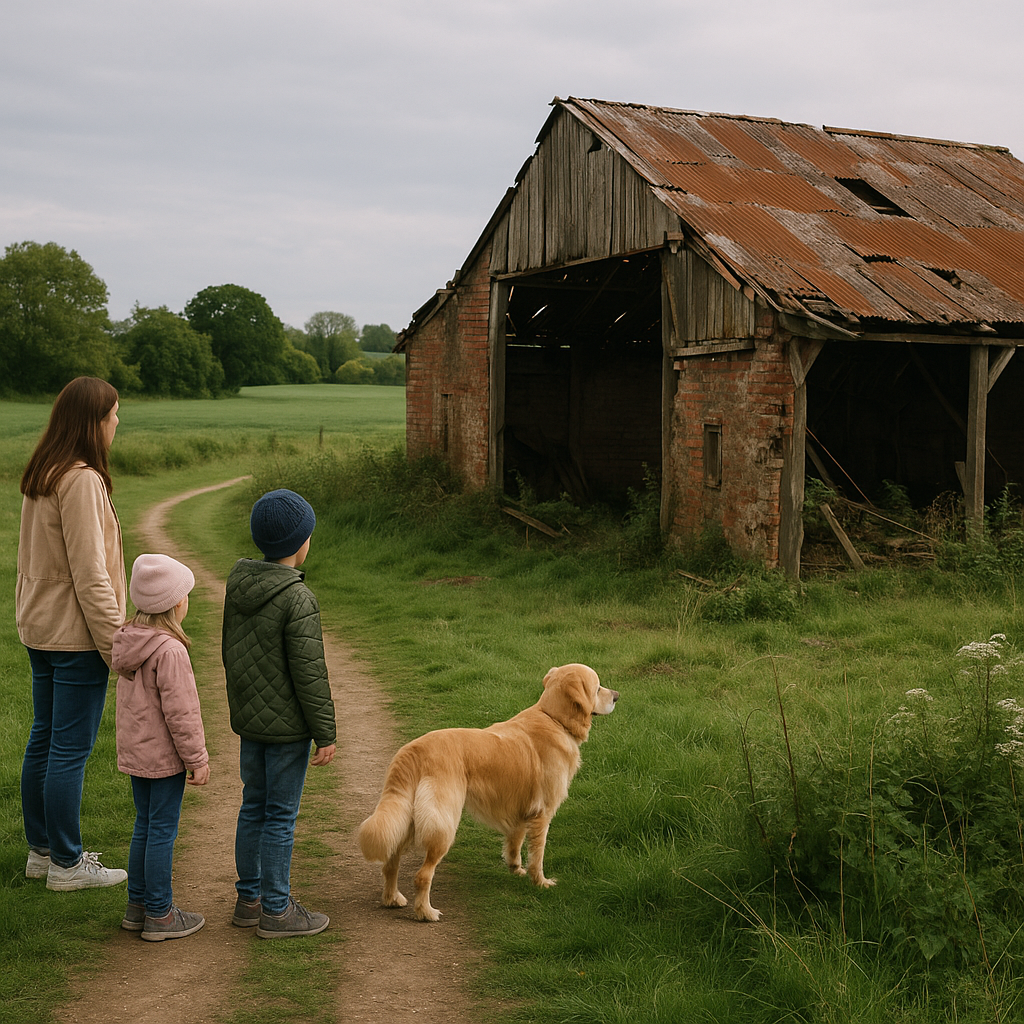
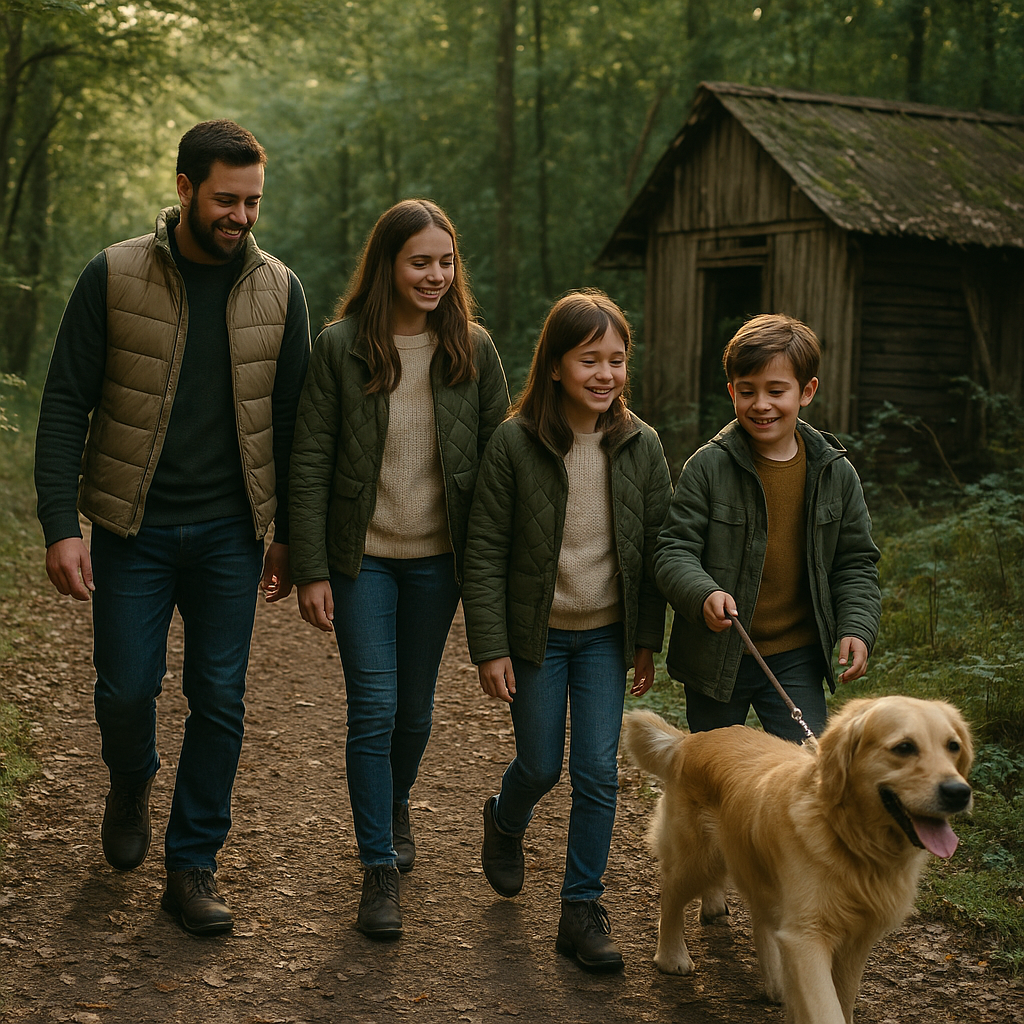
    Family on a woodland walk learning about outdoor asbestos exposure around old sheds and structures.
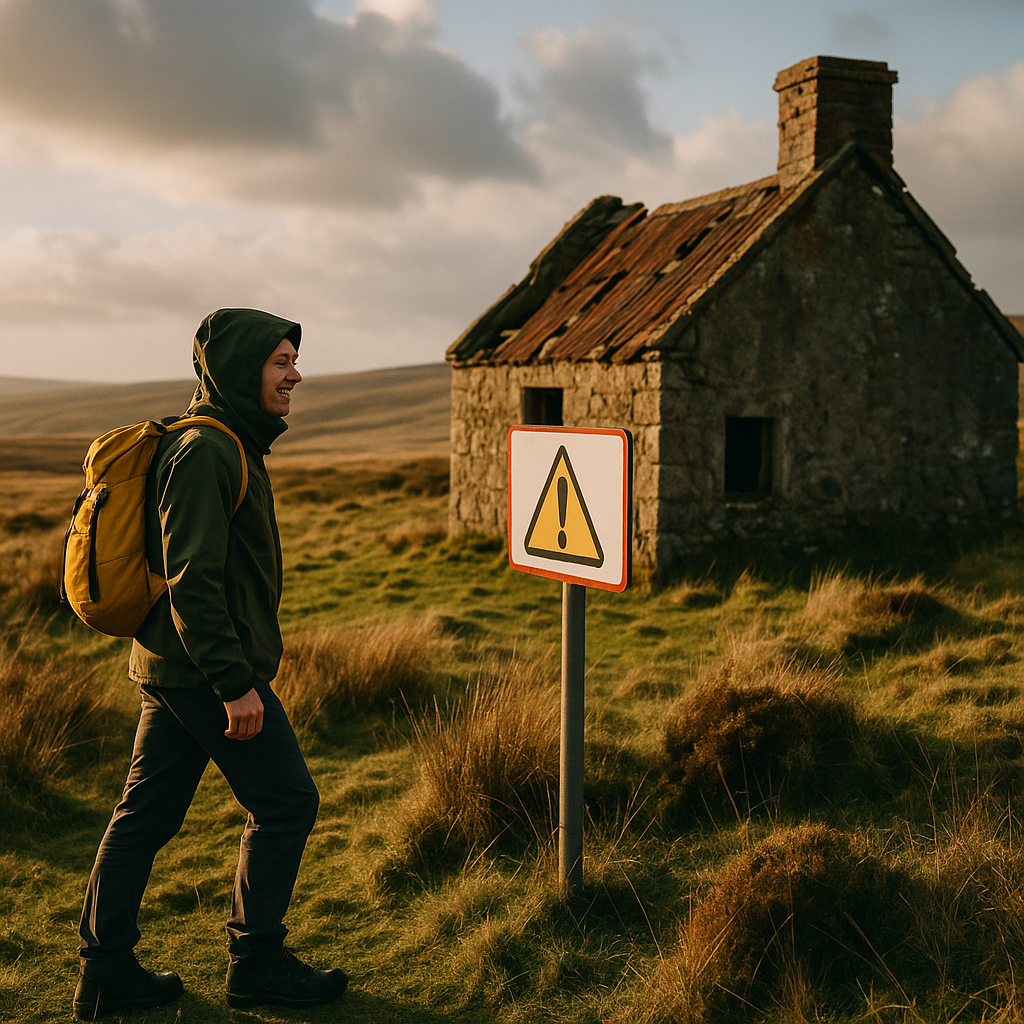
    Walker reading a safety sign about outdoor asbestos exposure beside a derelict rural building.

    Outdoor asbestos exposure FAQs

    Can I get ill from walking past an old asbestos roof once?

    A single short walk past an old roof is very unlikely to cause illness. Health problems from asbestos are usually linked to higher levels of dust breathed in over a long time, often in work settings. Outdoors, fresh air helps to disperse fibres quickly. The main thing is to avoid disturbing damaged sheets or rubble and not to play in or around derelict buildings.

    What should I do if I find broken asbestos on a favourite walking route?

    Do not touch or move the debris. Make a note of the location, ideally with a grid reference or a pin on a map app, and report it to the local council, national park authority or landowner if you know who they are. They can then arrange for a qualified contractor to assess and deal with it safely. In the meantime, give the area a wide berth and keep children and dogs away from the rubble.

    Is outdoor asbestos exposure a concern for children who love exploring?

    Children are naturally curious, so the main concern is that they may play with broken sheets, rubble or mysterious looking materials. The best approach is to explain, in simple terms, that some old building bits can be harmful if broken or handled, so they should leave them alone and tell an adult. Stick to safer play areas, avoid derelict buildings, and wash hands before eating after exploring. These habits help reduce many outdoor risks, not just asbestos.

  • How Ethical Landlords Build Stronger Tenancies And Better Returns

    How Ethical Landlords Build Stronger Tenancies And Better Returns

    Being a landlord is no longer just about collecting rent at the end of the month. In a tighter rental market, with rising living costs and growing regulation, ethical landlord practices are becoming one of the most reliable ways to protect your investment, reduce stress and keep good tenants for longer.

    Tenants are far more informed than they used to be. They read reviews, compare properties online and talk openly about their experiences. Landlords who treat people fairly, communicate clearly and maintain safe homes are the ones who enjoy stable income, fewer disputes and stronger long term returns.

    What do ethical landlord practices actually look like?

    Ethics in property is not a vague feel good concept. It shows up in day to day decisions and habits. At the core is a simple idea: if you provide a decent, safe home and behave fairly, your tenants are more likely to stay, pay on time and look after the property.

    That starts before a tenancy even begins. Clear, honest adverts that do not hide issues, accurate photos and transparent pricing help attract the right people. During viewings, being upfront about costs, council tax bands and any quirks of the property sets expectations and builds trust from the outset.

    Written agreements that are easy to understand, with no unfair clauses, are another pillar of ethical landlord practices. Taking the time to walk through the contract with new tenants, explaining deposit protection, notice periods and responsibilities on both sides, avoids confusion later.

    Creating homes people actually want to stay in

    Long tenancies are one of the biggest drivers of landlord profit. Every void period costs money, and every changeover brings advertising, referencing and cleaning costs. A focus on liveability is therefore both ethical and commercial.

    Simple upgrades can make a big difference: decent flooring, modern light fittings, secure locks and efficient heating all signal that you care about the standard of the home. Regular safety checks, prompt servicing of boilers and clear instructions for appliances keep the property safe and reduce emergency call outs.

    Energy efficiency is increasingly important too. Good insulation, draught proofing and modern heating controls help tenants with their bills and reduce the risk of arrears. A warm, affordable home is far more likely to be treated with respect, and tenants who feel looked after tend to report issues early, before they become expensive repairs.

    Communication, boundaries and mutual respect

    Ethical landlord practices are also about how you communicate. Setting clear channels for reporting repairs, giving proper notice before visits and responding within reasonable timeframes all build a sense of professionalism.

    It is helpful to agree preferred methods of contact at the start of the tenancy, and to outline what counts as an emergency. This avoids late night calls for minor issues, while reassuring tenants that they will be heard when something serious happens.

    Respecting privacy is crucial. Sticking to legal notice periods for inspections, being flexible about timings and turning up when you say you will shows that you value your tenants’ time and home life. In return, tenants are more likely to cooperate with access for repairs and inspections.

    Handling problems fairly without losing control

    Even in the best run properties, problems arise. Ethical landlords do not ignore rent arrears, antisocial behaviour or damage, but they handle them in a structured, fair way.

    For arrears, early, calm conversations can prevent issues escalating. Understanding whether the problem is temporary, such as a job change, or more serious helps you decide whether to agree a payment plan, signpost to benefits advice or begin formal action. Documenting every step protects you if you need to go to court later.

    When disputes feel complex or overwhelming, external guidance can be invaluable. Specialist services that offer Support for landlords can help you navigate regulations, mediation and, if necessary, possession proceedings while keeping the process as fair and professional as possible.

    Why being a good landlord is good business

    Some landlords still worry that taking an ethical approach means lower profits. In reality, the opposite is usually true. Good tenants stay longer, reducing voids. Well maintained homes suffer less serious damage. Clear processes and records reduce legal risk and insurance headaches.

    Ethical landlord practices FAQs

    How can I encourage tenants to stay longer?

    Focus on providing a safe, comfortable and well maintained home, respond quickly to repair requests and review rent levels fairly in line with the local market. Clear communication, reasonable notice for inspections and a respectful attitude all contribute to tenants feeling settled and valued, which makes them far more likely to renew their tenancy.

    What should I do if a tenant falls behind on rent?

    Act early and stay calm. Contact the tenant to understand what has caused the arrears, then agree a realistic payment plan if the problem is temporary. Keep written records of all conversations and payments, and signpost tenants to debt or benefits advice where appropriate. If arrears continue to grow, follow the correct legal process for serving notice and seeking possession, and consider taking professional advice.

    Do I need to use an agent to manage my rental property?

    You do not have to use an agent, but many landlords find professional management helpful, especially if they live far from the property or have several rentals. An agent can handle advertising, referencing, inspections and maintenance, but you should still choose one that shares your values and is transparent about fees so that your tenants receive a consistent and fair service.

    Read more muddy stories…

  • The Call of the Hills – Why Spending Time Outdoors Is More Important Than Ever

    The Call of the Hills – Why Spending Time Outdoors Is More Important Than Ever

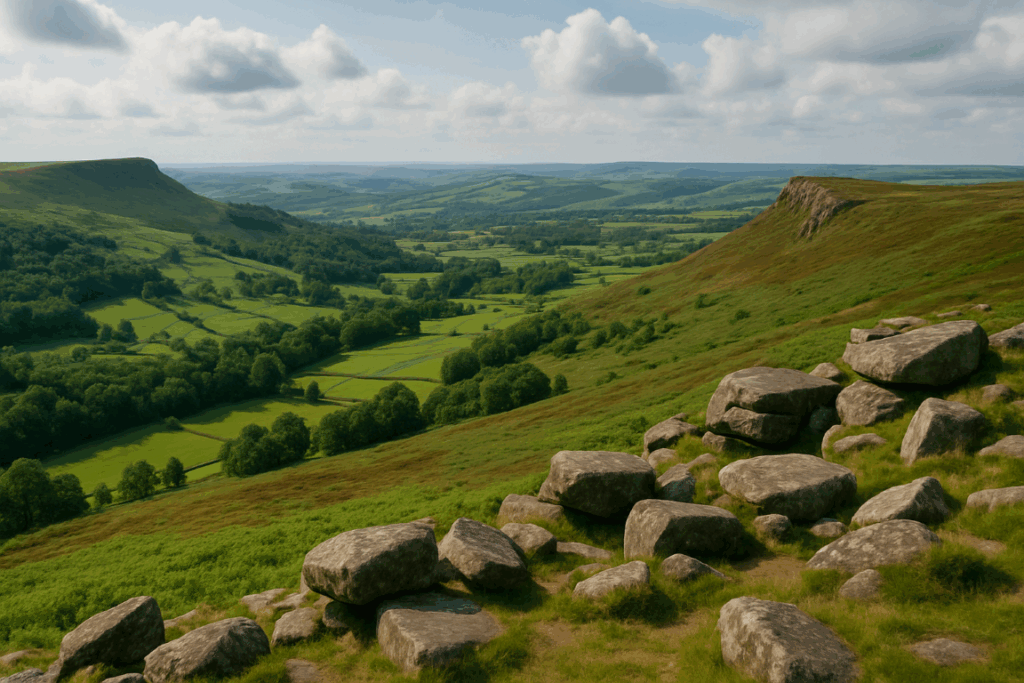
    In an age of screens, schedules and endless scrolls, spending time outdoors has never been more important. Whether it’s exploring the rolling ridges of the Peak District, wandering through the quiet woodlands of the Lake District or walking a coastal path with the wind in your hair, stepping outside offers something that no phone app or indoor workout ever could: true connection.

    Spending Time Outdoors

    Why Nature Heals

    Being outdoors is not just good for the body, it is essential for the mind. Studies show that time in green spaces reduces stress, improves sleep and helps boost creativity. Even a short hike or lunchtime walk can reset your brain and restore calm.

    The UK is blessed with accessible natural beauty, and places like the Peak District National Park make it easy to escape without travelling far. You don’t need fancy gear or a GPS tracker, just a sturdy pair of boots and the willingness to get a little mudded.

    The Joy of the Journey

    Hiking and outdoor adventures are not about ticking destinations off a list. They are about moments – that breath of cold air at the summit, the smell of pine after rain or the sound of a stream cutting through ancient stone.

    Each path walked is a story, and each trail reminds us that the world is far bigger than the screen in our hands. Nature invites us to slow down and rediscover what it means to be.

    Sustainability Starts with Us

    Spending time outdoors comes with responsibility. Whether you are wild camping, hiking or paddle boarding, small actions have big effects. Picking up litter, sticking to trails and supporting local eco-friendly businesses all help preserve the wild spaces we love.

    Bringing the Outdoors Into Everyday Life

    Spending time outdoors does not always have to mean climbing mountains or camping for days at a time. Even simple moments like enjoying lunch in the garden, cycling to work, or taking a walk through a nearby park can reconnect you with nature. Building these habits into your daily life helps you stay grounded and mindful, even when the week feels chaotic. The outdoors is always there, waiting, and it does not demand much – just your presence.

    Join the Movement

    At Mudded.uk, we believe that everyone deserves a stronger connection with the earth. Our goal is to inspire more people to step outside, explore the wild corners of Britain, and embrace a lifestyle that values the planet as much as adventure. Whether you are an experienced hiker or someone just spending time outdoors this is your place to learn, share, and be part of something bigger. The world is wide open – go and get a little mudded.

    The Future of Outdoor Living

    With more people than ever exploring UK national parks, the outdoor community is growing fast. From mindfulness hikes to eco-volunteering, the outdoors is no longer just a weekend escape, it is a way of life.

    So lace up, head out and see where the trail takes you. The earth beneath your feet might just be the best therapy you will ever find.

    Also, spending time outdoors is mostly free – so you have no exuses!

    Spending Time Outdoors FAQs

    What are the best places to hike in the UK for beginners?

    Try routes in the Peak District, Snowdonia or the South Downs. They offer well-marked paths with plenty of scenic views and easy gradients.

    How can I make my outdoor adventures more eco-friendly?

    Use reusable water bottles, avoid single-use plastics, car share when possible and respect wildlife by keeping noise and waste to a minimum.

    Do I need expensive gear to start hiking?

    Not at all. Start with comfortable shoes, weather-appropriate clothing and a small backpack with essentials like water, snacks and a map. You can upgrade your gear as you go.

  • Kirton Off Road Venue Information – 650 Acres of muddy fun!

    Kirton was the first venue I visited with the #warhorse (I nearly died, like genuinly nearly died on the way there – that is a story for another day though) and I think it’s safe to say Kirton Off Road is one of the reasons I got the off road bug so bad.

    It boasts one of the largest (650 acres), mixed use off road playgrounds in the country – full of woods, water, bomb holes and lots of steep hills. No matter how you like to get mudded, you will find something for you at Kirton 🙂

    I found that I particularly enjoyed the woodland areas, as they were technical and steady, I wasn’t as fussed about simply ragging it up hills and through massive amounts of water but I did have a go at everything.

    The location itself is just outside scunthorpe;

    And they run various off road events there, including Pay and Play days, 4×4 Experience Days, MTB events and they also rent the whole venue out to Motorsport teams and anyone else that wants to test vehicles or drivers – its probably one of the more switched on venues in terms of a revenue stream.

    Kirton Off Road also caters for every experience level, so newbies can enjoy a day or weekend – and there will always be something challenging for the more experienced off road enthusiast. They also do events for charities such as Macmillan and are one of the few venues that do themed nights such as Halloween weekends which are always highly anticipated.

    You can lookup the contact details for Kirton on our Off Road Venues page, and to find out when the next event is taking place, refer to our Off Road Events Calendar.

    If you have visited Kirton and have a story to tell – comment below. I am deffo looking forward to my next visit 🙂

  • Holymoorside Off Road – Pay & Play Private Venue

    Holymoorside Off Road is a bit different to other off road venues, as its not really open to the public like most – its owned by someone that lets a couple of Off Road Clubs use it at certain points throughout the year.

    I managed to go thanks to a friend who put my name down on the list to go with TPORE – a local off road club, and I went in February of 2016. Its a great off road venue, although it’s not the largest – really good for a day or just an afternoon of mudding 🙂

    The site is located in Chesterfield, Derbyshire and consists of a nice variety of challenges, including some pretty difficult hills and the MUD is SO STICKY – its actually infamous for it!

    Quite a few of my friends love the place, but then many hate it – its definitely a Marmite venue! I personally had a great time and would go back again in a heartbeat. It helps that this is REALLY close to where i’m from, so its a nice short drive there and back which is always a good thing when off roading – especially if something breaks!

    As stated – this is not a free-for-all Pay and Play venue, so I cannot publish any event info on the Off Road Events Calendar i’m afraid. For Holymoorside Off Road it is better to check the TPORE forums and if you are local to chesterfield/derbyshire, just ask some local off road enthusiasts if you see any and they may be able to advise on the best way to get yourself entry to the venue.

    If anyone linked to the venue would like to add more info or send me contact details for the venue owners then please comment below or contact me using the contact page.

    I look forward to visiting again, soon!

  • Silverdale Off Road Pay and Play Venue

    I am always on the hunt for new off road/pay and play venues to add to this site – and I asked some friends if they knew of any that I had not already added. One of the guys mentioned Silverdale which is part of the Explore Off Road centre, so I did some digging and found their website and event info.

    “As well as our Off-Road site we also have a pay and play site located in Silverdale, Keele. For just £25 you can tackle the extreme terrain alone for a full day. The site contains woodlands, steep hills, water, and lots of mud; it’s not recommended for shiny new vehicles and is definitely not for the faint hearted! (Road taxed vehicles only.)”

    On Google maps, it seems like the site is HUGE;

    I may have the map of Silverdale wrong – but there are tracks all over the area i’ve circled!
    The exact address of the site is;

    Haying Wood
    off Pepper Street
    Silverdale
    Stoke-on-Trent
    ST5 6QQ

    And prices for pay and play days are £25 per vehicle. Sounds like a bargain – can’t wait to visit!

    Their events have been added to the Off Road Events Calendar (there are not many) and I will contact the site to find out if they have planned out P&P days for december and next year, and will ensure they are added to the calendar too.

    Have you ever been? Would love to see your images and videos!

  • Awesome new Off Road Events Calendar

    OK, so ive been mulling over how I was going to do my Off Road Events Calendar – there are loads of website add ons to make this site into a calendar – but I couldn’t help but think it would be a static, stand-alone site and unless you checked it, you wouldn’t know about any of the events I was listing.

    SO, as I live the rest of my life by what Google Calendar says (use it at work, and personally) I figured having a public calendar that lists all the events was the right thing to do. It can be synced with mobile phones and also your calendar within Gmail and i’m sure it can be synced with iPhones too but I have no idea how to do that.

    If you are a venue owner and would like you events listing on the calendar then please get in touch. Additionally, if I do list your events and there are issues please also contact me.

    Hope you enjoy, peeps!