

The most common mistake walkers make about fell running is assuming it is simply fast walking, or hillwalking with the brakes off. It is neither. Fell runners spend their time solving a different problem: how to move over rough, steep, wet ground using the least energy and the fewest mistakes. That is why the best fell running tips for hikers UK walkers can use have little to do with speed, and a lot to do with how you look at the ground.
The British fell running tradition runs from the Lake District rounds and Yorkshire Dales classics to the long Highland days of the Scottish hills. Its habits were built on bad weather, bog, scree and poor visibility. You do not need to jog a single step to borrow them.
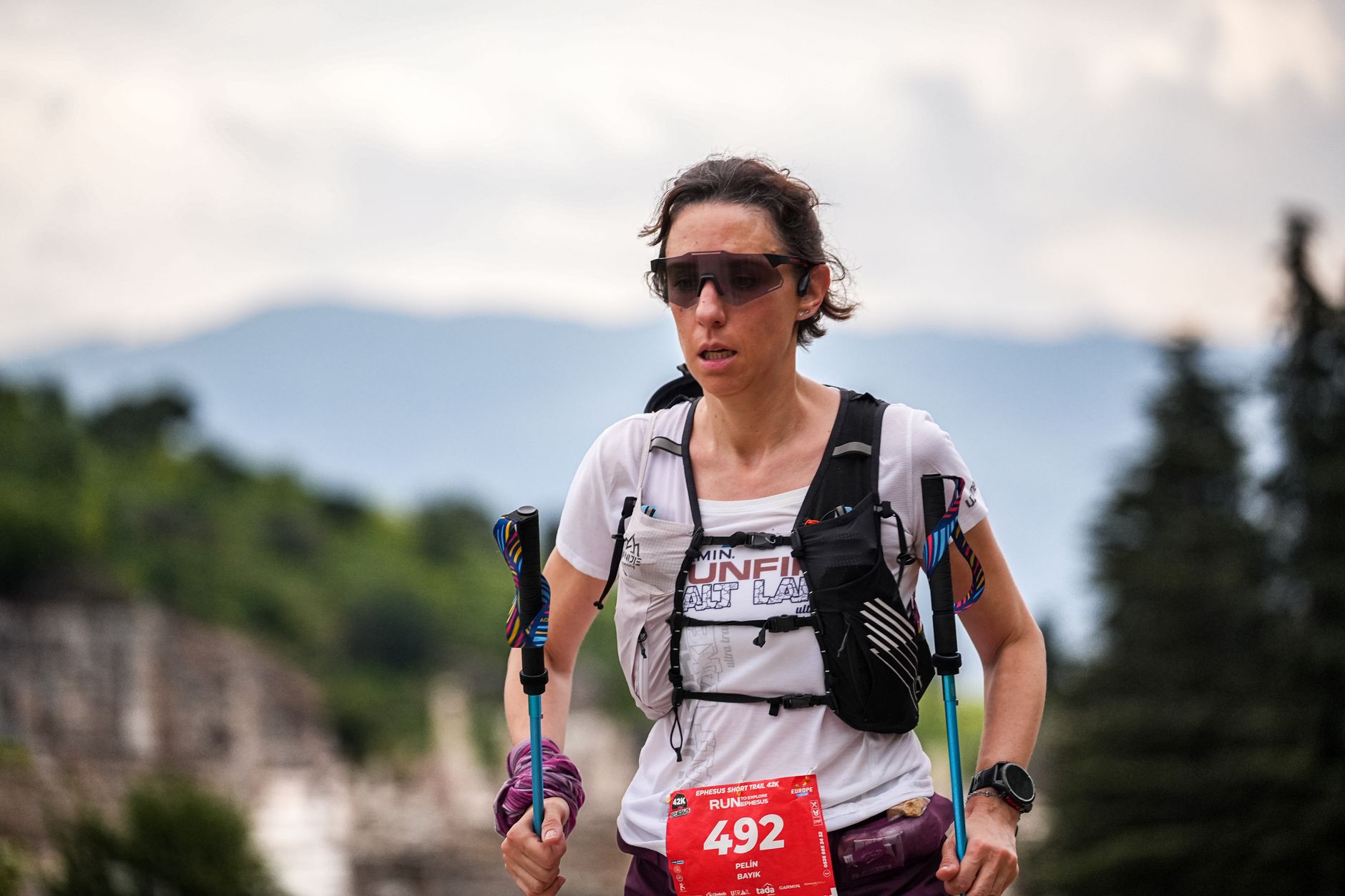
How do fell runners move differently from hikers?
Fell runners move differently from hikers mainly in rhythm, line choice and attention. They keep a steady effort rather than a steady speed, they choose the line before they reach it, and they look several strides ahead instead of at their boots. Most walkers do the opposite: they plod at one pace until they are tired, then stop.
Here is a quick comparison of the two approaches, and what each can teach the other.
| Skill | Typical hillwalker | Typical fell runner | What to borrow |
|---|---|---|---|
| Climbing | Steady pace, rare breaks | Walks the steep bits, short efficient steps | Shorter steps, hands on thighs if needed |
| Descending | Cautious, heavy on knees | Light, quick feet, eyes ahead | Look further ahead, bend the knees |
| Route choice | Follows the path | Reads slope, ground and line | Pick lines by terrain, not just the path |
| Navigation | Checks the map at junctions | Constant running map awareness | Track features as you go |
| Kit | Heavier, more comfort | Minimal, mandatory safety kit | Trim weight, never trim safety |
Fell running tips for hikers: climbing and pacing
Runners walk the steep climbs, and nobody thinks less of them for it. The trick is a short, quick step with a high cadence, which uses less muscle than long strides. Try it on your next sustained ascent: shorten your step, keep your hands relaxed, and breathe so that you could still say a sentence.
Think in terms of effort, not minutes. If you are gasping on the first pull out of the valley, you have borrowed from the afternoon. Settle early, and the last col of the day feels very different. For the timing side of this, our guide to how far you can hike in a day in UK mountain terrain covers realistic distances.
Reading the ground before you reach it
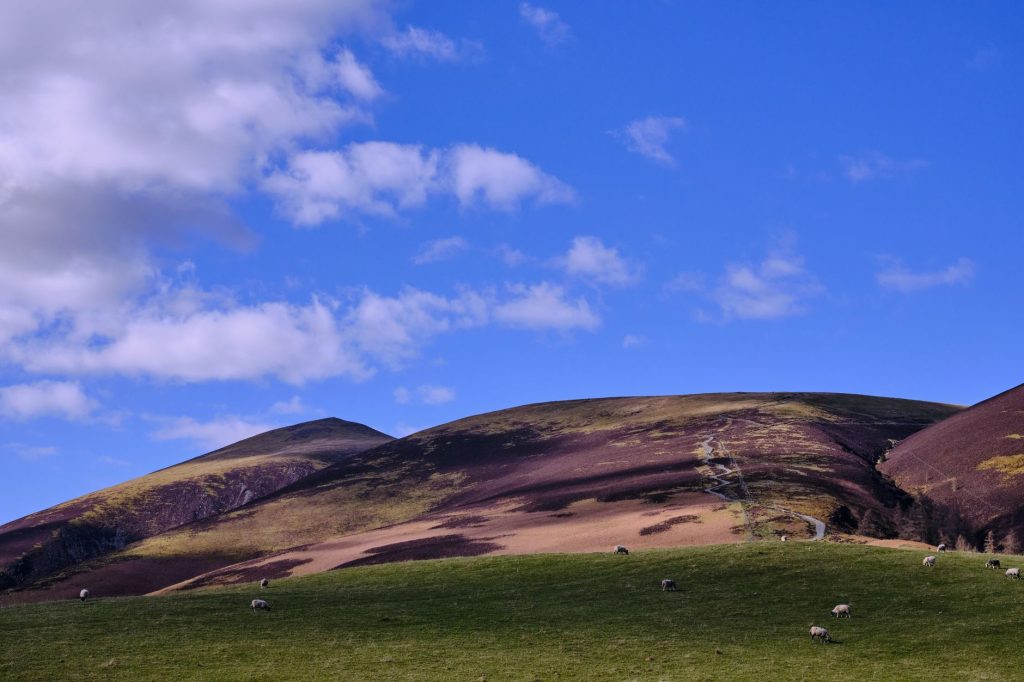
Fell runners read terrain a few seconds ahead. Bright green patches on a hillside usually mean wet ground, while darker, rougher grass and heather often hold firmer. Sheep trods, the narrow tracks made by sheep, tend to contour efficiently across slopes and are often better than a direct line through tussocks.
Wet rock is the real hazard. Slabs of rhyolite, slate and gritstone can be very slippery after rain, and runners learn to place the whole foot rather than the toe. Walkers can do the same: flatten your foot on wet stone, and avoid stepping on moss, lichen or polished rock.
Descending without wrecking your knees
Descending is where fell runners are truly different, and where walkers pay the highest price in sore knees. The habit worth copying is looking ahead. If you stare at the next footfall, you brake with every step. If you look a few metres on, your feet find a rhythm, and you spot the loose stone before you reach it.
- Keep your knees soft and your steps small on steep ground.
- Land under your body, not out in front like a brake.
- Zigzag on very steep grass or scree rather than plunging straight down.
- Use poles on long descents if your knees complain.
Navigation habits worth stealing
Runners cannot stop and unfold a map every few minutes, so they navigate by ticking off features: a stream, a wall corner, a change in slope. Do this on a walk. Say aloud what you expect to see in the next ten minutes, then check it. When the ground stops matching the map, you notice early, not an hour later in cloud.
That skill matters most when visibility drops. Fell races have mandatory kit rules for exactly this reason, and many require a map, compass, waterproofs and a whistle. Treat that list as a floor, not a ceiling. Our piece on judging river crossings in the Scottish Highlands shows how quickly a calm day can change.
Should walkers carry less like fell runners?
Walkers should carry less only where the weight is not protecting them. Runners go light because they keep moving and stay warm, but you will be stopping for lunch and photographs, so you need more insulation than a racer. Trim the extras, like a third flask or a spare book, but keep your layers, food, head torch and first aid.
Who should borrow what?
If you mostly walk on well-made paths in the Dales or the Peak District, start with descending technique and pacing. If you head for the Highlands or the Lakeland tops in poor weather, prioritise navigation by features and wet-rock footwork. If your knees are your limiting factor, work on descending first. And if you are curious about the tradition itself, the Fell Runners Association is the national body for the sport and a good place to see where the races and routes happen.
Pick one habit for your next hill day. Shortening your step on the first big climb costs nothing and is the easiest place to start.
Frequently Asked Questions
Do I need to run to use fell running techniques?
No. Most of what fell runners do well is about pacing, line choice and looking ahead, all of which work at walking speed. You can borrow short steps on climbs and soft knees on descents without ever breaking into a jog.
Is fell running the same as trail running?
No. Fell running is off-path running over steep, rough, often pathless upland ground, with navigation as part of the challenge. Trail running usually follows marked paths and tracks, with gentler gradients and less need for a map and compass.
What is the best way to descend steep hills as a walker?
Keep your knees soft, take small steps and look a few metres ahead rather than at your feet. On very steep grass or scree, zigzag instead of heading straight down. Poles can take pressure off your knees on long descents.
What kit do fell runners always carry?
Many fell races require a map, compass, whistle, waterproof jacket and trousers, hat and gloves, and some food. Exact requirements vary by race, so organisers publish their own lists. Hillwalkers can use that as a sensible minimum.
Leave a Reply